
Maine Coast — History & Facts
Who listens when art speaks of silence? The delicate interplay of light and shadow in this landscape whispers stories of fragility and resilience, inviting contemplation of nature's quiet beauty. Look to the horizon in Maine Coast, where the sun's golden rays dance upon the gentle waves, illuminating the soft contours of the rocky shoreline. The artist's meticulous brushwork captures the nuanced textures of the land and sea, leading the viewer's gaze from the foreground's rugged cliffs to the expansive sky. Rich greens and blues blend seamlessly with warm ochres, creating a harmonious palette that evokes both serenity and awe. Beneath the tranquil surface lies the tension of impermanence.
The serene waters reflect a fleeting moment, reminding us of nature's constant evolution and vulnerability against the elements. The looming clouds suggest an impending storm, hinting at life's unpredictability and fragility, while the resilient cliffs stand unwavering, embodying the struggle between stability and change. Frederic Edwin Church painted this evocative scene between 1845 and 1850, a time when he was establishing himself as a leading figure in the Hudson River School. Immersed in the Romantic movement, he sought to capture the sublime beauty of America’s landscapes, responding to the nation’s growing appreciation for its natural wonders.
The era was marked by a fascination with exploration and discovery, and this work reflects both the artist's personal journey and the broader cultural shifts of his time.
More Artworks by Frederic Edwin Church
Browse all →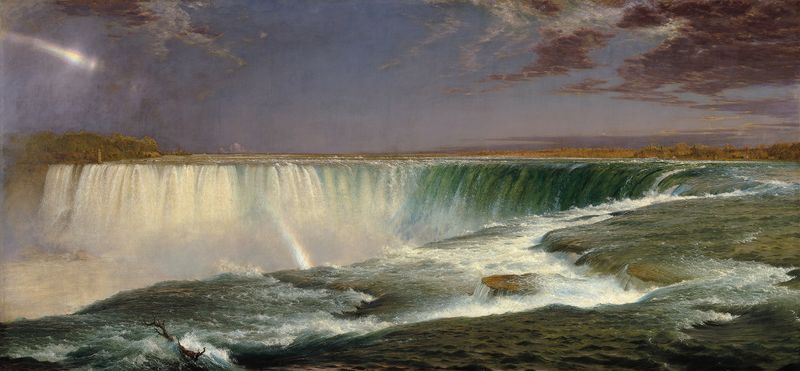
Niagara
Frederic Edwin Church
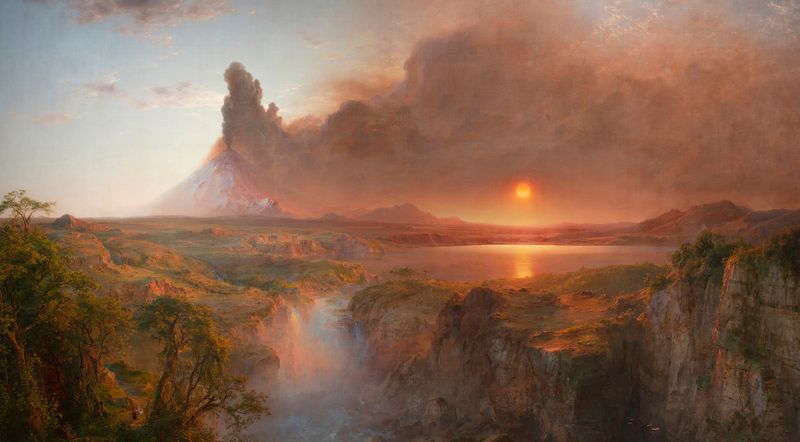
Cotopaxi
Frederic Edwin Church
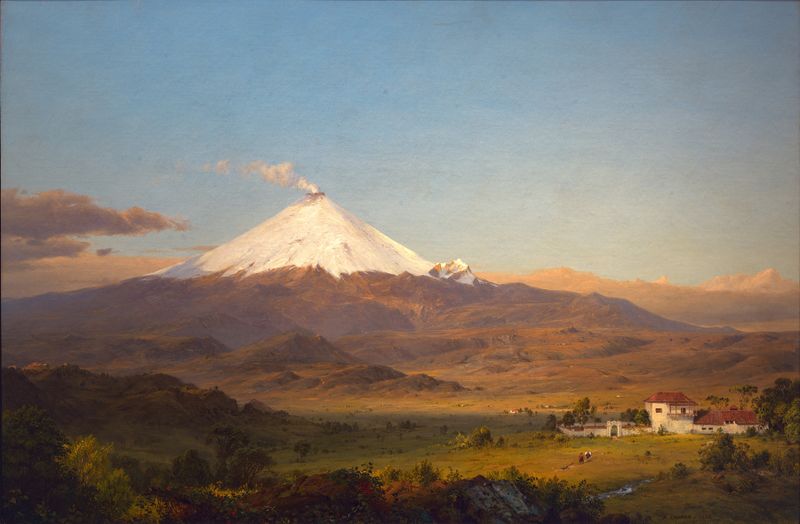
Cotopaxi
Frederic Edwin Church
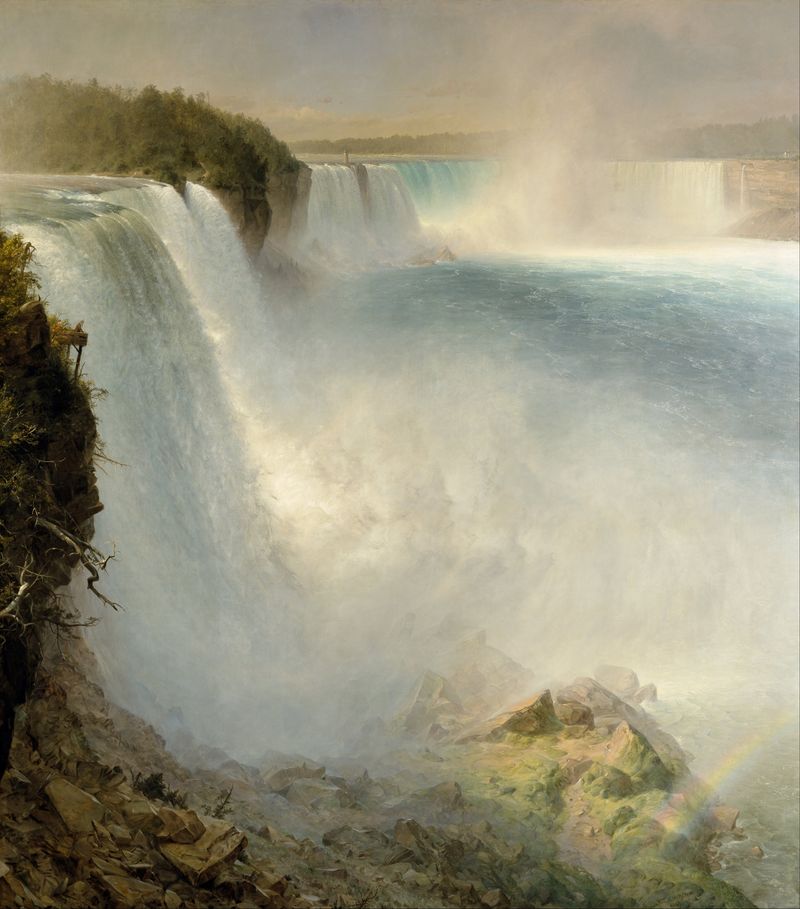
Niagara Falls, from the American Side
Frederic Edwin Church
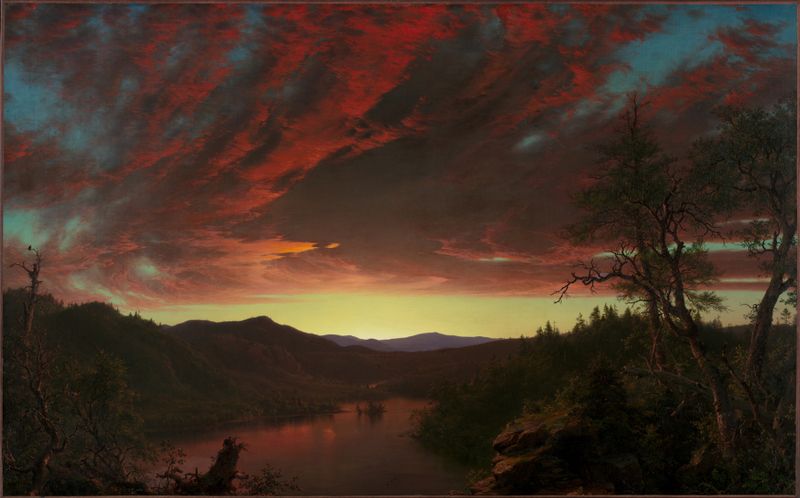
Twilight in the Wilderness
Frederic Edwin Church
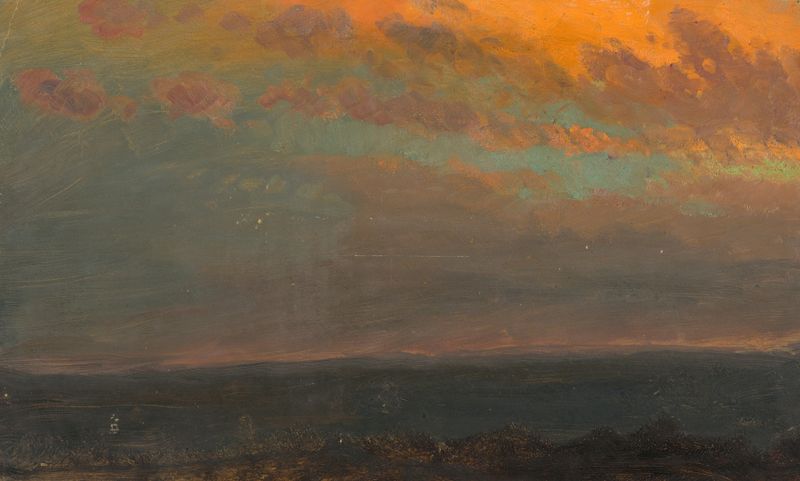
Hudson Valley at Sunset
Frederic Edwin Church
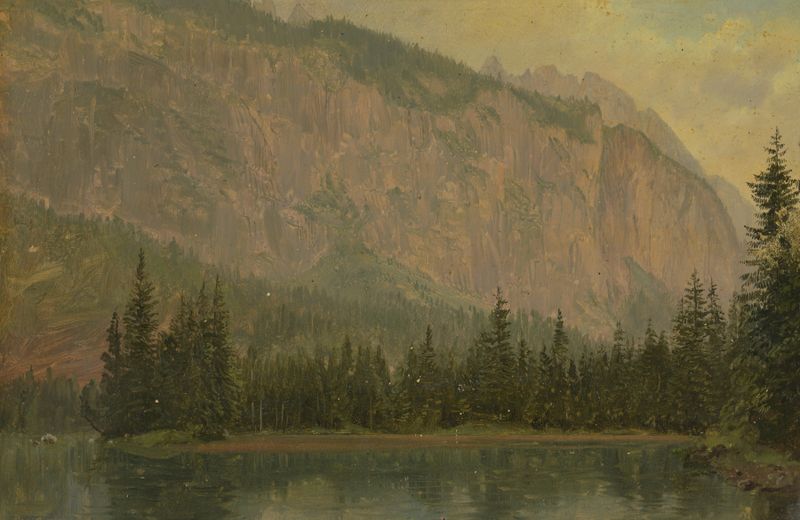
The Hintersee, near Berchtesgaden, Bavaria
Frederic Edwin Church
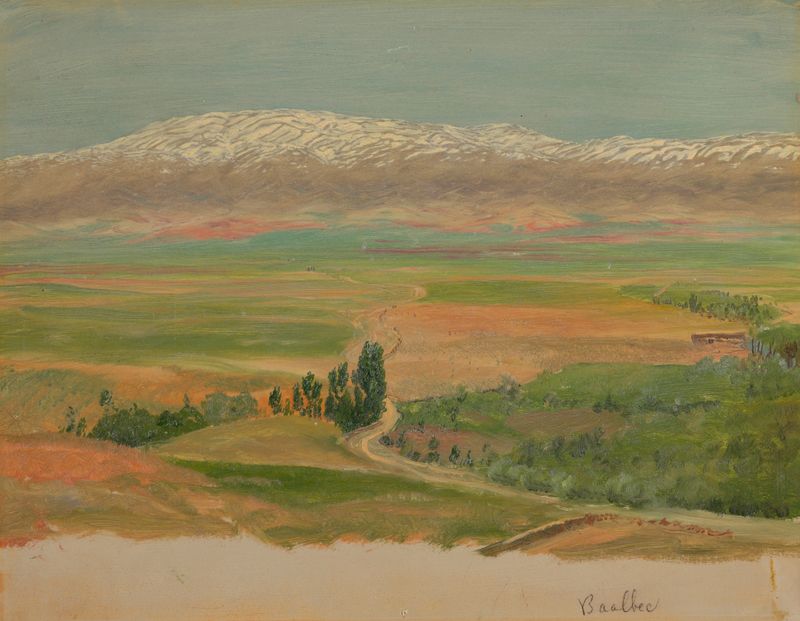
Mountains near Baalbec
Frederic Edwin Church
Aurora Borealis
Frederic Edwin Church
Cotopaxi
Frederic Edwin Church





