
Maine coast, surf — History & Facts
The stillness of nature often reveals deeper truths than words ever could. In this serene moment captured on canvas, the Maine coast transforms into a visceral encounter with the sublime, a reminder of the delicate balance between chaos and tranquility. Look to the left at the gently curling waves, their white froth contrasting dramatically with the deep blues of the ocean. As your gaze travels upward, note the golden light filtering through the clouds, illuminating the rugged cliffs which stand like sentinels over the shoreline.
The artist’s masterful brushwork brings movement to the water, while the vibrant palette enhances the feeling of a fleeting, yet eternal moment, filled with both promise and foreboding. There is a profound dialogue between the elements in this piece. The turbulent surf crashing against the steadfast rocks symbolizes nature's relentless power, while the calm sky above hints at the solace found in nature’s embrace. This juxtaposition evokes a sense of transformation—how the land and sea are in a constant state of becoming.
Each wave, each ray of light serves as a reminder of life's perpetual shifts and the intimate relationship between man and the natural world. In 1845, while painting this piece, the artist found himself at the forefront of the Hudson River School, a movement celebrating American landscapes and their spirituality. During this period, Church was exploring themes of natural beauty and transcendence, influenced by his travels and the growing Western fascination with the American wilderness. This work reflects both his mastery of light and atmosphere and his desire to convey nature’s transformative power.
More Artworks by Frederic Edwin Church
Browse all →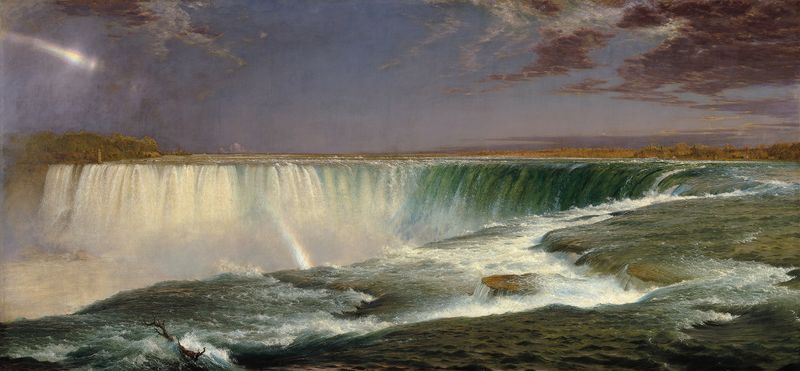
Niagara
Frederic Edwin Church
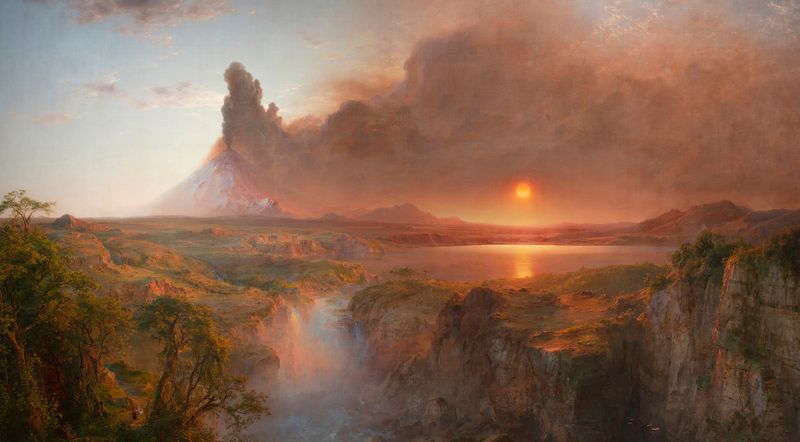
Cotopaxi
Frederic Edwin Church
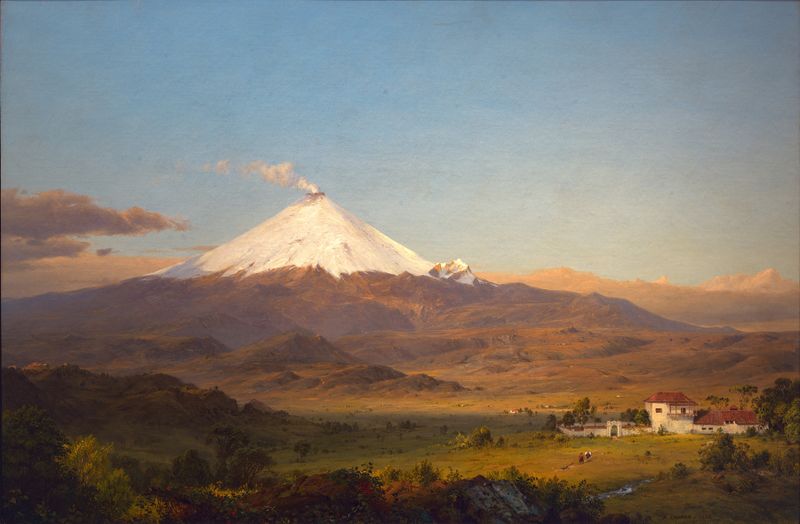
Cotopaxi
Frederic Edwin Church
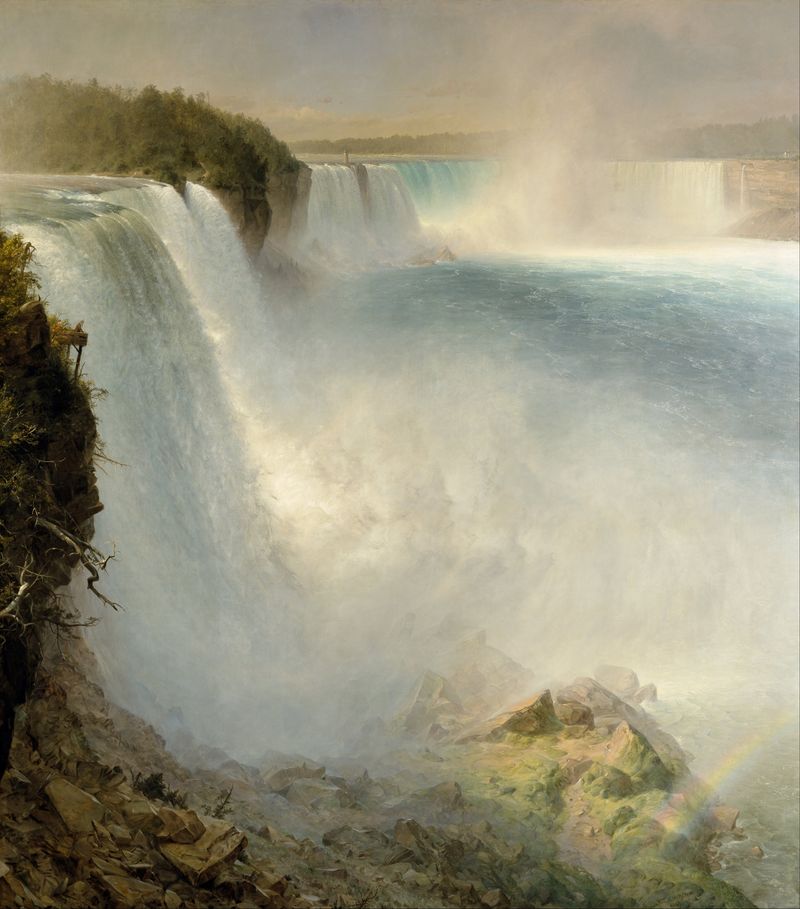
Niagara Falls, from the American Side
Frederic Edwin Church
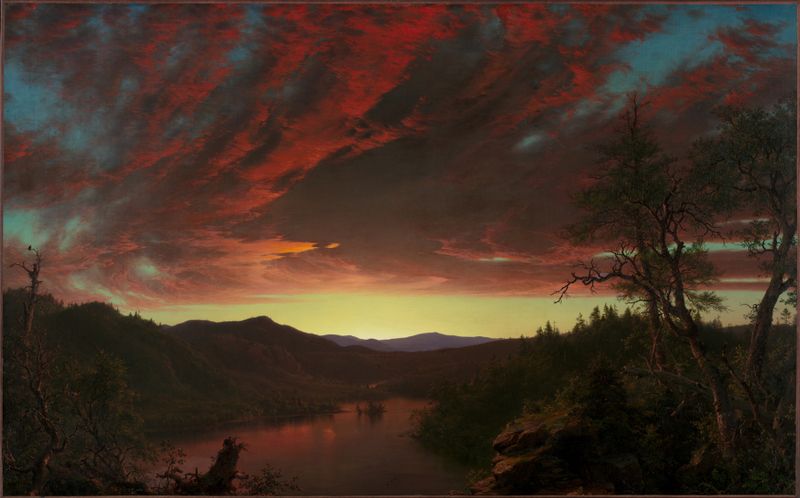
Twilight in the Wilderness
Frederic Edwin Church
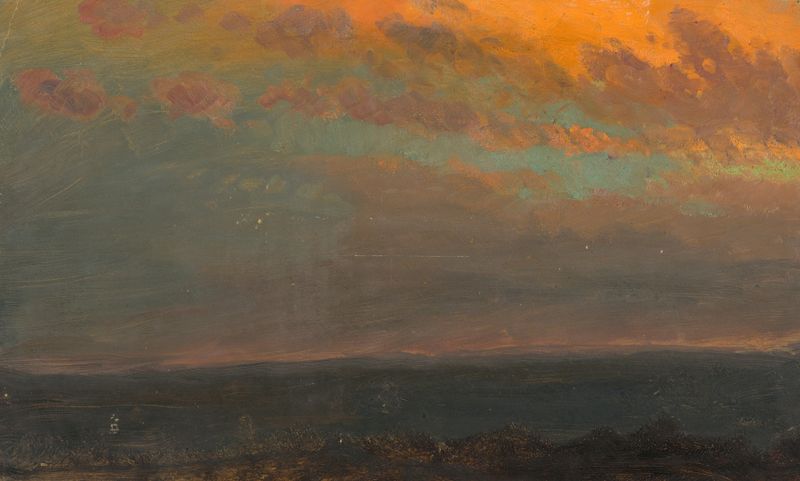
Hudson Valley at Sunset
Frederic Edwin Church
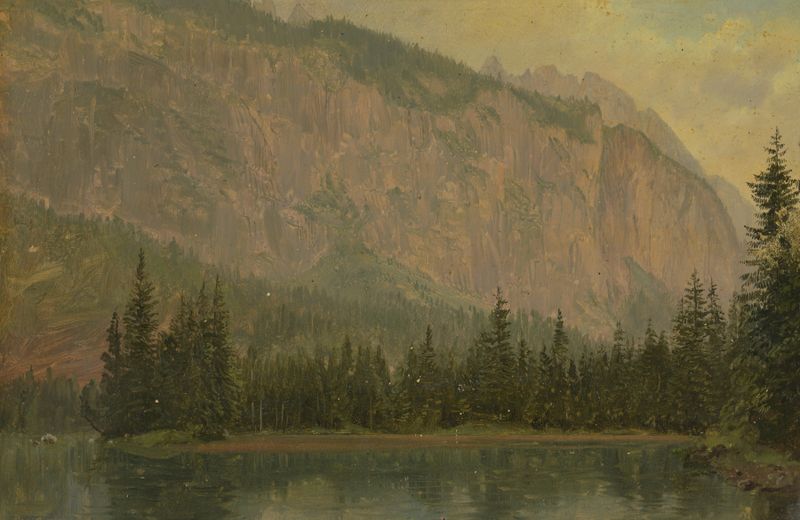
The Hintersee, near Berchtesgaden, Bavaria
Frederic Edwin Church
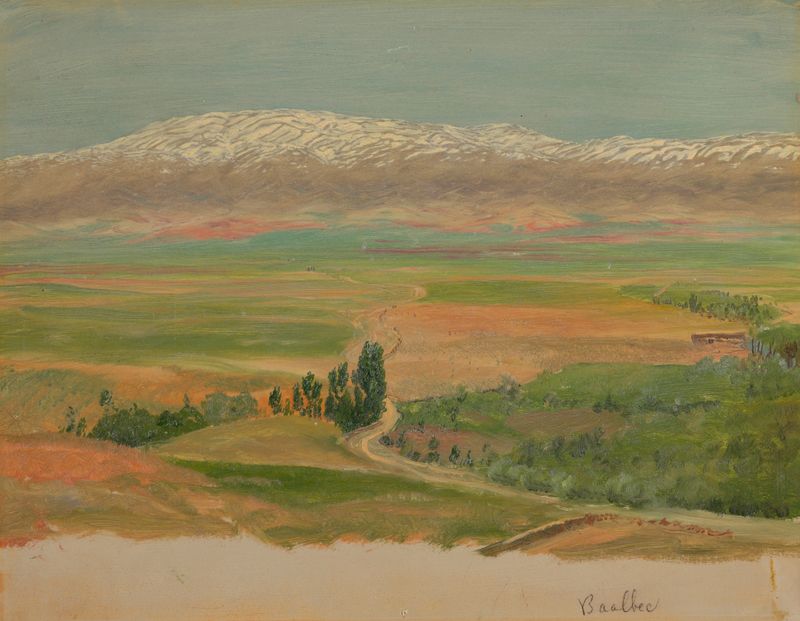
Mountains near Baalbec
Frederic Edwin Church
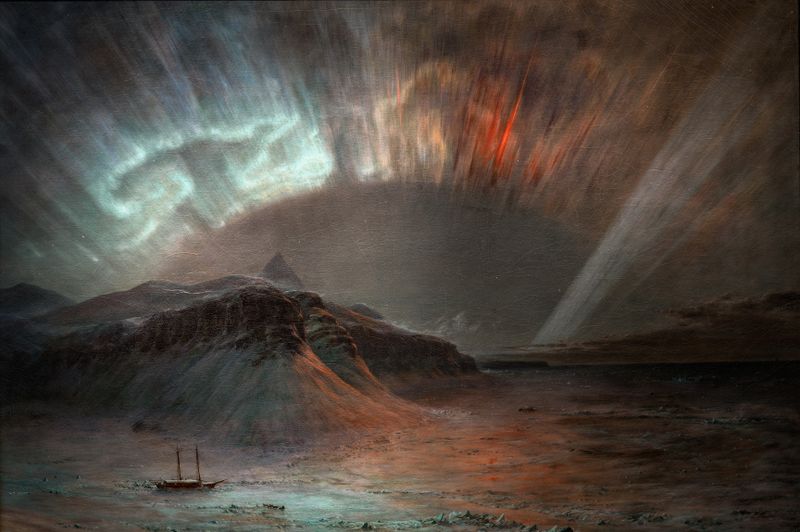
Aurora Borealis
Frederic Edwin Church
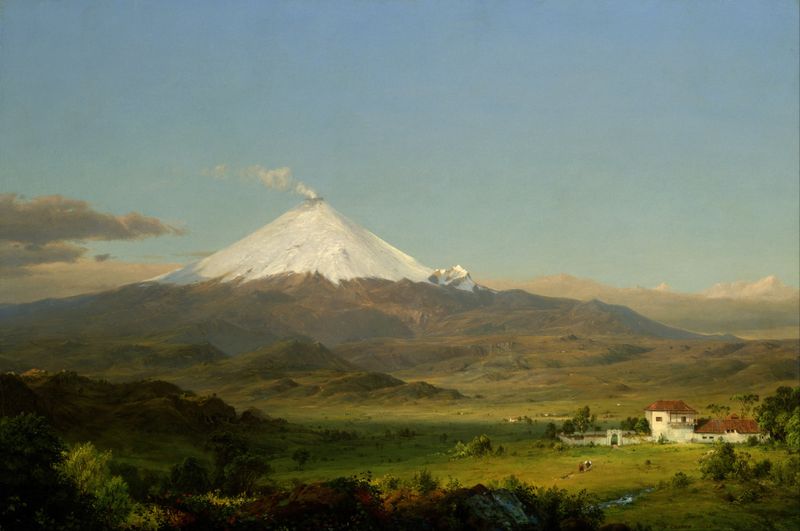
Cotopaxi
Frederic Edwin Church





