
Man leaning over the back of a chair — History & Facts
No other painting by Frans Hals has inspired so much speculation over the sitter’s identity as Man leaning over the back of a chair. For centuries, viewers have wondered whether this relaxed figure was a friend, patron, or perhaps even Hals himself. The work is often cited as a breakthrough in portraiture for its informality, a quality rare in the mid-17th century, when most portraits were stiffly posed.
Its casual pose and direct gaze have led some to call it the first "modern" portrait, though scholars still debate what, if anything, the sitter’s identity meant to Hals. At the heart of the painting is a moment of surprising intimacy: a man, elbow resting on the back of a chair, leans forward as if caught in mid-conversation. His eyes meet ours with a frankness that feels almost conspiratorial, while his half-smile and relaxed posture defy the conventions of the time. The loose, energetic brushwork—especially in the ruffled collar and tousled hair—suggests movement and immediacy, qualities that set Hals apart from contemporaries like Rembrandt, whose portraits often emphasize psychological depth through shadow and stillness.
Here, the light falls across the sitter’s face, highlighting the ruddy cheeks and sparkling eyes, inviting us into a fleeting, personal exchange. The precise origins of Man leaning over the back of a chair remain uncertain. No commission records survive, and the medium is still debated, though it is likely oil on canvas, as with most of Hals’s mature works. The painting’s provenance is patchy before the 19th century, when it began to appear in Dutch private collections, and it has since been exhibited in major European museums.
Today, it is celebrated as a defining example of Hals’s late style, marking a shift toward greater freedom and informality in portraiture—a legacy that would echo through the centuries.
More Artworks by Frans Hals

Banquet of the Officers of the St George Civic Guard
Frans Hals

Portrait of Jacob Pietersz Olycan (1596-1638)
Frans Hals
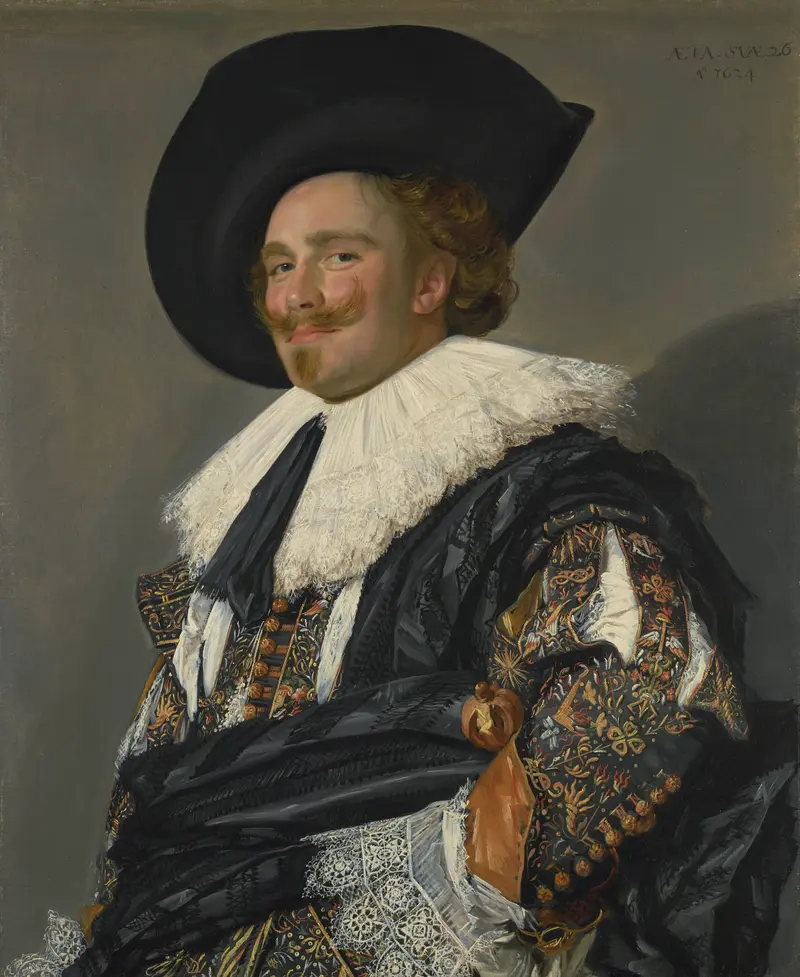
Laughing Cavalier
Frans Hals

Militia Company of District XI under the Command of Captain Reynier Reael, Known as ‘The Meagre Company’
Frans Hals
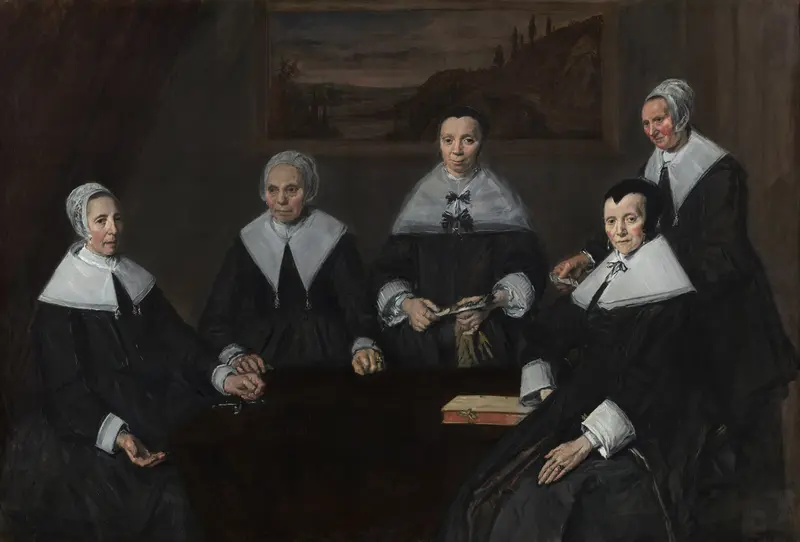
Regentesses of the Old Men's Alms House
Frans Hals
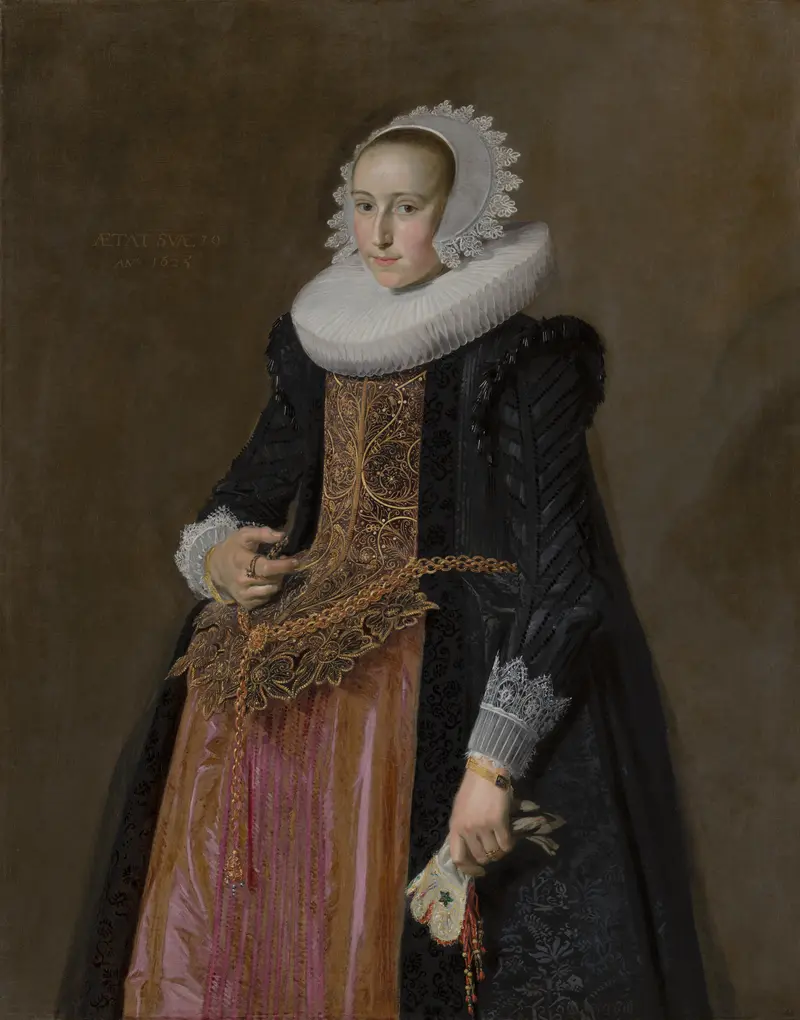
Portrait of Aletta Hanemans (1606–1653)
Frans Hals
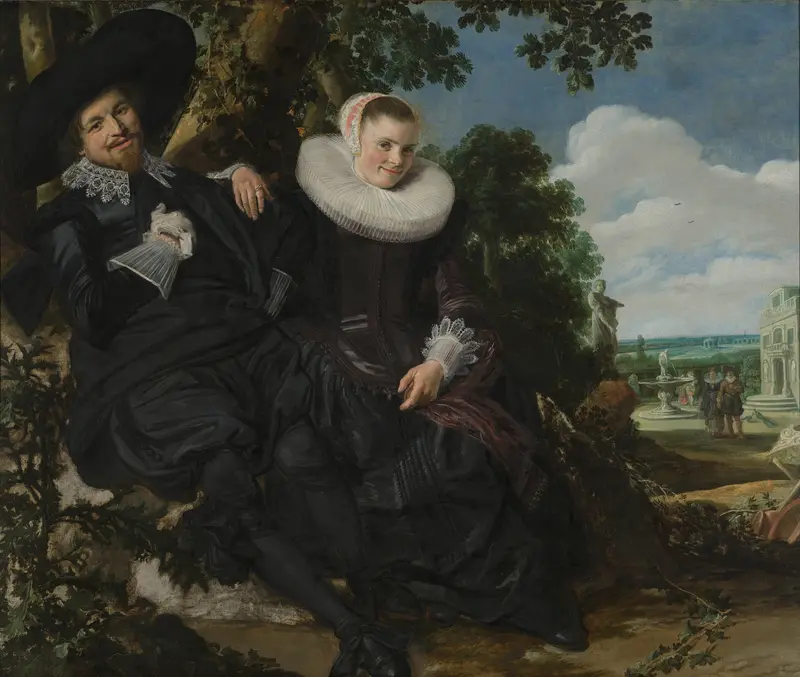
Portrait of a Married Couple, Likely Isaac Abrahamsz Massa and Beatrix van der Laen
Frans Hals
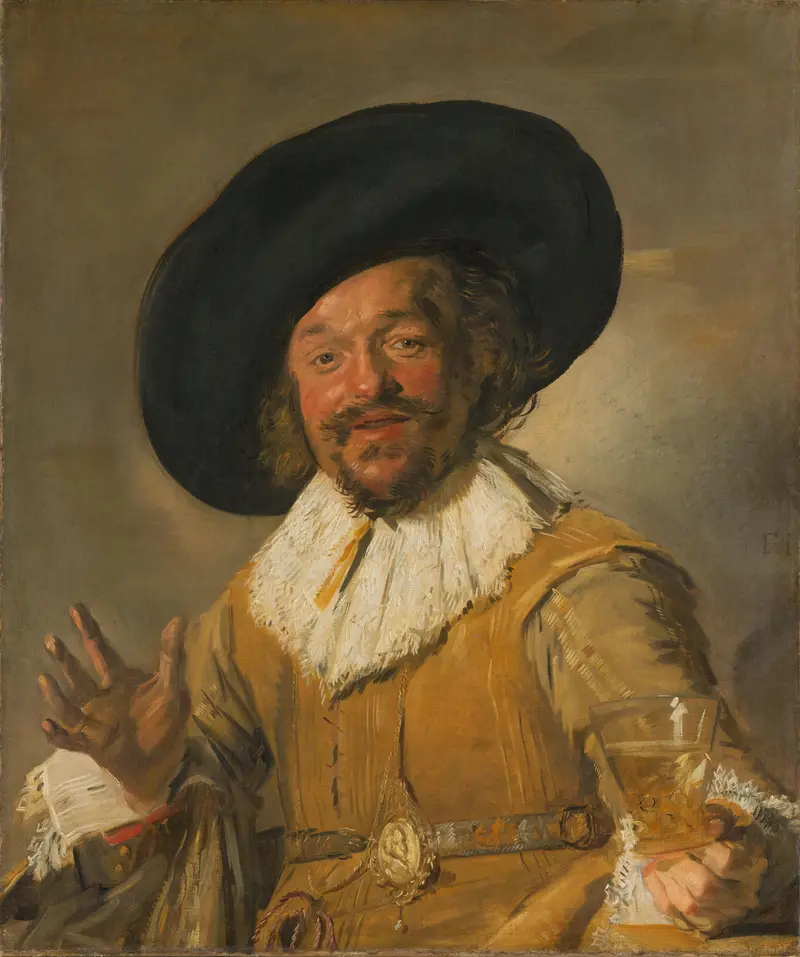
The Merry Drinker
Frans Hals
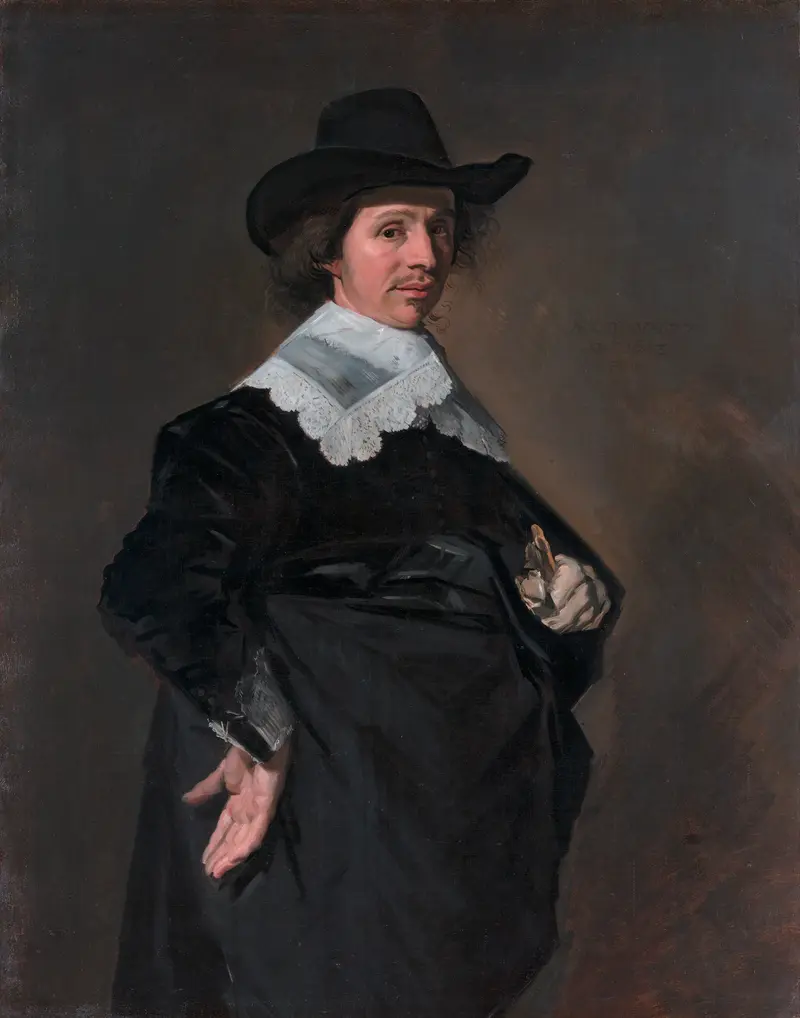
Portrait of Paulus Verschuur
Frans Hals
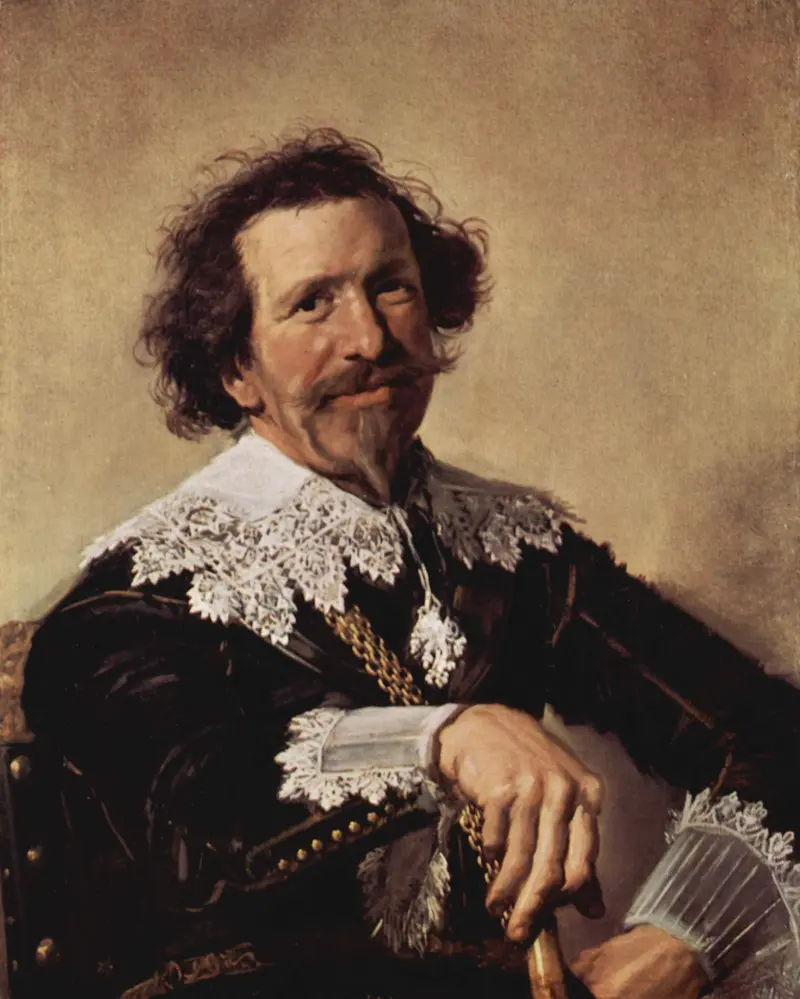
Portrait of Pieter van den Broecke
Frans Hals





