
Man with Raised Arm Behind a Parapet — History & Facts
No one knows for certain who first gazed upon Man with Raised Arm Behind a Parapet by Simon Vouet, or even why it was painted—its date, purpose, and original setting remain a mystery that continues to intrigue art historians. What is clear, however, is that the painting’s enigmatic figure has sparked debate: some see in his gesture a call to arms, others a signal of warning or command. The absence of documentation has only deepened the fascination, making this work a touchstone for discussions about Vouet’s early years and the shifting fortunes of artists in seventeenth-century Europe. The moment Vouet has frozen is one of tension and anticipation.
A man, half-shielded by a stone parapet, thrusts his arm upward, his gaze fixed beyond the viewer’s sightline. The raised arm could be a rallying cry or a gesture of alarm, while the parapet suggests a scene of defense—perhaps a siege, a watchman’s post, or a biblical episode of vigilance. The strong, directional light carves the figure from shadow, heightening the sense of immediacy and danger.
Unlike the theatrical, multi-figure compositions of Caravaggio, to whom Vouet is often compared, here the drama is distilled into a single, ambiguous gesture. Little is known of the painting’s journey through time. Its attribution to Simon Vouet has been widely accepted, though some scholars have questioned whether it might be the work of a follower or studio assistant, given the lack of signature or documentation. The painting’s medium and dimensions are also undocumented, leaving its original context—private devotion, public commission, or study—open to speculation.
Today, Man with Raised Arm Behind a Parapet stands as a testament to Vouet’s skill at capturing psychological intensity with minimal means, and as a reminder of how much remains to be discovered about the careers of even the most celebrated artists of the Baroque era.
More Artworks by Simon Vouet

Portrait of Louis XIII
Simon Vouet
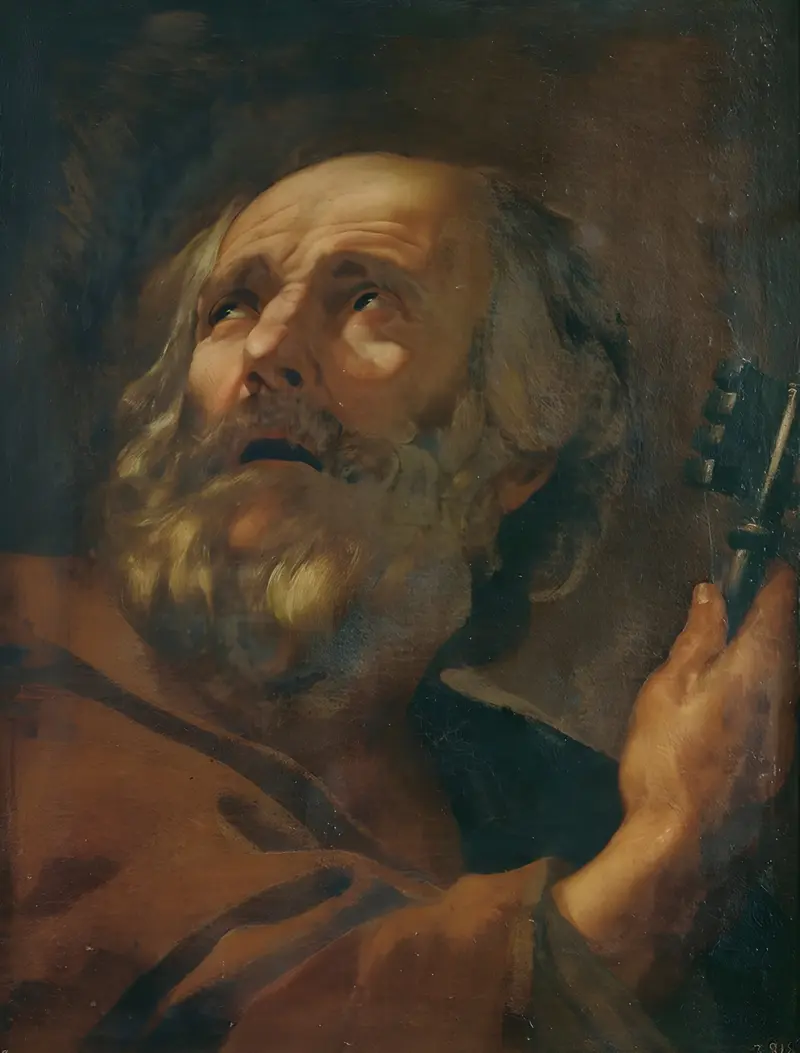
Saint Peter
Simon Vouet
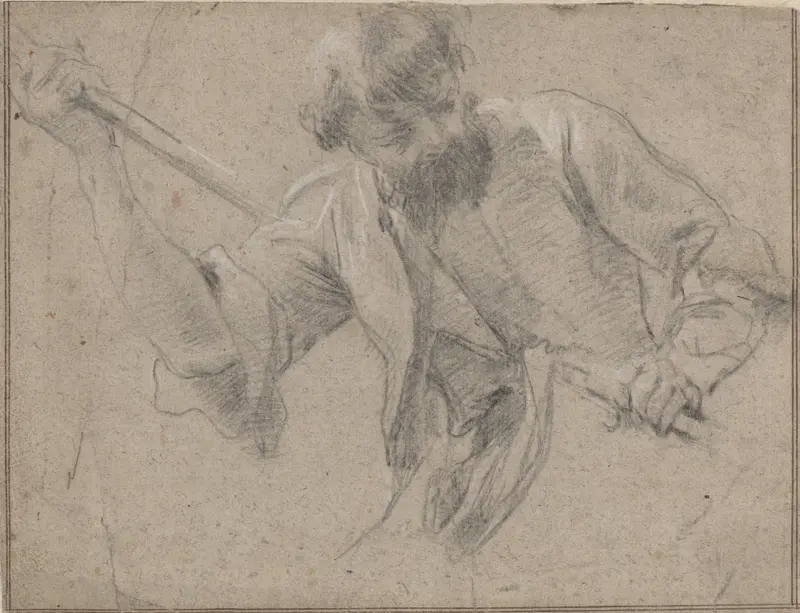
A Bearded Man with a Staff
Simon Vouet
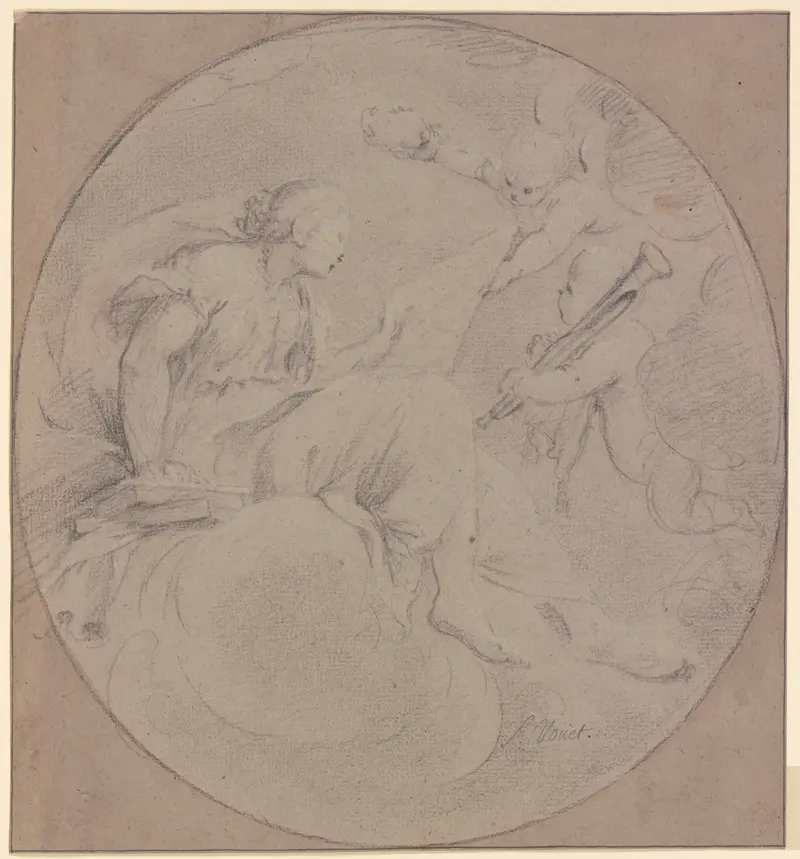
Die Muse der Musik mit zwei Genien, deren einer eine Trompete trägt
Simon Vouet
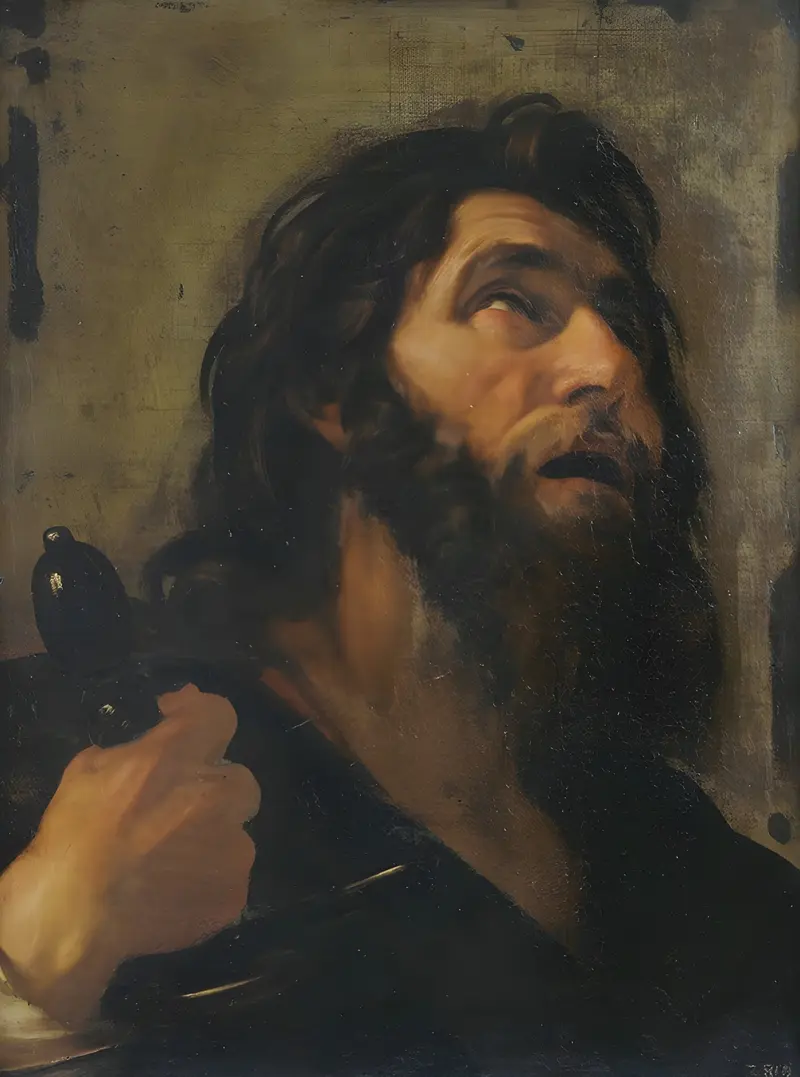
Saint Paul
Simon Vouet
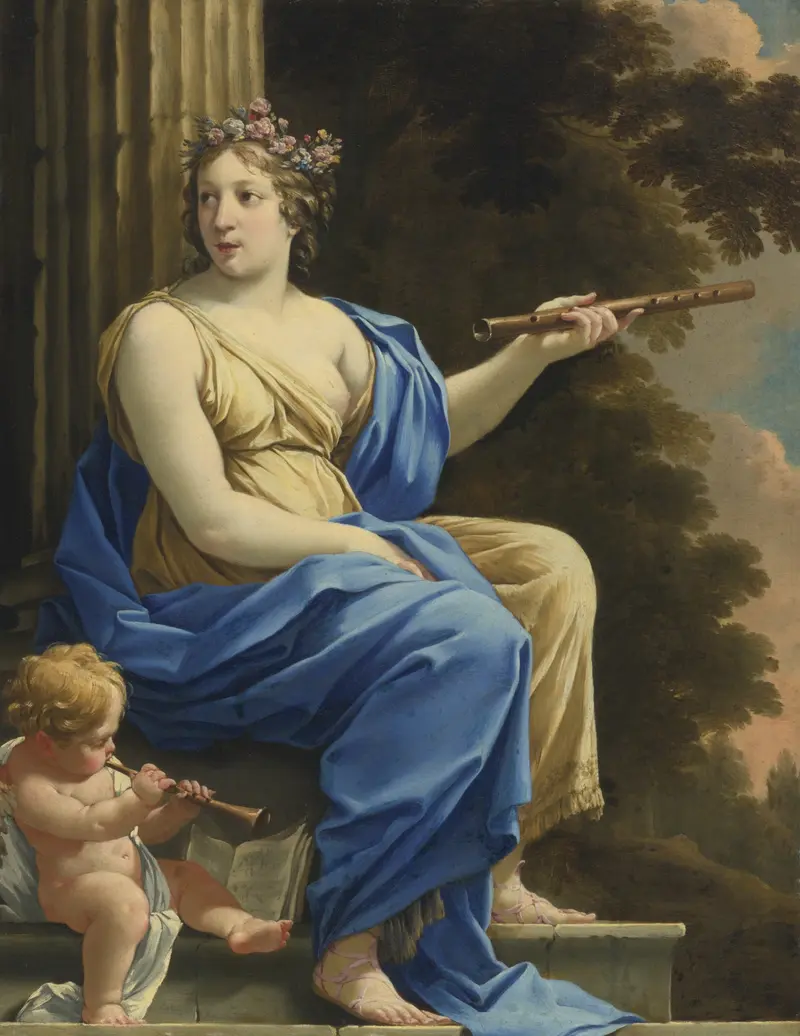
Euterpe, The Muse Of Music And Lyric Poetry
Simon Vouet
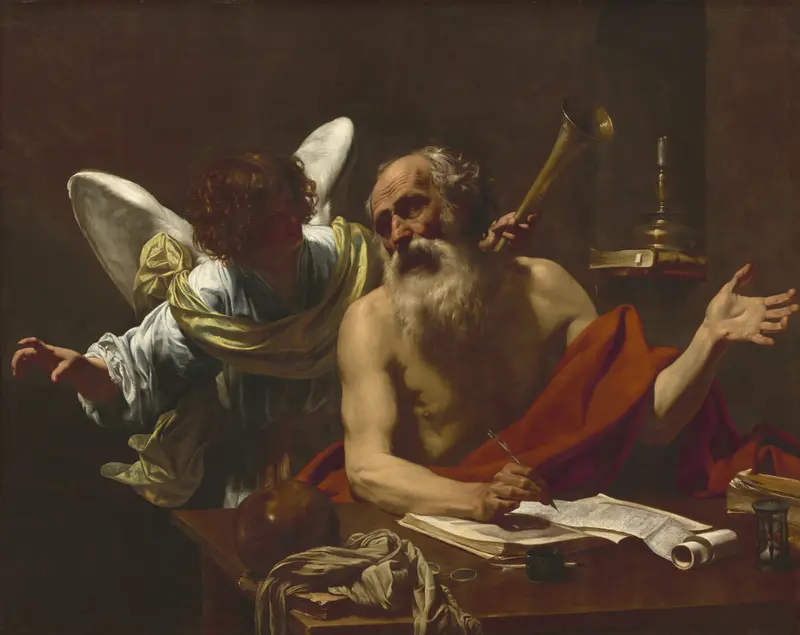
Saint Jerome and the Angel
Simon Vouet
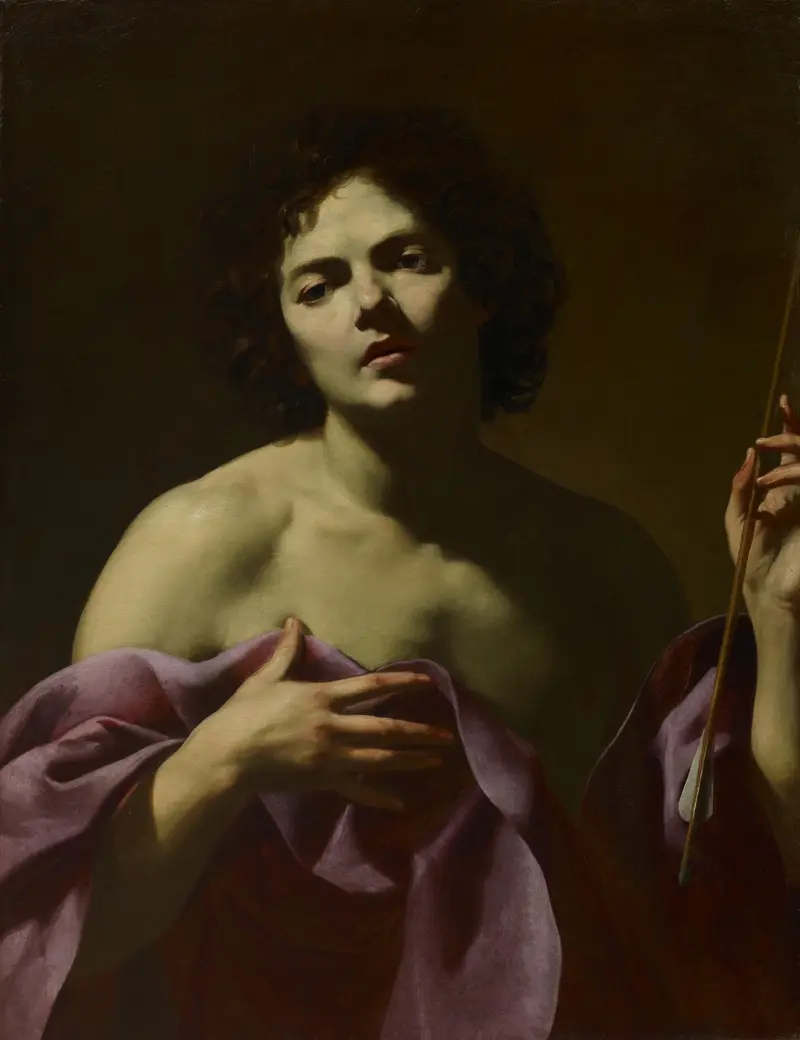
Saint Sebastian
Simon Vouet
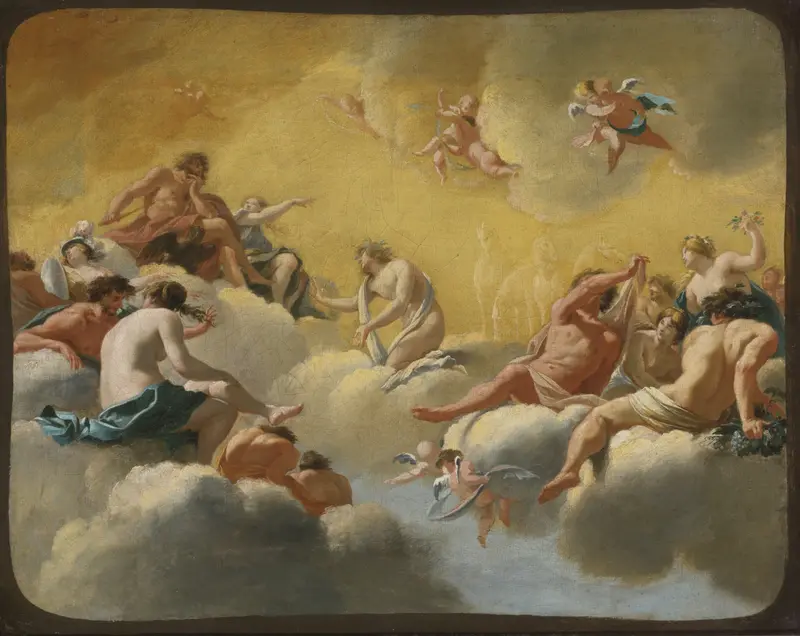
Assembly Of The Gods
Simon Vouet
Madonna and Child
Simon Vouet



