
Mannen aan wal wijzend naar schepen op het water — History & Facts
Can paint confess what words never could? In Mannen aan wal wijzend naar schepen op het water, the delicate strokes whisper tales of longing, memory, and the human connection to the sea. Look closely at the figures positioned along the riverbank; their tense postures and outstretched arms form a bridge between land and water. Notice how the artist uses a muted palette of earthy tones and soft blues, evoking a sense of stillness and contemplation. The contrast between the solidity of the shore and the ephemeral nature of the ships underscores a profound longing, drawing the viewer's eye to the interaction between these different realms. As you delve deeper, consider the expressions on the figures’ faces, a blend of curiosity and yearning.
The water, rendered with fluid grace, symbolizes both opportunity and the unknown, suggesting an elusive promise that never fully materializes. Here, Hollar captures the bittersweet essence of memory — a moment frozen in time, yet infused with unfulfilled dreams. Created between 1627 and 1636, Hollar's work emerged during a period of significant artistic transformation in Europe, marked by the Baroque's emerging emphasis on realism and emotional depth. Living in Antwerp at the time, he was influenced by the vibrant artistic atmosphere and the burgeoning interest in landscape and marine themes, reflecting a world that was both expanding and introspective.
More Artworks by Wenceslaus Hollar
Browse all →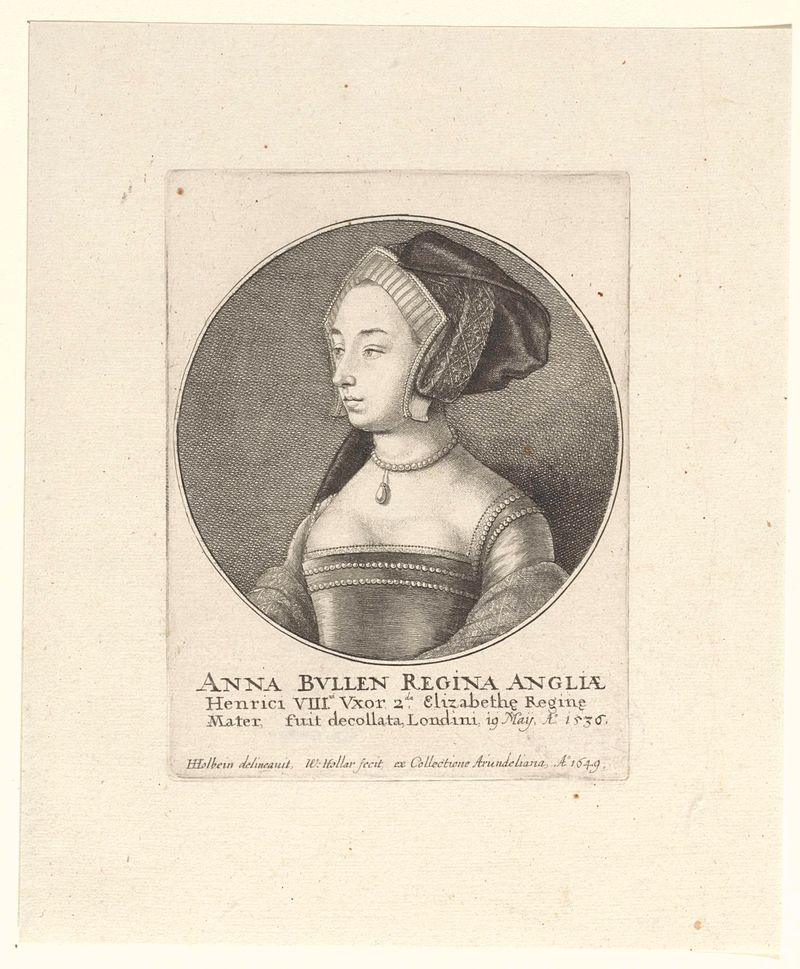
Portret van Anna Boleyn, koningin van Engeland
Wenceslaus Hollar
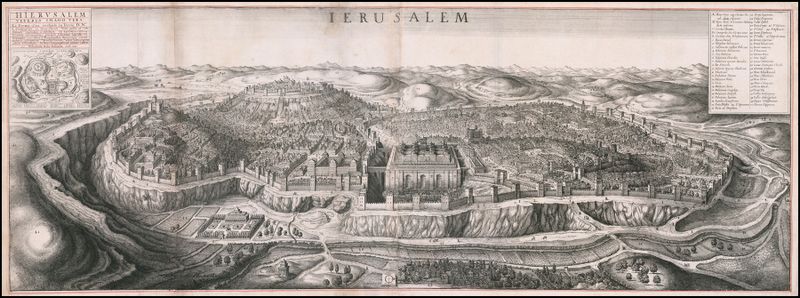
Bird’s eye view of Jerusalem
Wenceslaus Hollar
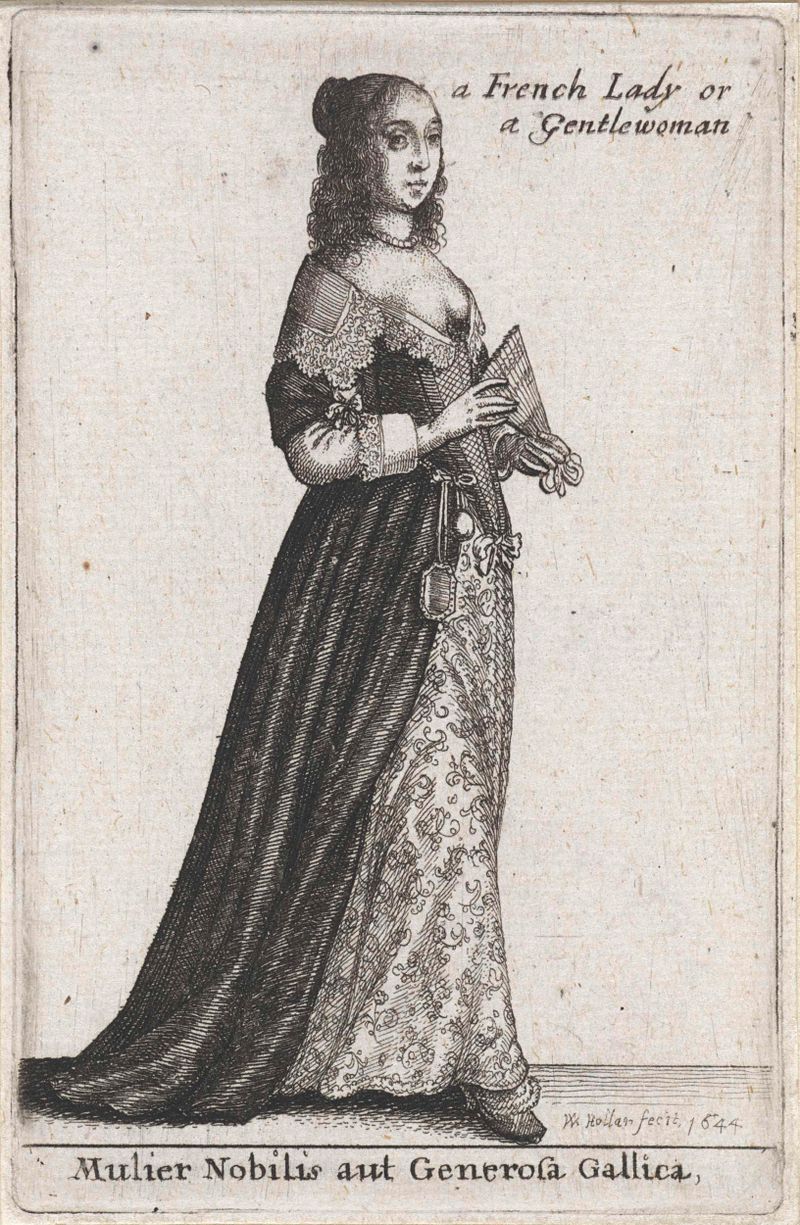
Mulier Nobilis aut Generosa Gallica / a French Lady or Gentlewoman
Wenceslaus Hollar
Titelprent voor: Ornatus Muliebris Anglicanus
Wenceslaus Hollar
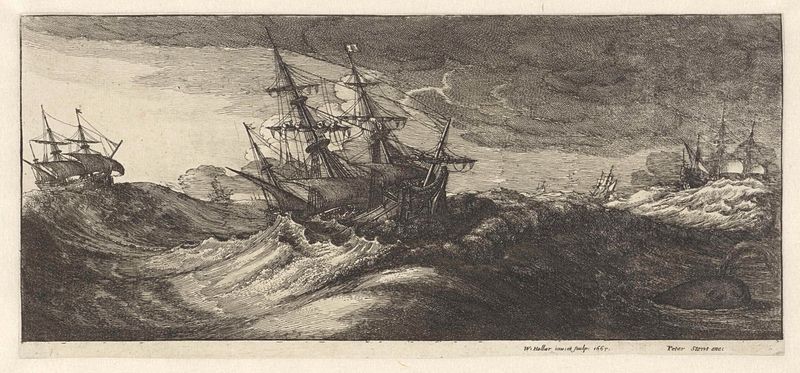
Oorlogsschepen en een walvis in een zeestorm
Wenceslaus Hollar
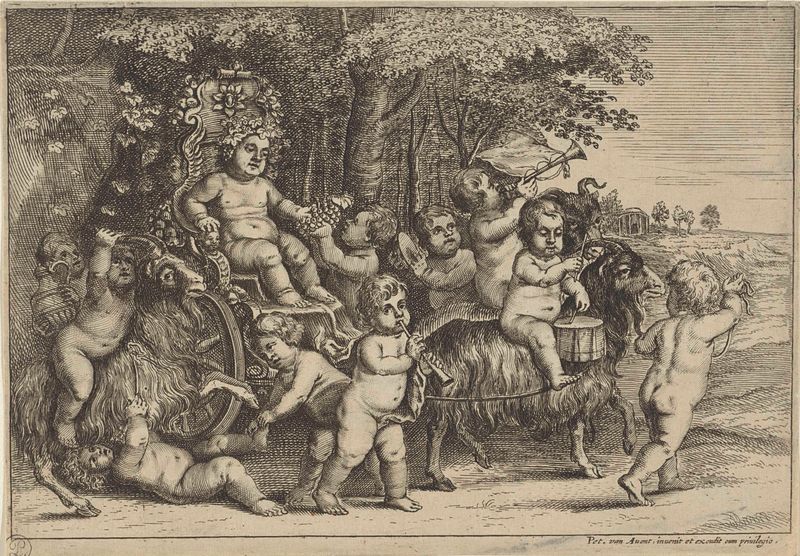
Optocht van bacchant en jongetjes op geiten
Wenceslaus Hollar
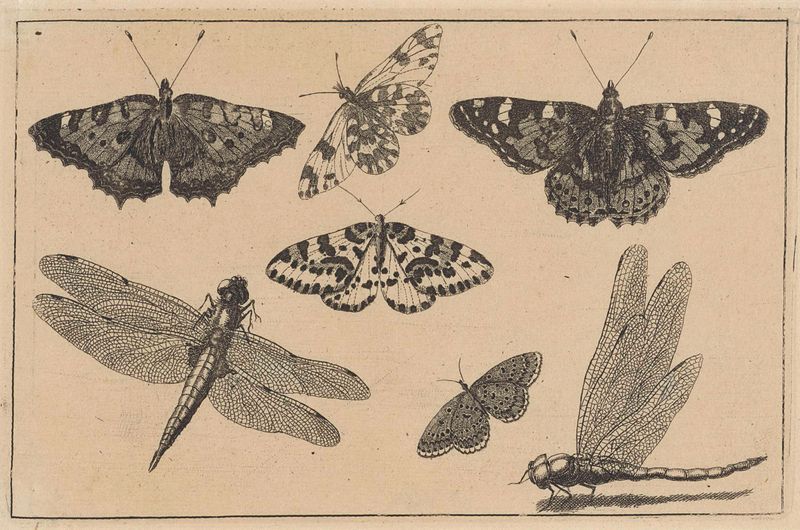
Twee libellen en vijf vlinders
Wenceslaus Hollar
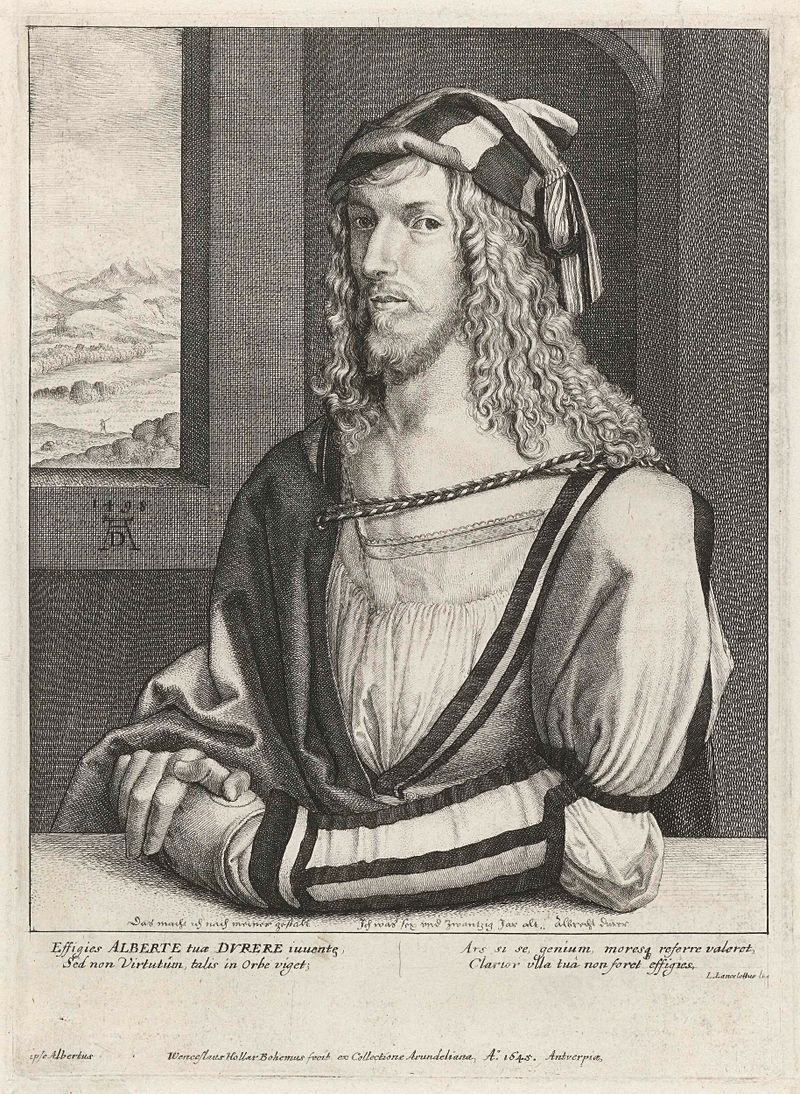
Portret van Albrecht Dürer
Wenceslaus Hollar
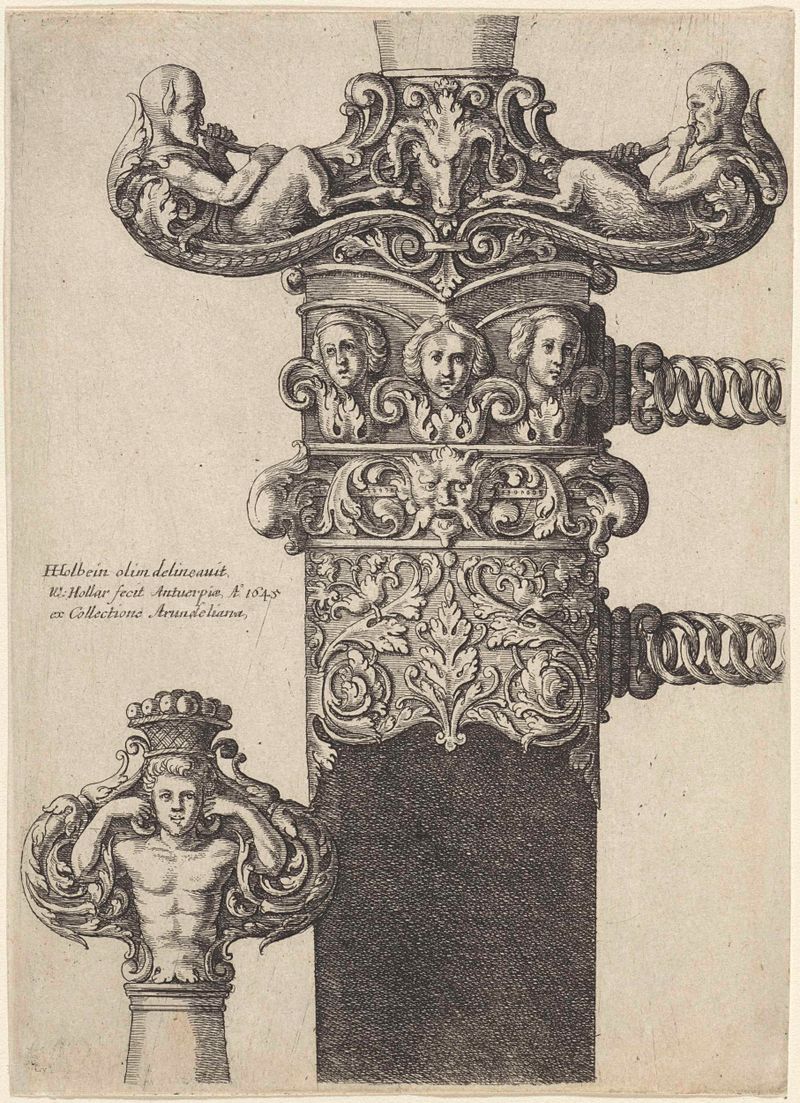
Ornamenteel ontwerp voor een dolk
Wenceslaus Hollar
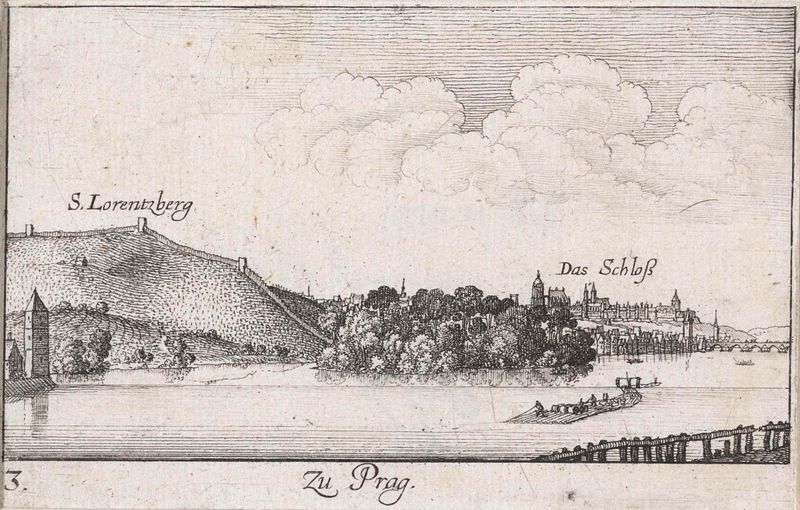
Gezicht op Praag vanaf de Moldau
Wenceslaus Hollar





