
Mannen en een muilezel bij de Via Appia — History & Facts
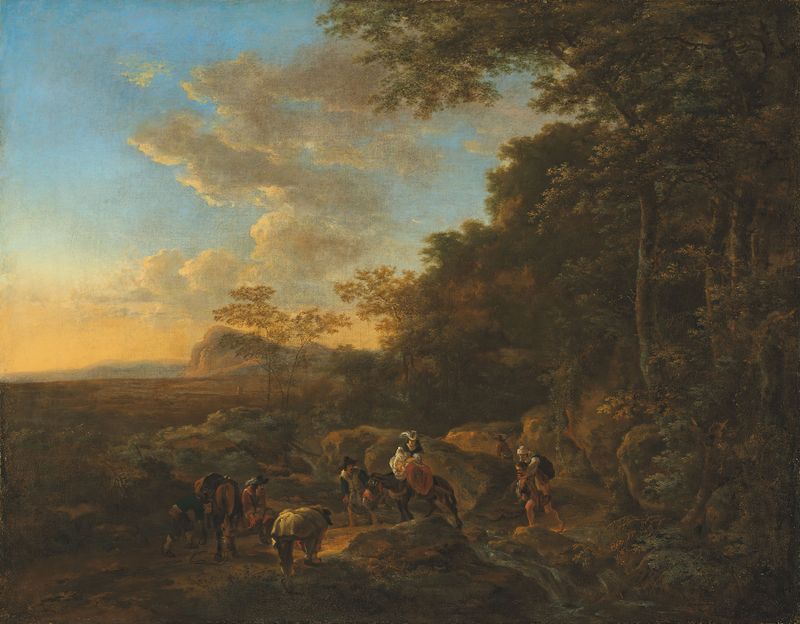
In the quiet resonance of Mannen en een muilezel bij de Via Appia, desire emerges not only as a yearning for movement but also as a longing for connection, beckoning us to ponder what lies beneath the surface. Look to the center of the composition, where figures traverse the ancient Roman road, illuminated by soft, golden light. The earthy tones of ochre and olive green create a contemplative atmosphere, inviting the viewer to explore the gentle contrasts between the figures and their surroundings. Notice how the light highlights the texture of the terrain, echoing the weight of the journey while framing the mule's sturdy form, a vessel of labor and unspoken companionship. Beneath this pastoral scene lies a narrative of aspiration and bonding.
The figures embody the contrast between man and nature, hinting at a harmonious relationship that thrives amidst the burdens of travel. The leisurely pace, coupled with the serene landscape, speaks to the deeper desire for a simpler existence, one where the journey is as significant as the destination. The presence of the mule signifies not just a mode of transport but a shared commitment to move forward together in life’s endeavors. Created between 1644 and 1652, this work emerged during a time when Jan Both was deeply engaged in portraying the Italian landscapes that captured his imagination.
Living in Utrecht, he was influenced by the burgeoning interest in the natural world and the integration of human figures into serene landscapes, reflecting the Baroque era's fascination with both realism and emotion. The painting reflects a bridge between his studies of nature and a poetic representation of human experience.
More Artworks by Jan Both
Browse all →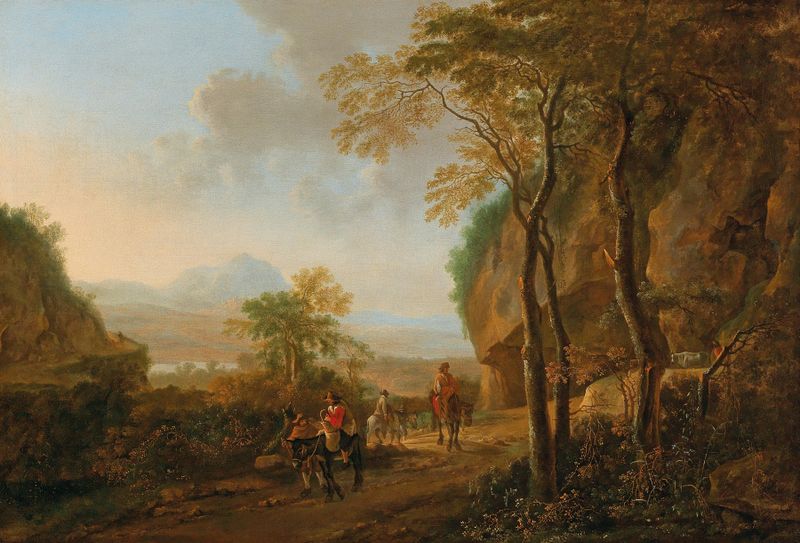
An Italianate landscape with travellers
Jan Both
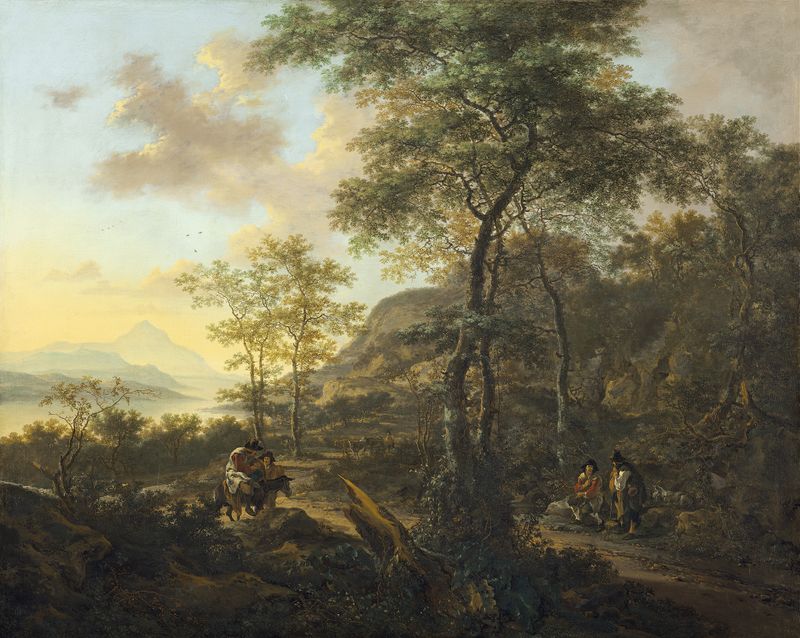
An Italianate Evening Landscape
Jan Both
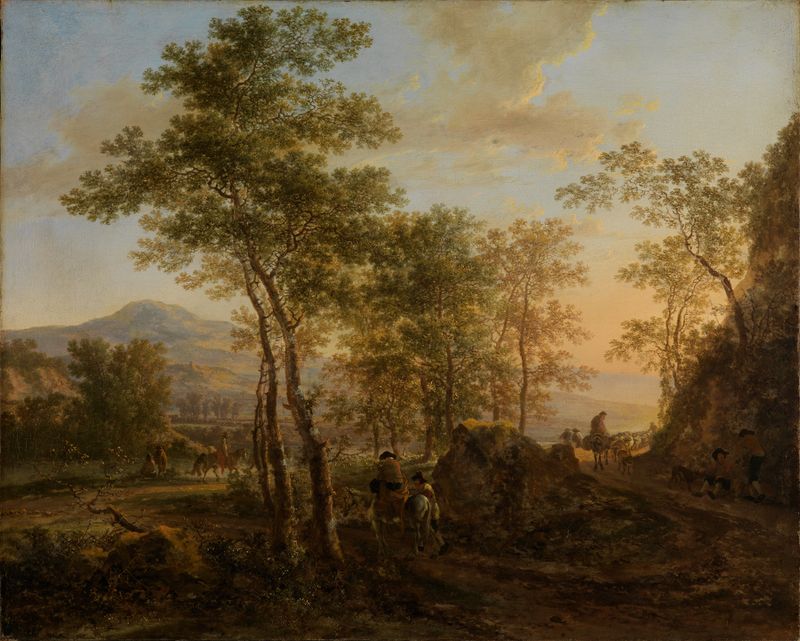
Italienische Landschaft am Abend
Jan Both
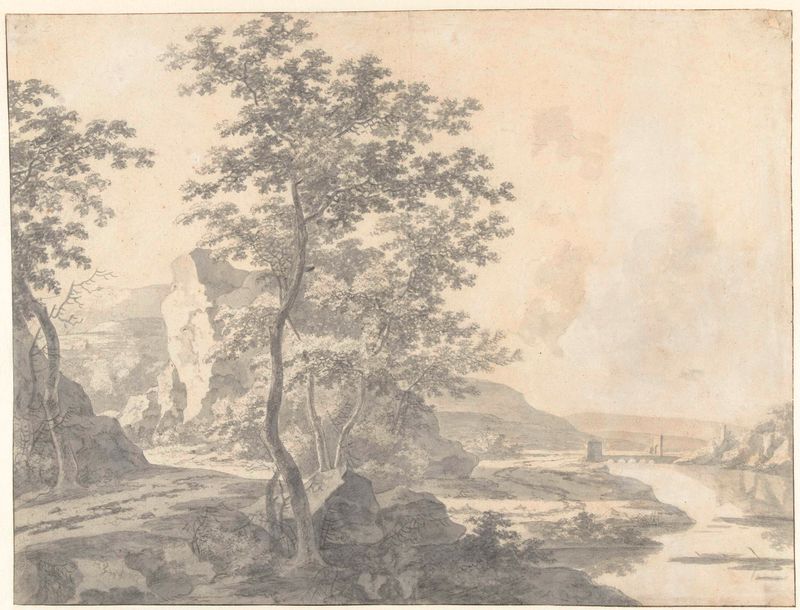
Italiaans landschap
Jan Both
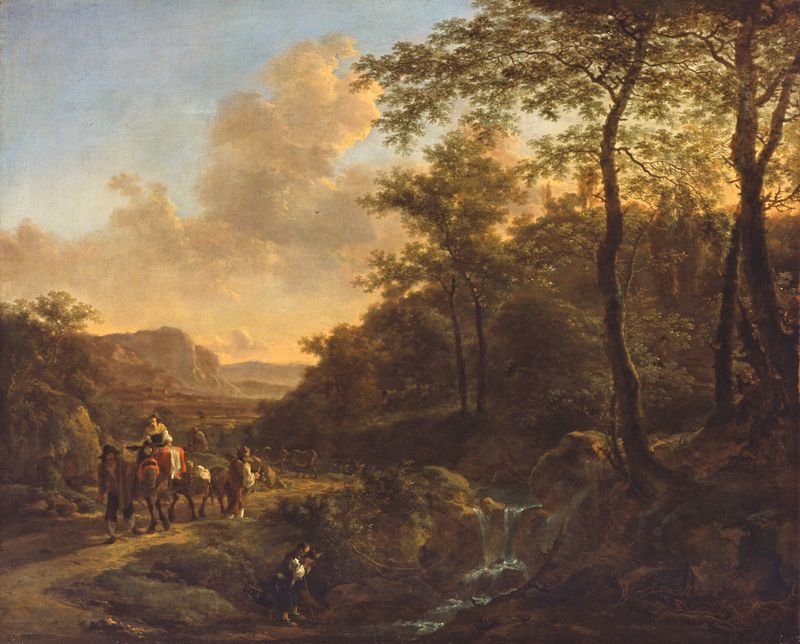
Scene of the Roman Campagna
Jan Both
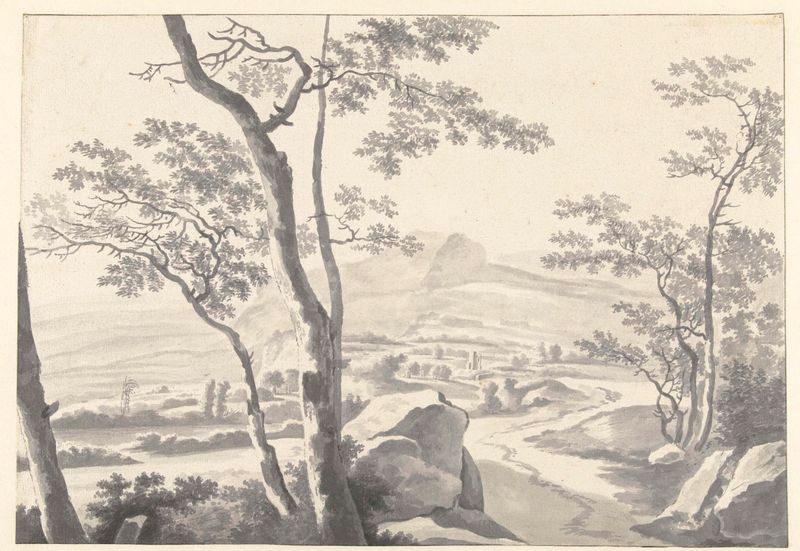
Landschap
Jan Both
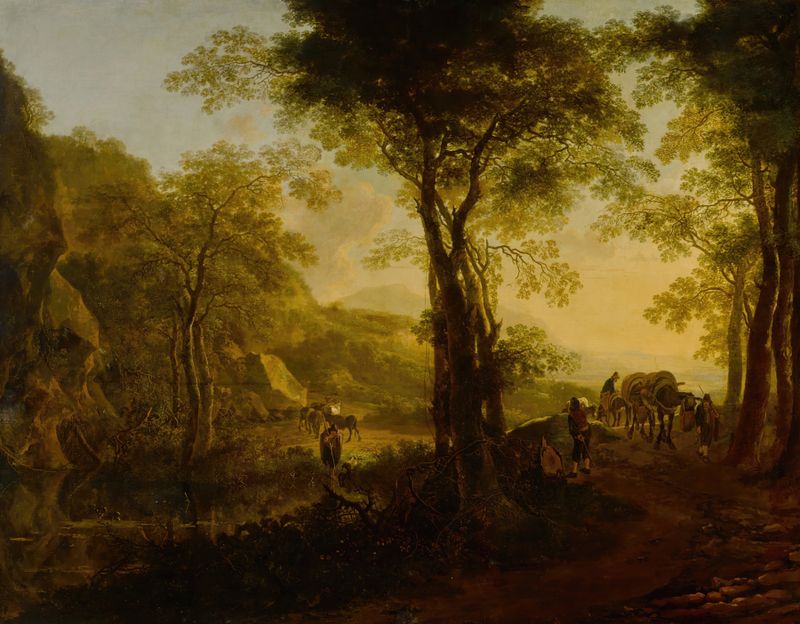
Italianate landscape at sunset, with travelers on a country road
Jan Both
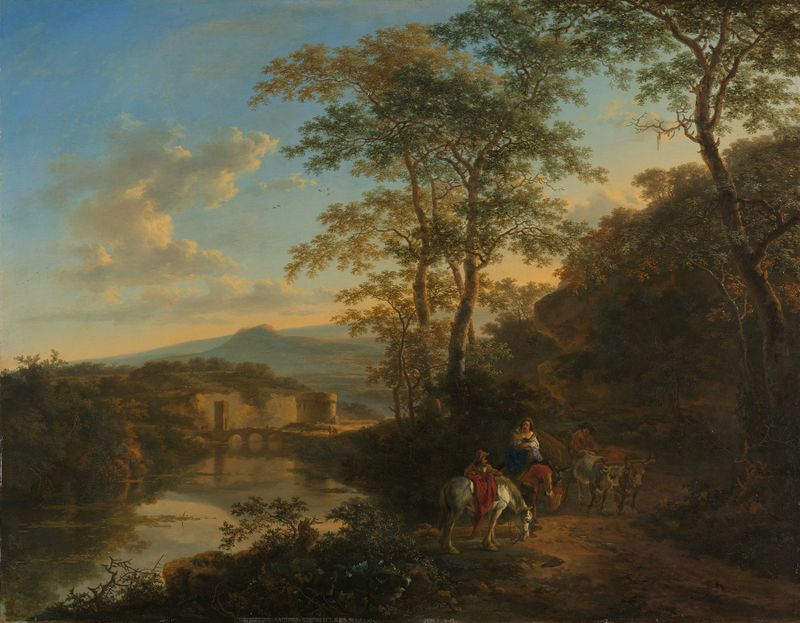
Italian Landscape with the Ponte Lucano over the Aniene River
Jan Both
A wooded landscape with travellers crossing a ford
Jan Both

Italian Landscape
Jan Both





