
Manon Balletti — History & Facts
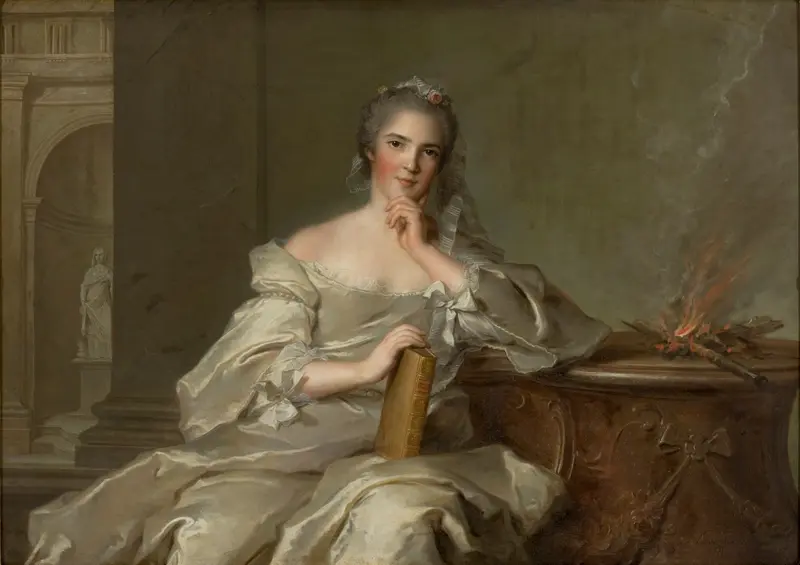
What first holds the gaze here is the quiet confidence in the sitter’s eyes—a look that seems to meet the viewer halfway, inviting conversation rather than commanding attention. The delicate flush of her cheeks and the gentle play of light across her skin draw us in, while the single pink rose pinned at her bodice becomes an emblem of youth and perhaps of a private hope. The artist’s hand lingers on textures: the crisp sheen of blue silk, the soft transparency of lace, and the tiny pearls that edge her dress.
Nothing in the background distracts from her presence; all is arranged to focus on this poised moment, as if she has paused just long enough for us to remember her. Painted in 1757, this portrait of Manon Balletti belongs to the world of mid-eighteenth-century France, when portraits were both social currency and intimate record. The sitter’s identity—Mlle Marie-Madeleine Balletti, known as Manon, briefly fiancée to Giacomo Casanova and later wife to Jacques-François Blondel—reminds us how such images marked life’s turning points, often commissioned for betrothals or marriages. In this era, artists like Jean-Marc Nattier specialized in capturing not only likeness but also the ideals and aspirations of their sitters, blending fashion, allegory, and personal symbolism.
Though history has kept few traces of this particular portrait’s journey, its survival lets us glimpse the grace and self-possession prized in a vanished world—one that still looks out at us, undimmed.
More Artworks by Jean-Marc Nattier

Madame Crozat de Thiers and Her Daughter
Jean-Marc Nattier
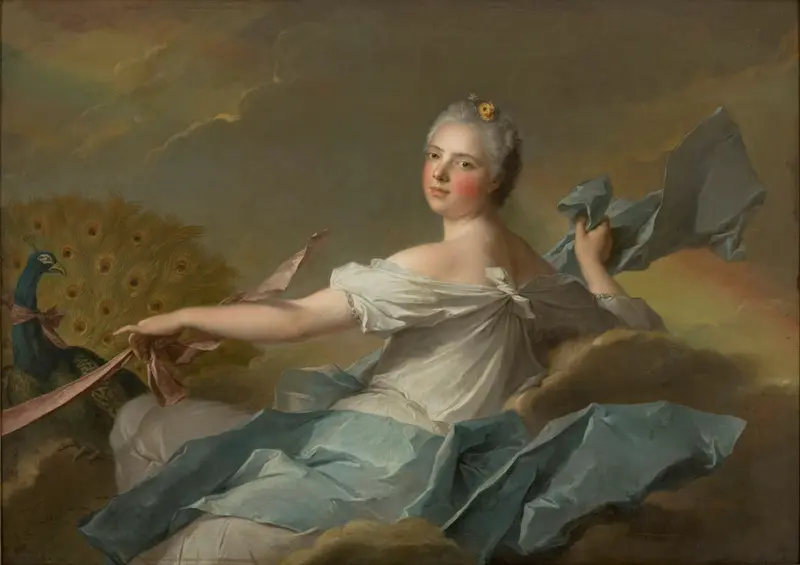
Princess Marie Adélaïde of France - The Air
Jean-Marc Nattier
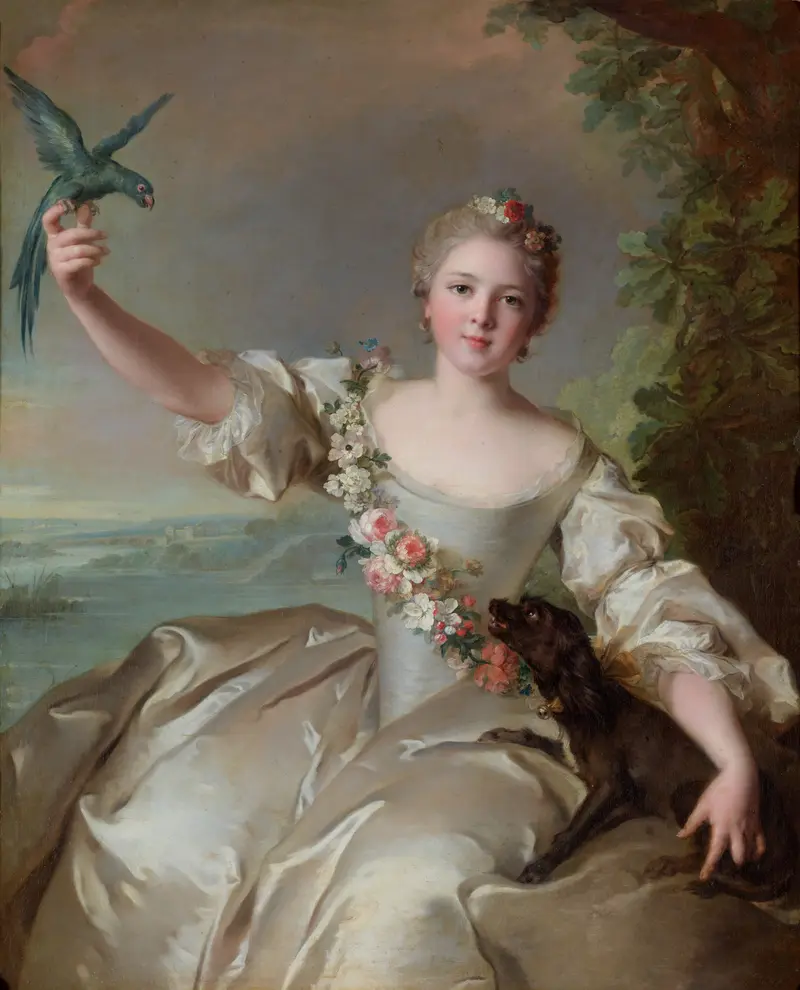
Portrait de Mathilde de Canisy, marquise d'Antin
Jean-Marc Nattier
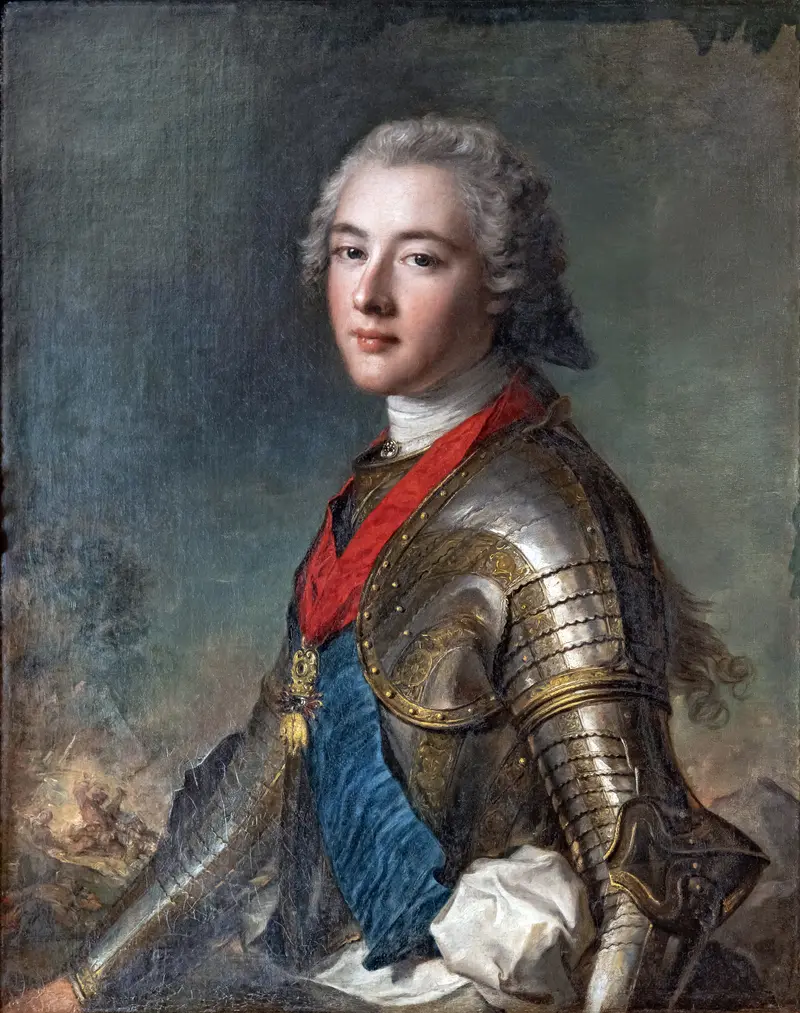
Bemberg Fondation Toulouse - Portrait de Louis Jean Marie de Bourbon, Duc de Penthièvre - Jean Marc Nattier inv.1158 82x65.4
Jean-Marc Nattier
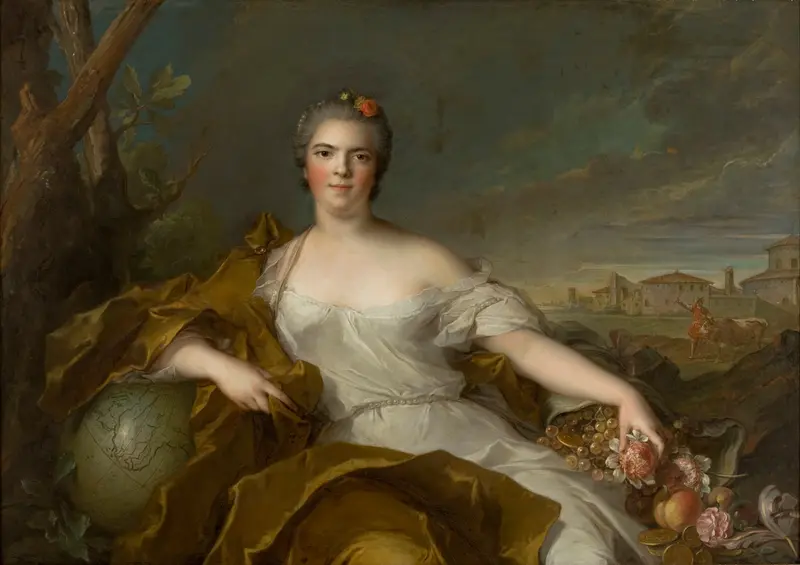
Princess Louise-Élisabeth of France - The Earth
Jean-Marc Nattier
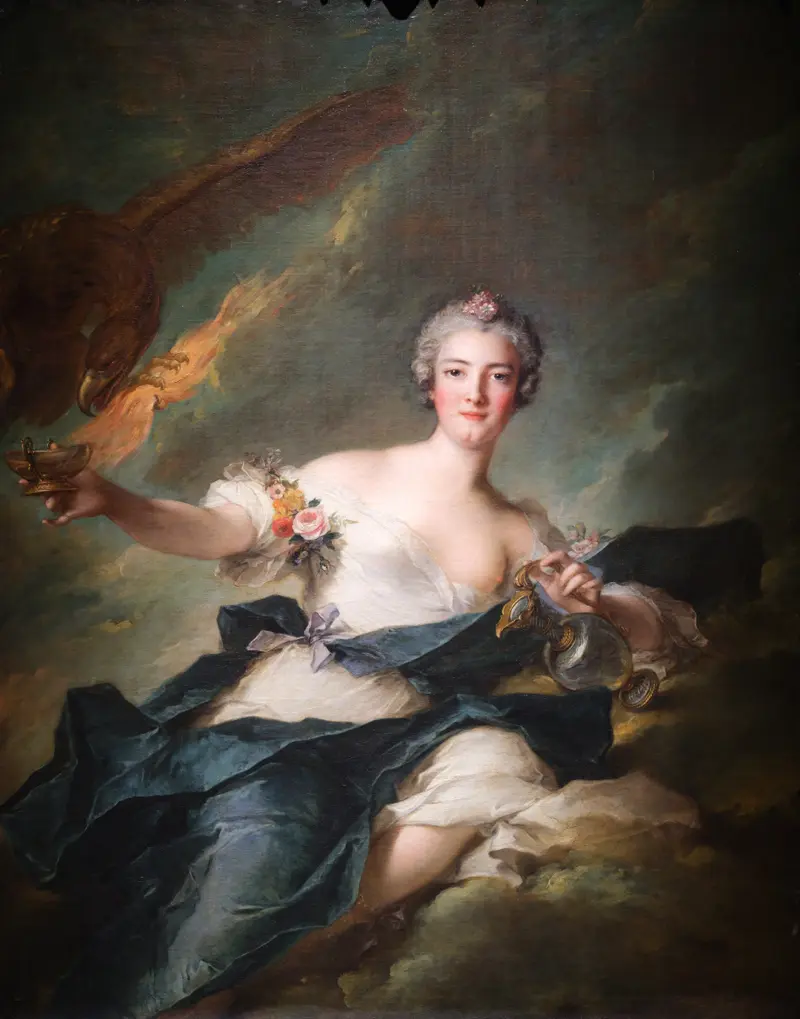
The Duchess of Chaulnes Represented as Hebe
Jean-Marc Nattier
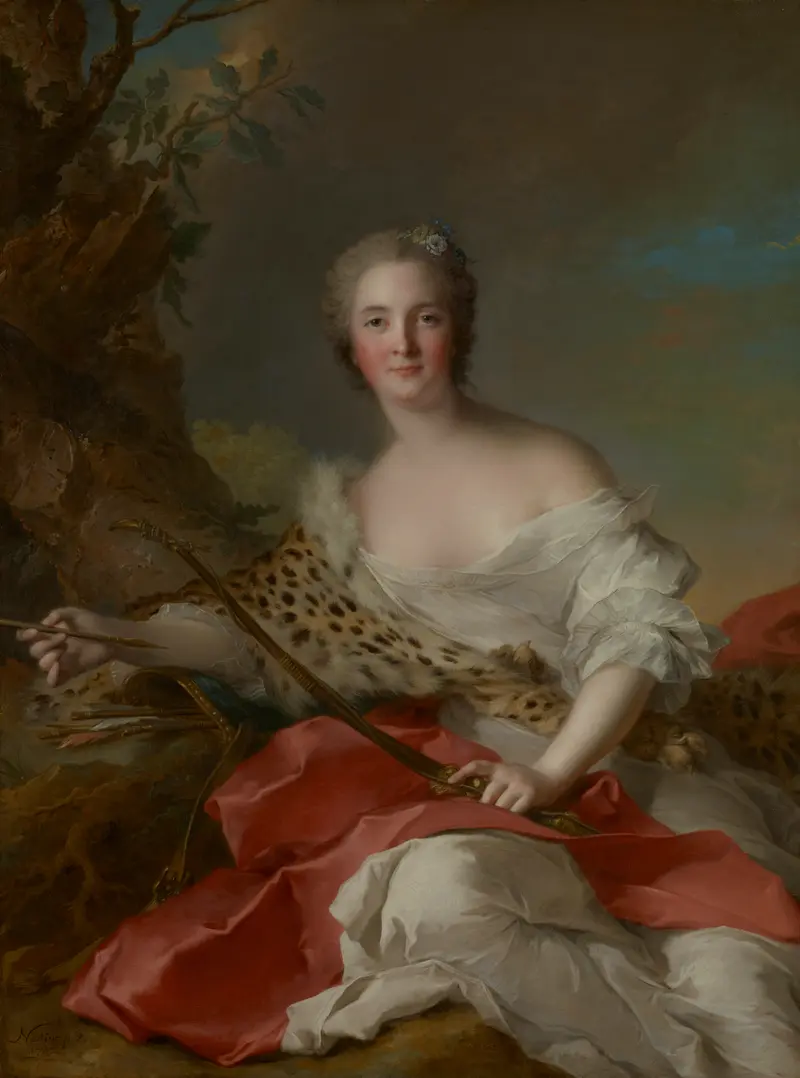
Portrait of Madame Bonnier de la Mosson as Diana (Constance-Gabrielle-Magdeleine du Monciel de Lauraille
Jean-Marc Nattier
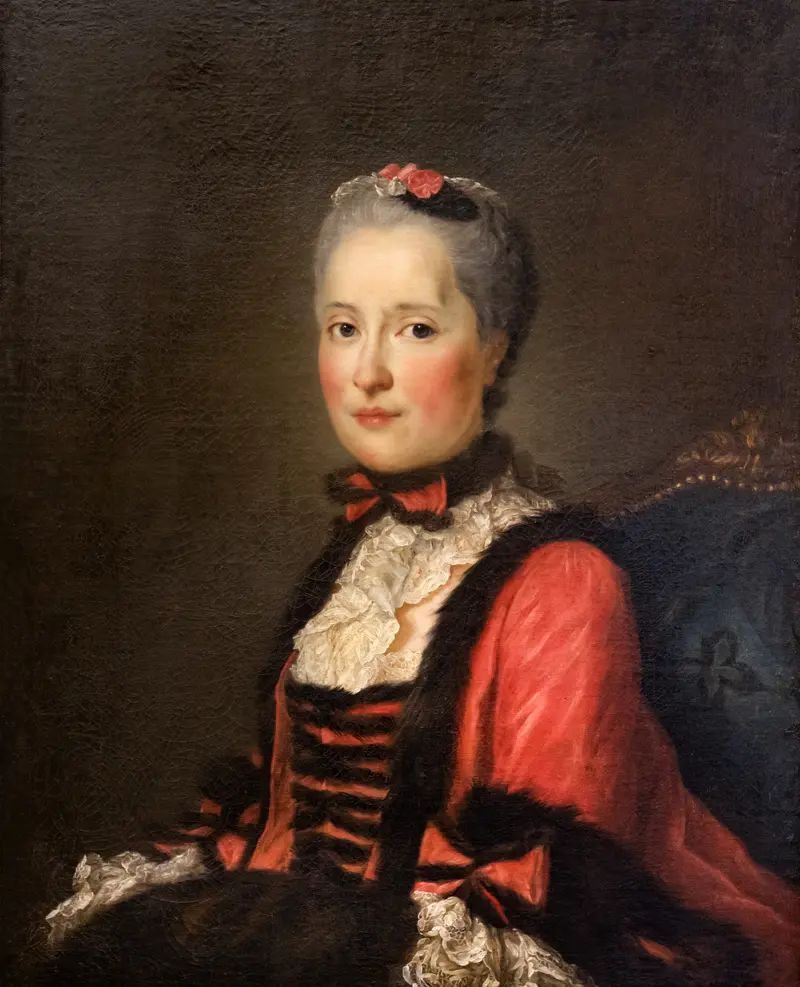
Portrait of Marie-Josephe of Saxony, Dauphine of France
Jean-Marc Nattier
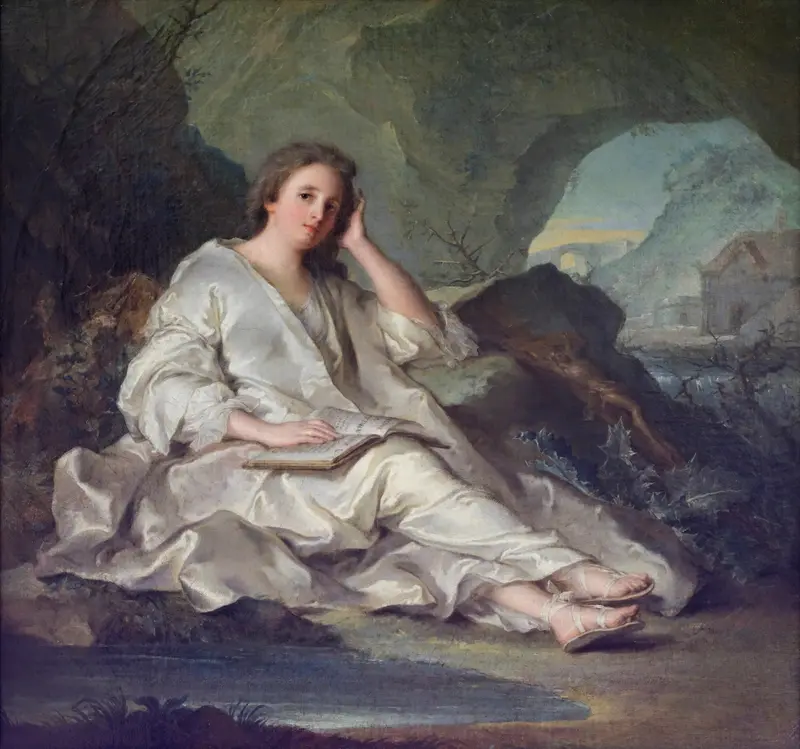
La Madeleine, ou Une Pénitente dans le désert Musée du Louvre Peintures INV 6880 ; MR
Jean-Marc Nattier
Princess Anne-Henriette of France - The Fire
Jean-Marc Nattier





