
Maquette de l’affiche du Salon des Cent — History & Facts
What first catches the eye here is the languid, dreamy poise of the woman, her head tilted in reverie, her hair a cascade of stylized, looping lines that seem to ripple with an energy of their own. The composition draws the viewer in with its sweeping curves and delicate palette—soft creams, muted golds, and gentle violets—while the scattered stars across her chest and the feathery quill in her hand hint at a world of artistic inspiration and nocturnal fantasy. The title Salon des Cent floats behind her, half-shrouded, as if emerging from her thoughts, while the star motif and the woman's closed eyes suggest a muse lost in the act of creation or contemplation.
Mucha’s characteristic Art Nouveau lines guide the gaze in a gentle spiral, from the woman’s serene face, through the tumble of hair, to the playful, almost weightless stars. Created in 1896, this maquette belongs to the feverish flowering of poster art in fin-de-siècle Paris, when artists like Alphonse Mucha transformed commercial commissions into icons of modern style. The Salon des Cent was a celebrated exhibition space for prints and posters—a new democratic art form, accessible to the public and collectors alike. Mucha’s women, with their flowing hair and symbolic attributes, became the face of this era’s visual culture, blending sensuality with allegory.
While the specific journey of this maquette is not widely documented, its presence in the Musée Carnavalet roots it in the city that made Mucha’s name, inviting us to linger on the border between advertising and art, and to imagine the world where such images first caught the Parisian eye.
More Artworks by Alphonse Mucha

Bières de la Meuse
Alphonse Mucha

Abstract design based on flowers and leaves
Alphonse Mucha
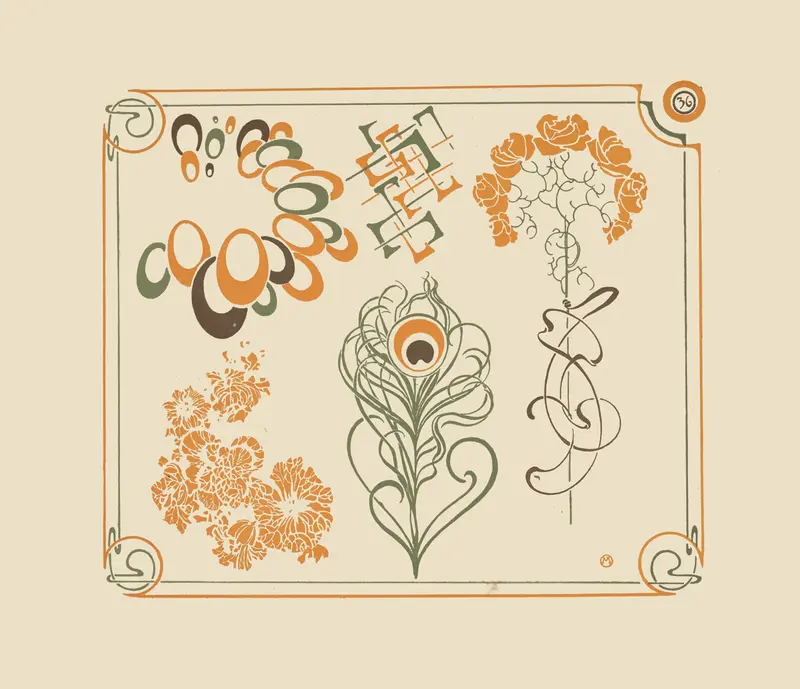
Abstract design based on flowers and curvilinear shapes.
Alphonse Mucha
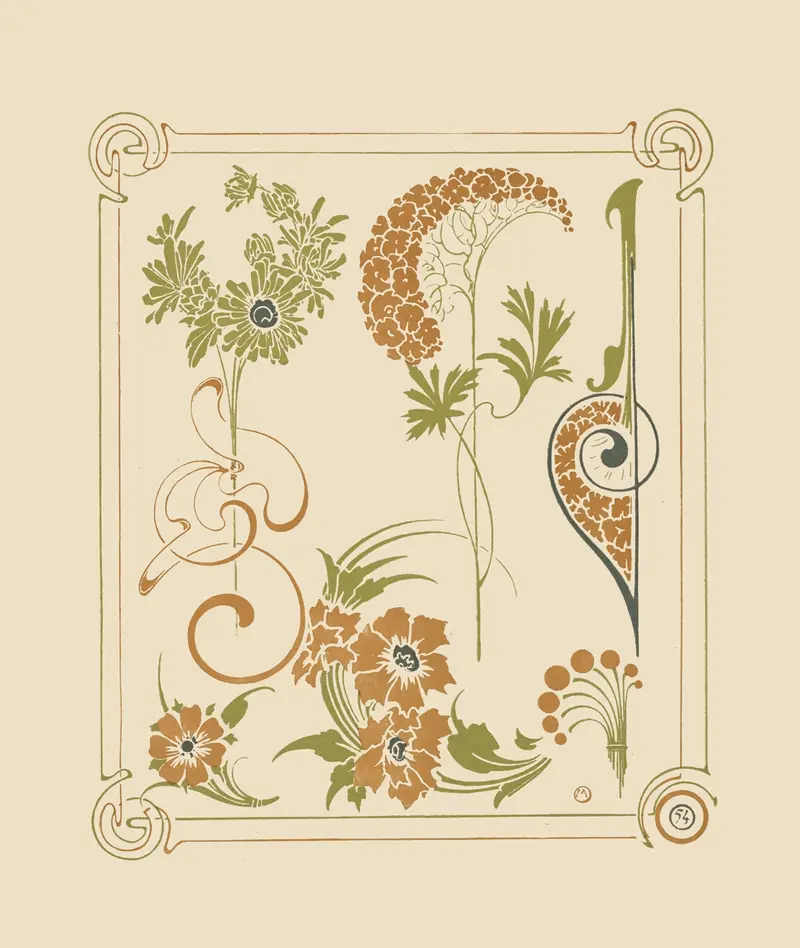
Abstract design based on flowers and arabesques.
Alphonse Mucha
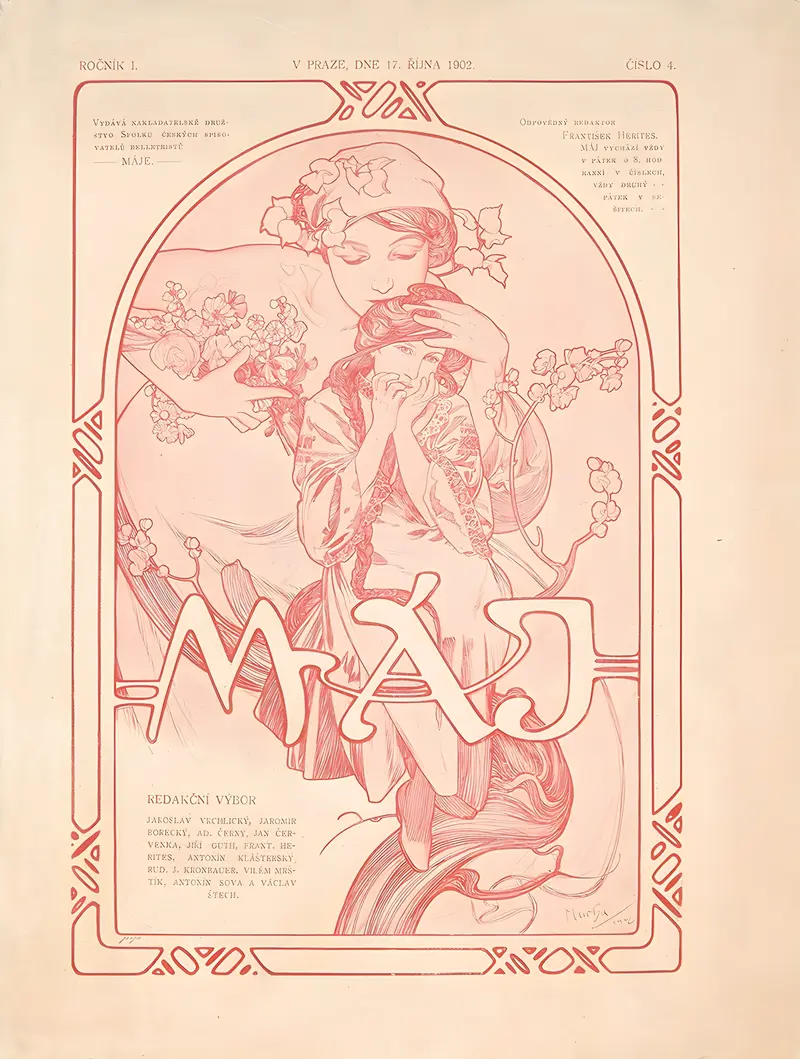
Máje
Alphonse Mucha
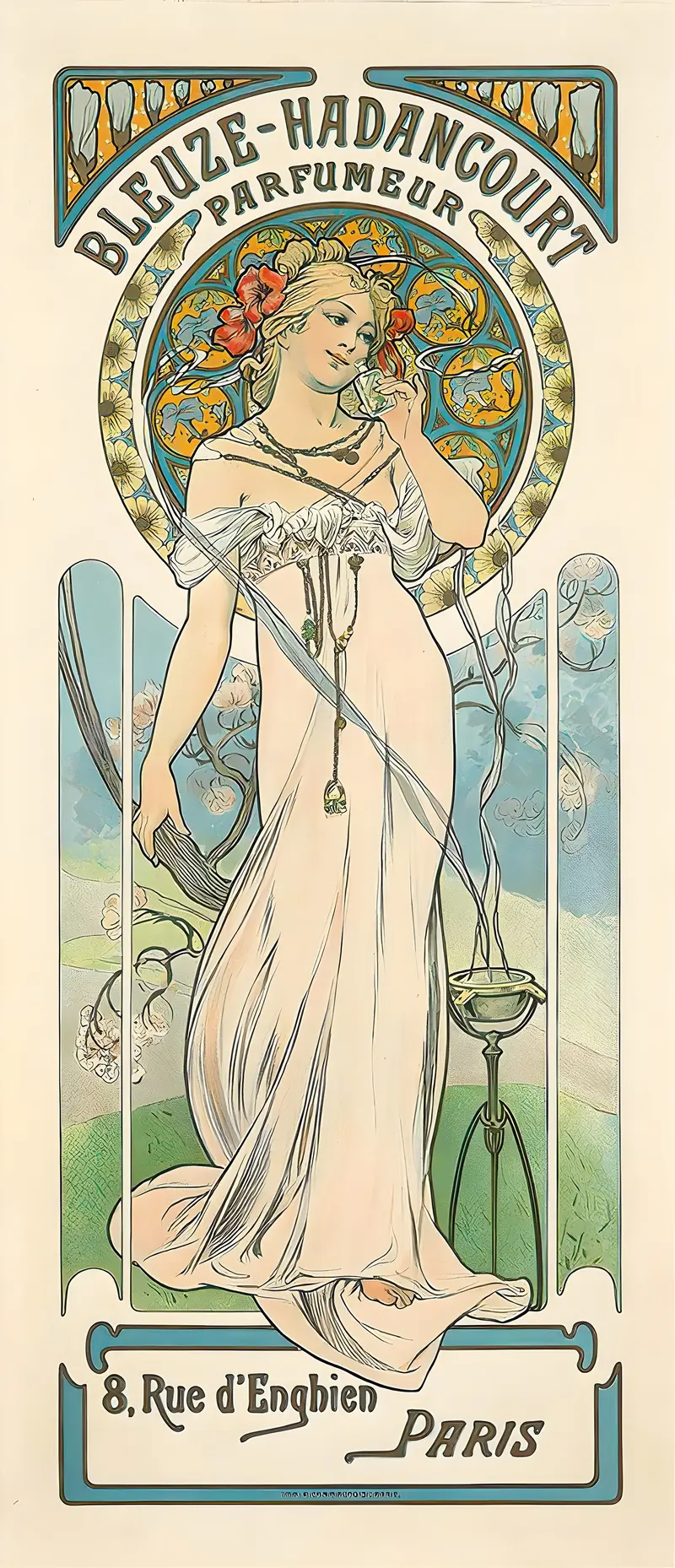
Bleuze-Hadancourt Parfumeur
Alphonse Mucha
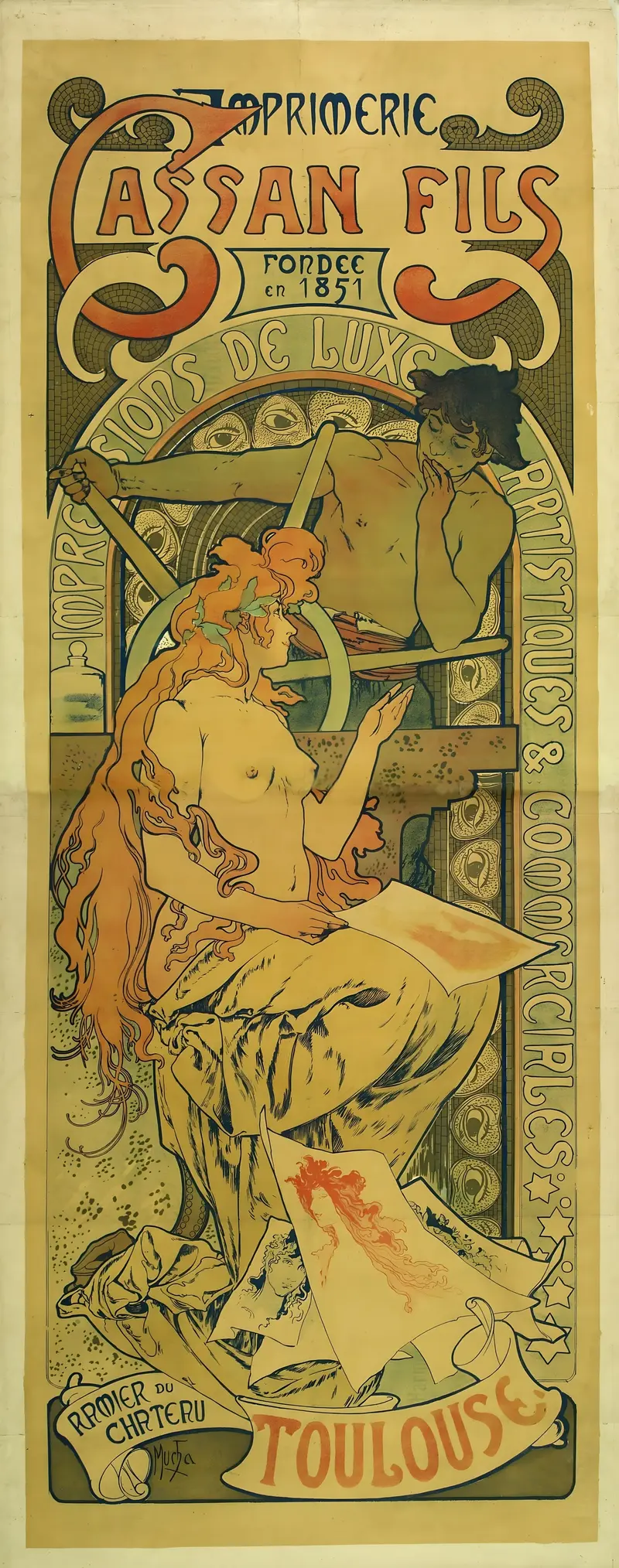
Imprimerie Cassan Fils Fondée en 1851 Impressions de Luxe Artistiques & Commerciales Ramier du Chateau Toulouse
Alphonse Mucha
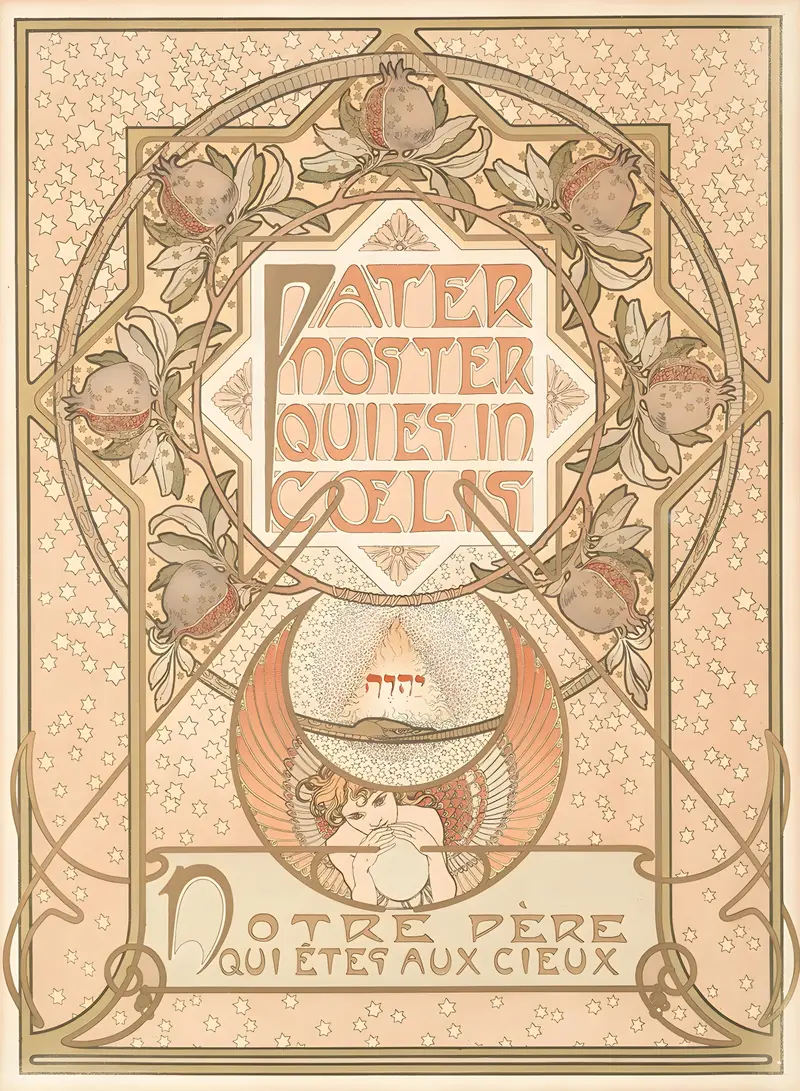
Pater Noster
Alphonse Mucha
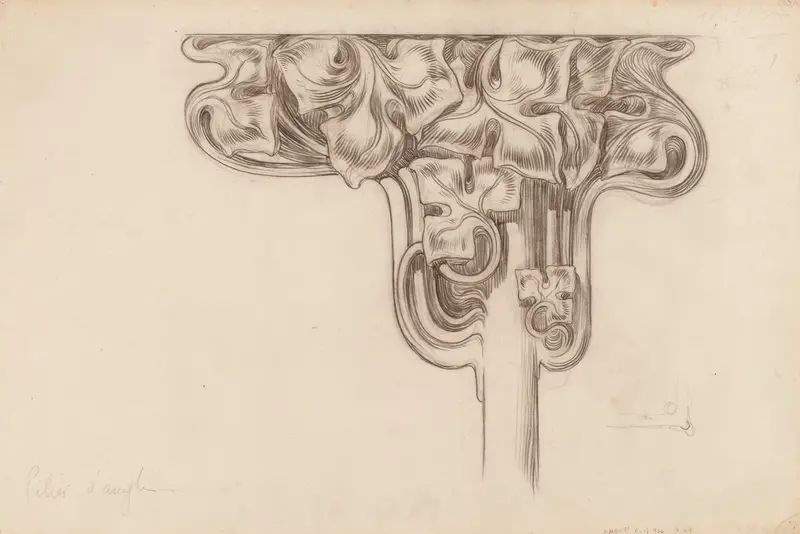
Projet de chapiteau de bronze pour un pilier de la boutique Fouquet
Alphonse Mucha
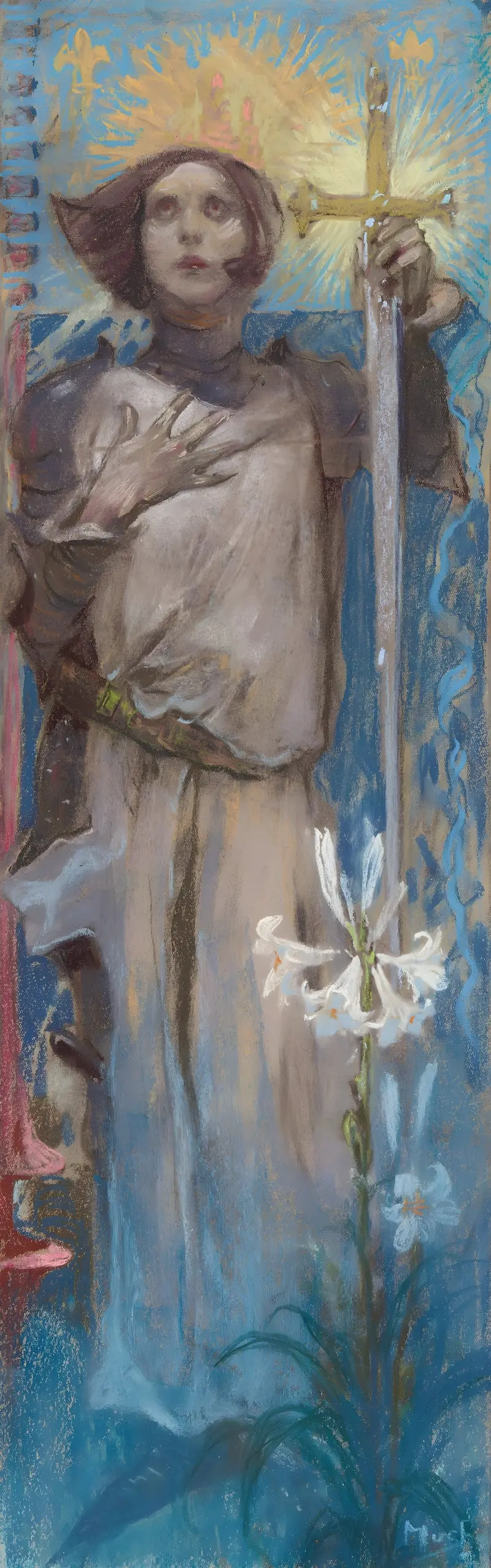
Joan of Arc. Apparition
Alphonse Mucha





