Marcus Curtius offerdood — History & Facts
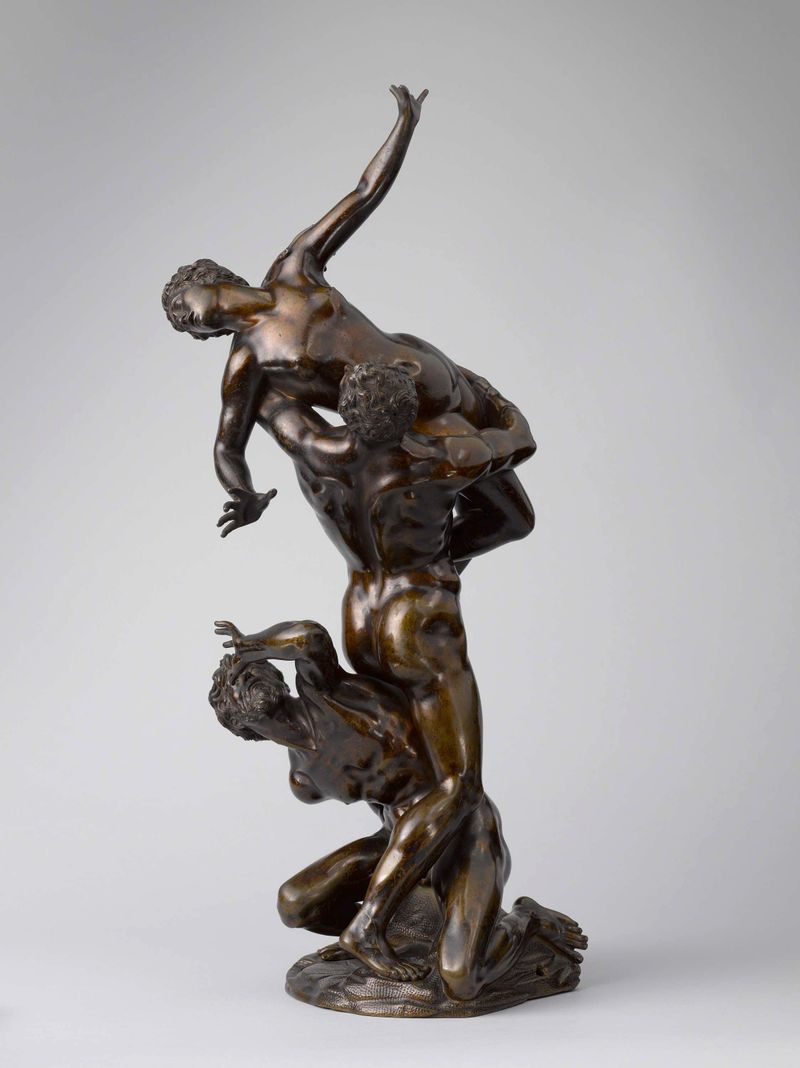
Who listens when art speaks of silence? In Marcus Curtius offerdood, a compelling stillness envelops the canvas, inviting the viewer to pause and reflect on the weight of sacrifice and valor laid bare. Look to the center, where Marcus Curtius emerges in heroic stance, poised to leap into the chasm that opens beneath him. The muted earth tones of the landscape contrast sharply with the brilliant red of his garments, drawing your gaze to his unwavering determination. Notice how the light catches the folds of his draped fabric, creating a sense of motion and urgency — a moment suspended in time.
Surrounding him, the spectators cast a blend of admiration and despair, their expressions narrating a deep emotional tension that speaks volumes without uttering a word. As you delve deeper, consider the juxtaposition between the hero's bravery and the crowd’s apprehension. The distant cliffs, illuminated by a soft, golden glow, symbolize both hope and the abyss that lies ahead. Each face in the crowd tells a silent story, expressing awe, fear, and reverence, underscoring the sacrifice of one for the many.
This intricate interplay of emotion and narrative resonates, revealing the universal themes of duty and selflessness. Created between 1506 and 1507, this work emerged during a period when Renaissance ideals were reshaping art's role in society. Cranach, based in Wittenberg, was influenced by the growing humanist movement, which emphasized the importance of individual experience and moral integrity. This painting not only reflects his artistic prowess but also serves as a commentary on the human condition amidst the tumultuous social and religious changes of his time.
More Artworks by Lucas Cranach (I)
Browse all →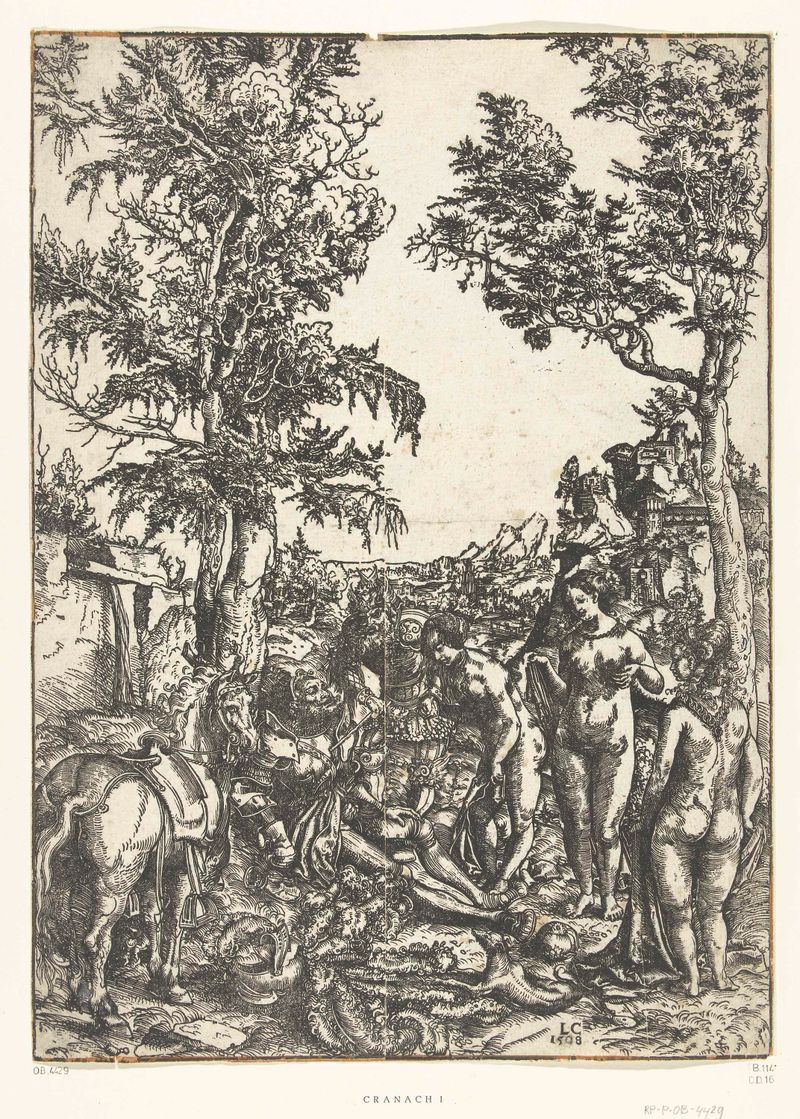
Oordeel van Paris
Lucas Cranach (I)
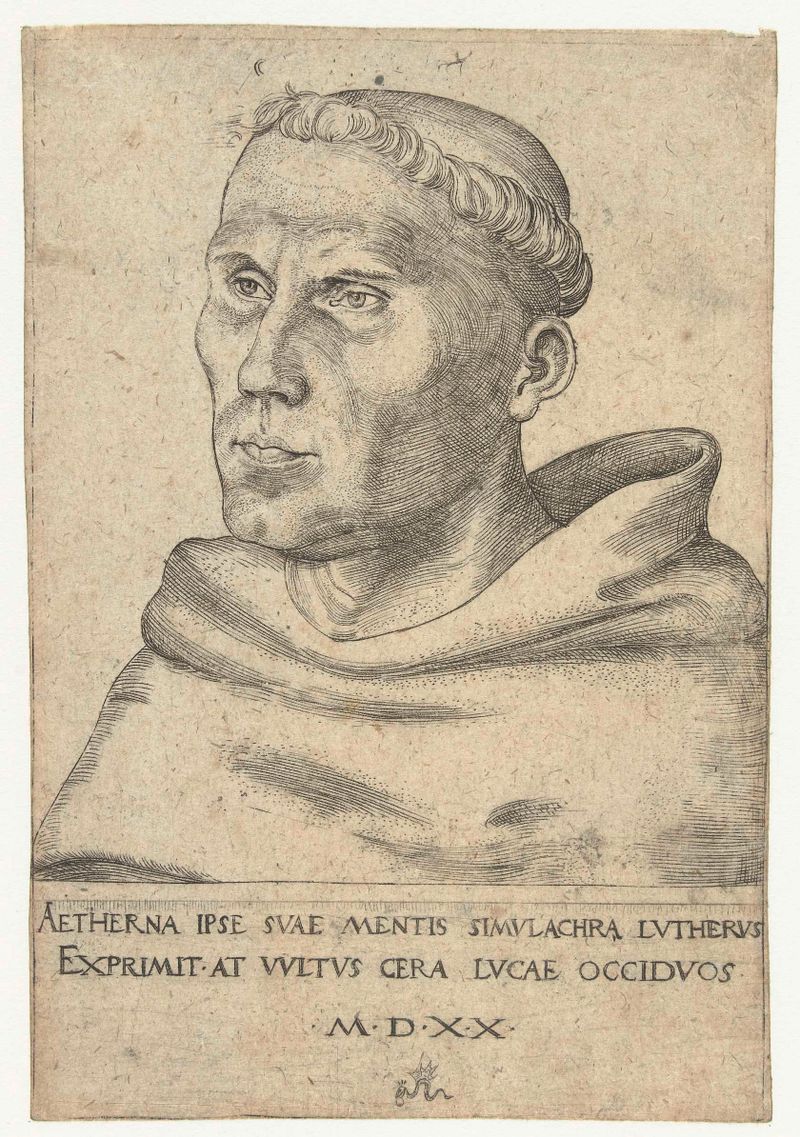
Portret van Martin Luther als Augustijner monnik
Lucas Cranach (I)
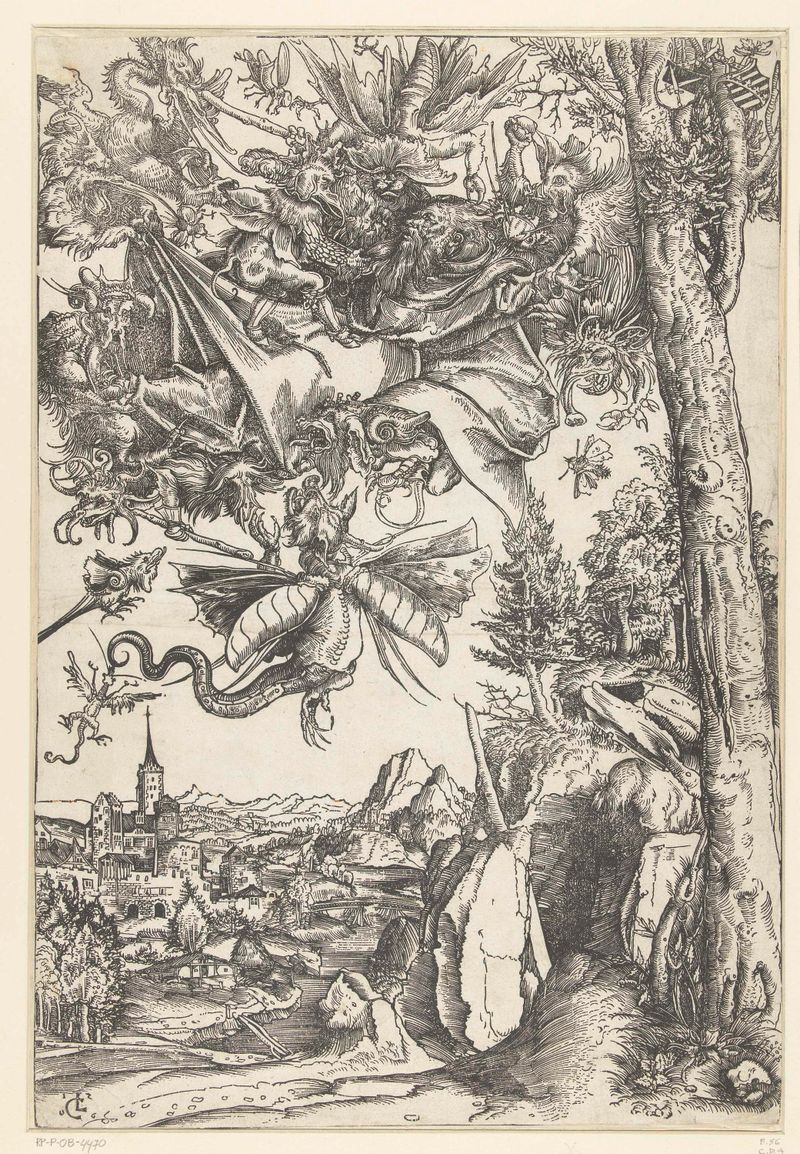
Verzoeking van Antonius met aanval door demonen
Lucas Cranach (I)

Christus en de Samaritaanse vrouw
Lucas Cranach (I)

Duits toernooi met twee edelmannen als ridders te paard
Lucas Cranach (I)
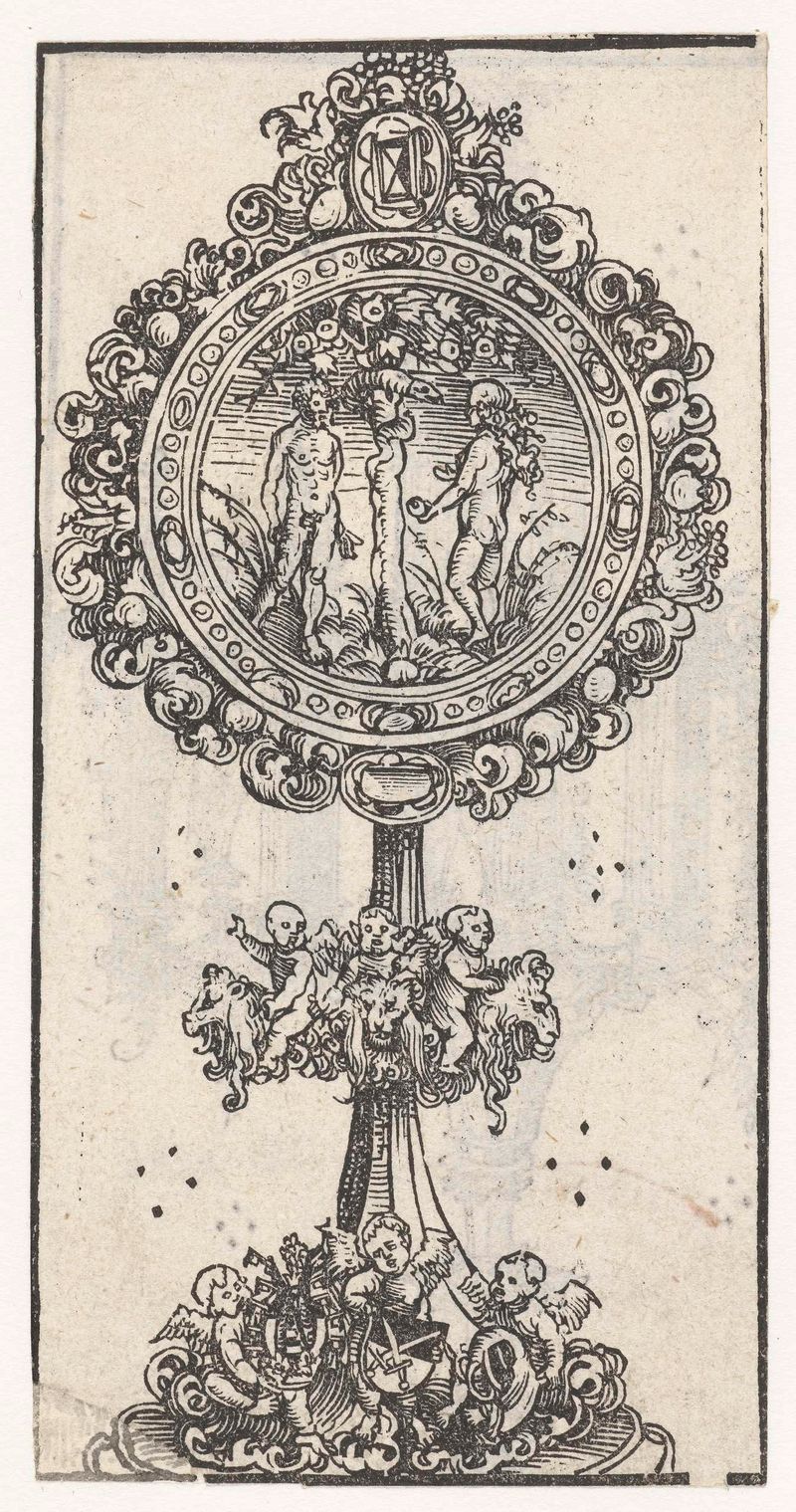
Reliekhouder met de verzoeking van Adam en Eva
Lucas Cranach (I)

Intocht van Christus in Jerusalem
Lucas Cranach (I)
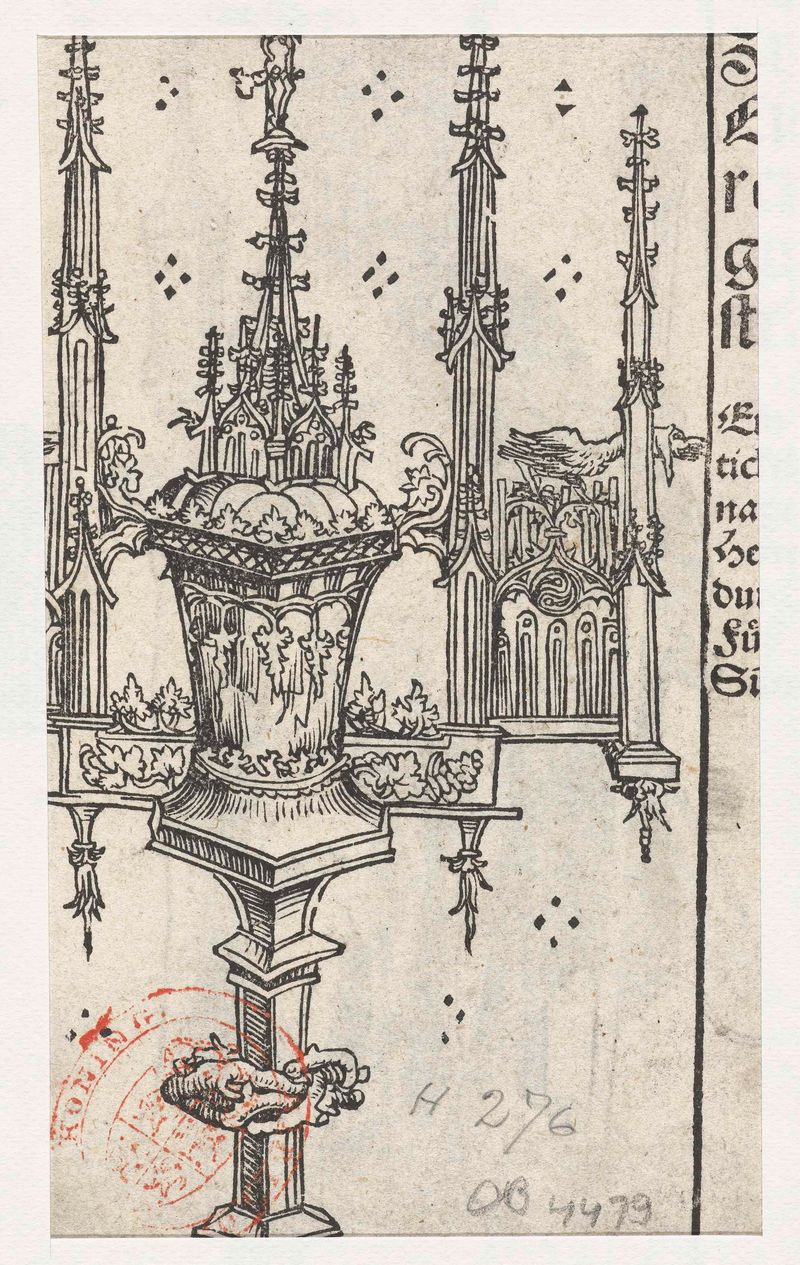
Monstrans met vogel (pelikaan)
Lucas Cranach (I)
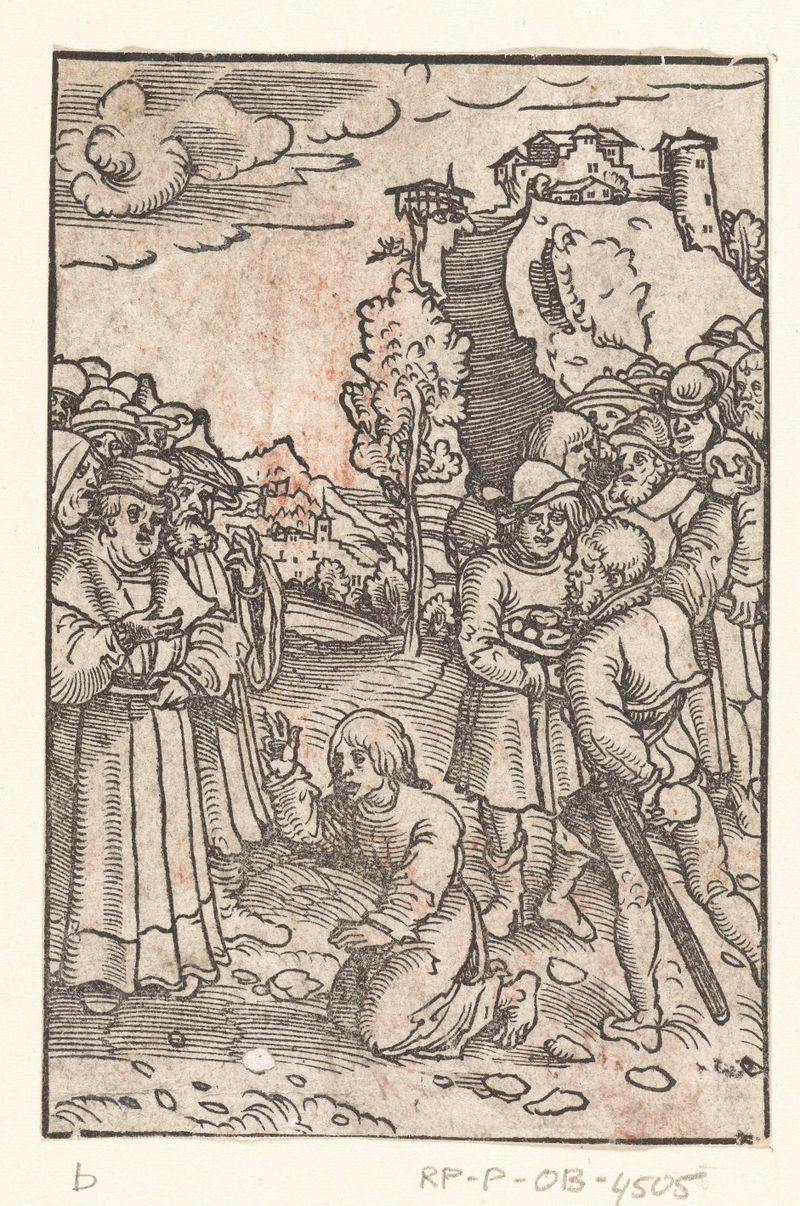
Steniging van Stefanus
Lucas Cranach (I)
Toernooi van het keurvorstelijk hof van Saksen met wandtapijt Simson doodt de leeuw
Lucas Cranach (I)