
Marcus Curtius stort zich in een kloof — History & Facts
In the stillness between brushstrokes, a profound reflection emerges, inviting contemplation of sacrifice and destiny. Focus first on the figure of Marcus Curtius, poised on the edge of the chasm, a resolute silhouette against the vibrant backdrop. The artist employs a striking contrast of deep blues and earthy tones to render a landscape that pulsates with drama. Notice how the tension in the muscular form and the determined gaze captures the moment of choice, while the surrounding elements—sharp cliffs and turbulent waters—seem to echo the inner turmoil of the protagonist. The interplay of light and shadow creates a duality that speaks to the themes of courage and despair.
The shimmering glint on the water hints at the reflections of fate, while the dark crevices of the surrounding ravine suggest the looming uncertainty of sacrifice. Each detail, from the folds of Curtius's drapery to the distant clouds, weaves a narrative that reveals the weight of his decision, bridging the gap between personal valor and the collective need for salvation. Created in 1535, this work emerged during a period of significant artistic evolution in Germany, as the Northern Renaissance flourished. Georg Pencz, influenced by the humanist ideals of the time, sought to capture the complexities of moral dilemmas.
With a focus on narrative and emotion, he created this piece amidst a backdrop of artistic innovation and societal change, reflecting the tensions of an era that grappled with notions of heroism and sacrifice.
More Artworks by Georg Pencz
Browse all →
Parabel van de zaaier
Georg Pencz

Parabel van de arbeiders in de wijngaard
Georg Pencz
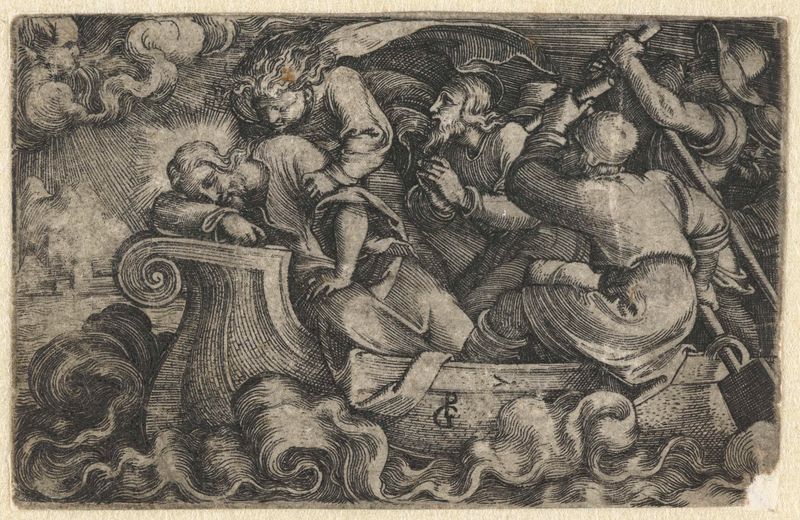
Discipelen wekken slapende Christus tijdens storm op Meer van Galilea
Georg Pencz

Afgunst (Invidia)
Georg Pencz
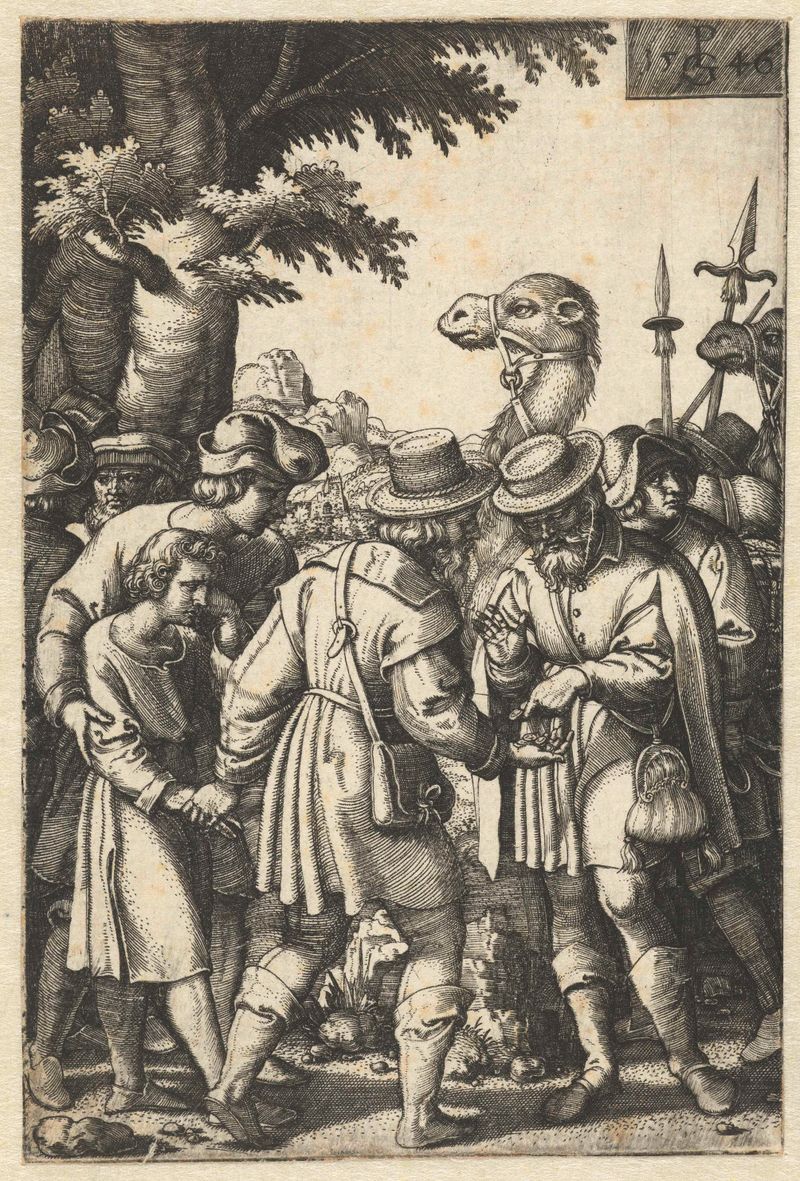
Jozef wordt verkocht aan kooplieden op weg naar Egypte
Georg Pencz

Aanbidding der koningen
Georg Pencz
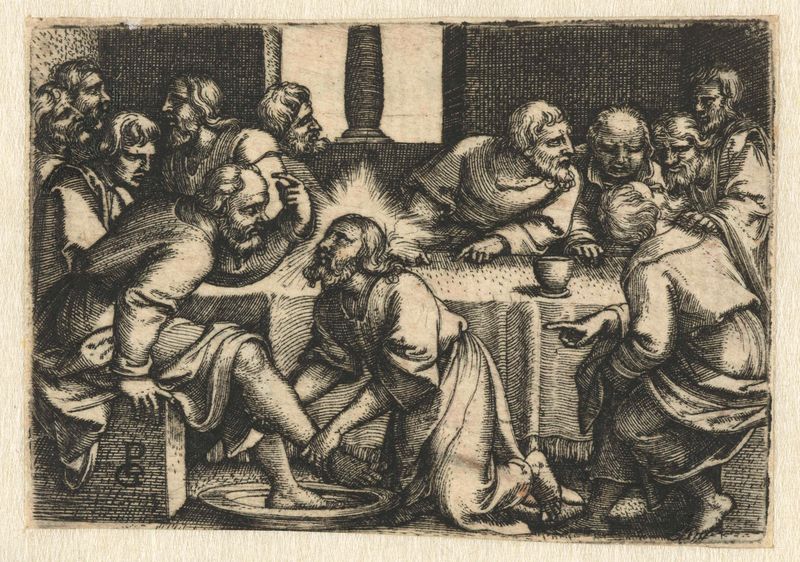
Petrus protesteert als Christus zijn voeten wast
Georg Pencz
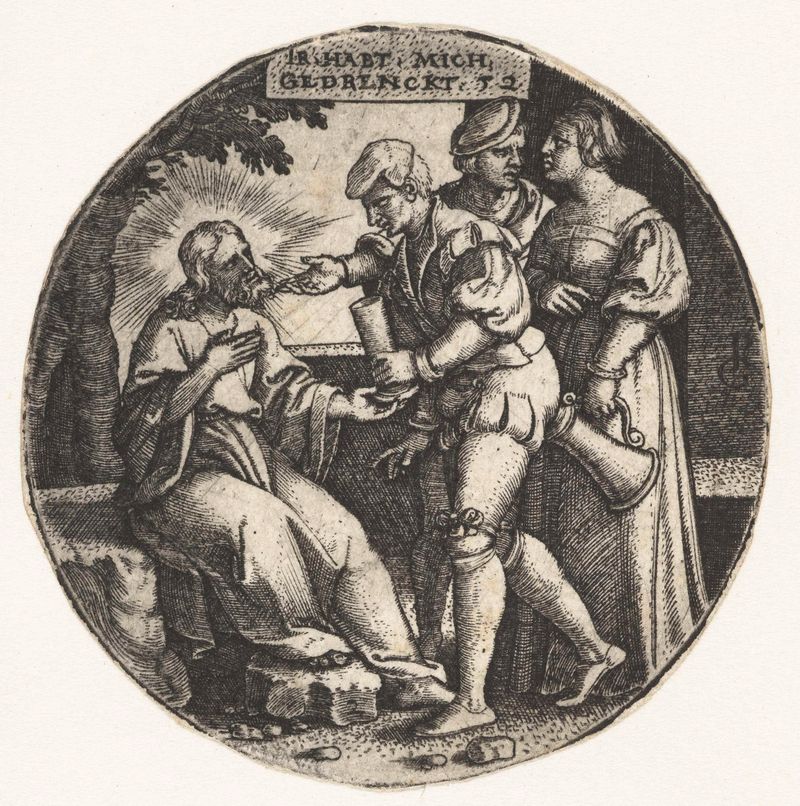
Christus heeft dorst en krijgt drinken aangeboden
Georg Pencz
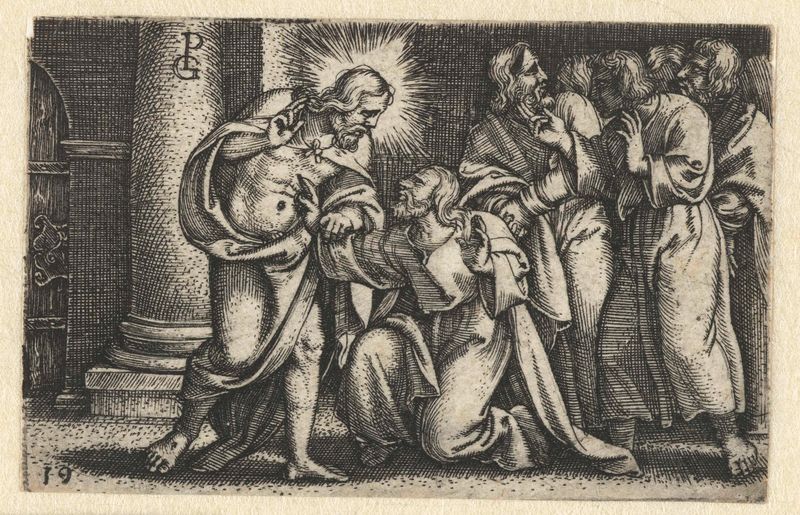
Ongelovige Thomas raakt wonden Christus aan
Georg Pencz

Offer van Abraham van Isaak
Georg Pencz
More Historical Art
Browse all →
The Night Watch Militia Company of District II under the Command of Captain Frans Banninck Cocq
Rembrandt van Rijn

Lincoln Memorial
Henry Bacon

The Third of May 1808
Francisco de Goya

Isaac and Rebecca, Known as ‘The Jewish Bride’
Rembrandt van Rijn

The Charge of the Mamelukes (1814)
Francisco de Goya

De vier ruiters van de apocalyps
Albrecht Dürer