
Maria Magdalena in de woestijn — History & Facts
Under the brush, chaos becomes grace. How does one capture the divine in the ordinary, turning a solitary moment into a sacred encounter? Focus on the figure at the center, Maria Magdalena, draped in flowing fabrics that glint with rich hues of red and gold. Look closely at her expression; the combination of sorrow and transcendence draws you into her world, as she gazes upwards toward a light that seems to emanate from within.
The textured brushwork of the landscape surrounding her creates a stark contrast, emphasizing her isolation in the wilderness, while subtle shades of green cradle the earth beneath her, hinting at life amidst desolation. The artist masterfully intertwines themes of redemption and spirituality, as the frailty of the figure juxtaposes the grandeur of her vision. The meticulous details of her garments, adorned with delicate patterns, serve as a reminder of her earthly experiences, while her serene gaze embodies a longing for divine connection. The interplay of light and shadow not only illuminates her features but also suggests the internal struggle between sin and sanctity. Created between 1504 and 1508, this piece emerged during a time of profound religious transformation in the Netherlands.
Lucas van Leyden, an early Northern Renaissance painter, was exploring the tensions between humanism and spirituality. This artwork reflects the era's fascination with individual narratives and the quest for personal salvation, echoing the larger shifts within society and art as it moved towards a more personal relationship with the divine.
More Artworks by Lucas van Leyden
Browse all →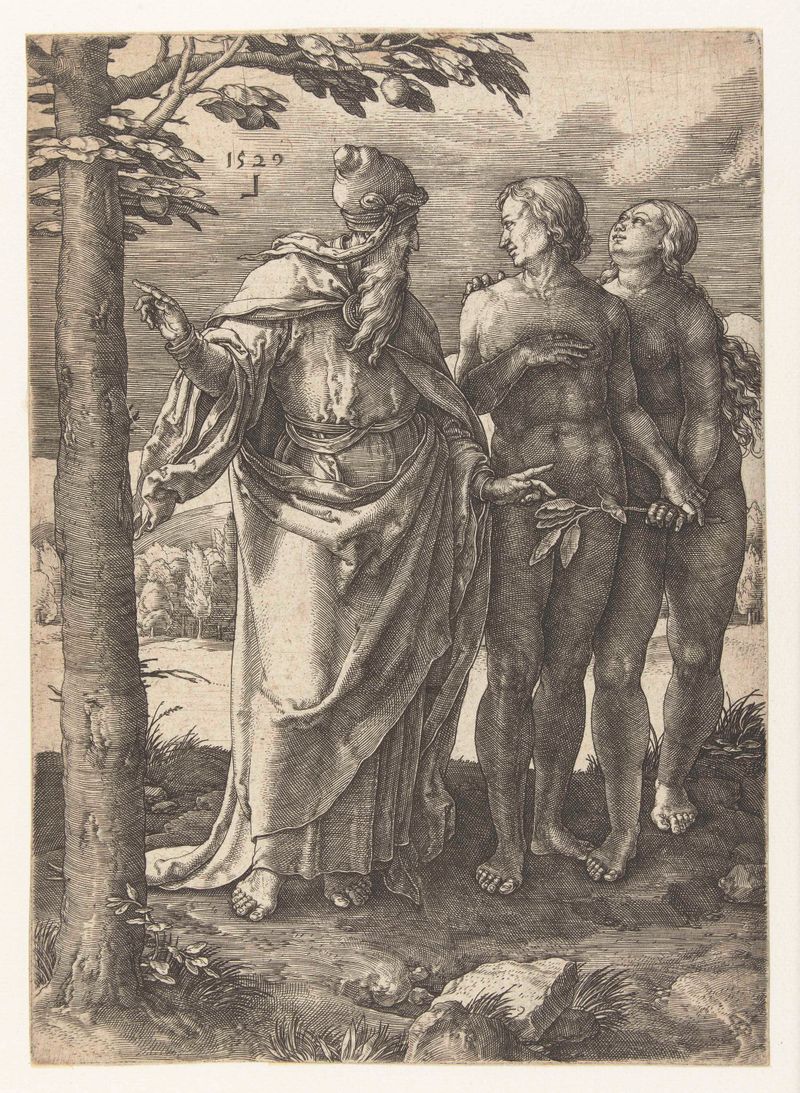
Het eerste verbod
Lucas van Leyden
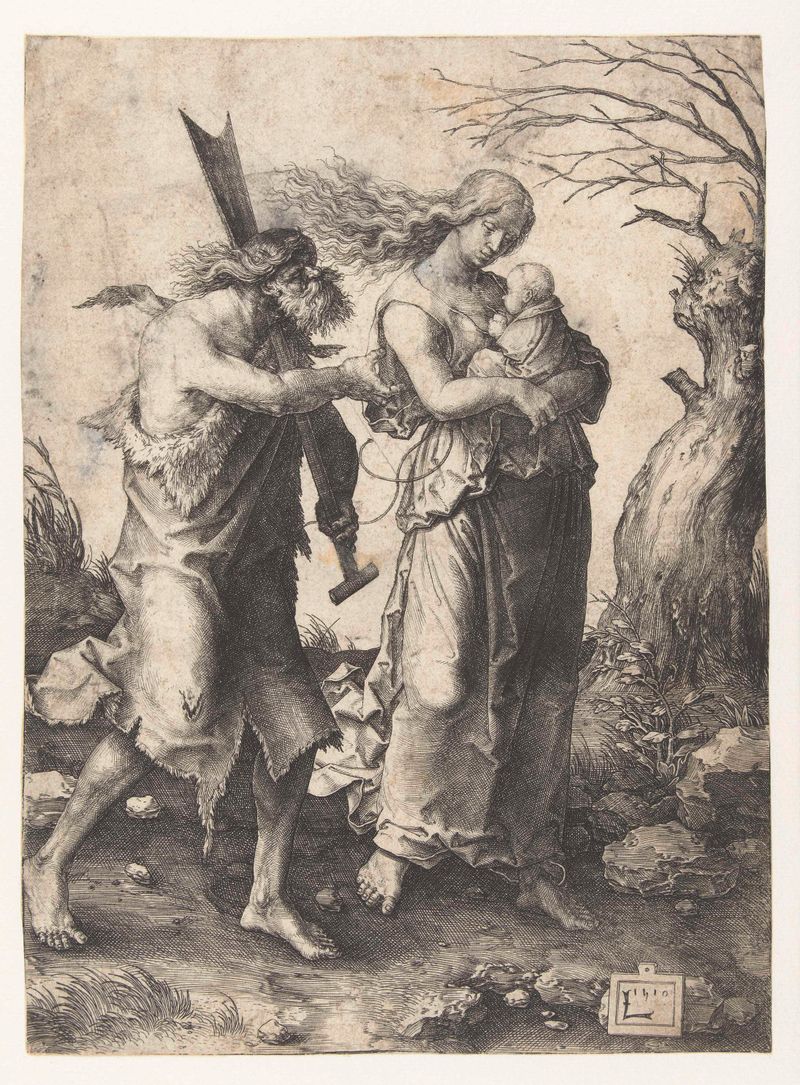
Adam en Eva na de verdrijving uit het paradijs
Lucas van Leyden
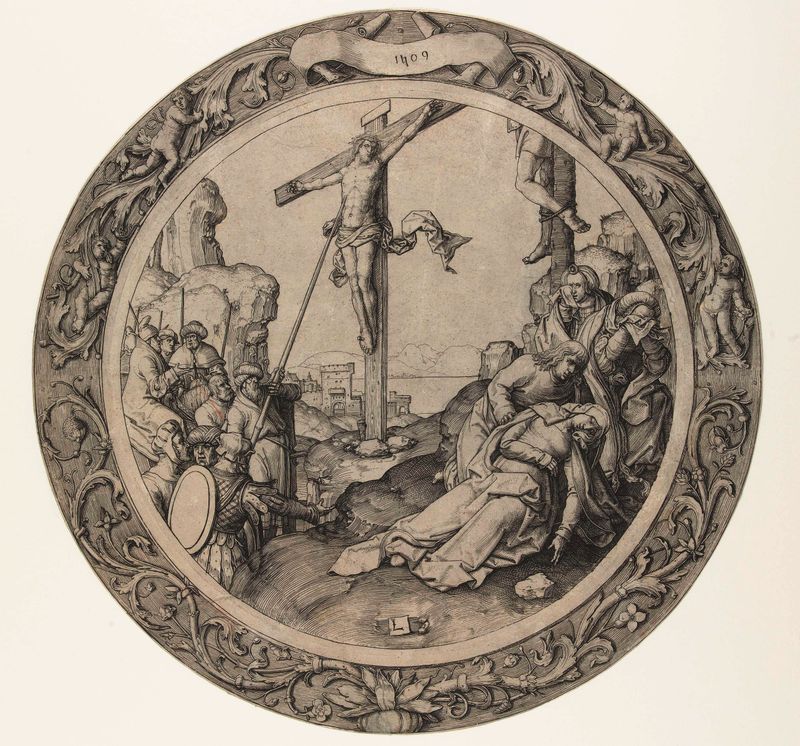
De kruisiging
Lucas van Leyden
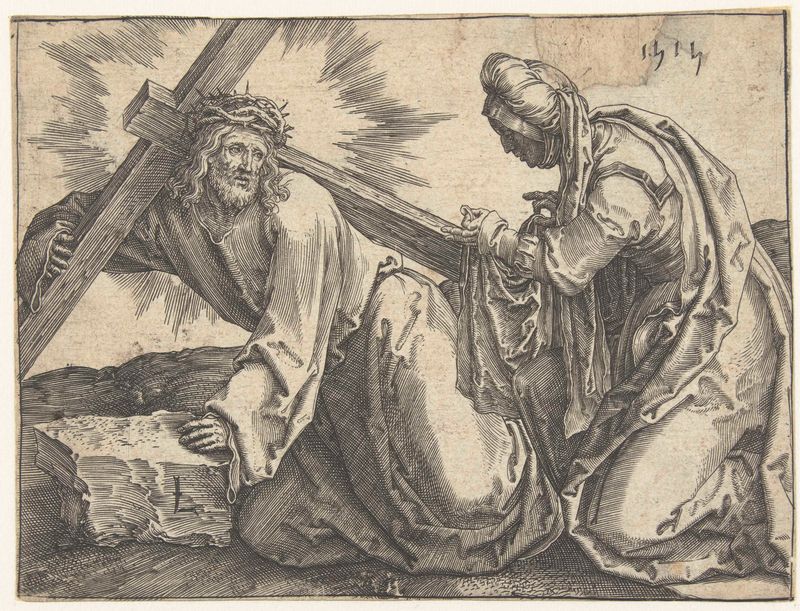
Kruisdraging
Lucas van Leyden
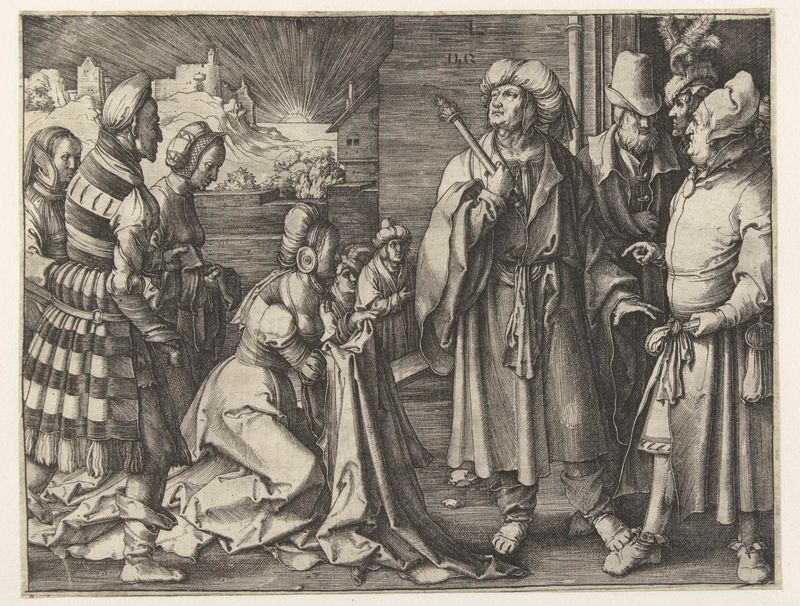
De vrouw van Potifar beschuldigt Jozef
Lucas van Leyden
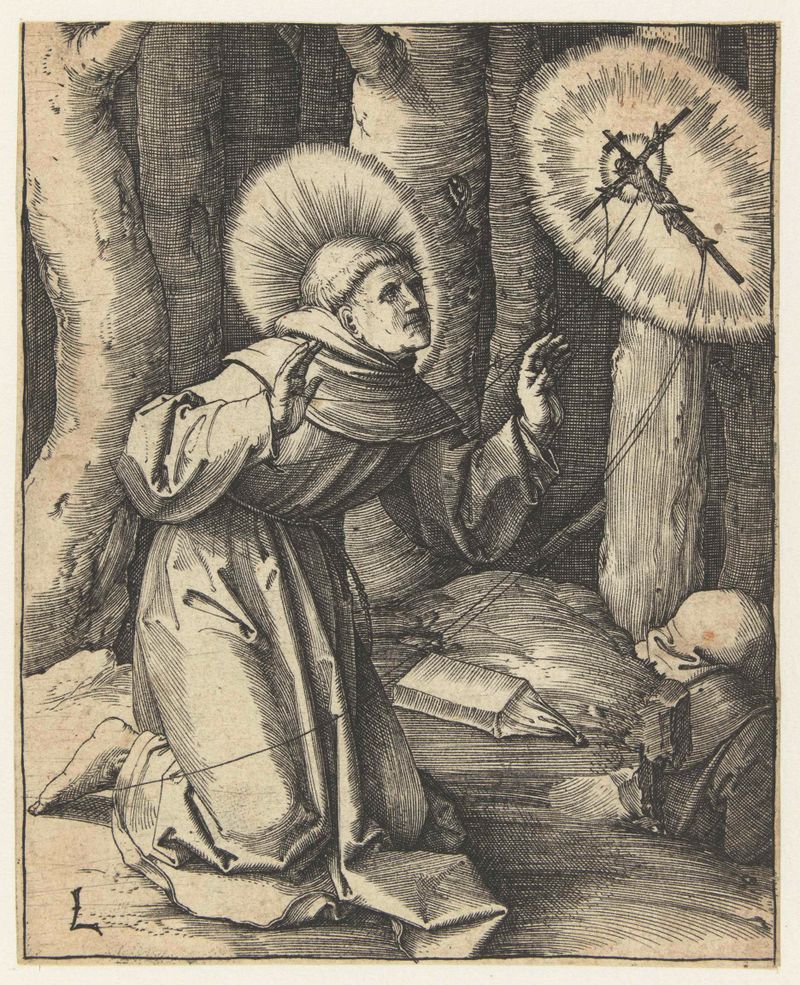
De stigmatisatie van de heilige Franciscus
Lucas van Leyden
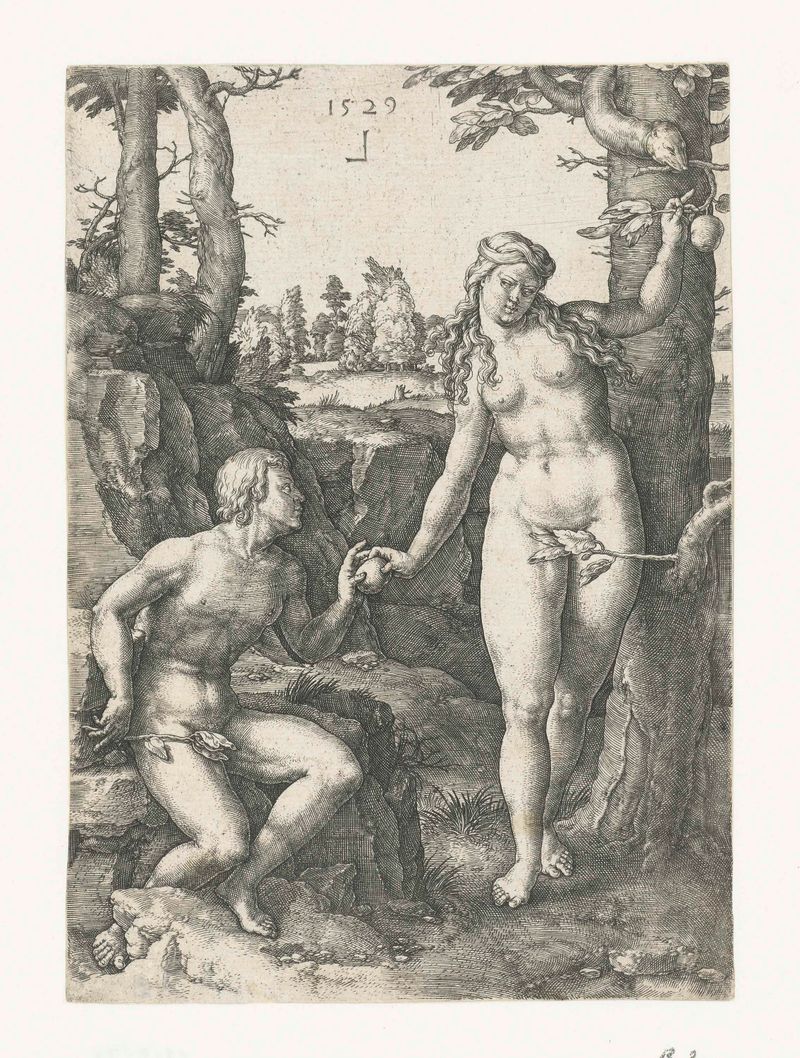
De zondeval
Lucas van Leyden
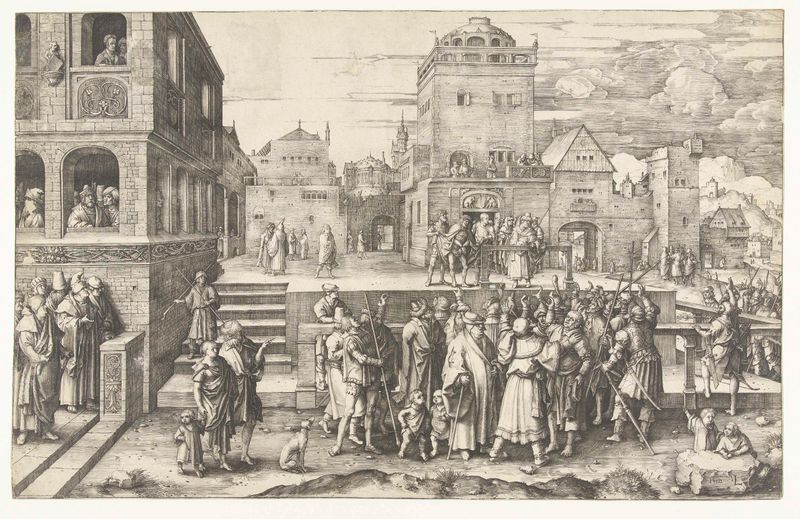
De grote Ecce Homo
Lucas van Leyden
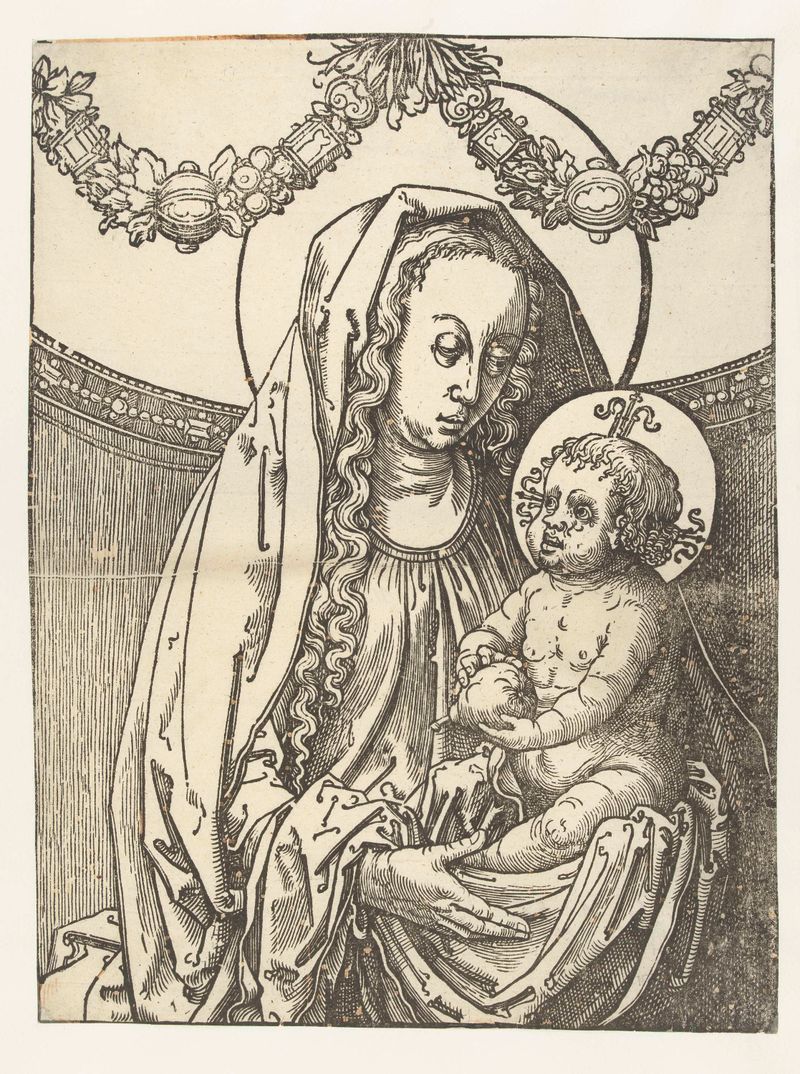
Maria met kind
Lucas van Leyden

Doornenkroning
Lucas van Leyden
More Religious Art
Browse all →
The Return of the Prodigal Son
Rembrandt van Rijn

The Garden of Earthly Delights
El Bosco

Count Orgaz’ funeral
El Greco

The Hundred Guilder Print: the central piece with Christ preaching, the plate arched
Rembrandt van Rijn

The Descent from the Cross
Rogier van der Weyden

The return of the prodigal son
Rembrandt van Rijn