
Maria met kind — History & Facts
Can paint confess what words never could? In Maria met kind, the viewer is drawn into a moment of profound vulnerability, where madness and tenderness intertwine silently on the canvas. Focus first on the central figure of Mary, her expression a delicate balance of concern and compassion. Notice how the soft light illuminates her face, enhancing the depth of her gaze as she clutches the child with a sense of urgency. The muted palette, dominated by earthy tones, creates an intimate atmosphere, inviting you to linger in this sacred moment.
Surrounding elements, from the ethereal backdrop to the subtle details in the child’s attire, guide your attention to the quiet yet powerful connection between them. Beneath the surface, the painting encapsulates the tension between the holy and the human. The child, embodying innocence, contrasts sharply with the weight of Mary’s protective embrace, suggesting the fragility of sanity in a tumultuous world. This embodiment of maternal instinct may reflect deeper societal fears of madness, as Mary’s expression hints at an inner struggle, perhaps echoing the tumult of her own life. During the years of 1513 to 1517, the artist was deeply immersed in the Northern Renaissance, a period marked by a fascination with emotion and intricate detail.
Working in the Netherlands, Lucas van Leyden explored themes of spirituality and human experience, experimenting with techniques that would influence later generations. The painting emerged during a time when artistic exploration flourished, yet it also mirrored the anxieties of the era, expressing a palpable tension between divine purpose and human fragility.
More Artworks by Lucas van Leyden
Browse all →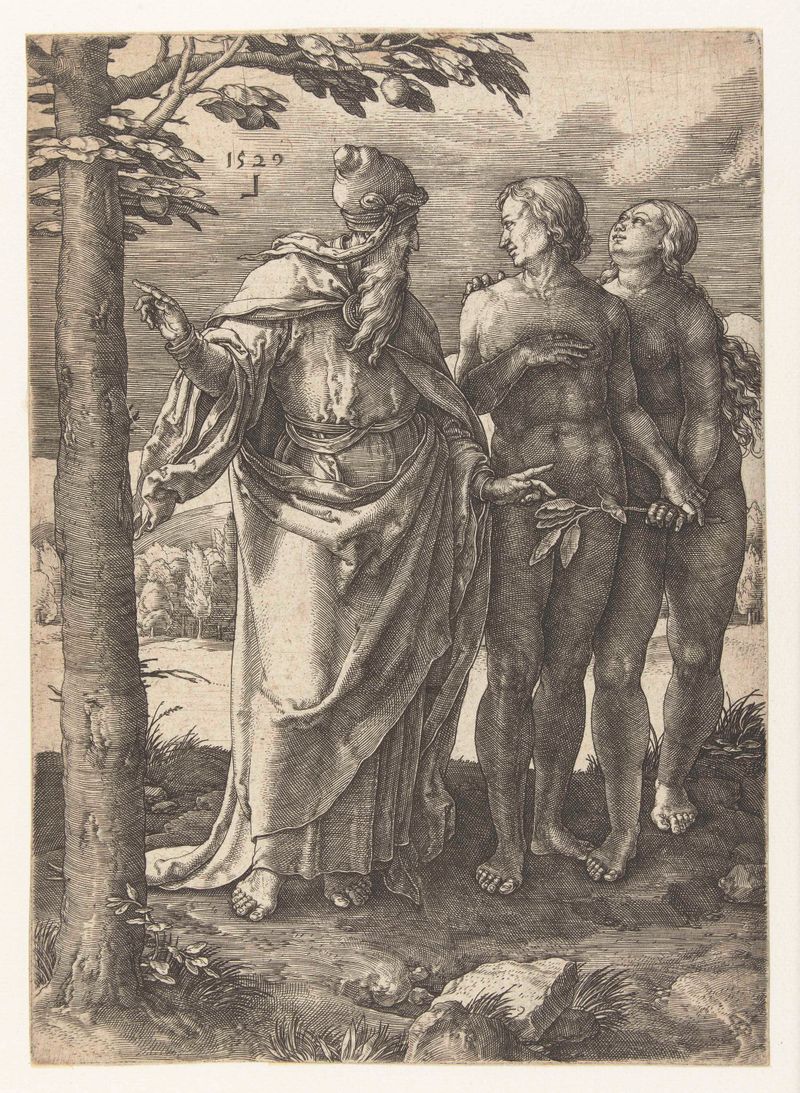
Het eerste verbod
Lucas van Leyden
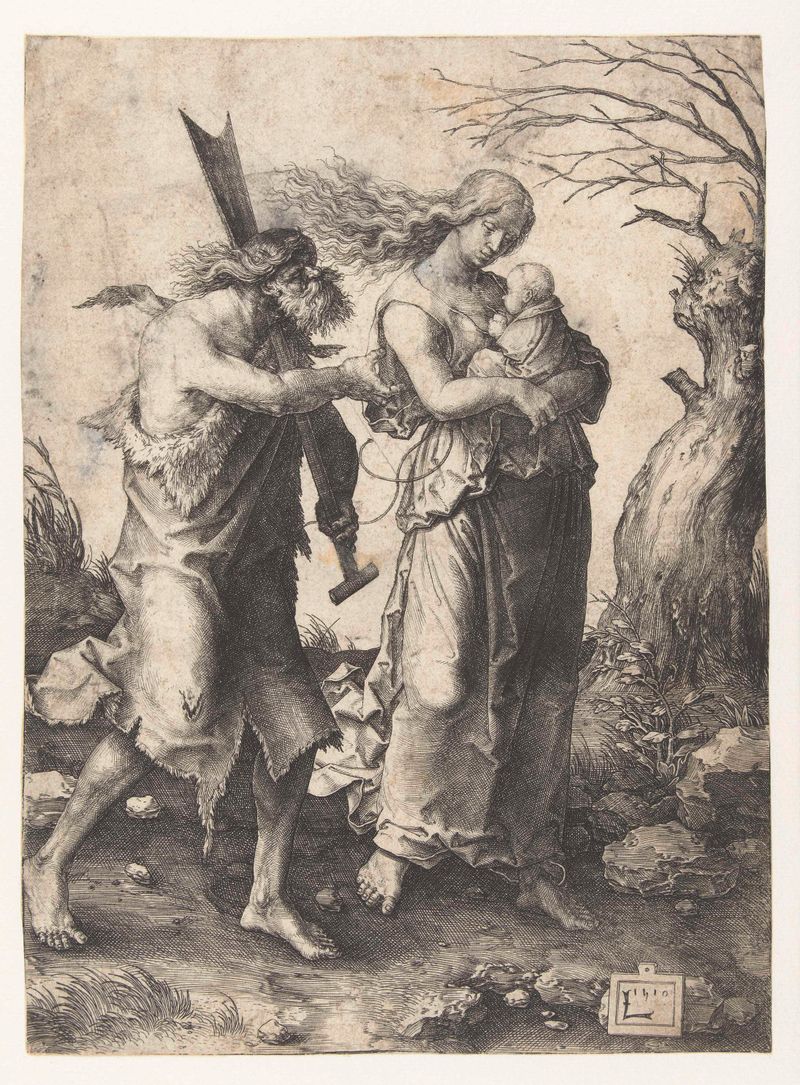
Adam en Eva na de verdrijving uit het paradijs
Lucas van Leyden
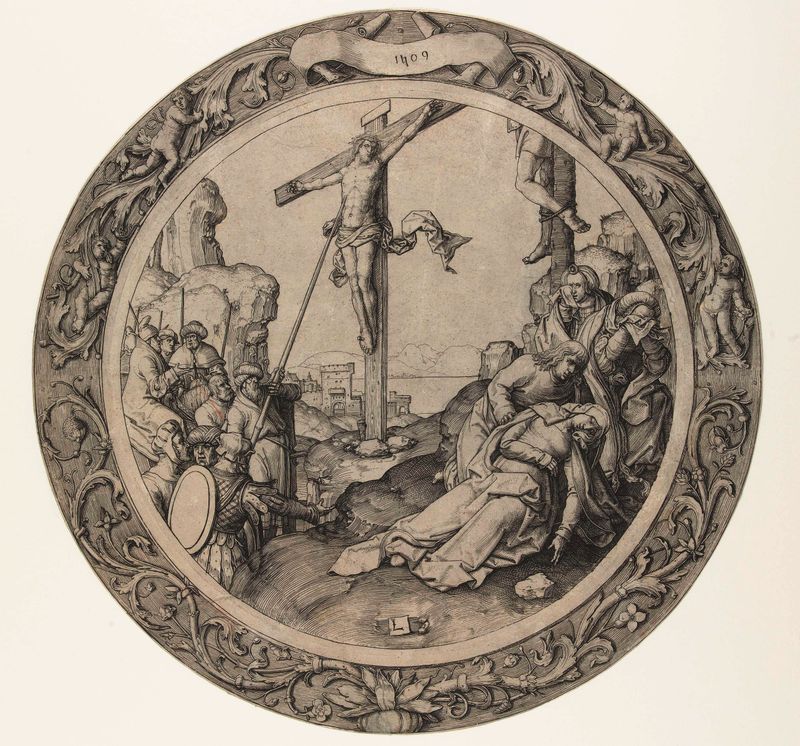
De kruisiging
Lucas van Leyden
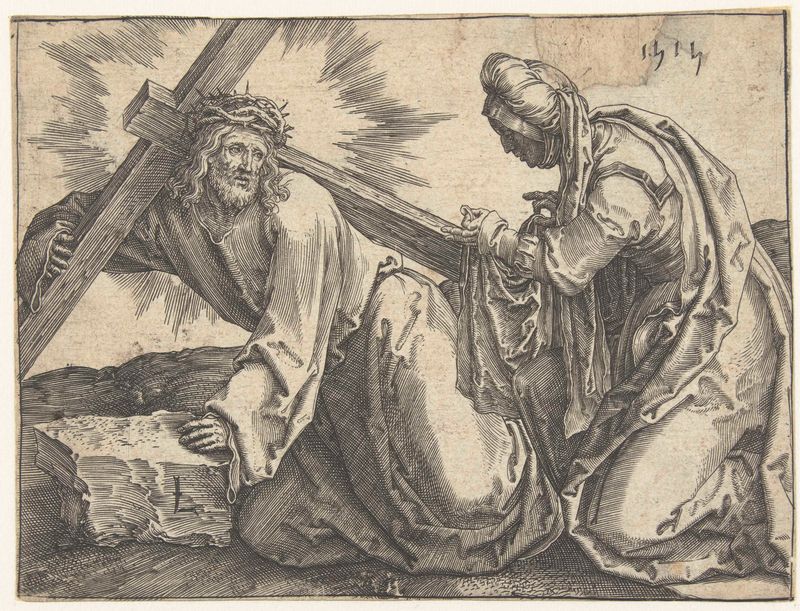
Kruisdraging
Lucas van Leyden
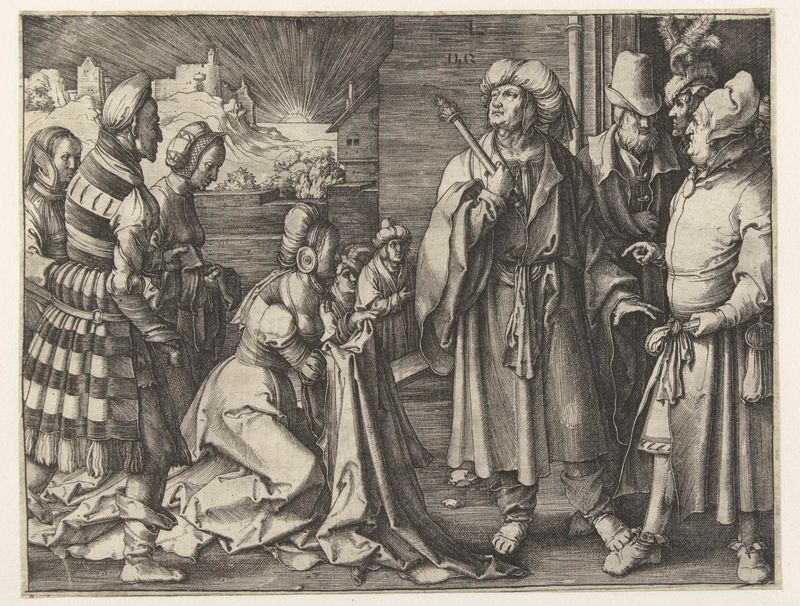
De vrouw van Potifar beschuldigt Jozef
Lucas van Leyden
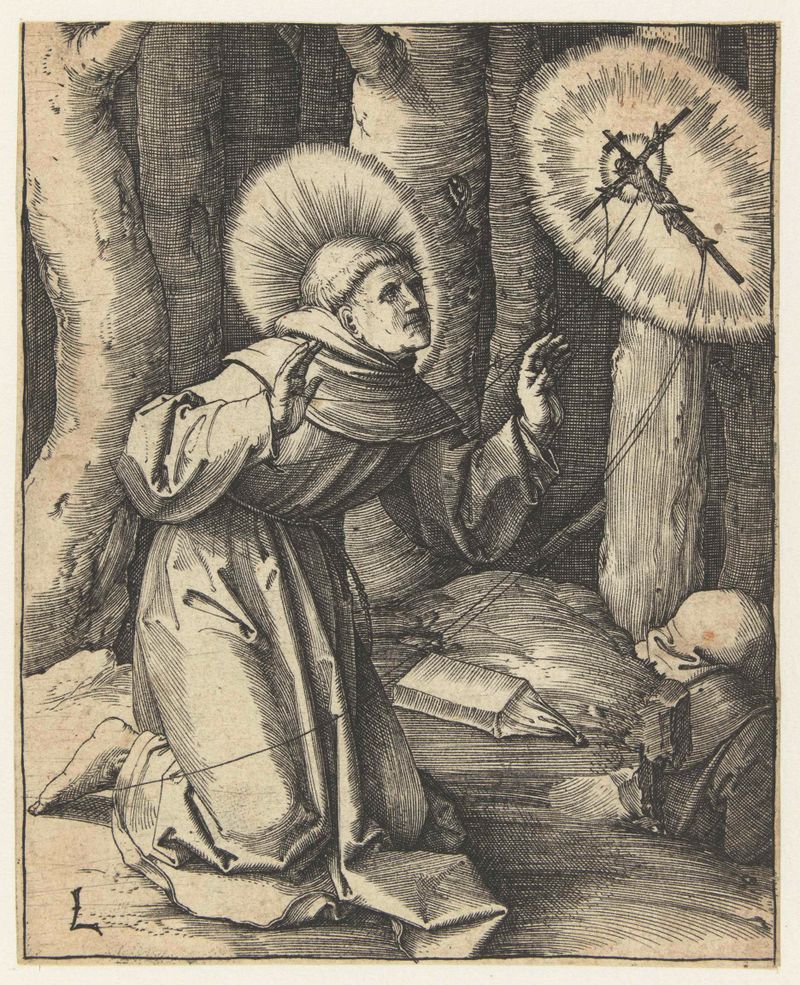
De stigmatisatie van de heilige Franciscus
Lucas van Leyden
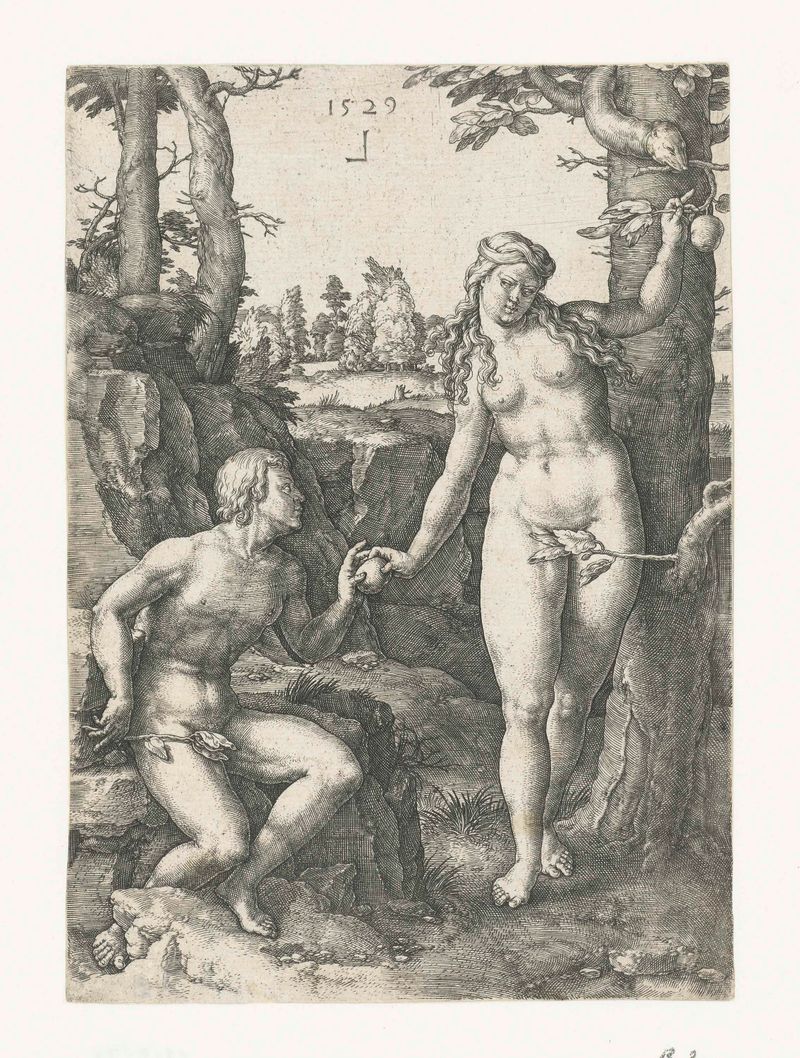
De zondeval
Lucas van Leyden
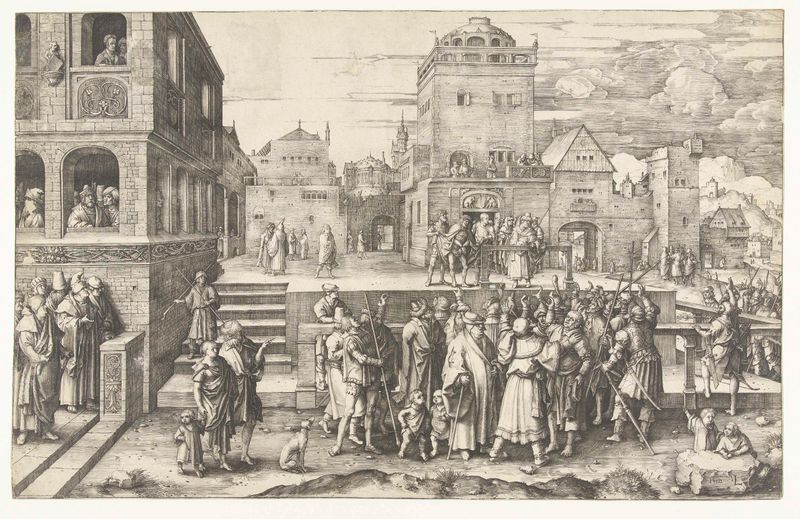
De grote Ecce Homo
Lucas van Leyden
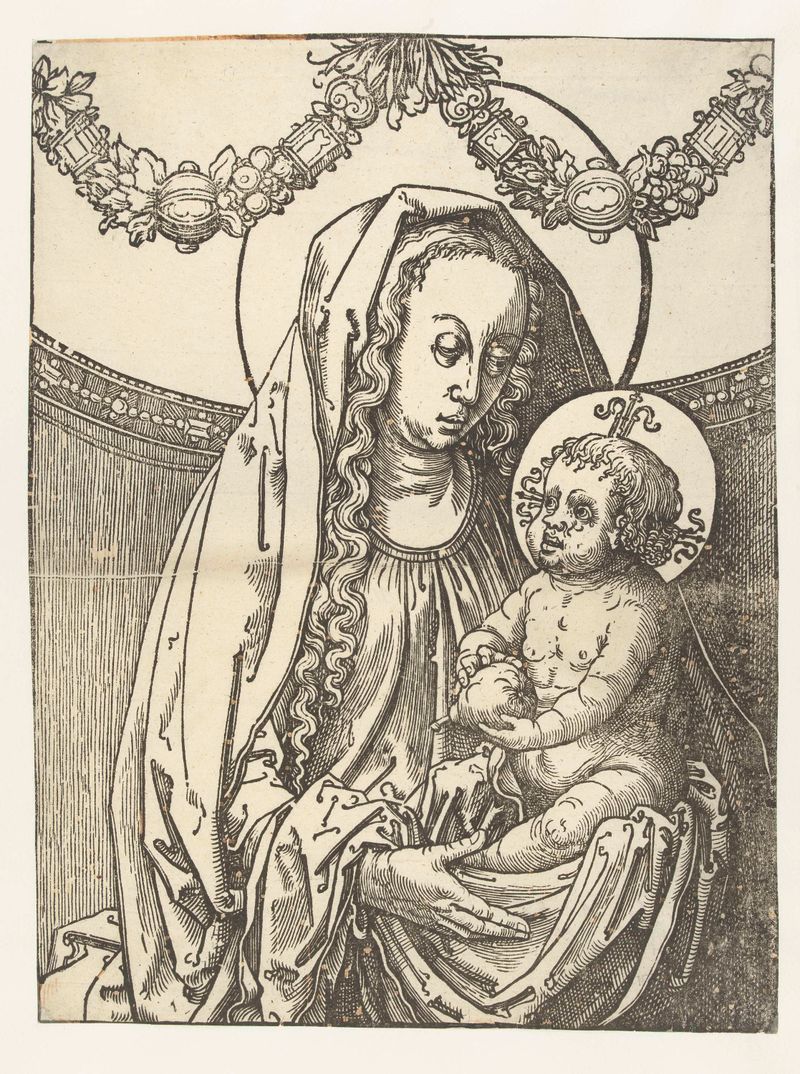
Maria met kind
Lucas van Leyden

Doornenkroning
Lucas van Leyden
More Religious Art
Browse all →
The Return of the Prodigal Son
Rembrandt van Rijn

The Garden of Earthly Delights
El Bosco

Count Orgaz’ funeral
El Greco

The Hundred Guilder Print: the central piece with Christ preaching, the plate arched
Rembrandt van Rijn

The Descent from the Cross
Rogier van der Weyden

The return of the prodigal son
Rembrandt van Rijn