
Marie-Anne-Éléonore de Grave — History & Facts
When Jean-Honoré Fragonard painted Marie-Anne-Éléonore de Grave in 1769, he was at the height of his fame among Parisian elites, and this portrait stands out as one of the rare, securely identified likenesses in his oeuvre. Unlike his more playful and amorous scenes, this work was created for a specific patron: Marie-Anne-Éléonore herself, a member of the French aristocracy whose family connections placed her within the vibrant social circles of pre-Revolutionary France. The painting is notable for its directness and psychological presence, a marked departure from the frivolity often associated with Fragonard.
Scholars have long noted the contrast between this portrait and the artist’s more typical subjects, suggesting that it offers a glimpse into both sitter and painter at a moment of unusual candor. The sitter meets the viewer’s gaze with a calm, steady confidence, her features rendered with a softness that speaks to both her youth and her social standing. Her attire, rich but not ostentatious, is carefully detailed: the lace at her collar, the subtle shimmer of fabric, and the delicate play of light across her face all signal her refinement. The absence of overt allegory or symbolic props focuses attention on her individuality, a choice that distinguishes this portrait from the more theatrical works of Fragonard’s contemporaries, such as Élisabeth Vigée Le Brun, whose portraits often surrounded their subjects with emblems of virtue or intellect.
Here, the story is simply that of a woman presenting herself to the world, poised between private introspection and public identity. The precise journey of Marie-Anne-Éléonore de Grave after its creation is not fully documented, but like many portraits of the era, it likely remained in private hands for generations, cherished as a family heirloom. Its attribution to Fragonard has never been seriously challenged, thanks to the distinctive brushwork and lively psychological insight characteristic of his best portraiture. Today, the painting is valued not only as a record of an individual life but also as a testament to Fragonard’s versatility beyond the rococo fantasies for which he is best known.
It offers a rare, intimate counterpoint to his more famous works, revealing the artist’s sensitivity to character and mood at a pivotal moment in his career.
More Artworks by Jean-Honoré Fragonard

The Swing
Jean-Honoré Fragonard

The Swing
Jean-Honoré Fragonard

A Young Girl Reading
Jean-Honoré Fragonard

The Lock
Jean-Honoré Fragonard

The Triumph of Venus
Jean-Honoré Fragonard

A Game of Hot Cockles
Jean-Honoré Fragonard
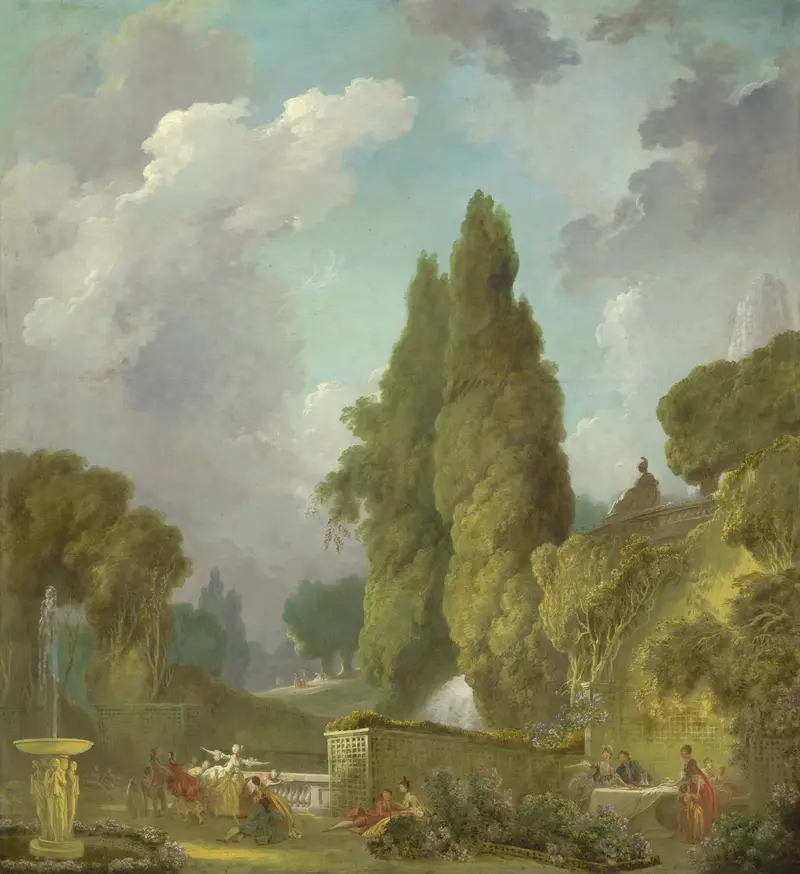
Blindman’s Buff
Jean-Honoré Fragonard
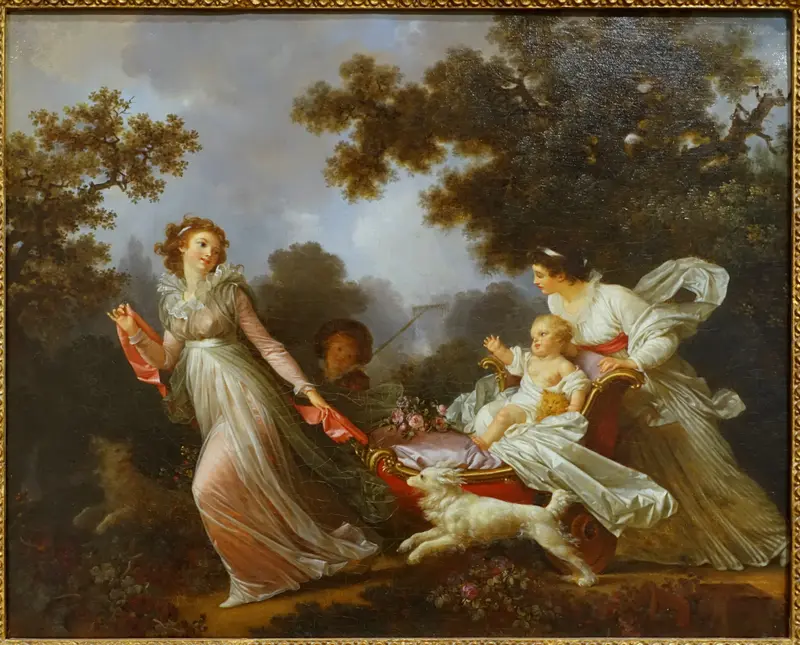
The Beloved Child
Jean-Honoré Fragonard
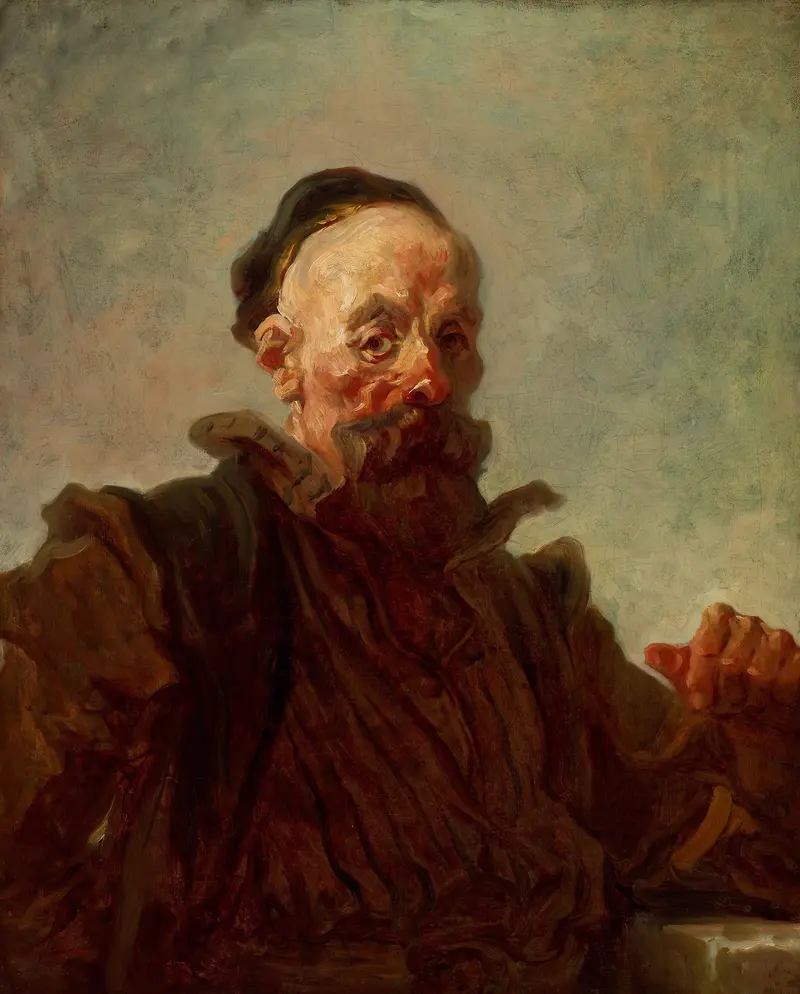
Portrait of a Man in Costume
Jean-Honoré Fragonard
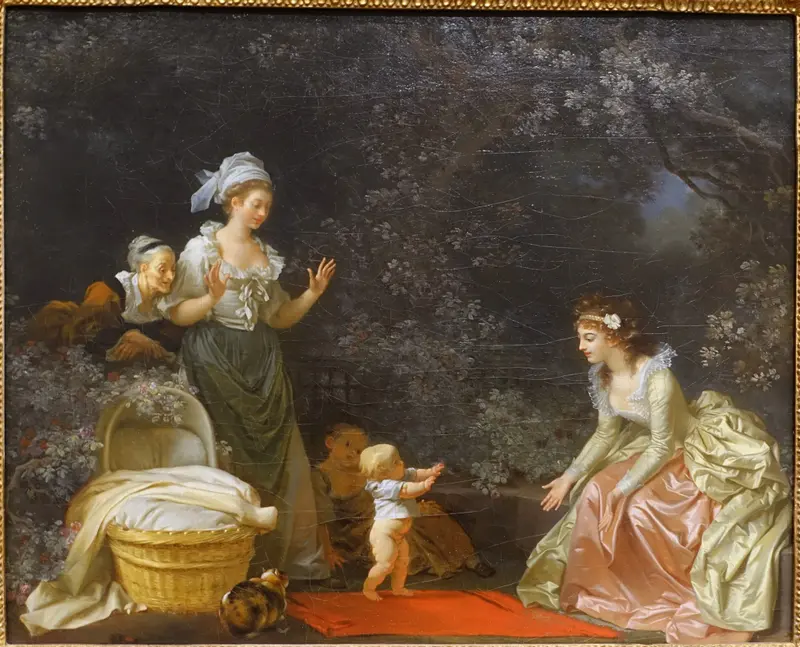
The First Steps
Jean-Honoré Fragonard





