
Marie Françoise de La Cropte de St. Abre, Marquise d'Argence — History & Facts
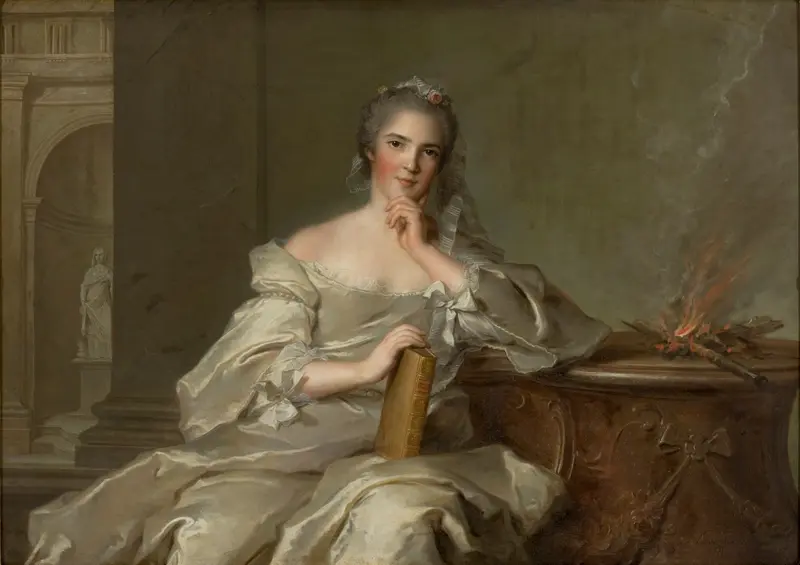
What first captures the eye is the sheer exuberance of the ribbon—an enormous, silvery bow that seems almost to float, defying the weight of the silk and the conventions of portraiture. The sitter’s gaze is direct, her lips gently upturned, inviting the viewer into a moment of poised confidence. Every detail is calculated for effect: the delicate pearls nestled in powdered hair, the single pink rose set off by a sprig of green, the shimmer of lace and satin.
Light glances off her forehead and cheekbones, softening the formality of her posture and drawing attention to the warmth in her expression. The background, a gentle blur of trees and sky, serves only to heighten the clarity and presence of the figure, making her the undeniable center of her own world. Created in 1744, this portrait belongs to the glittering world of mid-eighteenth-century France, when artists like Jean-Marc Nattier specialized in capturing the grace and aspirations of the aristocracy. Such works were more than likenesses: they were declarations of status, taste, and even wit, often commissioned to mark a marriage, a court appointment, or simply the latest turn of fashion.
The Metropolitan Museum of Art’s open access project has brought this painting into the public eye, but history has kept few traces of the sitter’s story, leaving us to read her character in the painter’s choices. In the end, it is the balance of opulence and intimacy—a hallmark of the Rococo—that invites us to linger, searching her face for the secrets of a vanished age.
More Artworks by Jean-Marc Nattier

Madame Crozat de Thiers and Her Daughter
Jean-Marc Nattier
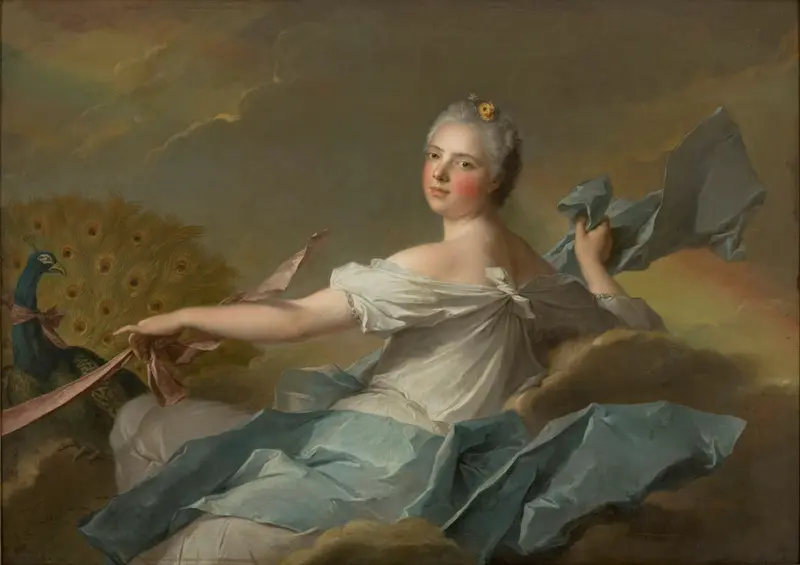
Princess Marie Adélaïde of France - The Air
Jean-Marc Nattier
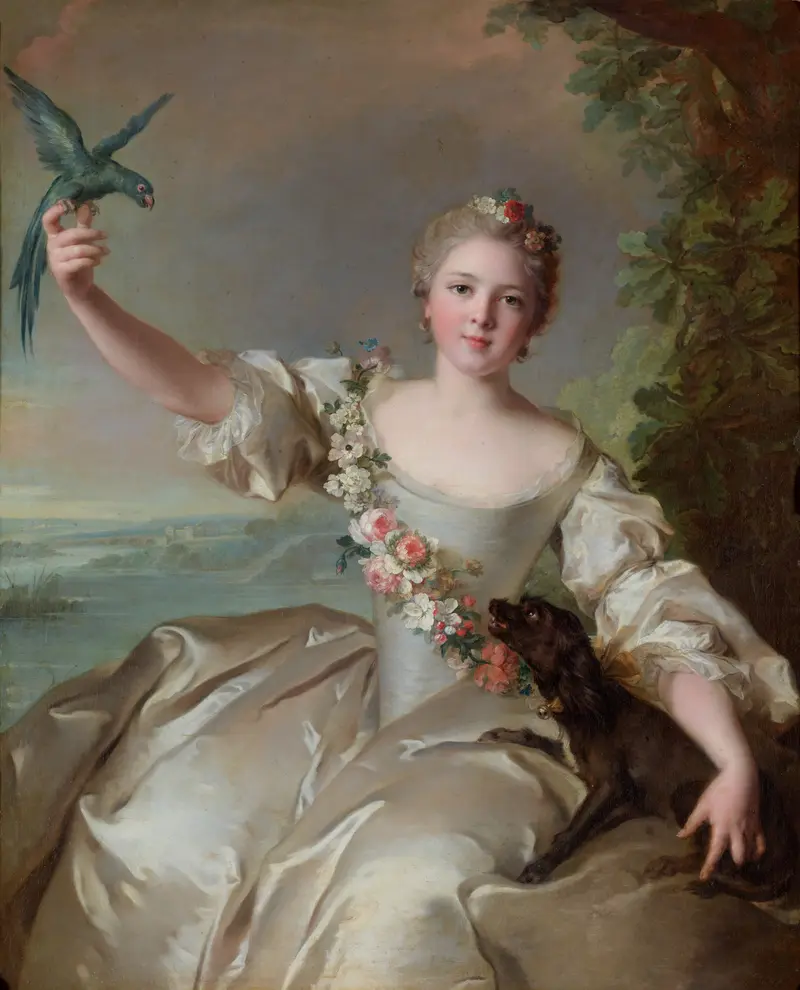
Portrait de Mathilde de Canisy, marquise d'Antin
Jean-Marc Nattier
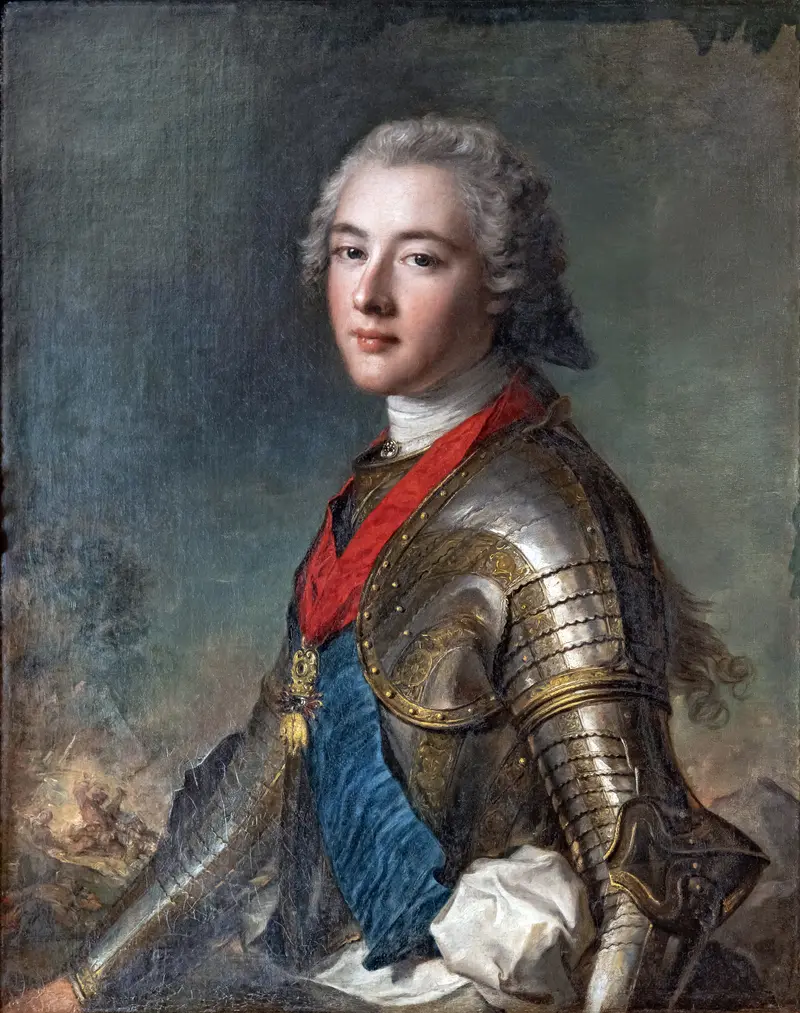
Bemberg Fondation Toulouse - Portrait de Louis Jean Marie de Bourbon, Duc de Penthièvre - Jean Marc Nattier inv.1158 82x65.4
Jean-Marc Nattier
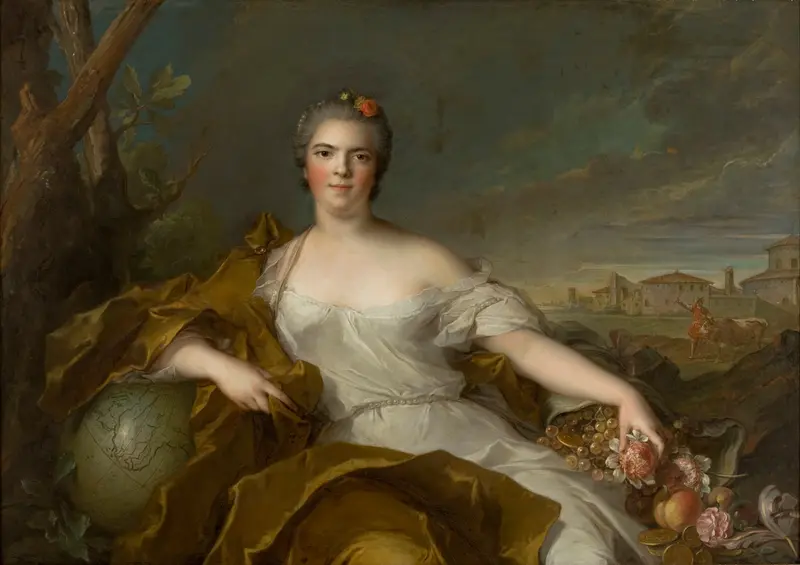
Princess Louise-Élisabeth of France - The Earth
Jean-Marc Nattier
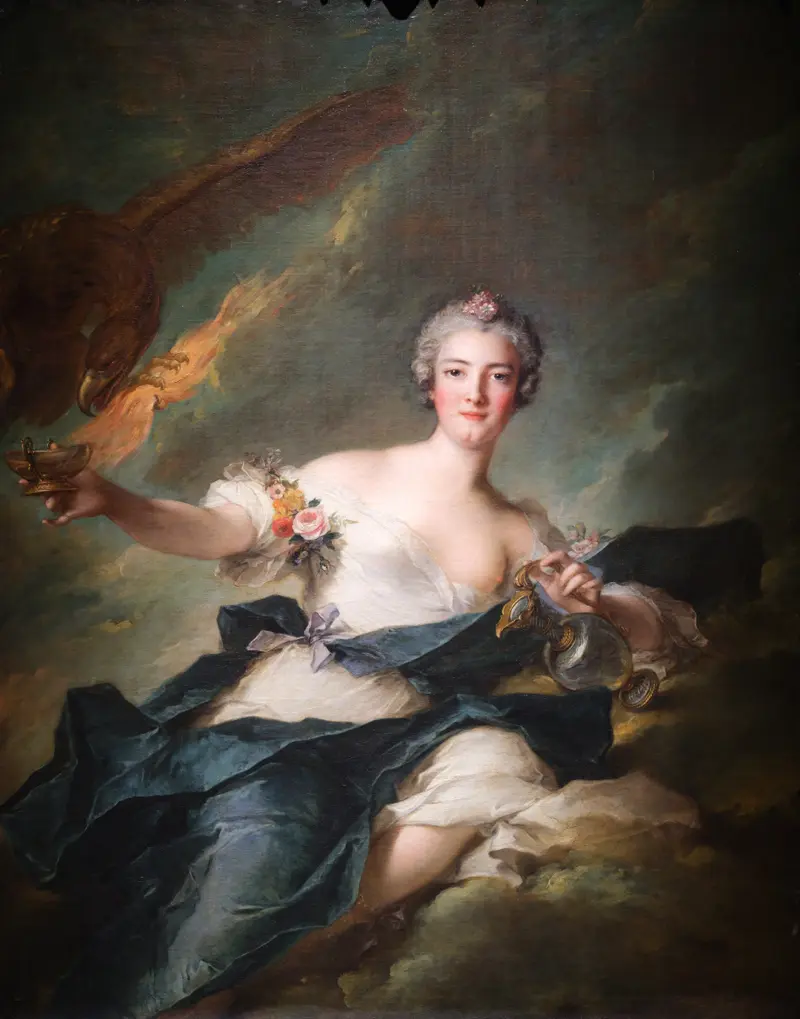
The Duchess of Chaulnes Represented as Hebe
Jean-Marc Nattier
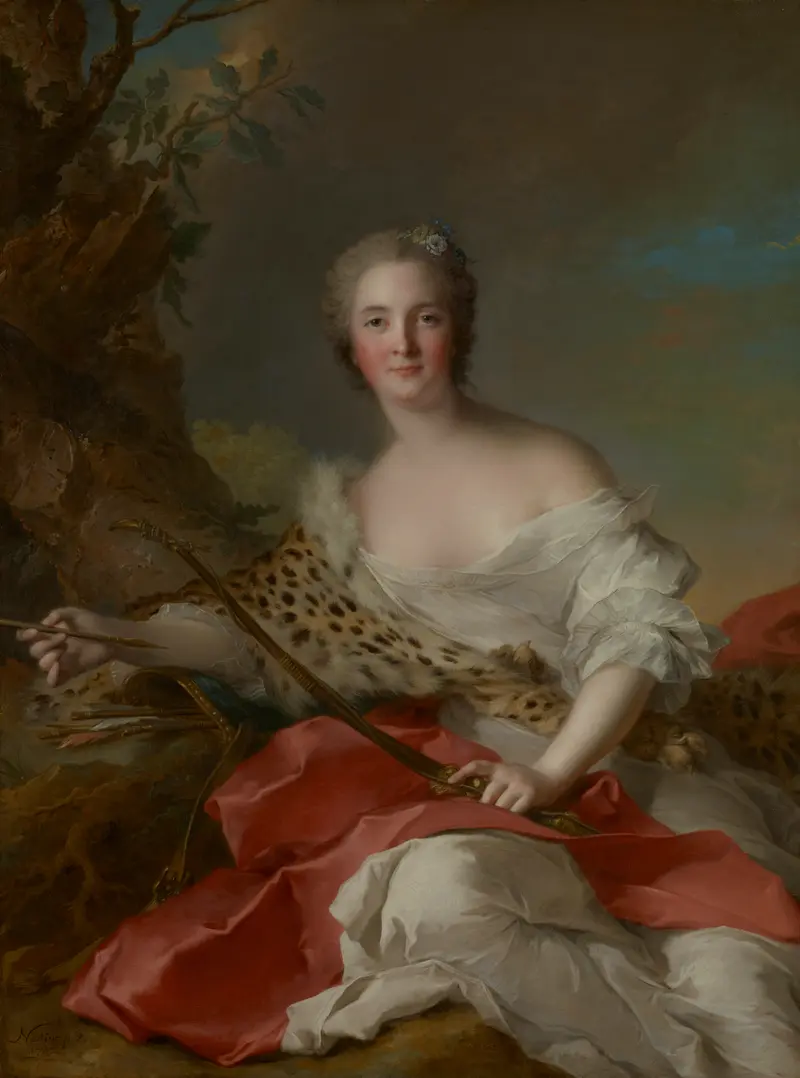
Portrait of Madame Bonnier de la Mosson as Diana (Constance-Gabrielle-Magdeleine du Monciel de Lauraille
Jean-Marc Nattier
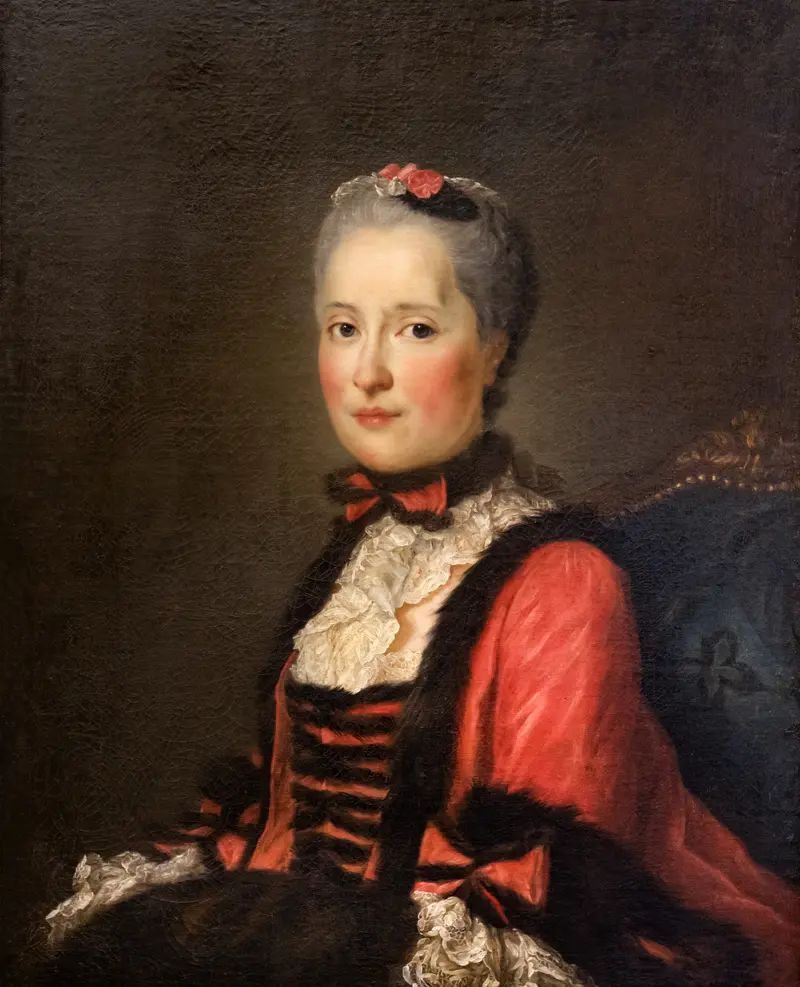
Portrait of Marie-Josephe of Saxony, Dauphine of France
Jean-Marc Nattier
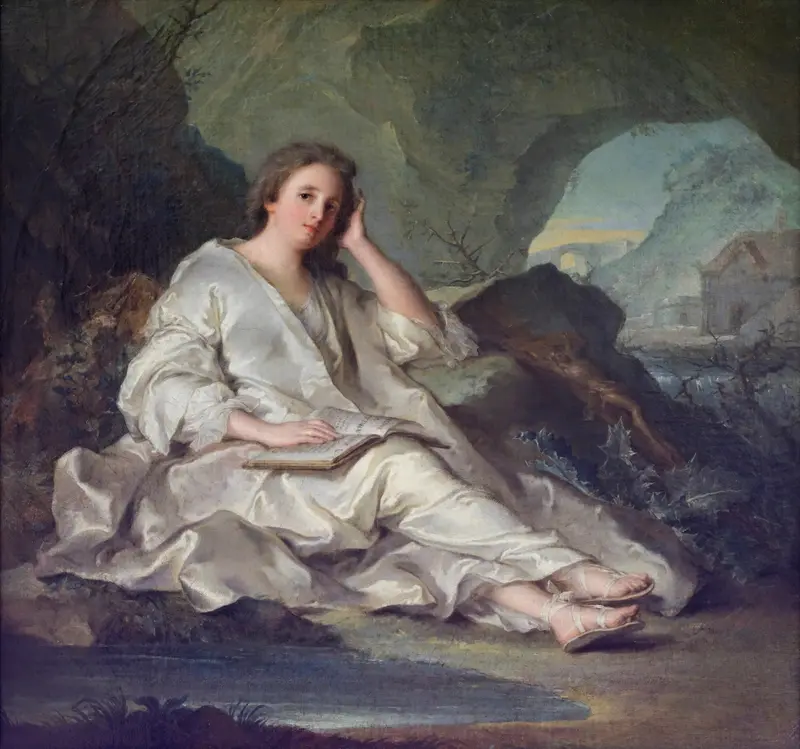
La Madeleine, ou Une Pénitente dans le désert Musée du Louvre Peintures INV 6880 ; MR
Jean-Marc Nattier
Princess Anne-Henriette of France - The Fire
Jean-Marc Nattier





