
Marius Returning to Rome — History & Facts
Few moments in Roman history have inspired as much drama as the return of Gaius Marius to Rome in 87 BCE, after exile and disgrace. The Roman general, once hailed as the savior of the Republic, marched back into the city at the head of an army, igniting a civil war that would shake the foundations of power. François Gérard seized on this charged episode, capturing the tension of a man both conqueror and outcast, whose fate was to become a symbol of Rome’s turbulent politics.
The painting’s enduring fascination lies in how it frames this return—not as a triumph, but as a reckoning. At the heart of Marius Returning to Rome, Gérard selects the instant when Marius, weary and unbowed, steps onto Roman soil, his gaze fixed on the Senate that once condemned him. The general’s weathered armor and tattered cloak speak to years of hardship, while his upright posture signals defiance. Around him, the city’s citizens and senators recoil or whisper, their gestures a mixture of fear and awe.
Light falls sharply on Marius’ face, separating him from the shadowed crowd and underscoring his isolation. Unlike Jean-Baptiste Greuze’s sentimental renderings of exile, Gérard’s scene is tense and political—a meditation on power, pride, and the cost of ambition. The precise origins of Marius Returning to Rome remain uncertain; the painting’s date and early history are not clearly documented, though it bears all the hallmarks of Gérard’s neoclassical period. Gérard, celebrated for his portraits and grand historical canvases, often chose subjects that explored the fates of heroes at moments of crisis.
While it is not clear for whom this work was originally painted, its scale and ambition suggest a public or official commission, perhaps intended for a civic or royal collection. Today, the painting is recognized as a key example of Gérard’s ability to fuse psychological insight with classical grandeur, and it continues to invite viewers to reflect on the cycles of fortune and power.
More Artworks by François Gérard

Portrait of Emperor Napoleon I
François Gérard
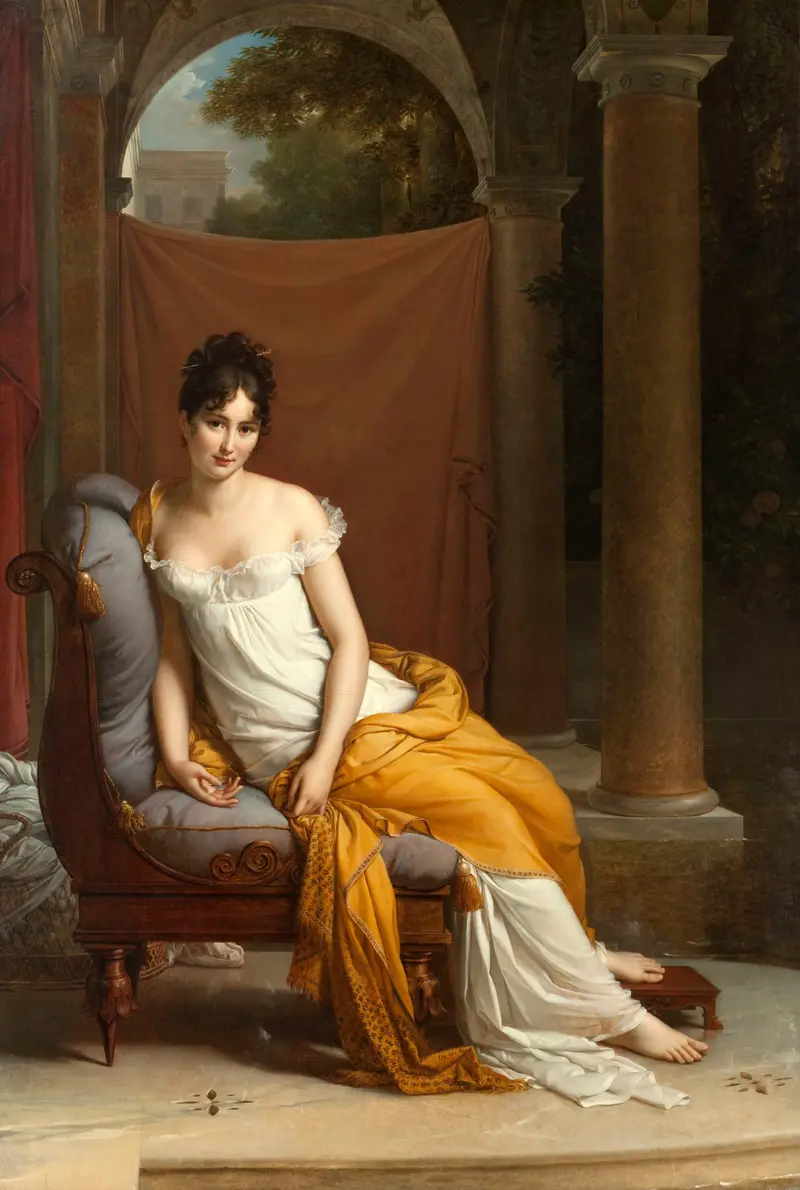
Portrait of Juliette Récamier, née Bernard
François Gérard
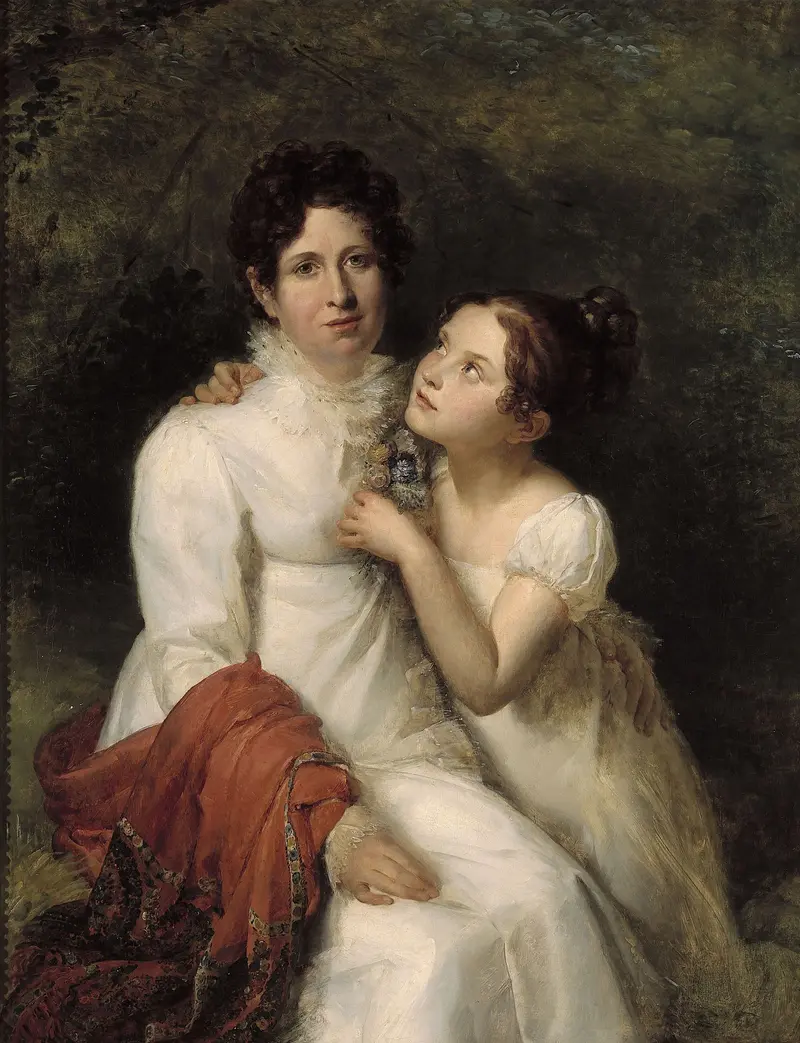
Portrait de Madame Bauquin Du Boulay et de sa nièce Mademoiselle Bauquin de La Souche
François Gérard
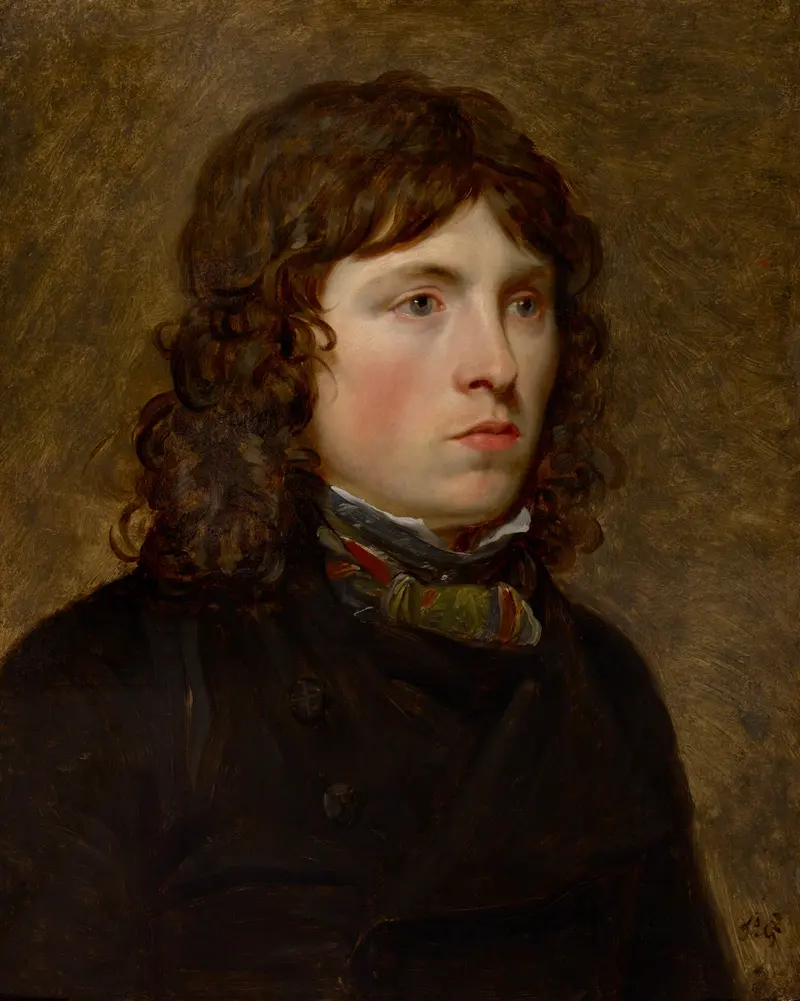
Portrait of G. F. Reverdin
François Gérard
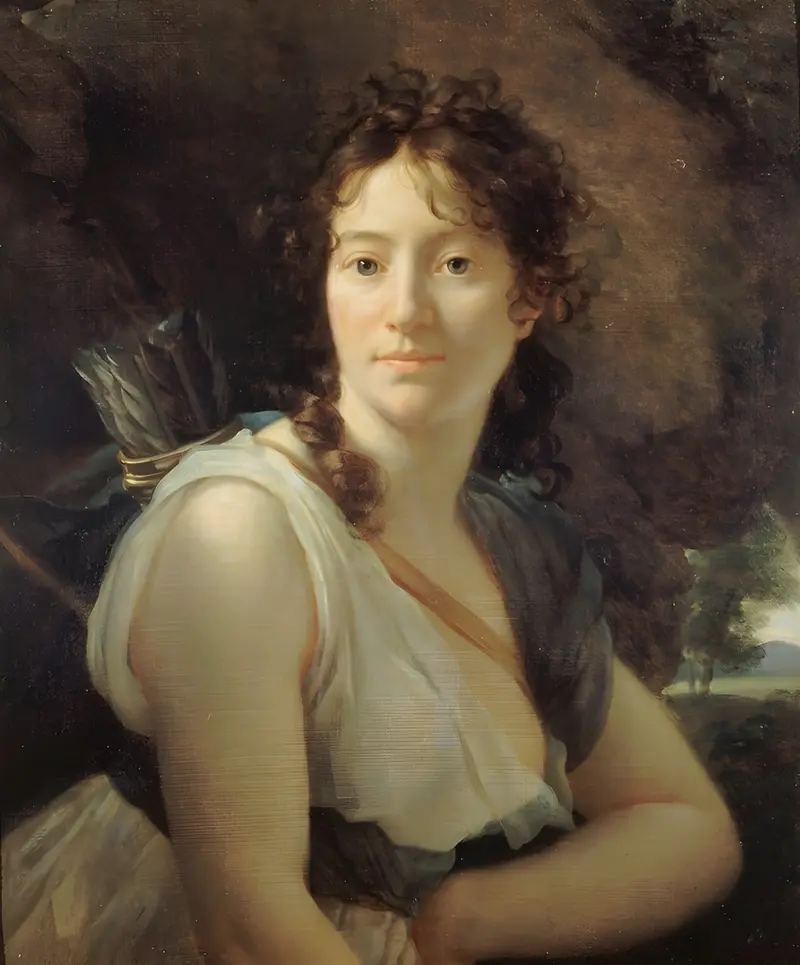
Portrait Of Mademoiselle Duchesnois (1777-1835), Member Of The Comédie-Française, In The Role Of Dido.
François Gérard
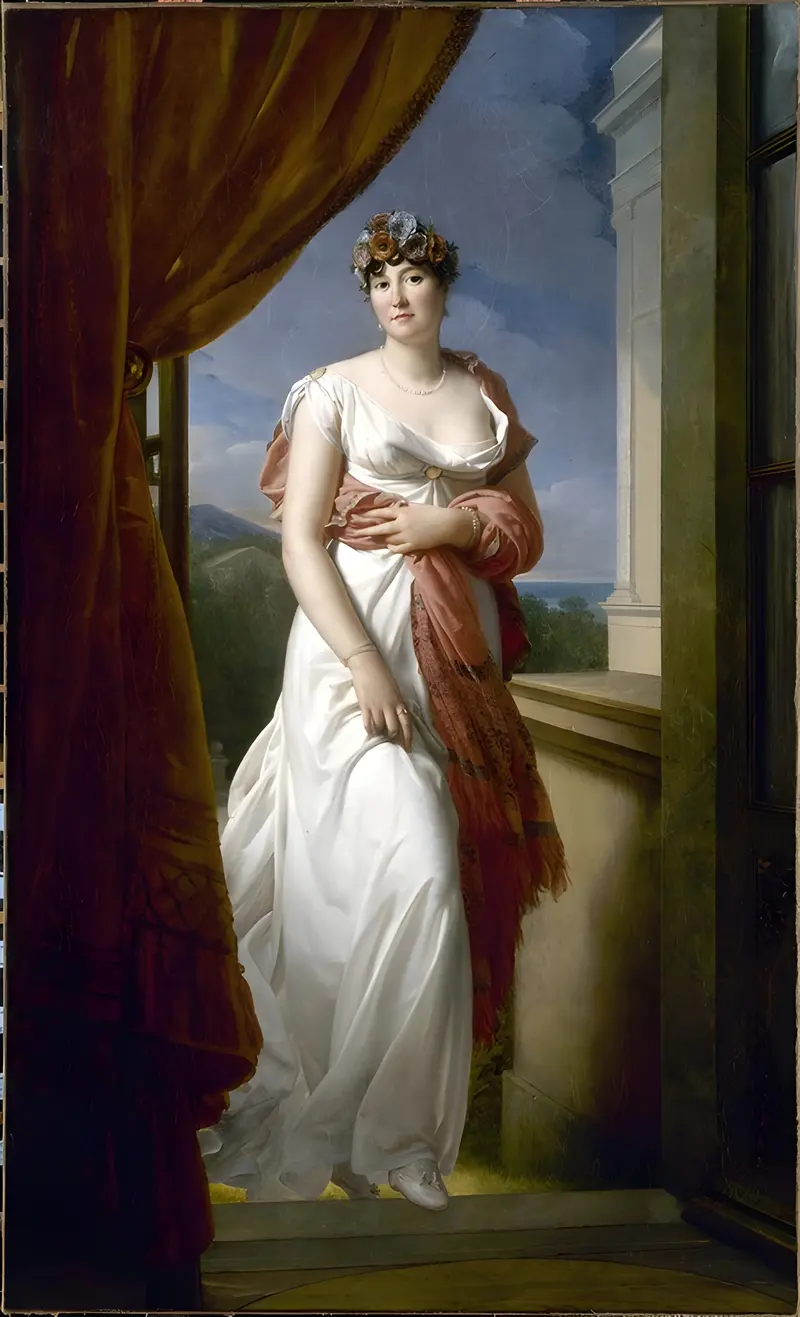
Portrait Of Theresia Cabarrus (1773-1835), Wife Tallien, Then Princess Of Caraman-Chimay
François Gérard
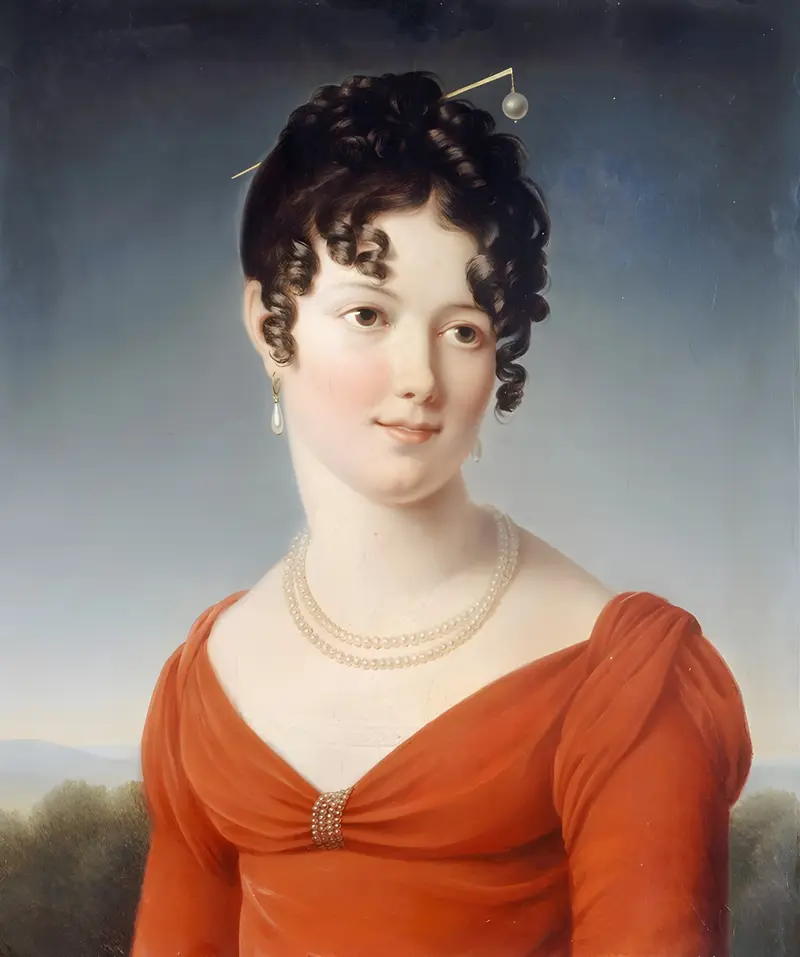
Bust Portrait Of Alexandrine-Anne De La Pallu, Marquise De Flers (1786-1832)
François Gérard
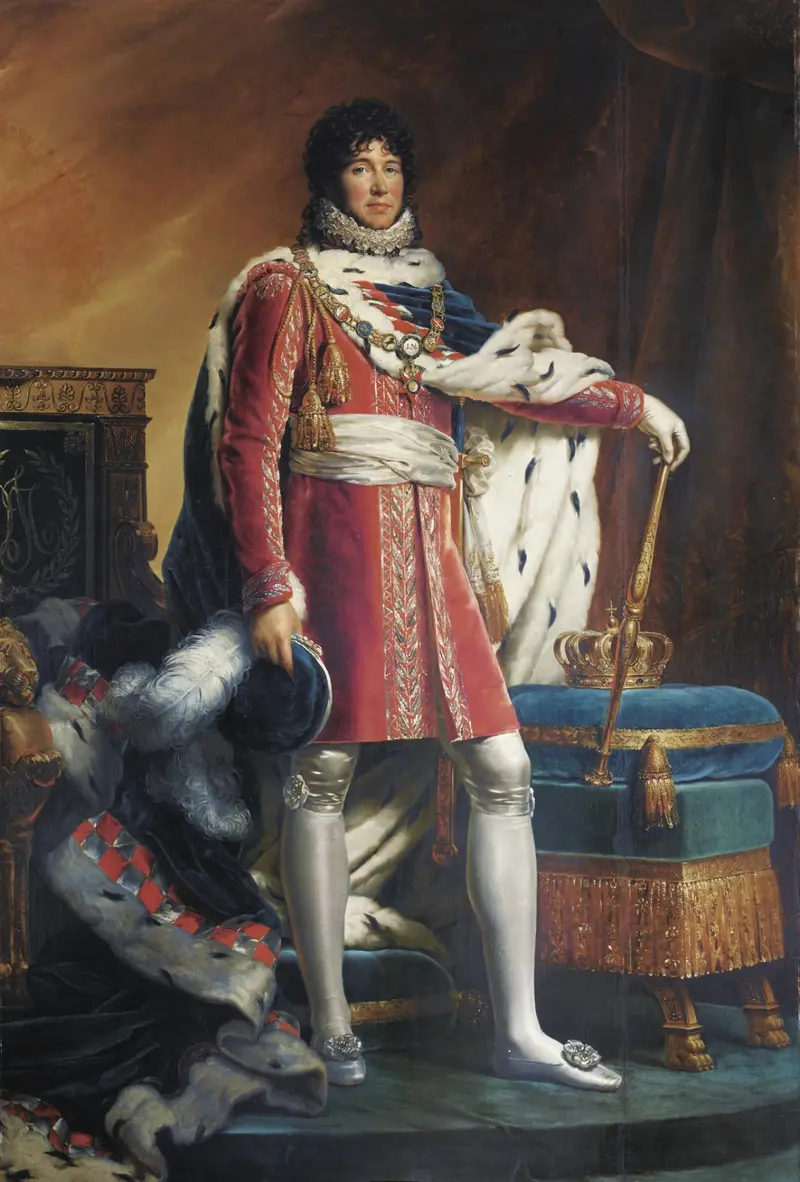
Portrait of Joachim Napoléon Murat, King of Naples and of the two Sicilies
François Gérard
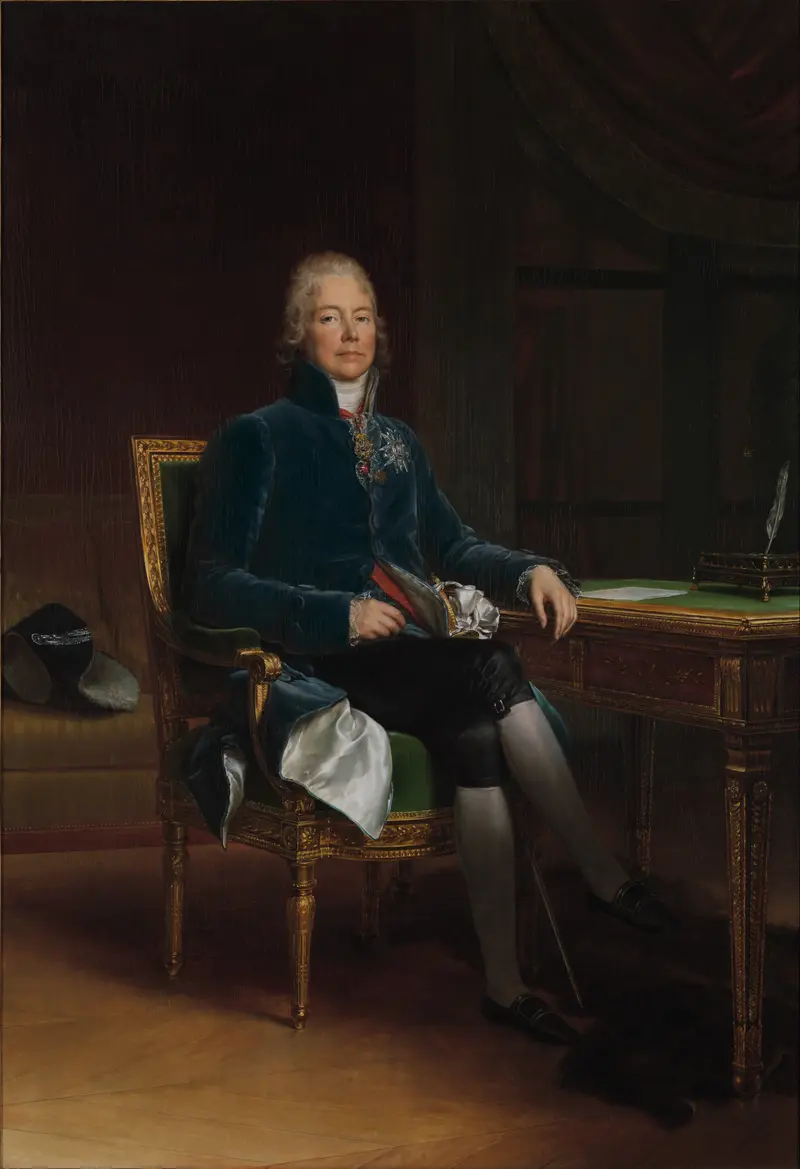
Charles Maurice de Talleyrand Périgord (1754–1838), Prince de Bénévent
François Gérard
Daphnis Running toward Chloe
François Gérard





