
Markusplatz — History & Facts
Did the painter know this moment would outlive them? In Markusplatz, a shimmering scene unfolds, revealing humanity at the feet of divinity, the very air thick with reverence and anticipation. Focus on the grand, illuminated façade of St. Mark's Basilica rising majestically at the center of the canvas. Notice how the soft golden hues of the setting sun bathe the intricate mosaics, casting an ethereal glow that invites you to explore every corner of its ornate details.
The figures scattered throughout the foreground are drawn with a delicate touch; their animated gestures and expressions narrate a story of devotion and awe, inviting the viewer into the bustling energy that defines this sacred space. Yet, amid the harmony of colors and forms, a subtle tension brews. Look closely, and you will find a juxtaposition between the fleetingness of human emotion and the eternal nature of the architecture—each person, a moment in time, contrasted against the steadfast beauty of the basilica. The gentle play of light and shadow emphasizes the divine presence looming above, hinting at both the solace and the burdens of faith.
This moment captures not just a gathering, but a communion of souls with something greater than themselves. In the early 1860s, Josef Carl Berthold Püttner was entrenched in the vibrant art scene of Vienna, grappling with the evolving styles of his time. Working on Markusplatz during this period of artistic transition, he sought to marry realism with the spiritual, reflecting both the grandeur of the architectural marvel and the intimate connection of worshipers in prayer. It was a moment where craftsmanship and deep emotional resonance met, shaping a lasting legacy that would echo through the ages.
More Artworks by Josef Carl Berthold Püttner
Browse all →
Seegefecht bei Helgoland
Josef Carl Berthold Püttner

Markusplatz
Josef Carl Berthold Püttner
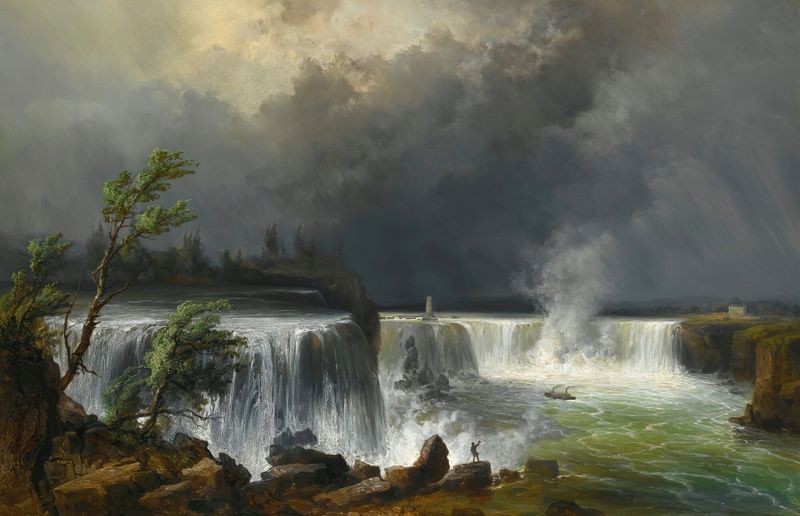
Niagara Falls
Josef Carl Berthold Püttner

Nachtfahrt in der Lagune
Josef Carl Berthold Püttner

The sea battle at Helgoland on 9 May 1864
Josef Carl Berthold Püttner

Schiffbruch bei Kap Hoorn
Josef Carl Berthold Püttner
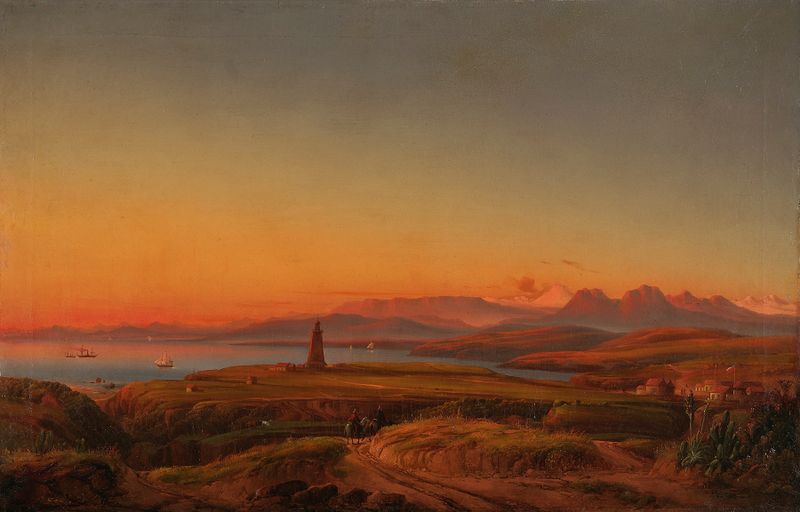
Bay Near Valparaiso, Chile
Josef Carl Berthold Püttner
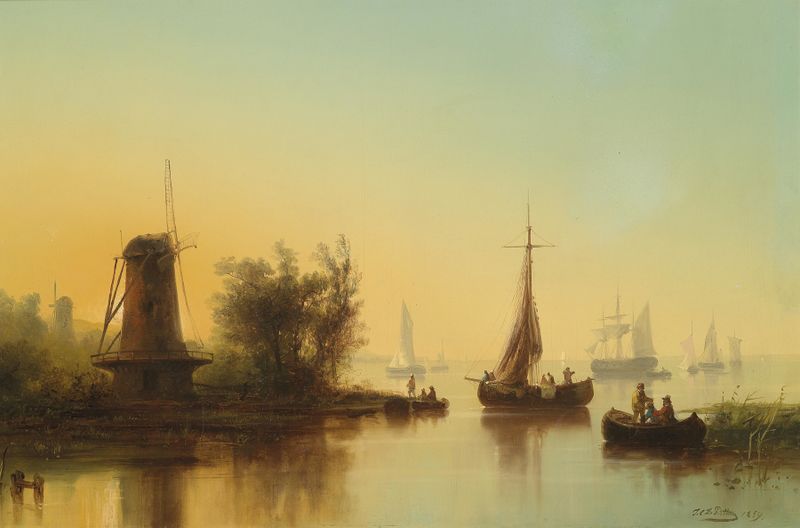
Mündung der Maas
Josef Carl Berthold Püttner
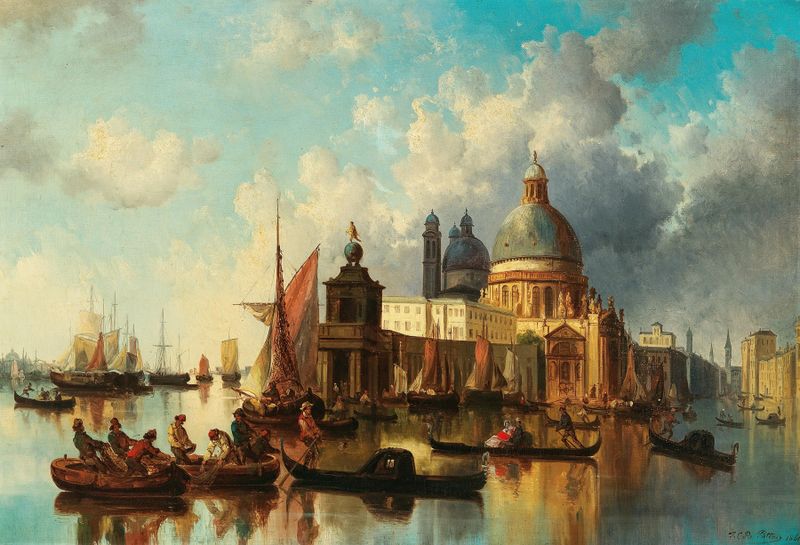
Venice, Santa Maria della Salute
Josef Carl Berthold Püttner
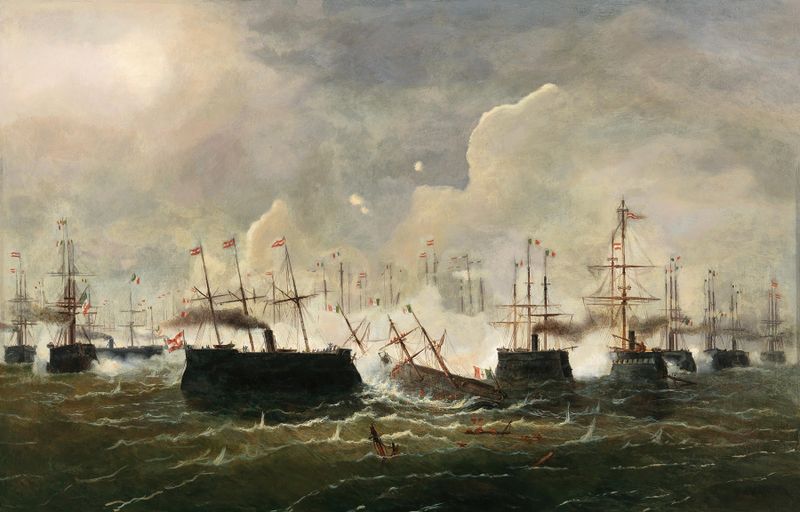
The Naval Battle of Lissa
Josef Carl Berthold Püttner
More Architecture Art
Browse all →
The statue of Liberty
Frédéric Auguste Bartholdi

View of Houses in Delft, Known as ‘The Little Street’
Johannes Vermeer

View of Houses in Delft, Known as ‘The Little Street’
Johannes Vermeer

The Cathedral in Rouen. The portal, Grey Weather
Claude Monet

The yellow house
Vincent van Gogh

The Church in Auvers-sur-Oise, View from the Chevet
Vincent van Gogh