
The Naval Battle of Lissa — History & Facts
The sky roars with the thunder of cannon fire, and the sea churns beneath the weight of desperate naval maneuvers. Ships clash, their sails billowing like the wings of great beasts battling for supremacy. Men shout orders, their faces etched with determination and fear, as the vibrant hues of the ocean clash with the smoky gray of battle. Look to the center, where the chaos is most intense; notice how the artist captures the swirling forms of ships, their hulls painted in a cascade of deep blues and shadowy blacks, contrasted sharply by the bright flashes of cannon fire.
The composition draws your eye inward, creating a vortex of movement that feels almost tangible. The splashes of fiery reds and oranges intermingle with the turbulent water, creating a visceral tension that mirrors the conflict itself. Hidden within this tumult are moments of poignancy—glimpses of brotherhood among sailors, the fleeting shadows of fear and bravery in their eyes. The contrast between the calm sky above and the turmoil below amplifies the painting's emotional impact, suggesting the fragility of life amidst great chaos.
Each detail—a splintered mast, a fallen sailor—tells a story of sacrifice and valor, encapsulating the weight of history in a single frame. Püttner created this striking work during a time of flourishing Romanticism, likely depicting the 1866 Battle of Lissa, where Austria faced Italy. As an artist based in the 19th century, he experienced the shifting tides of national pride and the dramatic allure of naval warfare, which infused this piece with both historical significance and emotional depth. It was a period when art began to explore not just the beauty of the natural world but the complexities of human conflict.
More Artworks by Josef Carl Berthold Püttner
Browse all →
Seegefecht bei Helgoland
Josef Carl Berthold Püttner

Markusplatz
Josef Carl Berthold Püttner
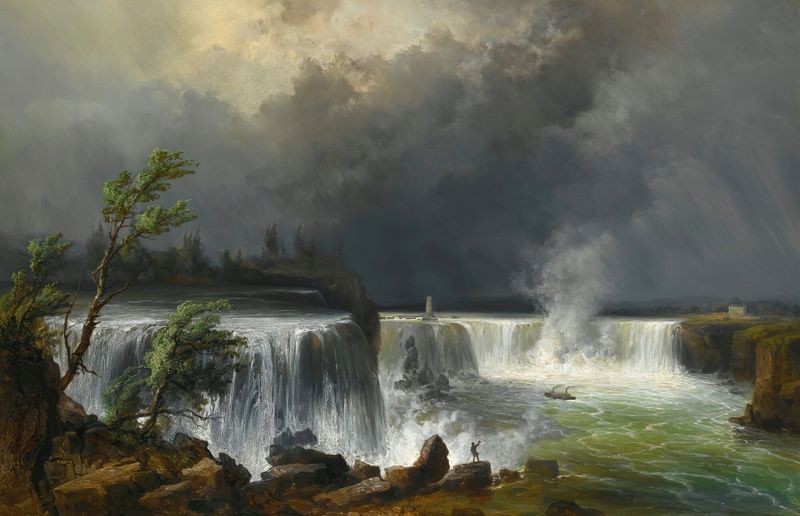
Niagara Falls
Josef Carl Berthold Püttner

Nachtfahrt in der Lagune
Josef Carl Berthold Püttner

The sea battle at Helgoland on 9 May 1864
Josef Carl Berthold Püttner

Schiffbruch bei Kap Hoorn
Josef Carl Berthold Püttner
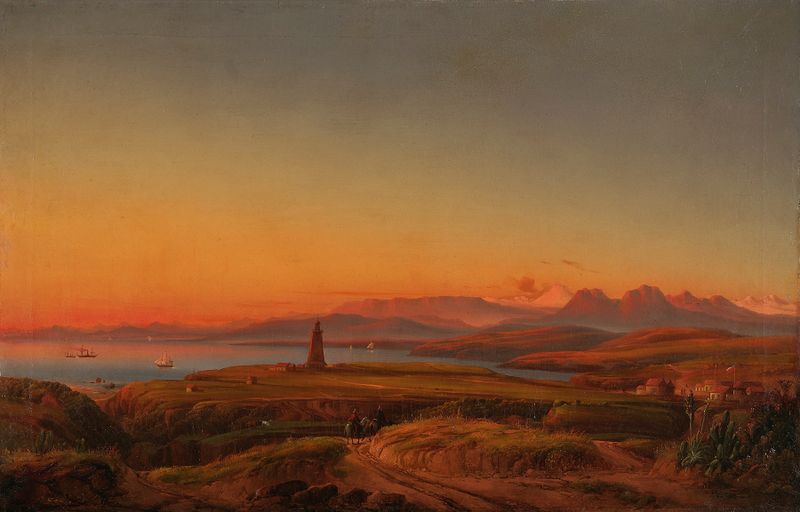
Bay Near Valparaiso, Chile
Josef Carl Berthold Püttner
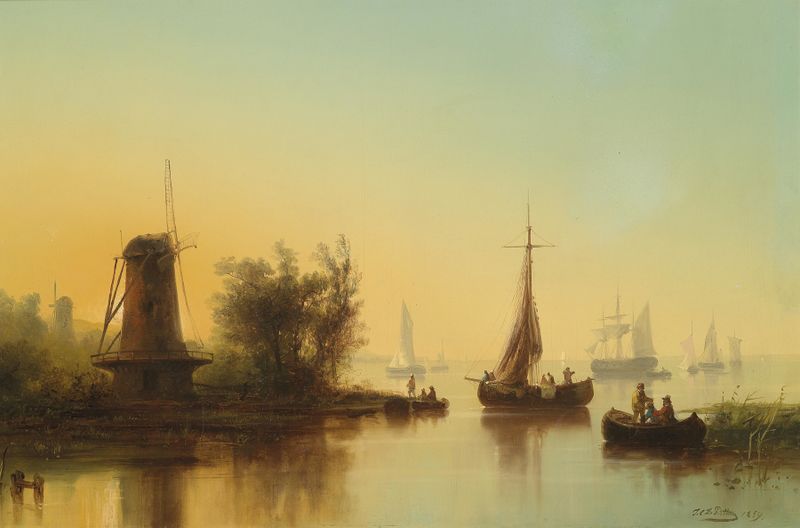
Mündung der Maas
Josef Carl Berthold Püttner
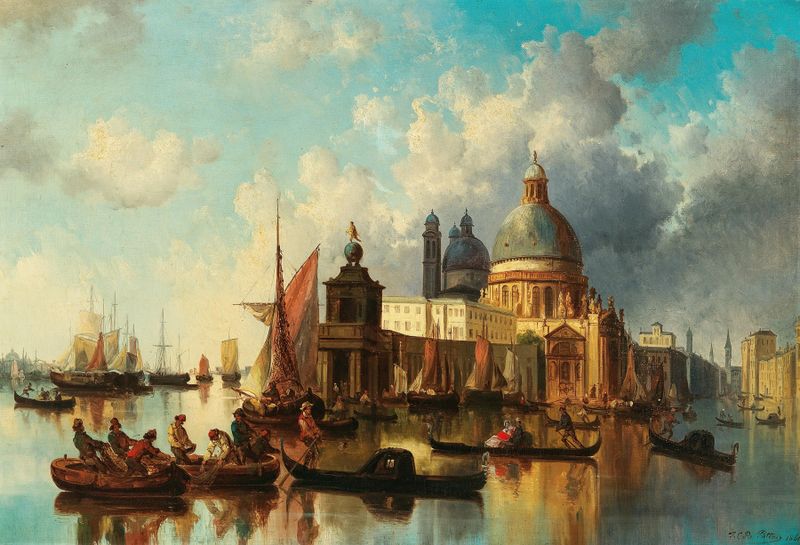
Venice, Santa Maria della Salute
Josef Carl Berthold Püttner
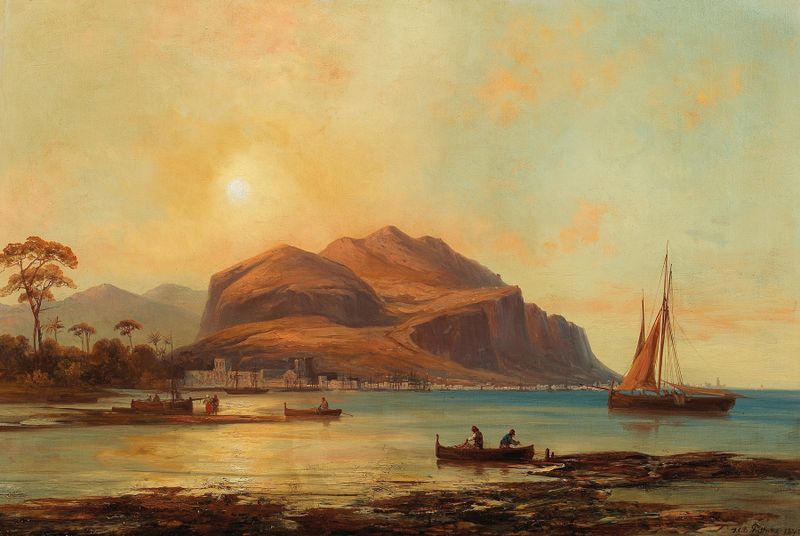
A View of the Bay of Palermo with Monte Pellegrino
Josef Carl Berthold Püttner
More Historical Art
Browse all →
The Night Watch Militia Company of District II under the Command of Captain Frans Banninck Cocq
Rembrandt van Rijn

Lincoln Memorial
Henry Bacon

The Third of May 1808
Francisco de Goya

Isaac and Rebecca, Known as ‘The Jewish Bride’
Rembrandt van Rijn

The Charge of the Mamelukes (1814)
Francisco de Goya

De vier ruiters van de apocalyps
Albrecht Dürer