Discover insights about this artwork
Mars and Rhea Silvia — History & Facts
In Mars and Rhea Silvia, vibrant reds and greens dominate the canvas, creating a lively atmosphere. The figures of Mars and Rhea Silvia are depicted in a dramatic embrace, surrounded by lush foliage. Mars, the god of war, is shown in armor, while Rhea Silvia, the mother of Romulus and Remus, appears delicate and ethereal.
The background features a rich landscape that enhances the mythological context of the scene. Rubens employs oil on canvas to create this dynamic composition, typical of the Baroque style. The use of light and shadow adds depth, while the flowing drapery of the figures showcases Rubens' skill in depicting movement. The painting's large dimensions, approximately 200 x 300 cm, allow for a grand representation of the mythological narrative.
The intricate details in the foliage and armor highlight Rubens' attention to realism. Peter Paul Rubens was a leading figure in the Baroque movement, known for his energetic compositions and rich color palettes. Mars and Rhea Silvia reflects his fascination with mythology and the human form. An interesting fact about this work is that it was commissioned by the Spanish king Philip IV, showcasing Rubens' prominence in European art during the 17th century.
The painting remains a significant example of how mythological themes were interpreted in Baroque art.
More Artworks by Peter Paul Rubens
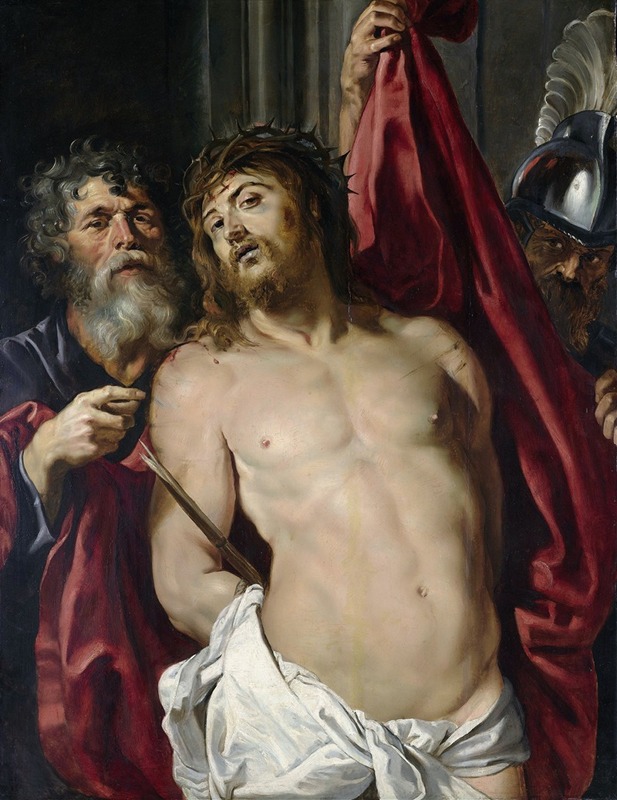
Ecce homo
Peter Paul Rubens
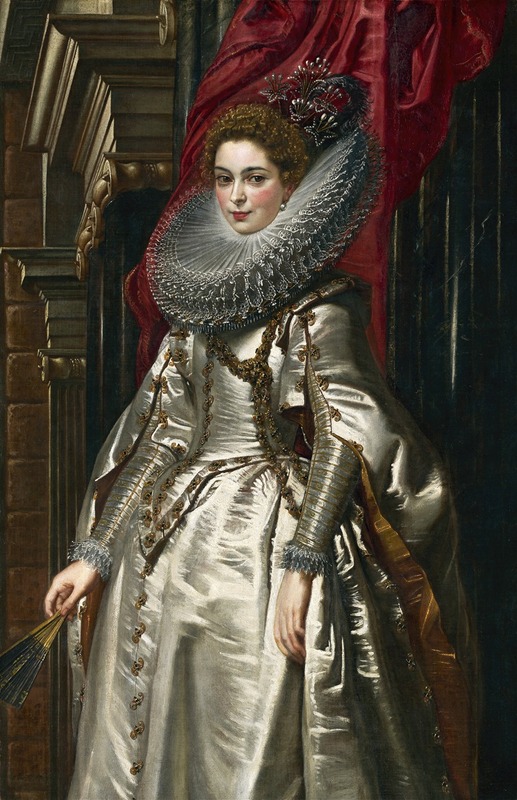
Marchesa Brigida Spinola Doria
Peter Paul Rubens
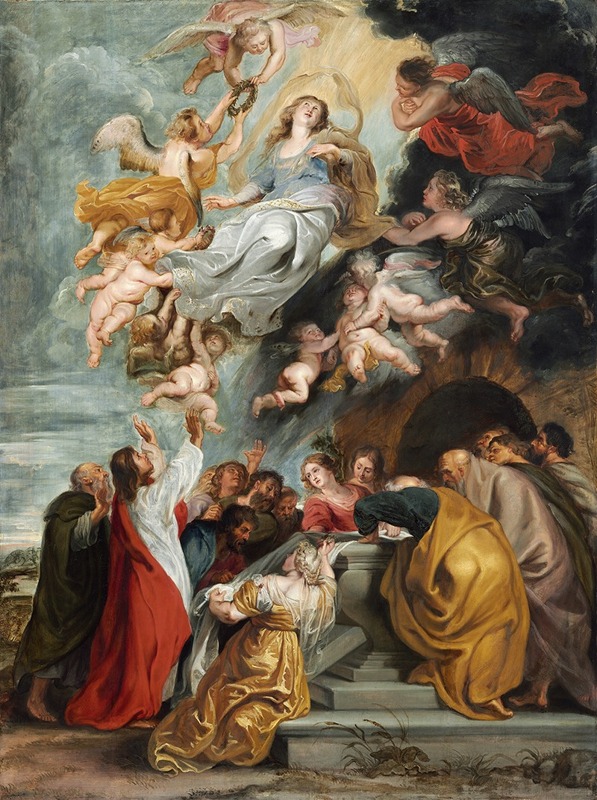
The Assumption of the Virgin
Peter Paul Rubens

Saint Teresa of Ávila Interceding for Souls in Purgatory
Peter Paul Rubens
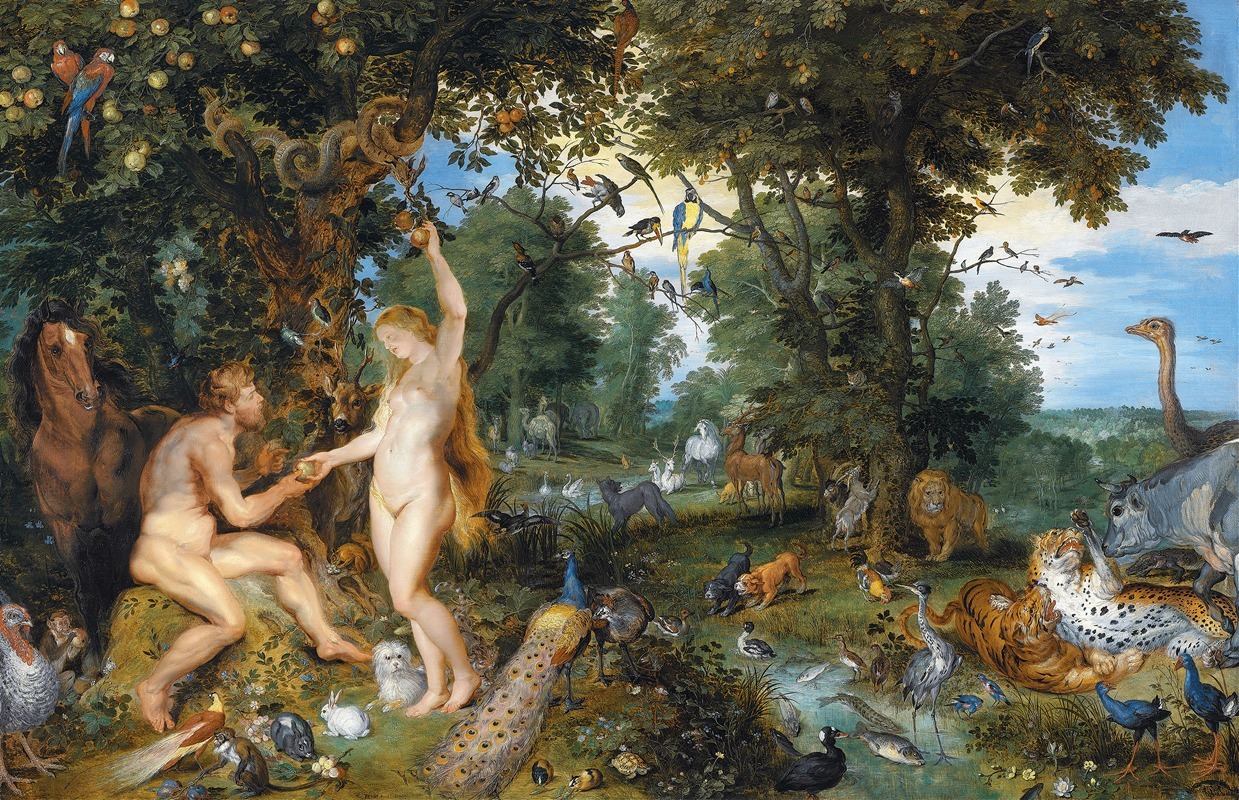
The Garden of Eden with the Fall of Man
Peter Paul Rubens
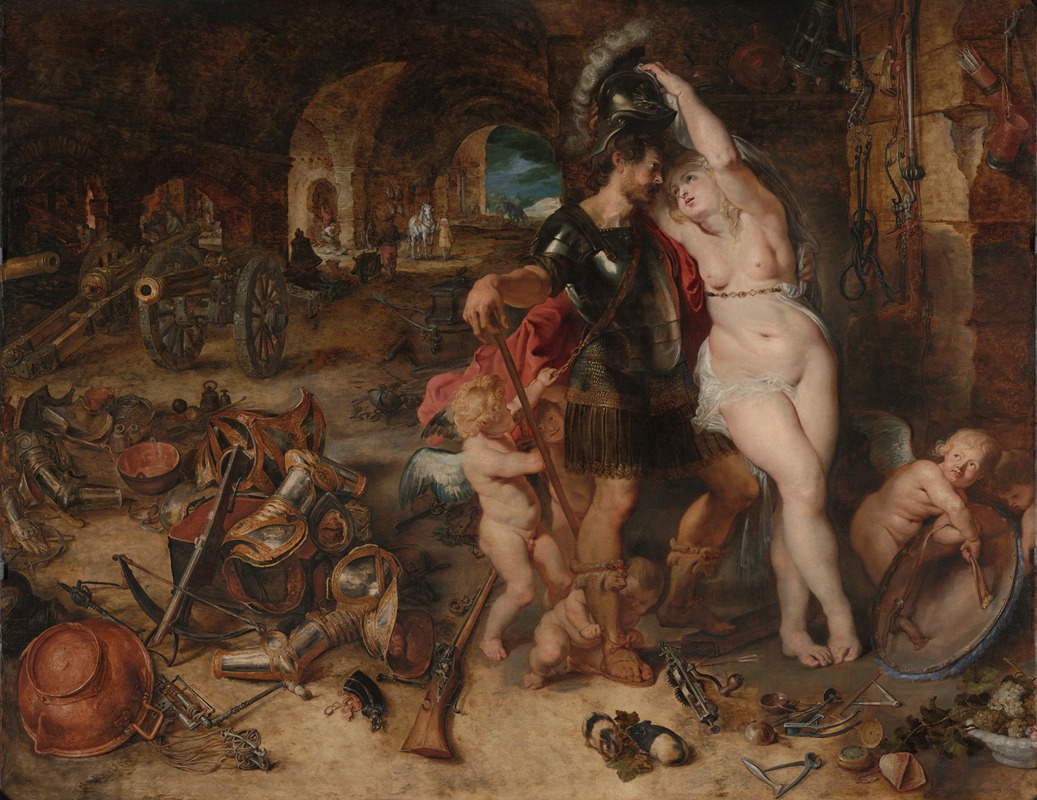
The Return From War,Mars Disarmed By Venus
Peter Paul Rubens
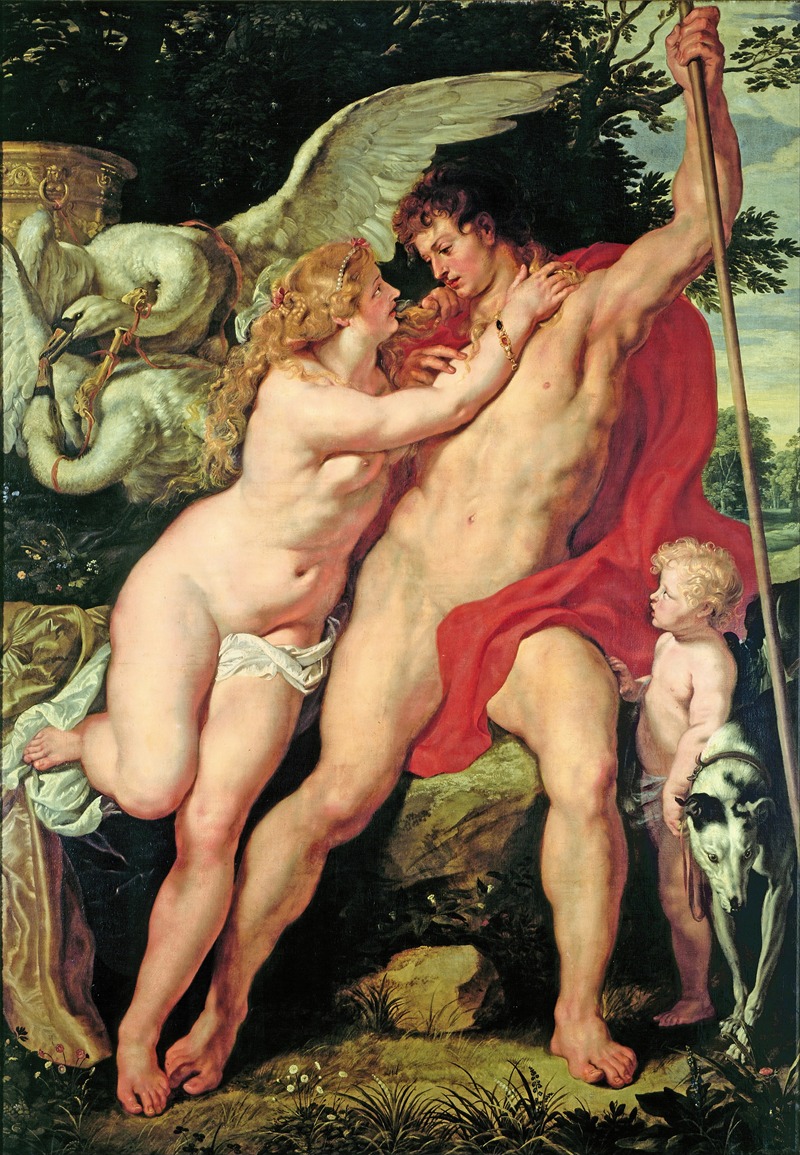
Venus and Adonis
Peter Paul Rubens
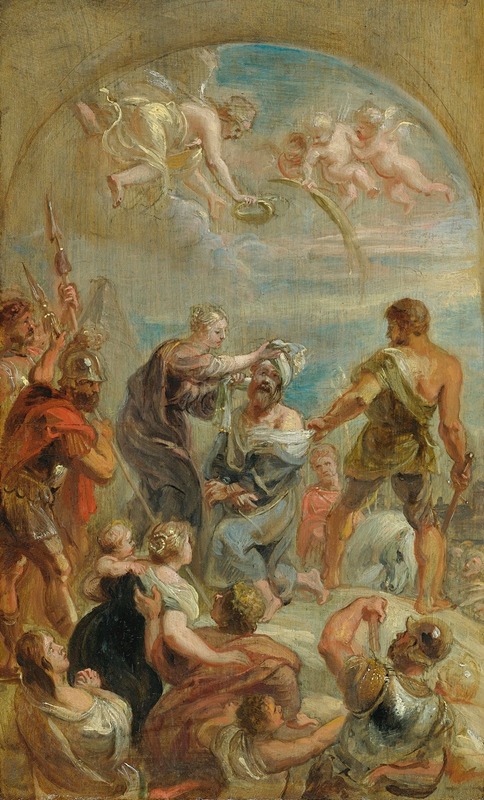
The Martyrdom Of Saint Paul
Peter Paul Rubens
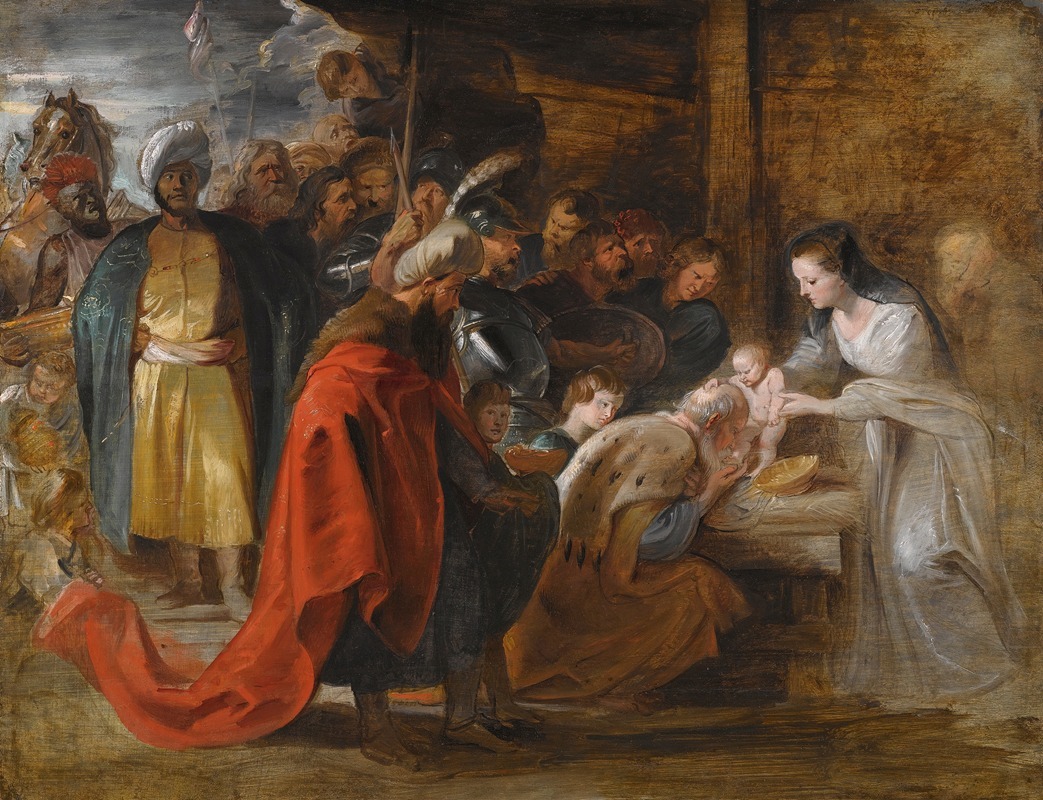
The Adoration Of The Magi
Peter Paul Rubens
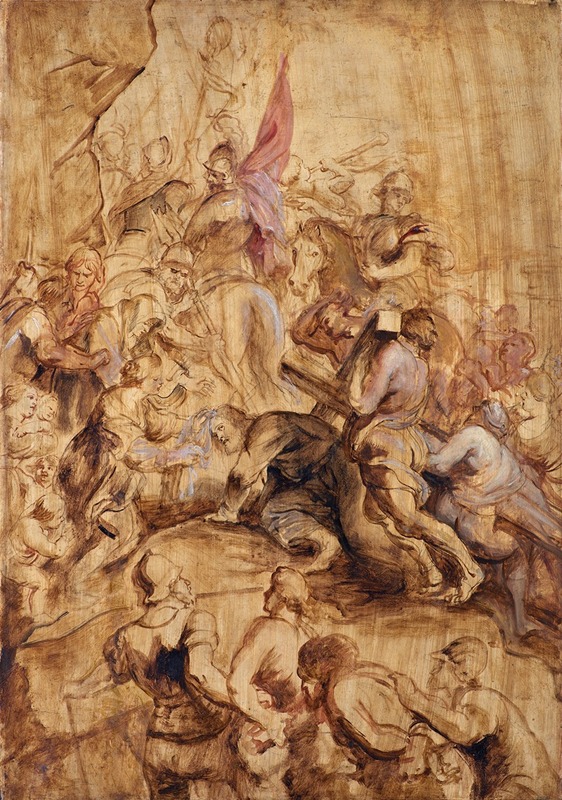
The Ascent to Calvary. The Bearing of the Cross
Peter Paul Rubens