
Matsuri Yatai Phoenix — History & Facts
In 1844, at the age of eighty-four, Katsushika Hokusai created Matsuri Yatai Phoenix during his so-called "Gakyō Rōjin" or "Old Man Mad About Painting" period, a time when he claimed, "From the age of six I had a mania for drawing the shapes of things." This work stands out among his late pieces for its focus on the elaborate festival floats (yatai) of Edo, which were themselves feats of communal artistry and pride. The phoenix motif, central to this composition, was a popular symbol in Japanese festivals, representing renewal and imperial power. Unlike his more widely known landscapes and prints, this work’s subject connects directly to the living traditions of the city, capturing a fleeting spectacle that was both civic ritual and artistic display. The painting freezes the moment when the festival float, crowned with a gilded phoenix, emerges into the crowded street, its lacquered panels glinting in the sunlight.
The phoenix, wings outstretched, perches atop a riot of carved dragons and swirling clouds, its gaze fixed ahead as if leading the procession. Hokusai’s attention to the float’s ornate details—the tassels, lanterns, and painted panels—invites viewers to linger on the craftsmanship that went into these moving monuments. The dense crowd below, rendered with brisk lines and vibrant touches of color, conveys the communal excitement of the matsuri.
In contrast to Utagawa Hiroshige’s more atmospheric festival scenes, Hokusai’s approach is direct and celebratory, focusing on the energy and spectacle of the float itself. The precise medium of Matsuri Yatai Phoenix remains uncertain, as the work survives today primarily through later reproductions and references in Edo-period festival records. Its original commission is undocumented, but it is likely that a local guild or festival committee sought out Hokusai for his reputation in capturing both the spirit and detail of urban life. The painting’s whereabouts were lost for decades, and it is now known mostly from woodblock copies and illustrated books published after Hokusai’s death.
As a late work, it reflects the artist’s enduring fascination with popular culture and his technical inventiveness, even as his health declined. Today, Matsuri Yatai Phoenix is celebrated as a testament to Hokusai’s lifelong engagement with the spectacle and vitality of Edo’s streets.
More Artworks by Katsushika Hokusai

The Great Wave off Kanagawa
Katsushika Hokusai
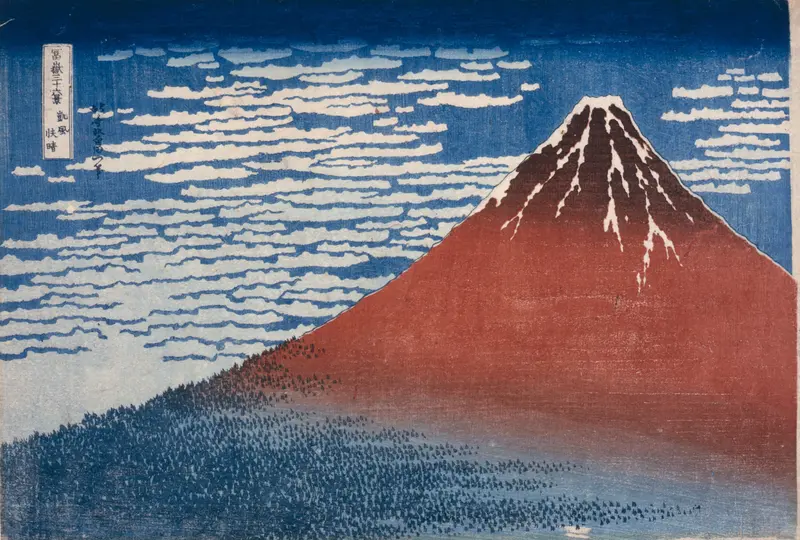
Fine Wind, Clear Morning (Red Fuji)
Katsushika Hokusai
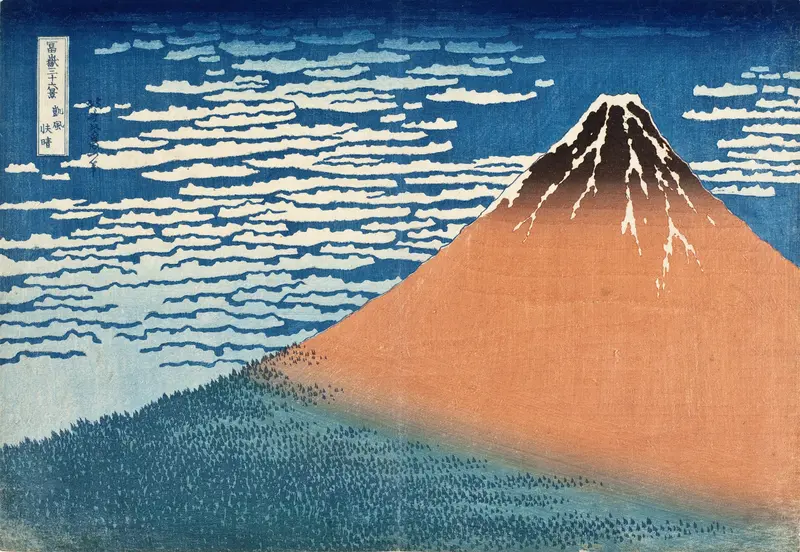
South Wind, Clear Dawn
Katsushika Hokusai
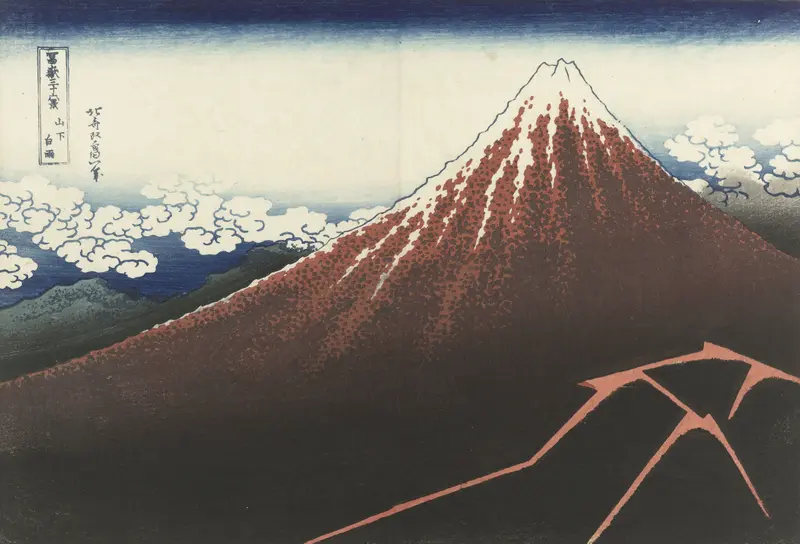
Rainstorm Beneath the Summit
Katsushika Hokusai
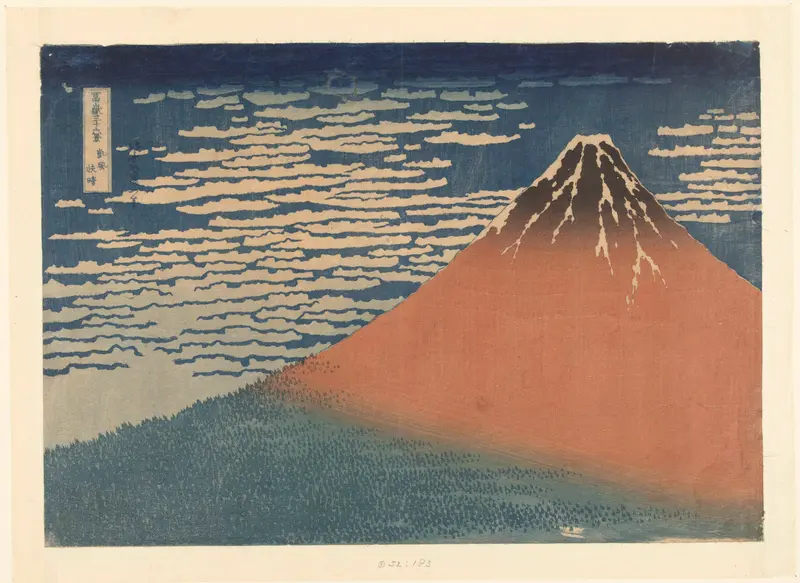
Clear Weather with a Southerly Wind
Katsushika Hokusai
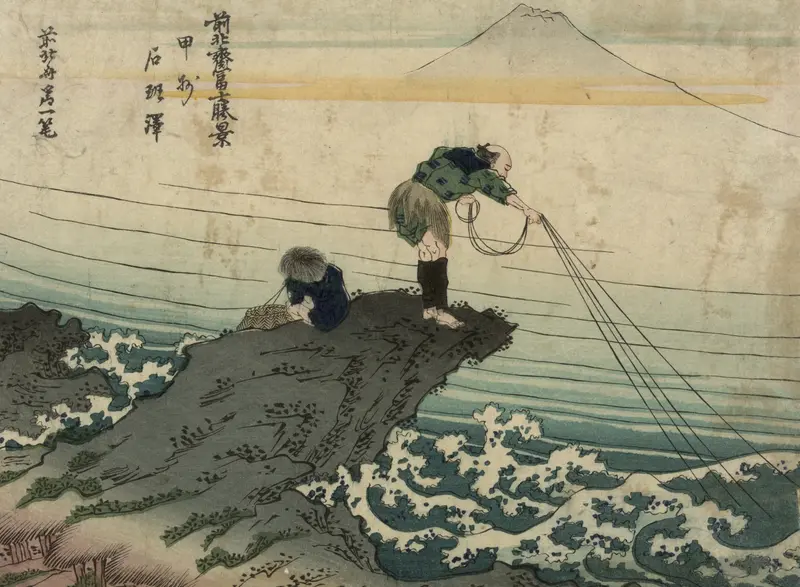
Kōshū kajikazawa
Katsushika Hokusai
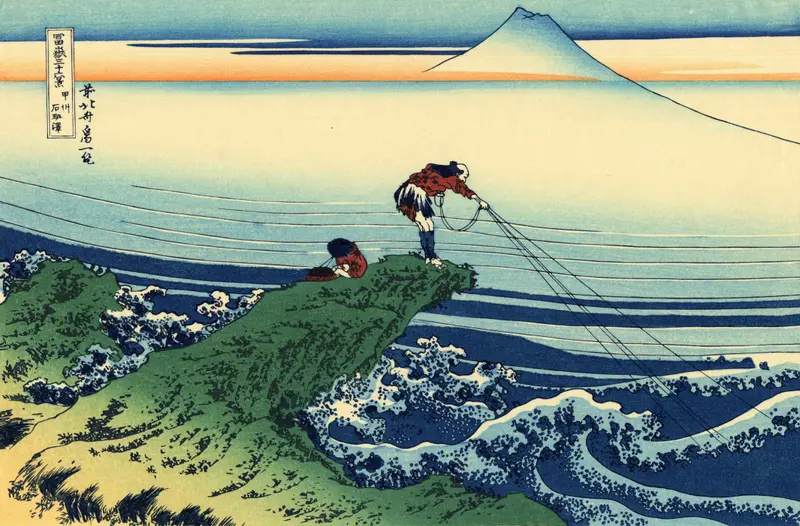
Kōshū kajikazawa 2
Katsushika Hokusai
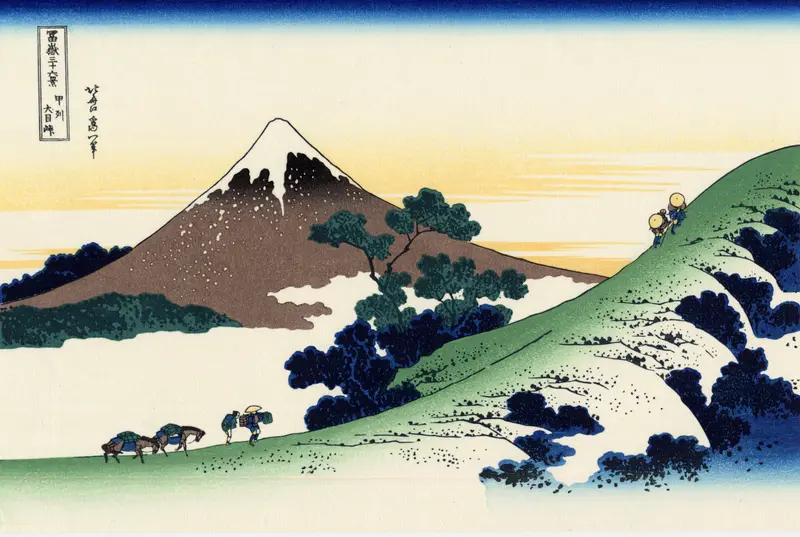
Inume Pass in Kai Province (Kôshû inume-tôge)
Katsushika Hokusai

Yoro Falls in Mino Province (Mino no Yoro no taki), from the series "A Tour of Waterfalls in Various Provinces (Shokoku taki meguri)"
Katsushika Hokusai
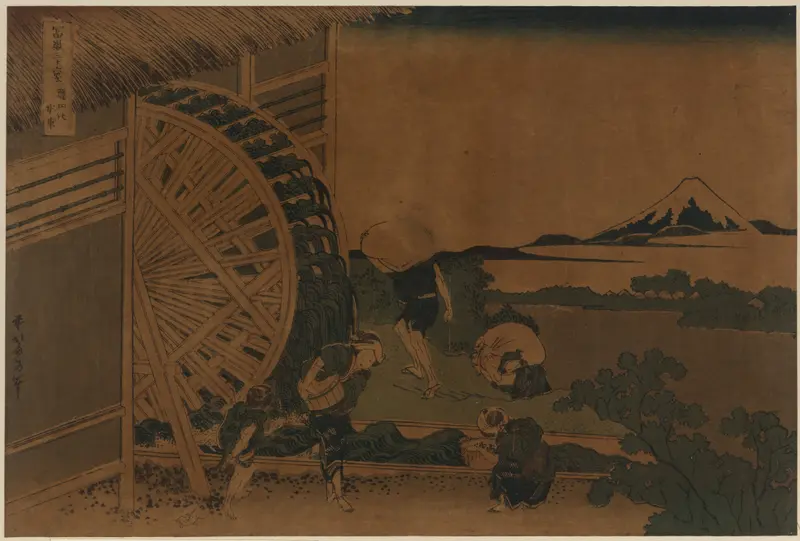
Onden no suisha
Katsushika Hokusai
More Genre Scene Art

Banquet of the Officers of the St George Civic Guard
Frans Hals

Rembrandt and Saskia in the Scene of the Prodigal Son
Rembrandt van Rijn

Bal du moulin de la Galette
Pierre-Auguste Renoir

Quadrille at the Moulin Rouge
Henri de Toulouse-Lautrec

A Burial at Ornans
Gustave Courbet

When Will You Marry?
Paul Gauguin