
Me Infante — History & Facts
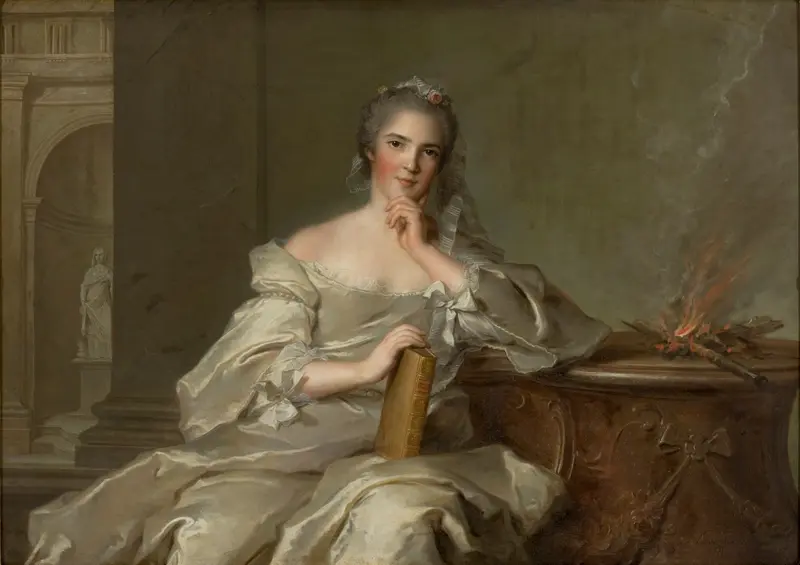
A pale, almost silvery light settles over the sitter in Me Infante, drawing the eye first to her face—serene, yet alert, as if she has just paused in conversation. The folds of her gown, rendered with a liquid softness, gather at her chest and hand, suggesting both classical drapery and the intimate fashion of the eighteenth-century French court. Her gaze drifts away from the viewer, inviting speculation: is it reflection, expectation, or a private amusement that animates her expression? The faint flush on her cheeks and the careful arrangement of her hair, bound with a ribbon, speak to both youth and ceremony.
Nattier’s brush lingers on the textures—translucent veil, creamy fabric, the gentle shadow under her chin—each detail working to set a mood of poised, unhurried grace. In mid-eighteenth-century France, portraits such as this were more than likenesses; they were performances of identity, status, and taste. Jean-Marc Nattier was celebrated for painting noblewomen as mythological or allegorical figures, blurring the line between reality and ideal. The title “Madame Infante en vestale”—a vestal virgin—places the sitter within a world of classical virtue, a popular conceit among the elite who commissioned such works to signal both learning and virtue.
Painted in 1750, as the Rococo style reached its height, this portrait would have spoken to a society obsessed with appearances, wit, and the delicate play between public image and private self. History has kept few traces of this specific canvas’s journey, but its presence today invites us to linger on the sitter’s ambiguous smile, and to imagine the world of powdered wigs and whispered intrigue that once surrounded her.
More Artworks by Jean-Marc Nattier

Madame Crozat de Thiers and Her Daughter
Jean-Marc Nattier
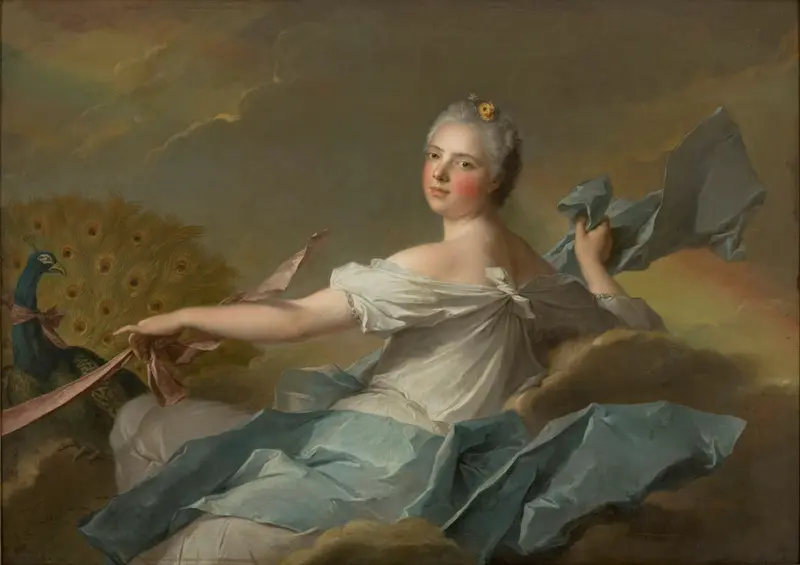
Princess Marie Adélaïde of France - The Air
Jean-Marc Nattier
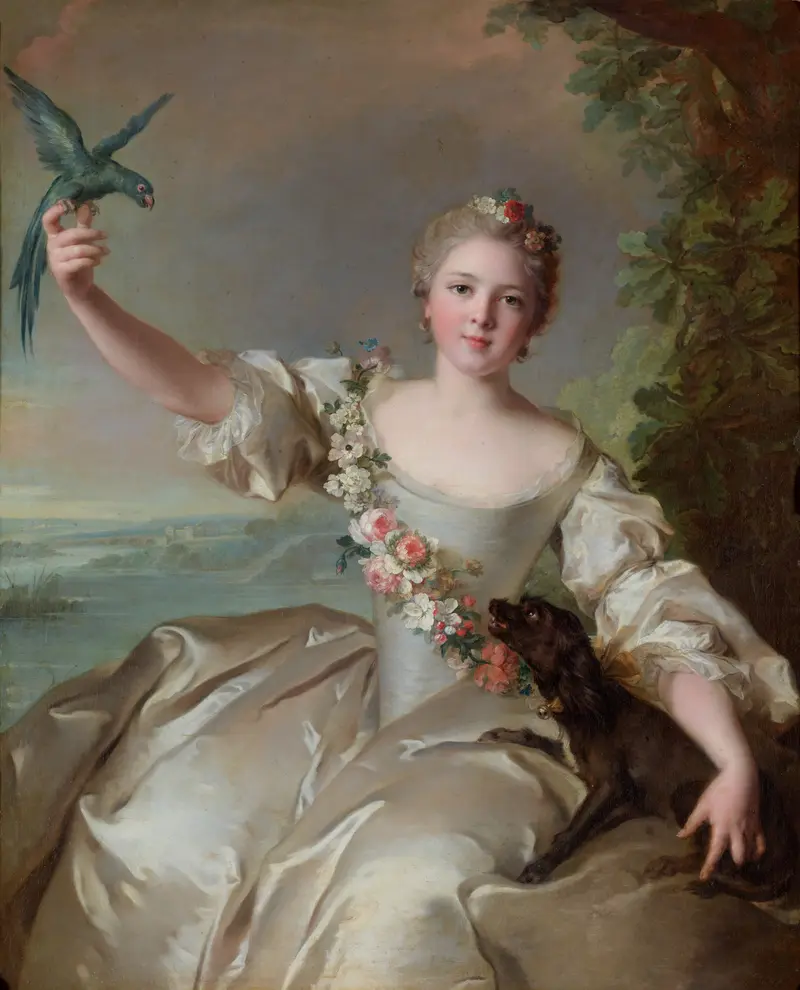
Portrait de Mathilde de Canisy, marquise d'Antin
Jean-Marc Nattier
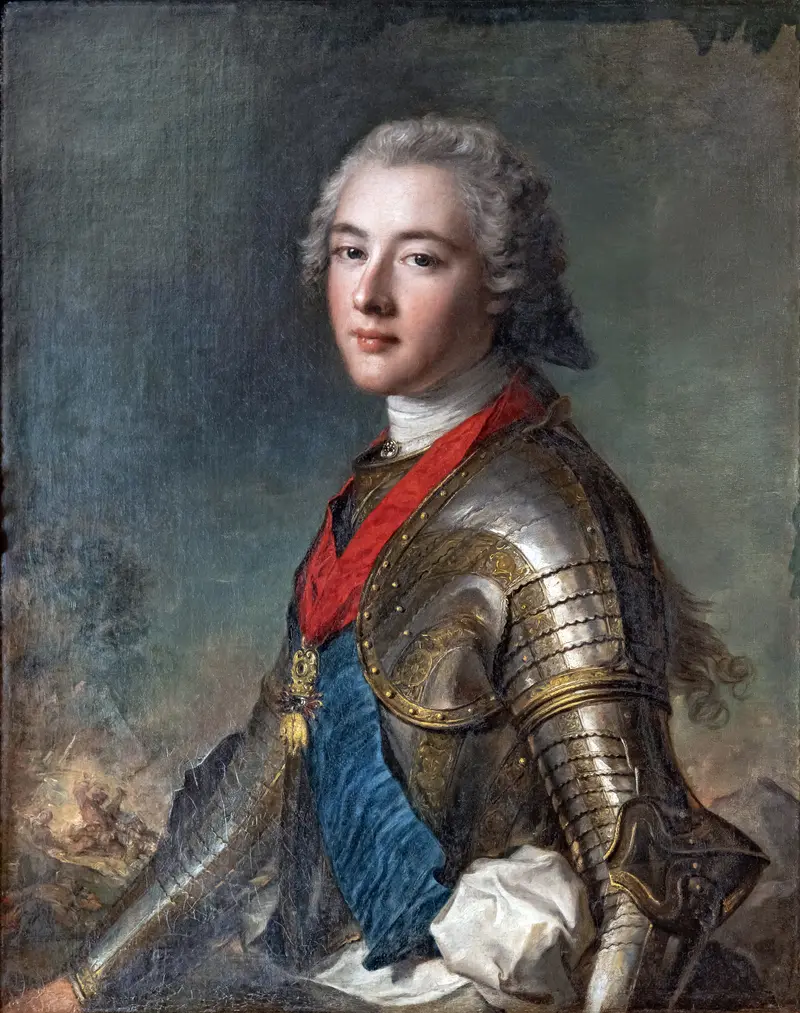
Bemberg Fondation Toulouse - Portrait de Louis Jean Marie de Bourbon, Duc de Penthièvre - Jean Marc Nattier inv.1158 82x65.4
Jean-Marc Nattier
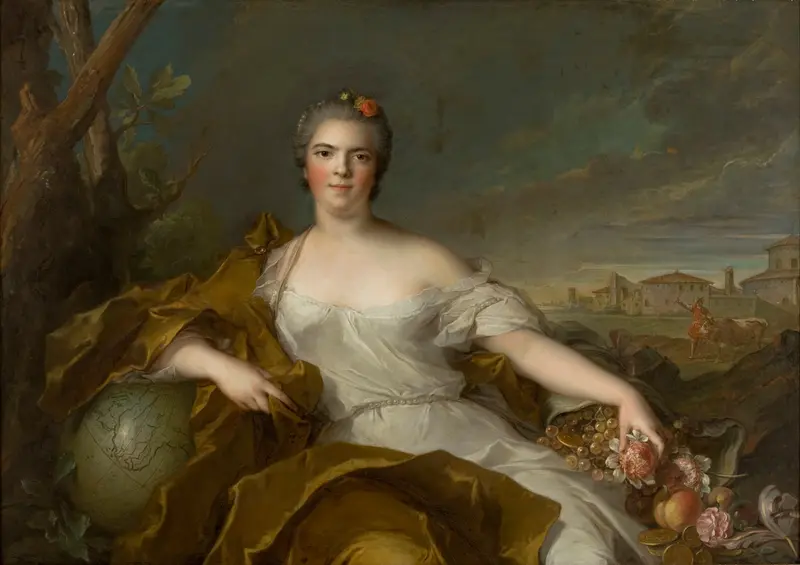
Princess Louise-Élisabeth of France - The Earth
Jean-Marc Nattier
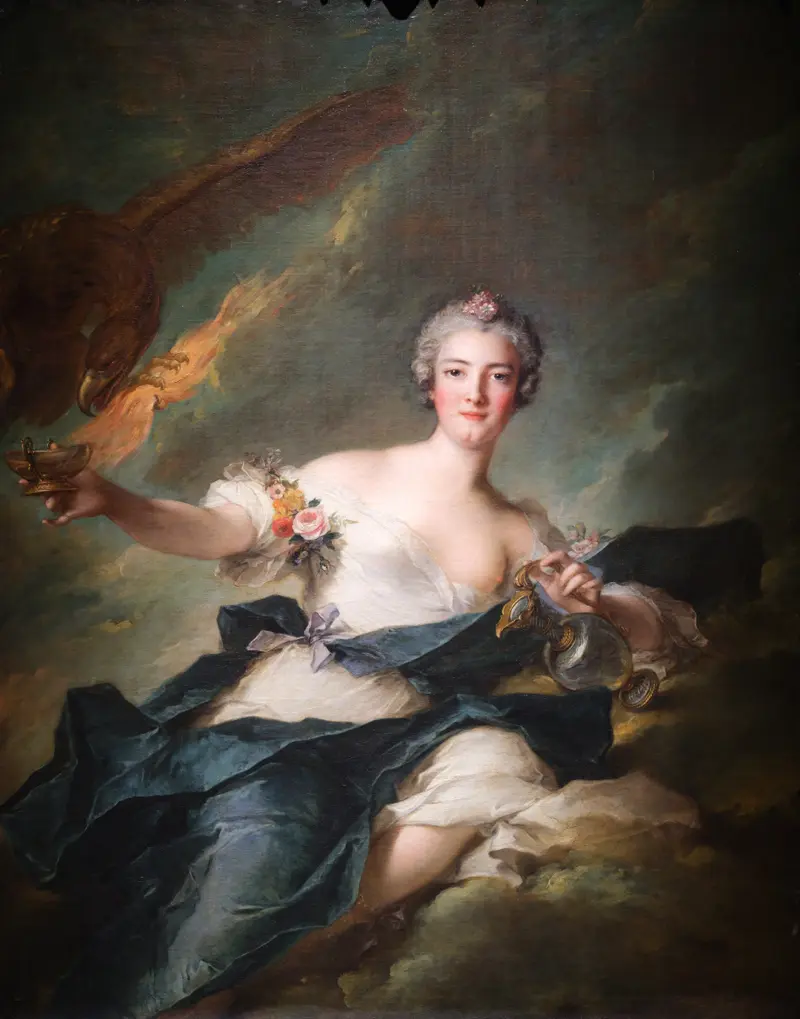
The Duchess of Chaulnes Represented as Hebe
Jean-Marc Nattier
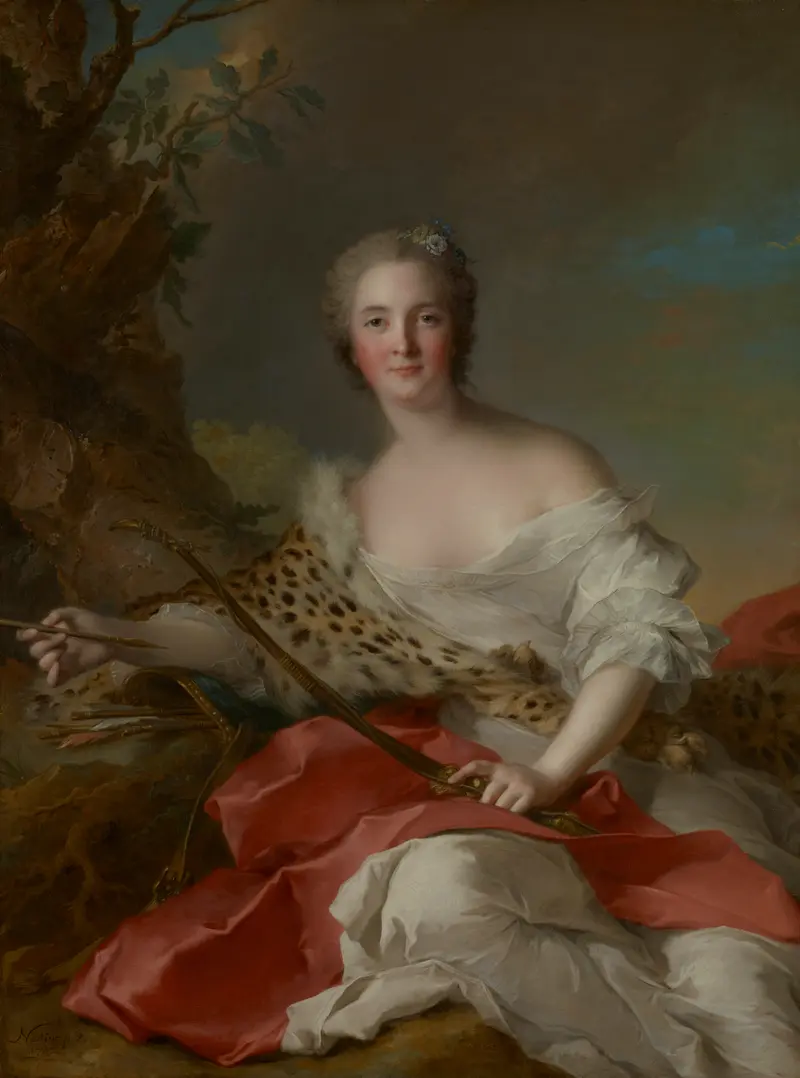
Portrait of Madame Bonnier de la Mosson as Diana (Constance-Gabrielle-Magdeleine du Monciel de Lauraille
Jean-Marc Nattier
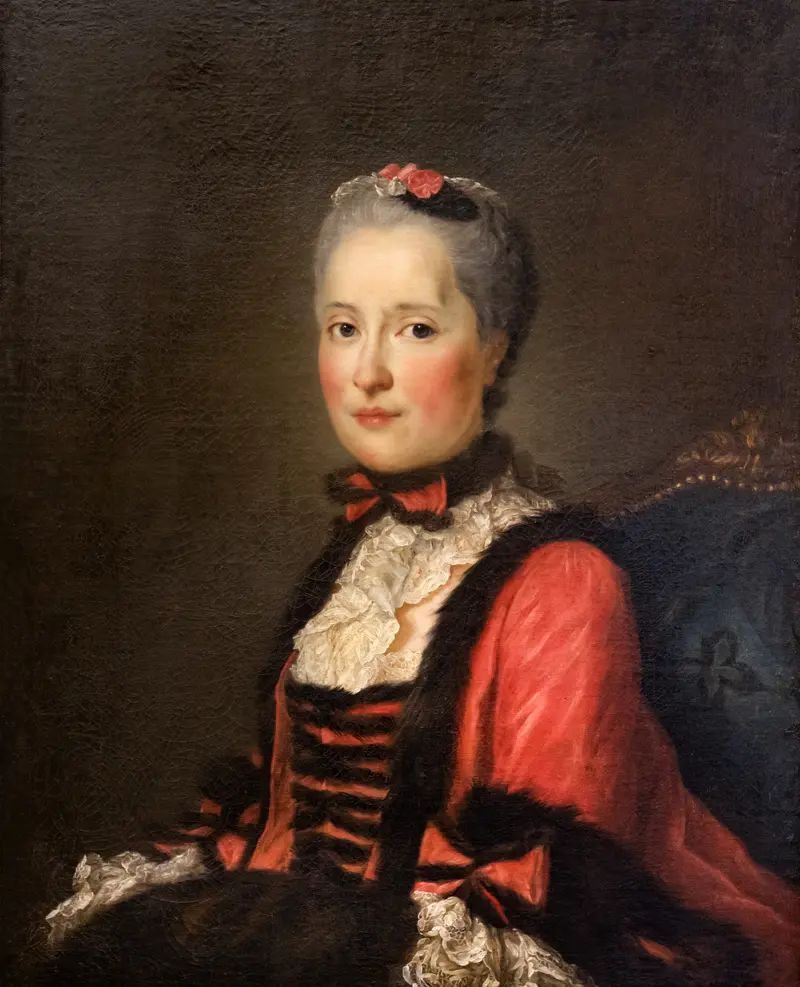
Portrait of Marie-Josephe of Saxony, Dauphine of France
Jean-Marc Nattier
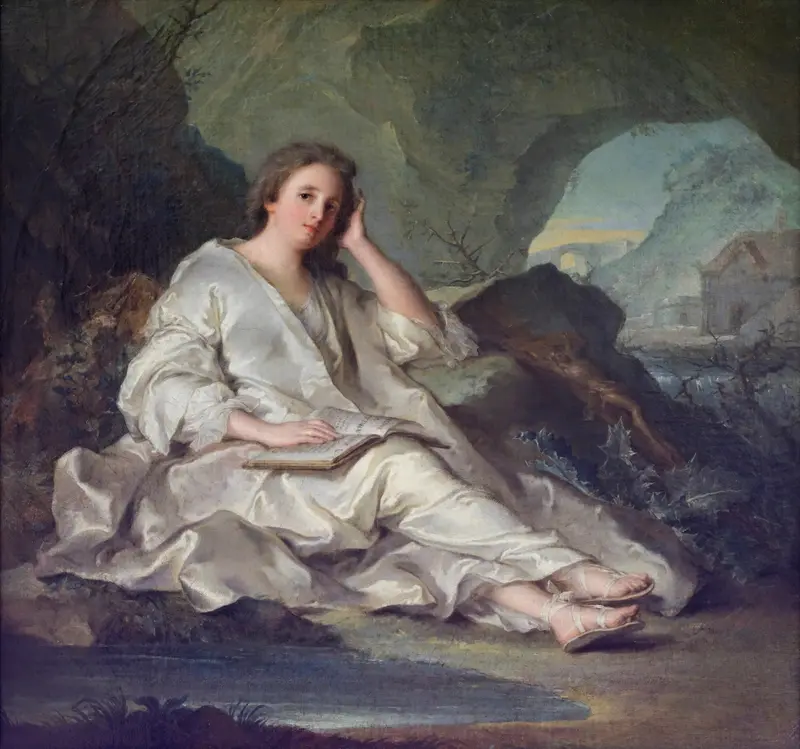
La Madeleine, ou Une Pénitente dans le désert Musée du Louvre Peintures INV 6880 ; MR
Jean-Marc Nattier
Princess Anne-Henriette of France - The Fire
Jean-Marc Nattier





