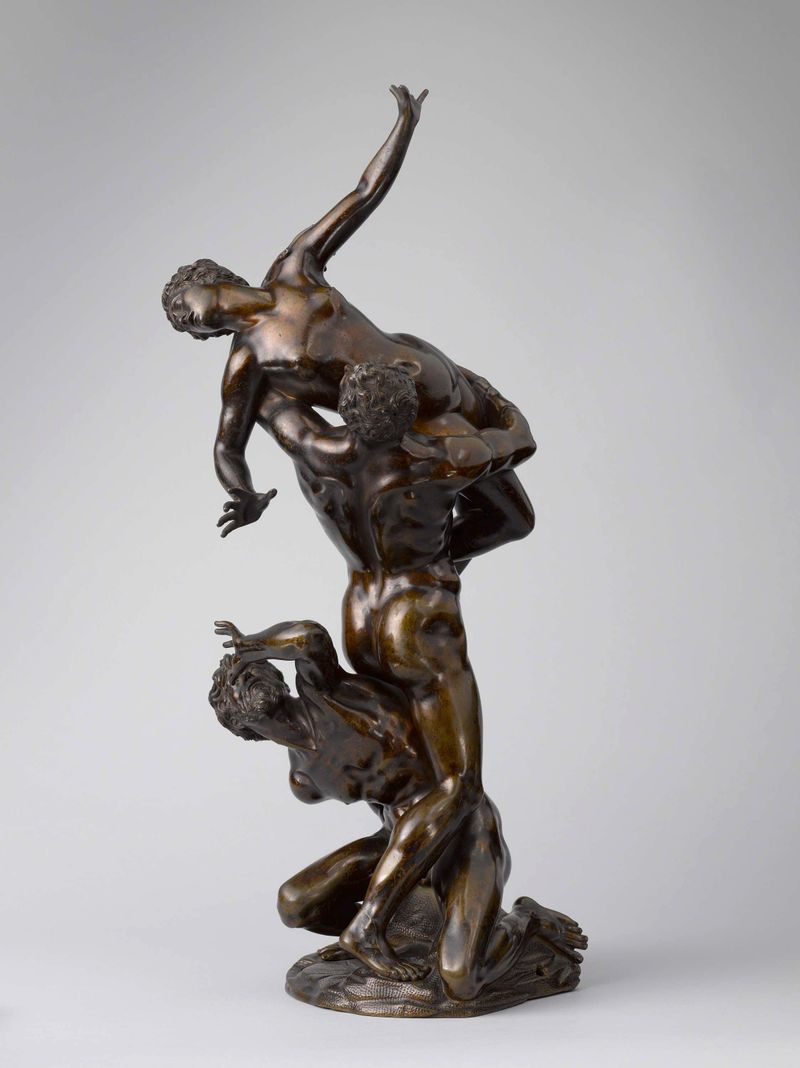
Medea geeft Jason beeld van Ganymedes met adelaar — History & Facts
In the delicate interplay of light and shadow, a moment of profound balance emerges, suggesting both tension and tranquility. Look closely at the central figure, Medea, poised in a moment of contemplation. Her expression hints at a tumultuous past, while the rich hues of her garment contrast sharply with the muted background. Focus on the intricate details of the Ganymedes figure she holds, where the eagle—a symbol of divine connection—sweeps across the canvas.
The composition draws the eye inward, emphasizing the emotional weight of this exchange. In this work, the juxtaposition of Medea’s calm demeanor against the chaotic energy of the eagle fosters a sense of underlying conflict. The vibrant colors of her attire echo both her royal heritage and the turmoil that comes with it. Further, the tempestuous clouds hovering above suggest an impending storm, mirroring the emotional storm within Medea.
This duality of beauty and foreboding encapsulates the essence of her struggle for agency and love. Georg Pencz created this piece in 1539 while residing in Nuremberg, a center for the German Renaissance. At this time, he was influenced by humanist ideals and the exploration of mythological themes. This artwork reflects the period’s fascination with classical stories, blending them with contemporary concerns of power and identity, while also showcasing his mastery in balancing intricate detail with emotional depth.
More Artworks by Georg Pencz
Browse all →
Parabel van de zaaier
Georg Pencz

Parabel van de arbeiders in de wijngaard
Georg Pencz
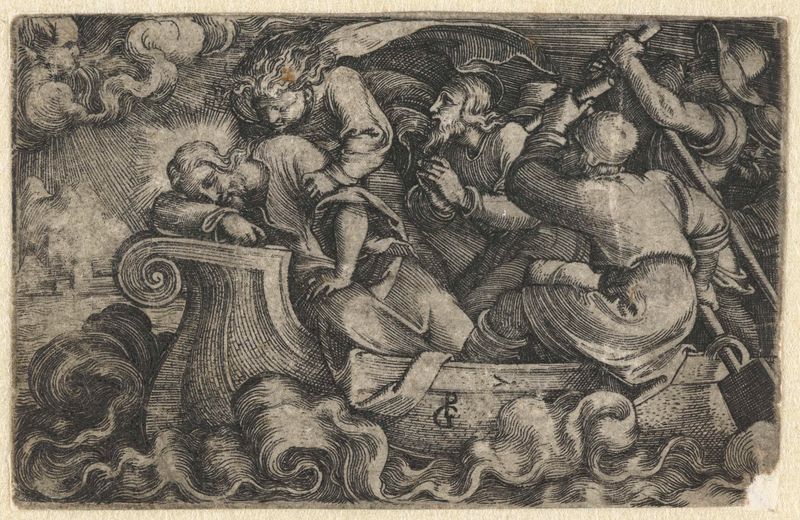
Discipelen wekken slapende Christus tijdens storm op Meer van Galilea
Georg Pencz

Afgunst (Invidia)
Georg Pencz
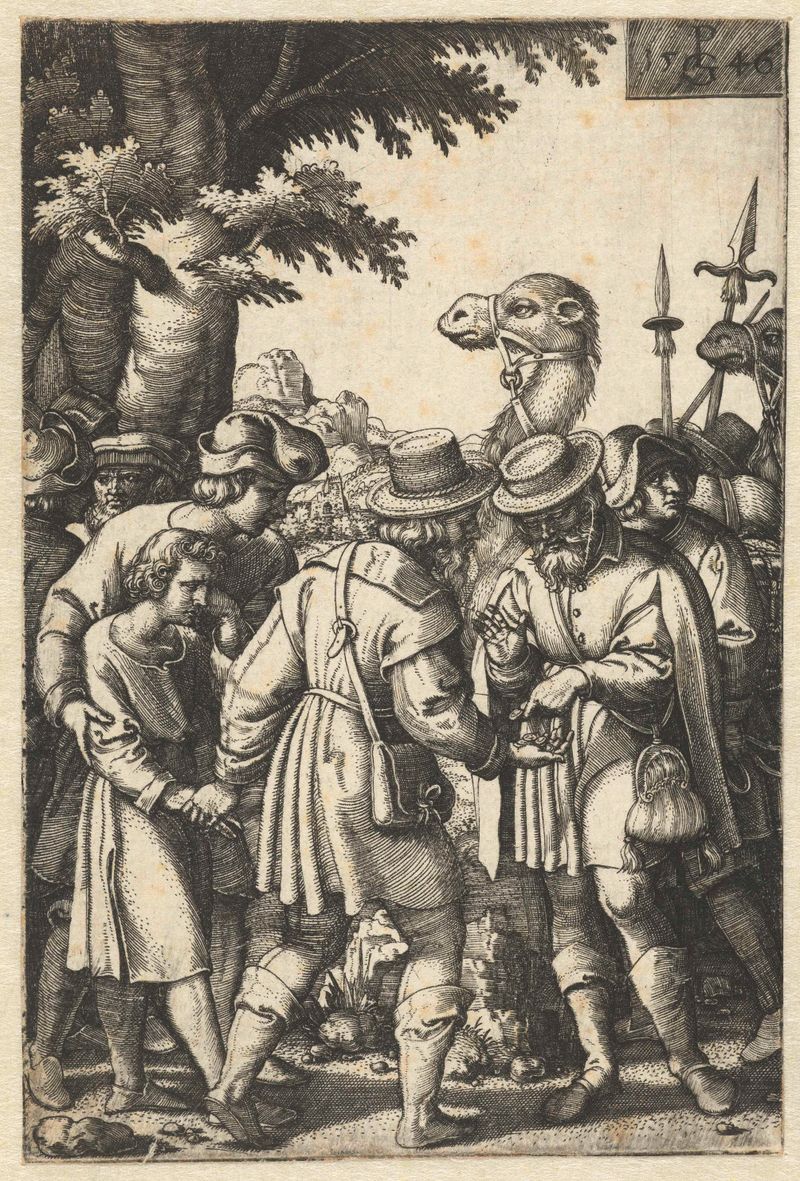
Jozef wordt verkocht aan kooplieden op weg naar Egypte
Georg Pencz

Aanbidding der koningen
Georg Pencz
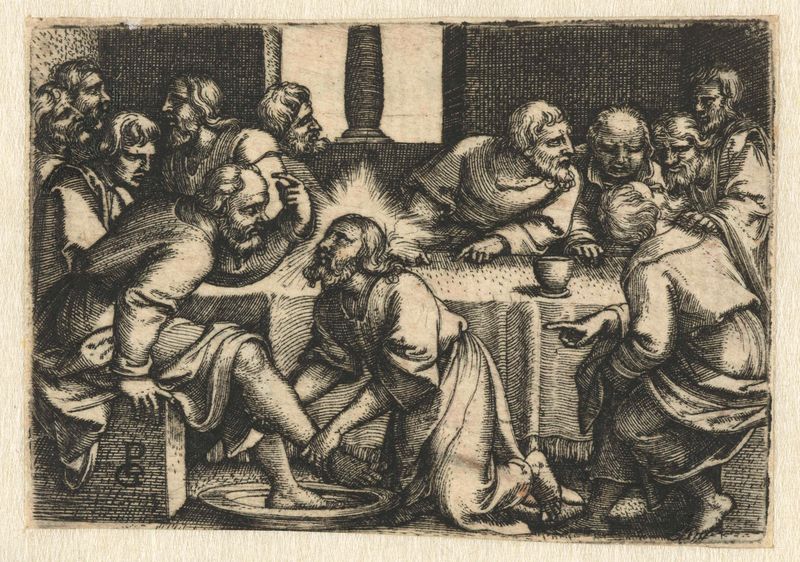
Petrus protesteert als Christus zijn voeten wast
Georg Pencz
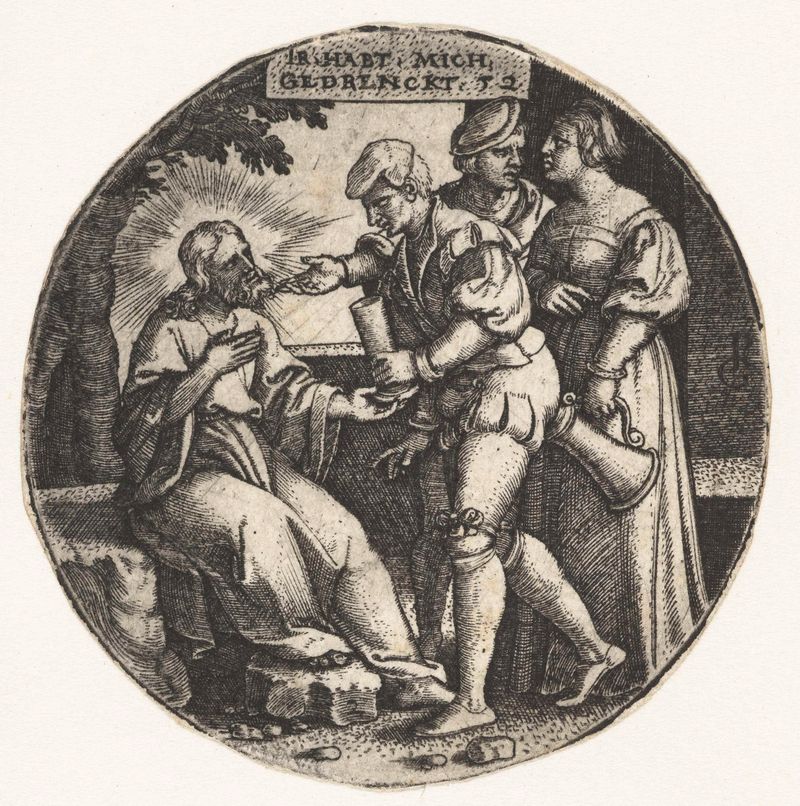
Christus heeft dorst en krijgt drinken aangeboden
Georg Pencz
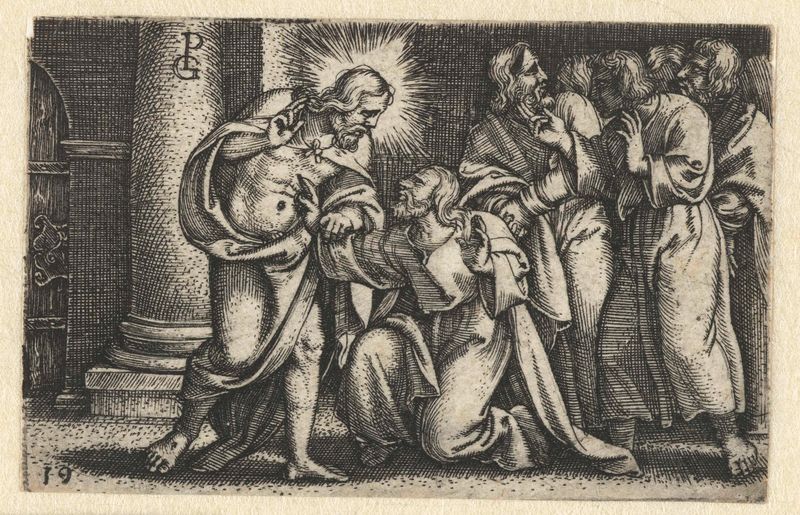
Ongelovige Thomas raakt wonden Christus aan
Georg Pencz

Offer van Abraham van Isaak
Georg Pencz