
Melin y Nant. Near Snowdon — History & Facts
What secret hides in the quiet of the canvas? The soft whispers of memory echo through the lush landscape, inviting us to reflect on fleeting moments and the beauty of stillness. Look to the left at the gentle curve of the river, a silvery ribbon weaving through verdant hills that cradle the scene. Notice how the light dances upon the water, creating a symphony of glimmers that draw the eye towards the horizon. The trees, painted with meticulous detail, stand sentinel over the tranquility, their rich greens contrasting sharply with the soft blues of the sky.
Each brushstroke seems deliberate, capturing not only the physical form but the very essence of the Welsh countryside. Within this pastoral landscape lie deeper emotions—an interplay between the serenity of nature and a subtle undercurrent of longing. The distant mountains rise with a sense of quiet majesty, evoking nostalgia and the weight of history resting on the viewer's heart. The interplay of shadows and light suggests the passage of time, while the stillness of the scene prompts introspection, as if inviting us to pause and breathe in the moment. In 1805, while residing in England, the artist captured this piece during a time when Romanticism was flourishing in the art world.
The movement emphasized emotion and the sublime in nature, a theme that resonated deeply with him. It was a period of personal and artistic exploration as he sought to depict the sublime beauty of his surroundings, echoing the sentiments of a society increasingly enamored with the landscapes of their homeland.
More Artworks by Philip James de Loutherbourg
Browse all →
Iron Works, Colebrook Dale
Philip James de Loutherbourg
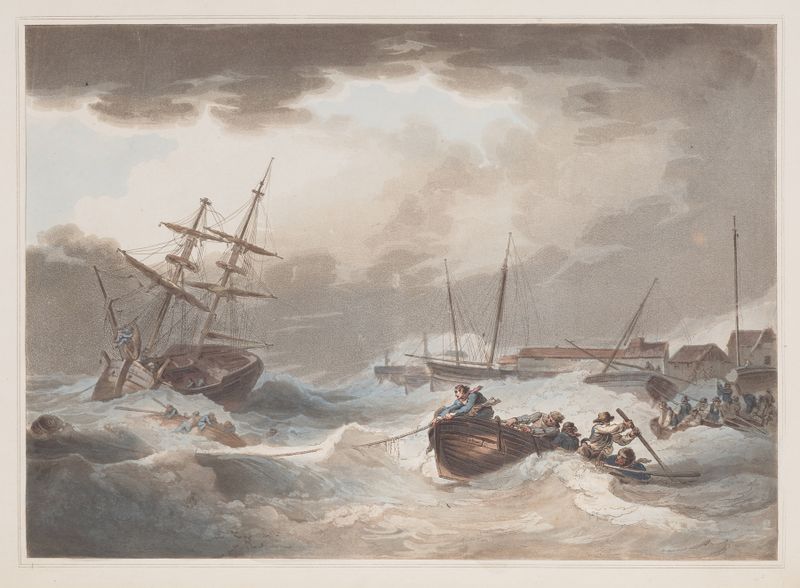
Storm off Margate
Philip James de Loutherbourg
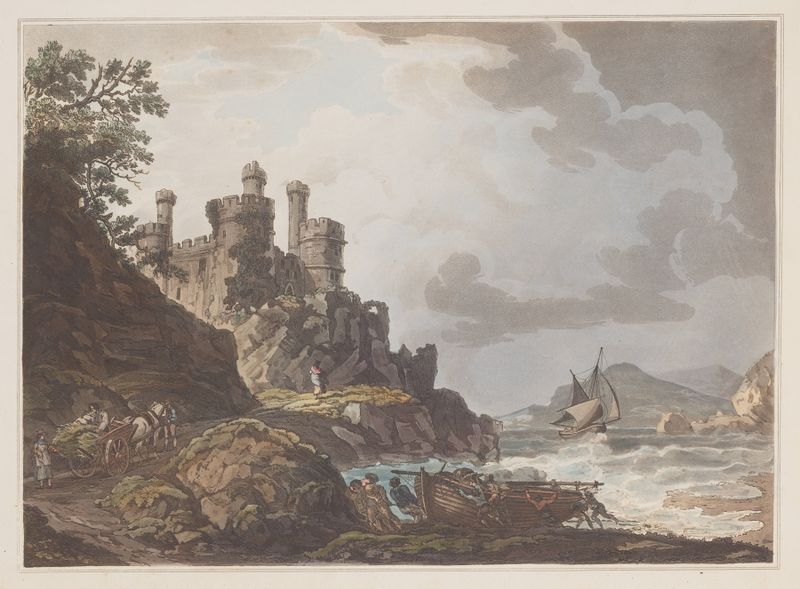
Conway Castle
Philip James de Loutherbourg
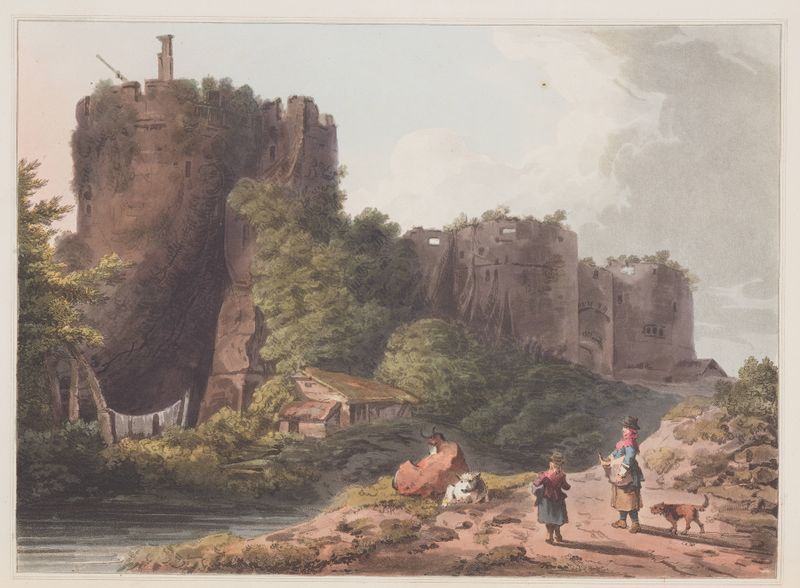
Chepstow Castle in Monmouthshire
Philip James de Loutherbourg
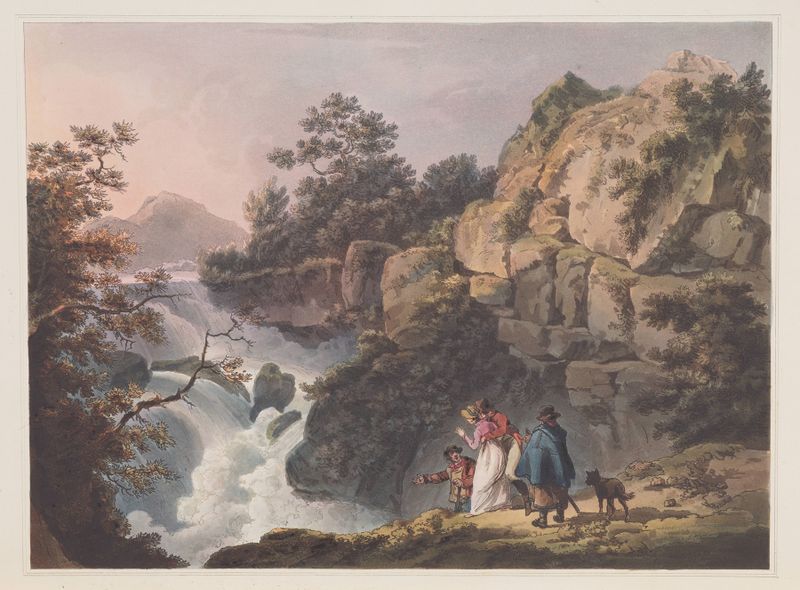
Cataract on the Llugwy
Philip James de Loutherbourg

Tintern Abbey
Philip James de Loutherbourg
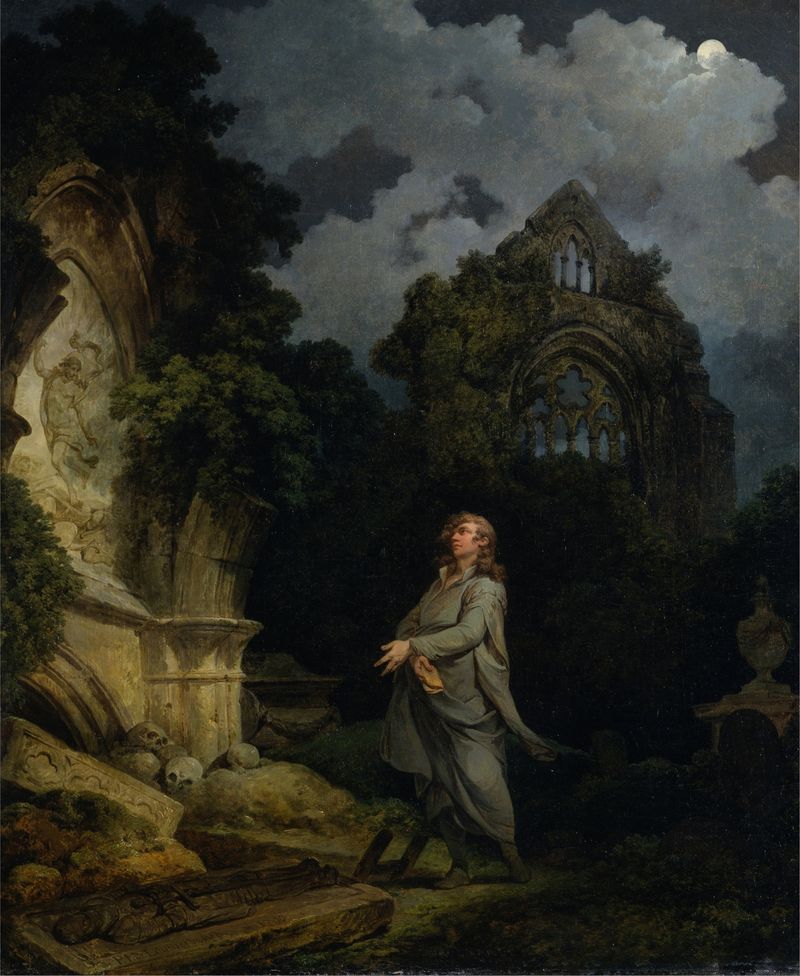
Visitor to a Moonlit Churchyard
Philip James de Loutherbourg

A Storm at the Entrance of a Mediterranean Port
Philip James de Loutherbourg
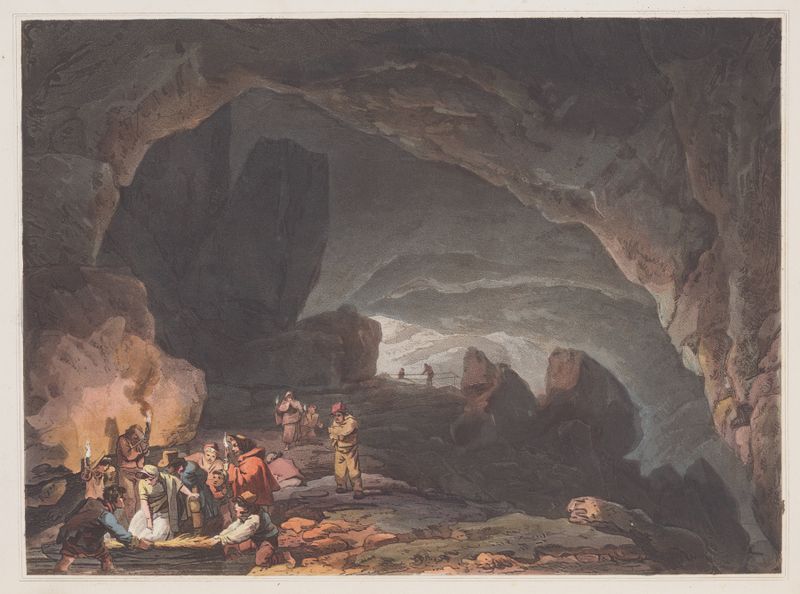
Peak’s Hole, Derbyshire
Philip James de Loutherbourg
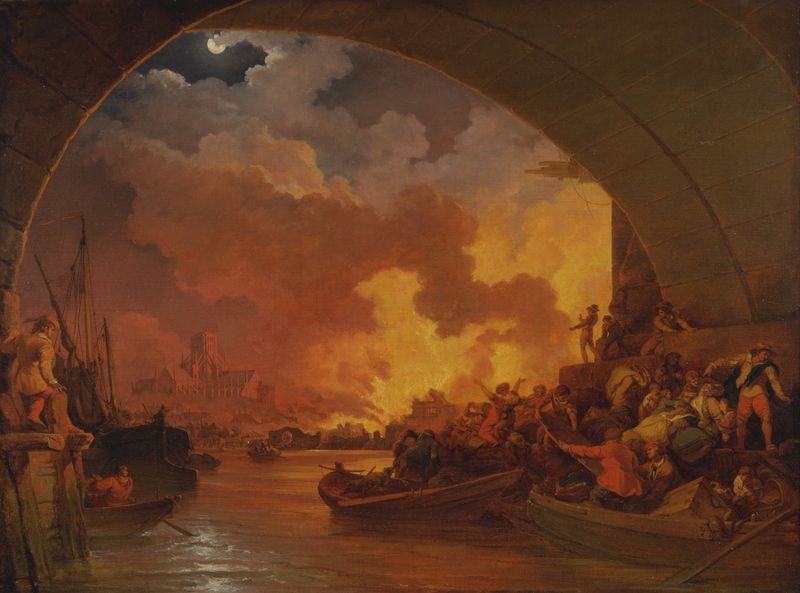
The Great Fire of London
Philip James de Loutherbourg





