Mercurius en Herse — History & Facts
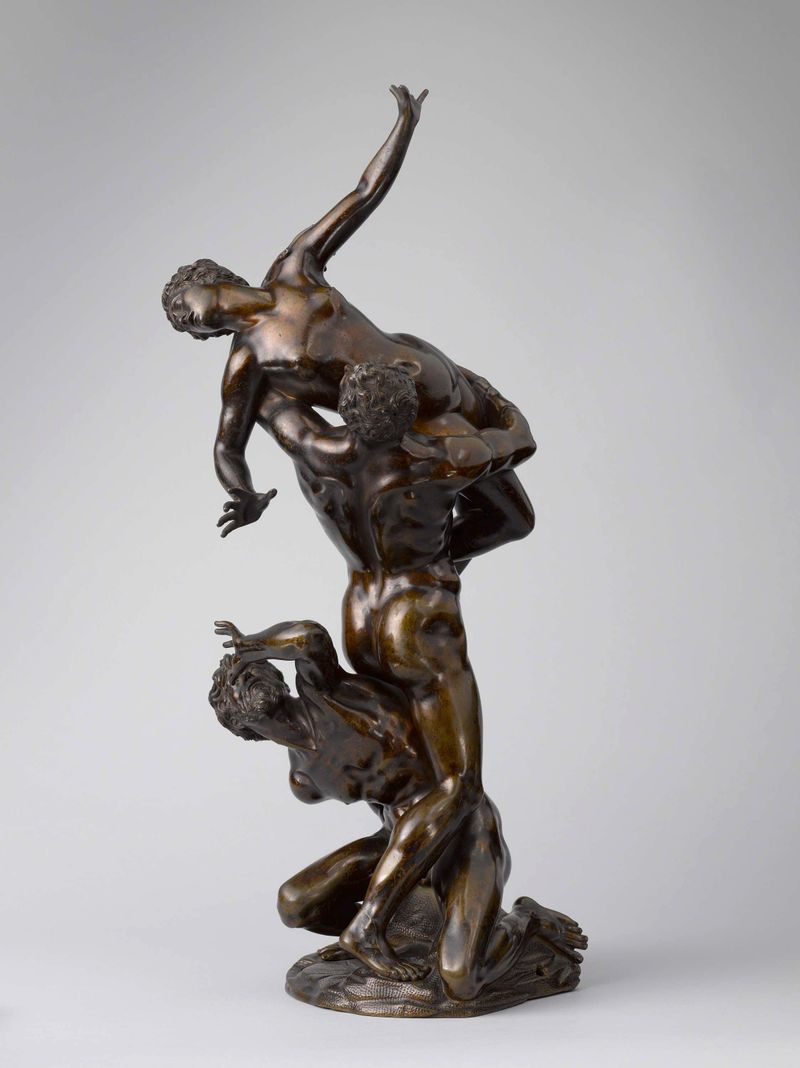
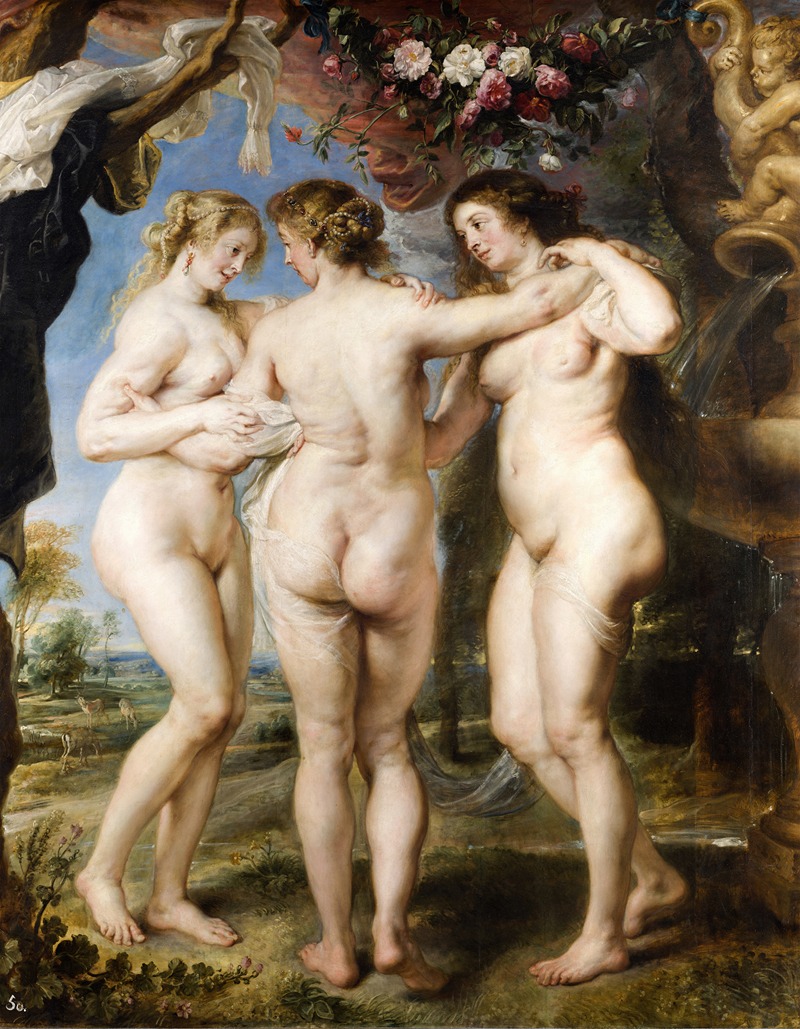
In a world constantly swirling with transformation, art serves as a mirror to the rebirth of ideas and forms. This notion resonates powerfully in Mercurius en Herse, where the interplay of figures and symbolism creates a narrative of renewal and divine guidance. Focus first on the intricate figures in the center — the way Mercury, adorned with his iconic winged sandals and caduceus, gestures towards Herse, who stands poised and elegant. Notice how the delicate lines of Hollar's etching guide your eye across the composition, revealing the nuanced details of their attire.
The contrasting textures, from the soft drapery of Herse to the sharp, lively curves of Mercury, invite an exploration of both movement and stillness, while the softer earth tones suggest a balanced harmony amid the tension of their interaction. Delve deeper into the layers of symbolism, where Mercury embodies communication and transitions, and Herse represents awakening and clarity. The ethereal aura surrounding them hints at the otherworldly, suggesting not just a moment frozen in time, but a profound connection between the human experience and divine intervention. This contrast between the mundane and the celestial unfolds a narrative of rebirth, urging viewers to contemplate the transformative power of knowledge and love. Created between 1644 and 1652, this work reflects Wenceslaus Hollar's mastery during a tumultuous period in Europe marked by the Thirty Years' War.
Living in the vibrant artistic community of Prague, he skillfully combined the influences of Northern European and Italian art styles. His exploration of themes related to mythology and the human condition reveals not only his technical prowess but also the rich tapestry of ideas circulating in his time.
More Artworks by Wenceslaus Hollar
Browse all →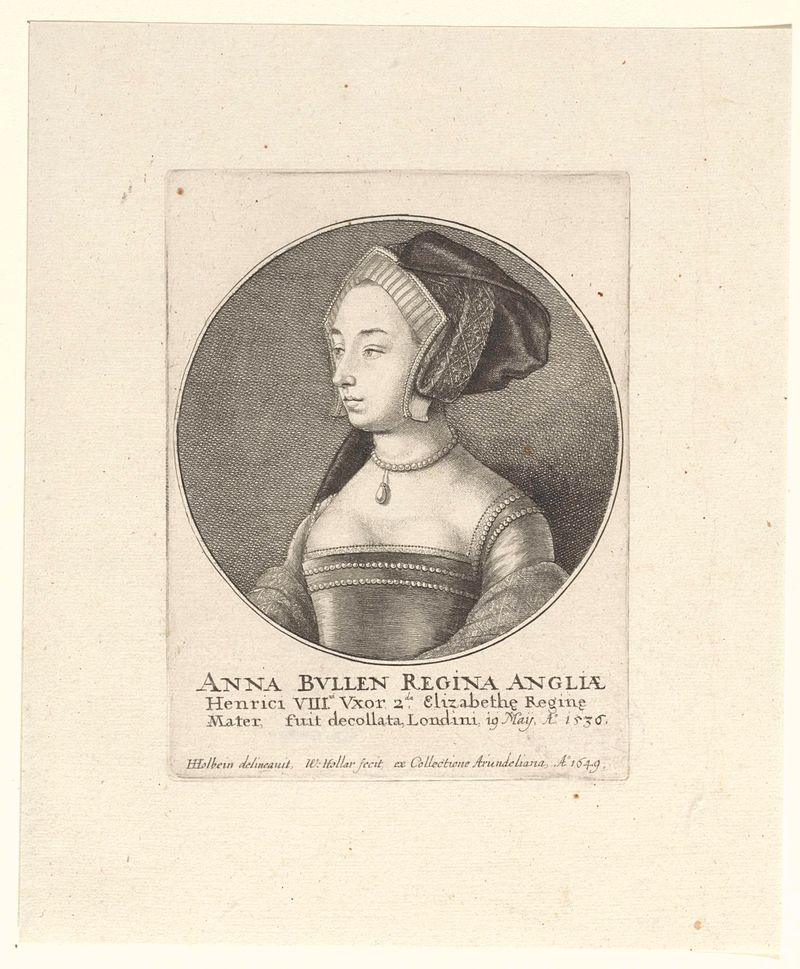
Portret van Anna Boleyn, koningin van Engeland
Wenceslaus Hollar
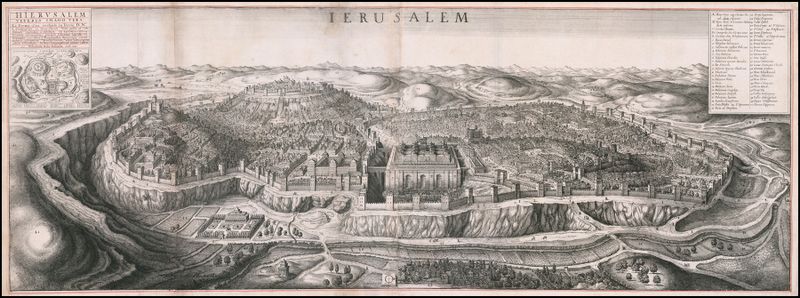
Bird’s eye view of Jerusalem
Wenceslaus Hollar
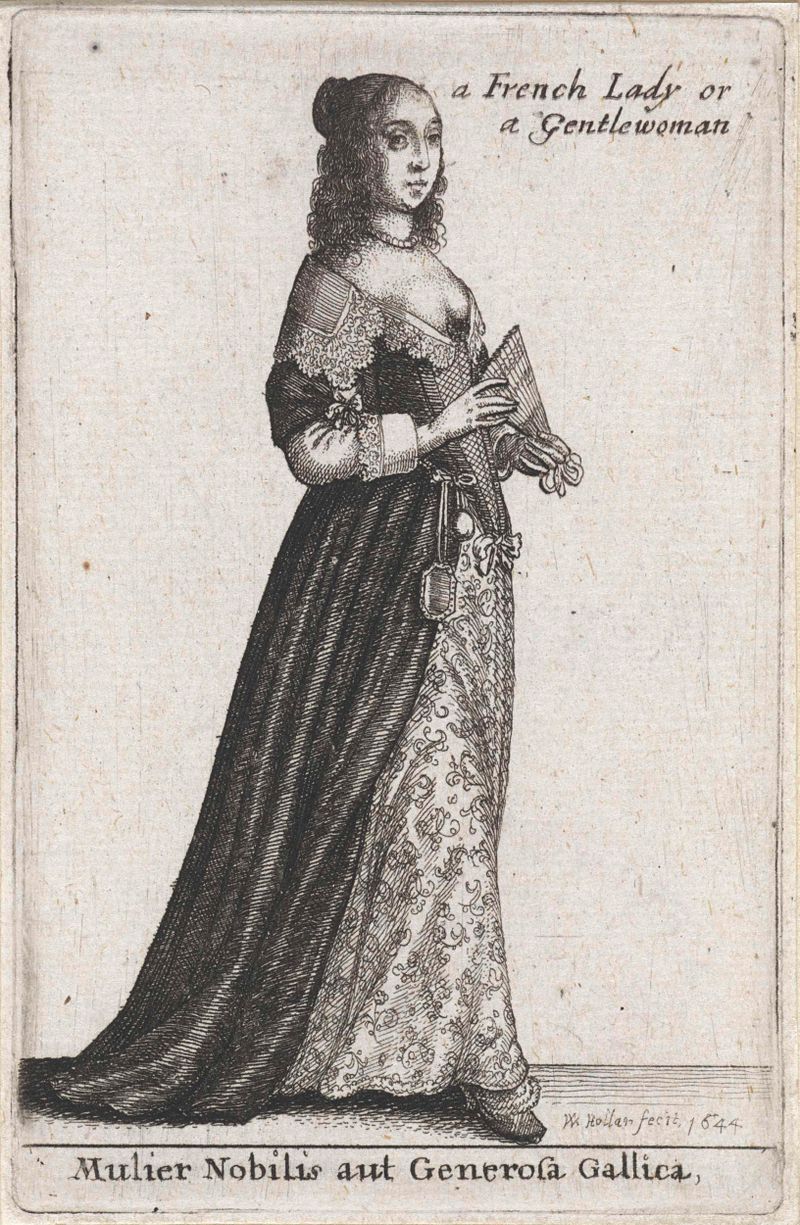
Mulier Nobilis aut Generosa Gallica / a French Lady or Gentlewoman
Wenceslaus Hollar
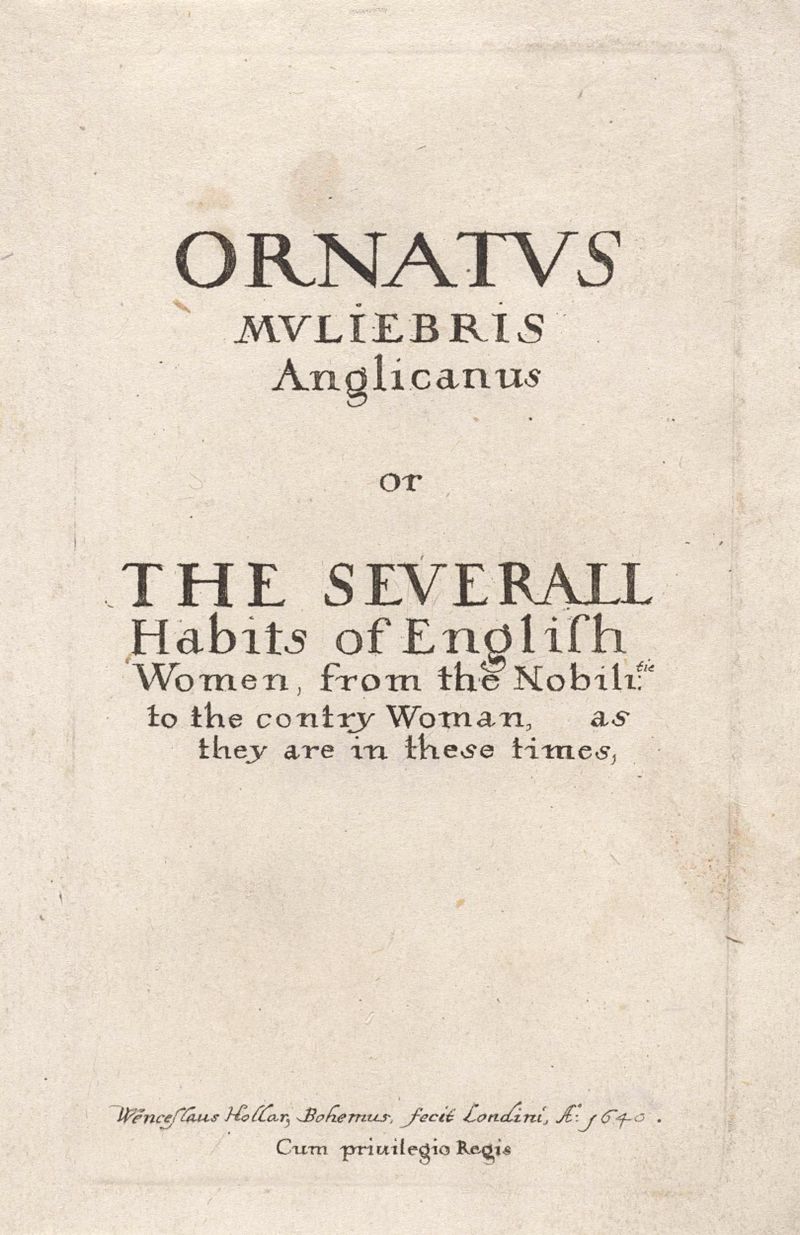
Titelprent voor: Ornatus Muliebris Anglicanus
Wenceslaus Hollar
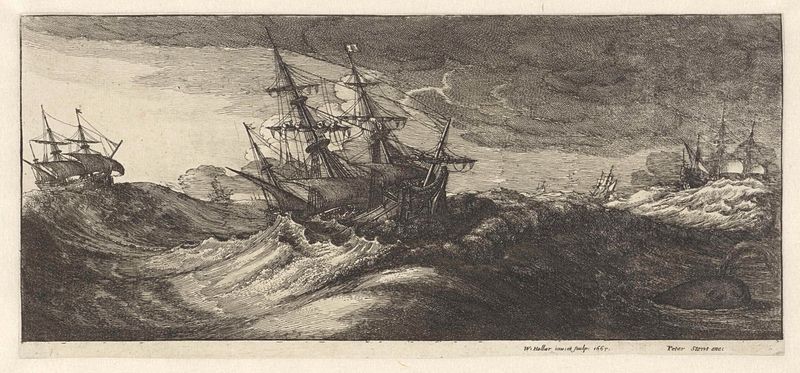
Oorlogsschepen en een walvis in een zeestorm
Wenceslaus Hollar
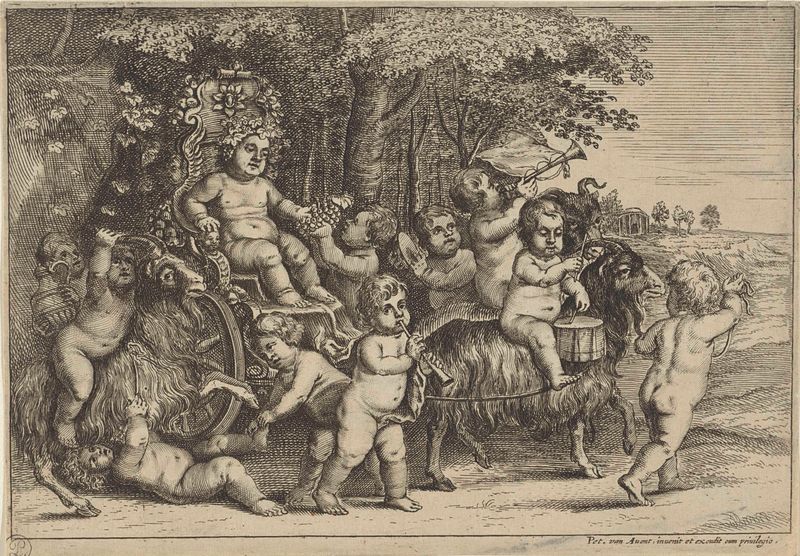
Optocht van bacchant en jongetjes op geiten
Wenceslaus Hollar
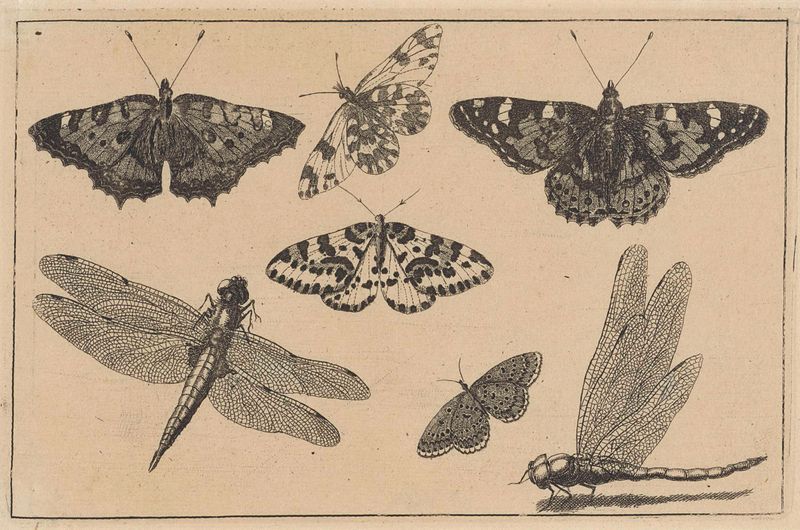
Twee libellen en vijf vlinders
Wenceslaus Hollar
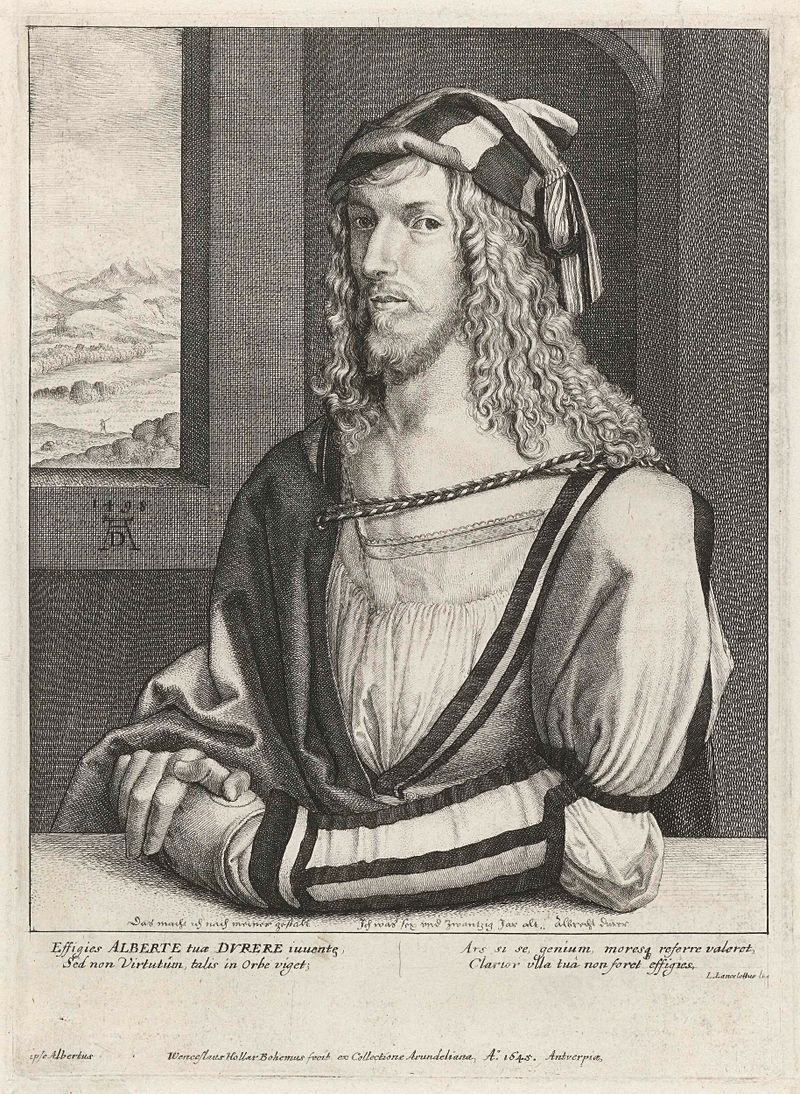
Portret van Albrecht Dürer
Wenceslaus Hollar
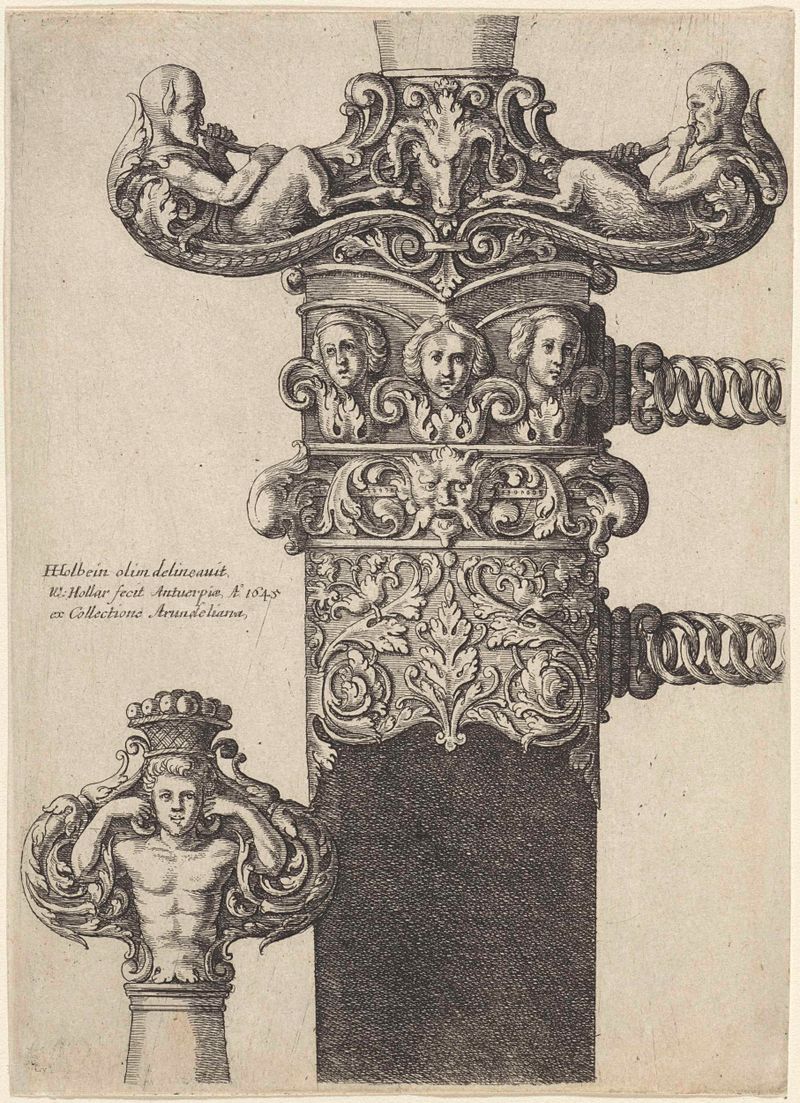
Ornamenteel ontwerp voor een dolk
Wenceslaus Hollar
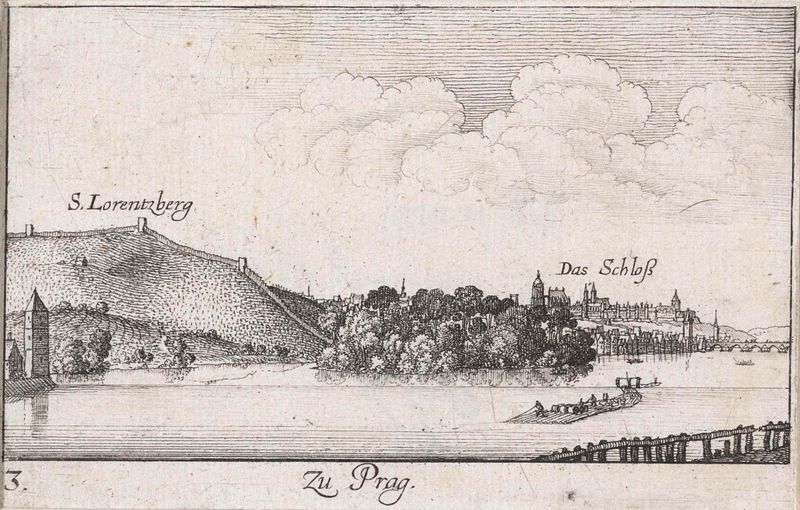
Gezicht op Praag vanaf de Moldau
Wenceslaus Hollar