Mercury and Argus — History & Facts
Did the painter know this moment would outlive them? Captured in time, the act of transformation speaks volumes, whispering secrets of change and consequence across the ages. Look to the left at the figure of Mercury, poised elegantly, his wings hinting at swift movement, while the light glints off his skin, revealing a radiant, divine quality. The intricate detailing of Argus, with his watchful eyes and weary demeanor, draws the gaze toward the tension coiled in their confrontation. The composition balances the vibrancy of blues and greens against warm earth tones, echoing the duality of their destinies—one a harbinger of change, the other a victim of fate. In this piece, the dichotomy of freedom and surveillance emerges vividly.
Mercury’s graceful stance juxtaposes Argus’s burdened form, suggesting the inevitable clash between liberation and vigilance. The eyes of Argus, painted with meticulous detail, symbolize the weight of knowledge and awareness—a constant reminder that to see everything, one may lose themselves in the process. The contrasting light serves not just to highlight their physical forms but to deepen the emotional landscape, intensifying the sense of impending transformation. During the years between 1640 and 1690, while creating this work, the artist navigated a landscape rich with Baroque influences.
Living in the Netherlands, Waterloo was immersed in a world where allegory and classicism flourished. The socio-political climate, steeped in the aftermath of the Thirty Years’ War, influenced artists to explore themes of human nature and morality—elements that resonate palpably in the narrative of Mercury and Argus.
More Artworks by Antonie Waterloo
Browse all →
Gezicht op het dorp Soest
Antonie Waterloo

Hagar comforted by the Angel
Antonie Waterloo

Waldbach, der über Felsen stürzt, über die eine Holzbrücke führt
Antonie Waterloo
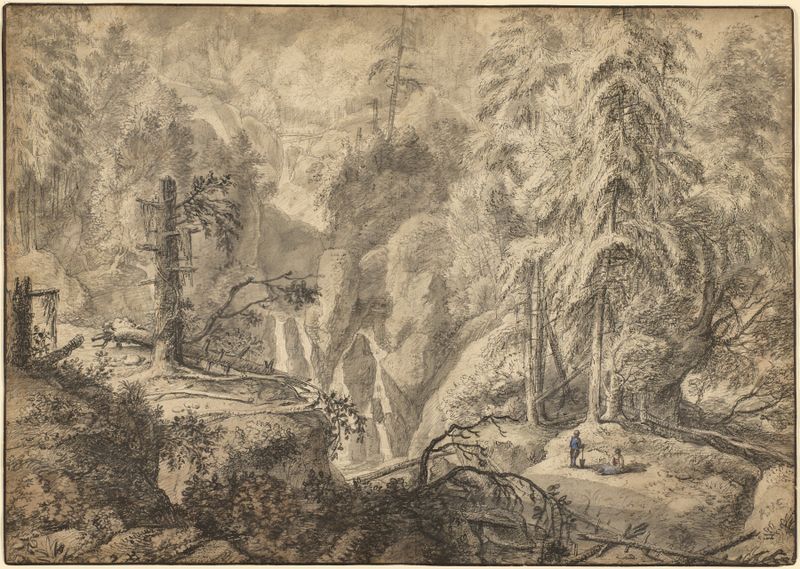
Mountain Landscape, Peasants in a Clearing near a Waterfall
Antonie Waterloo
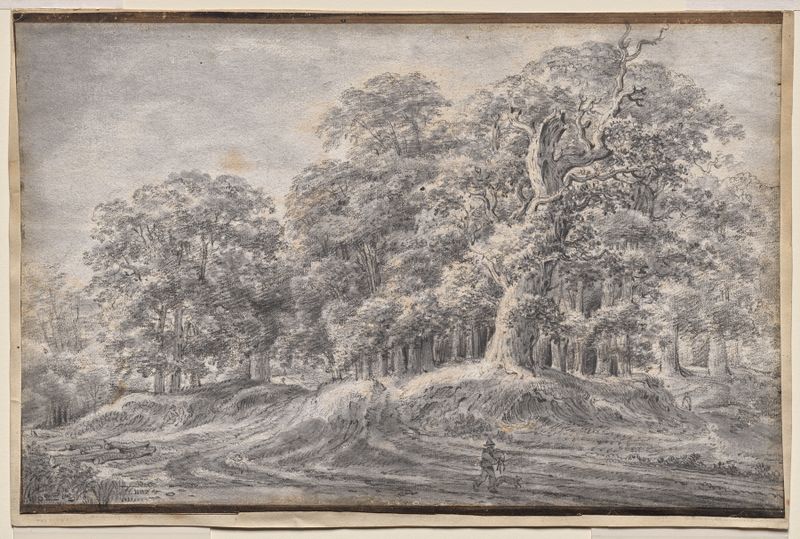
A Track on the Edge of a Wood with a Peasant Carrying Sheep
Antonie Waterloo
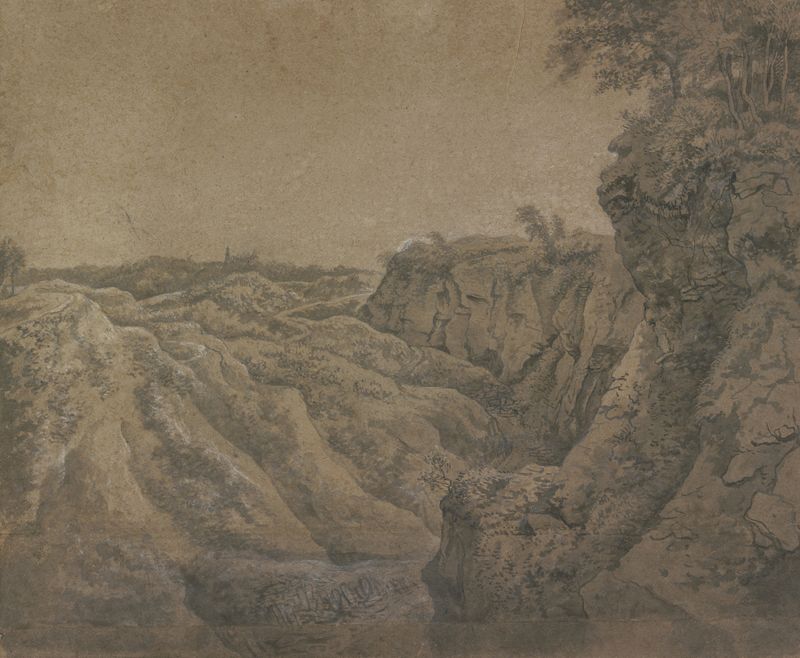
Landscape with a View of Bentheim Castle in the far Distance
Antonie Waterloo
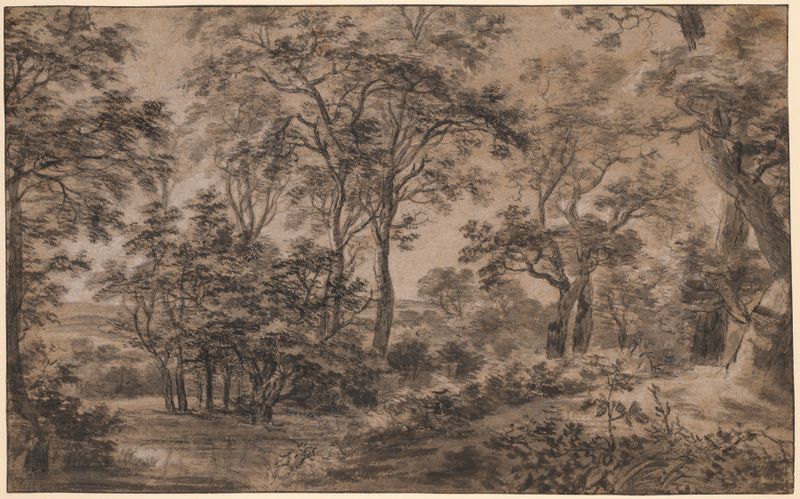
Wooded Landscape
Antonie Waterloo
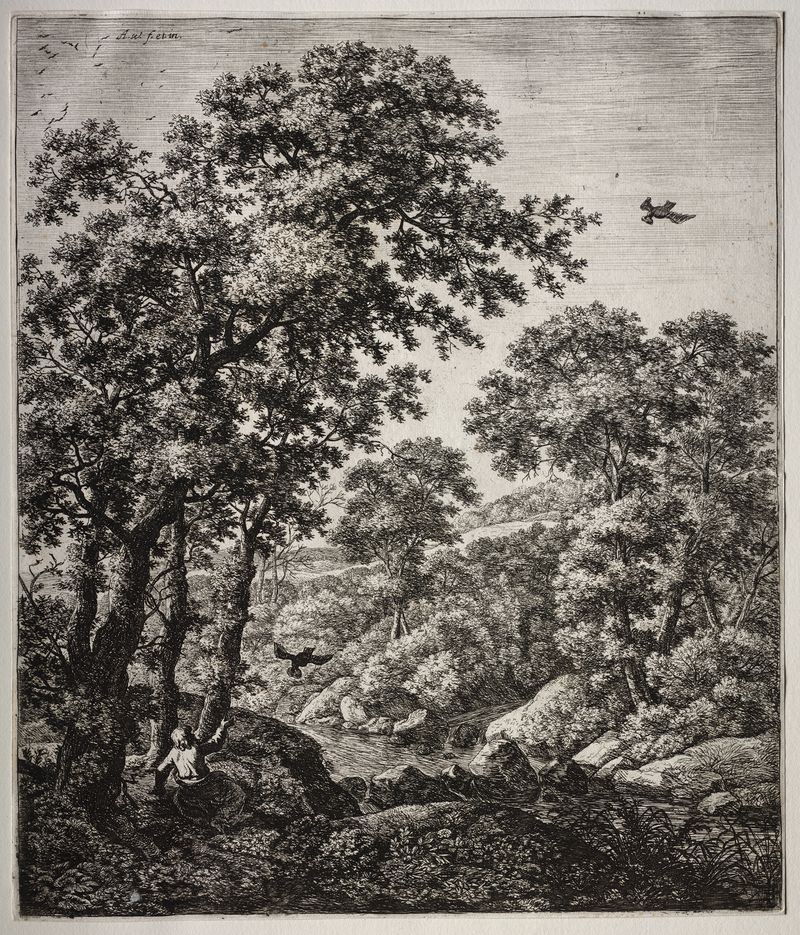
Elijah Fed by the Ravens
Antonie Waterloo
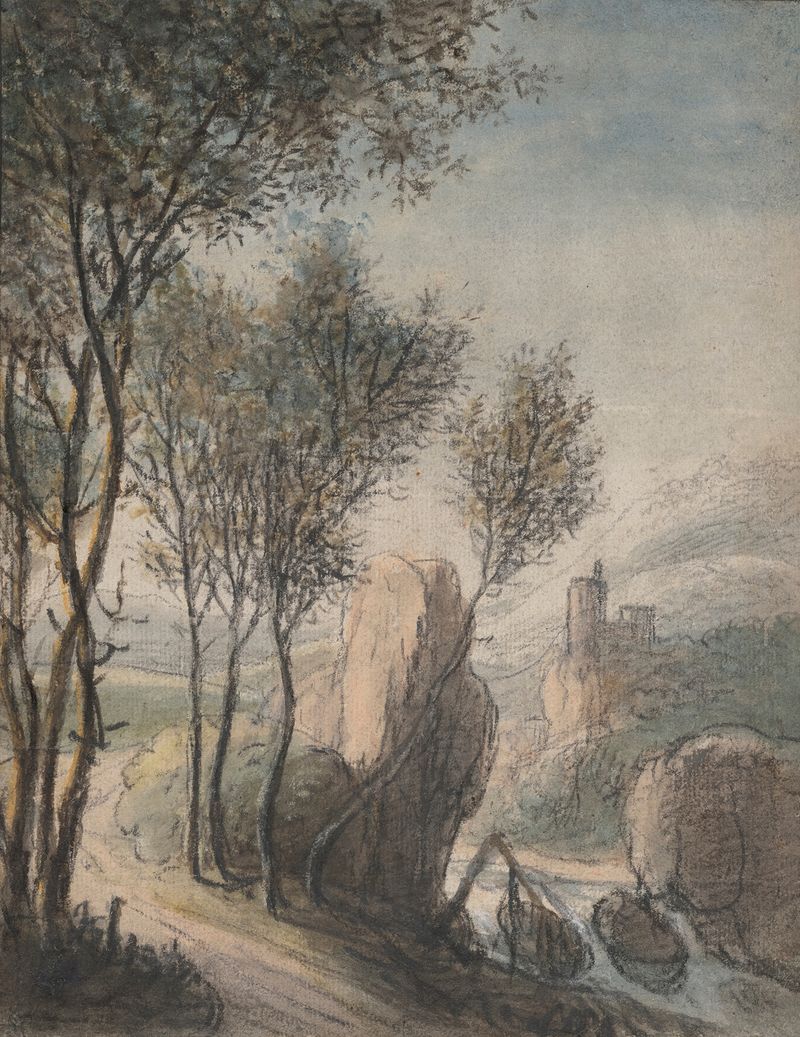
River Landscape with a Castle in the Distance
Antonie Waterloo

Trees and cottages in hilly landscape
Antonie Waterloo