Metsaserv — History & Facts
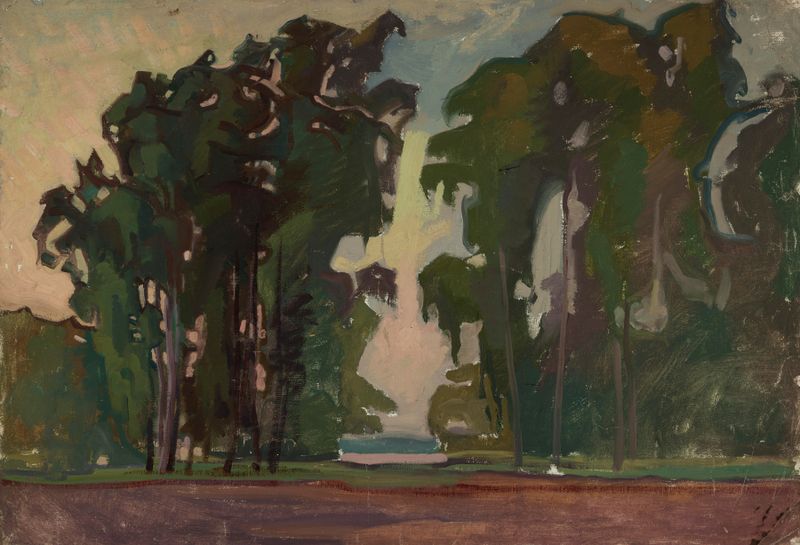
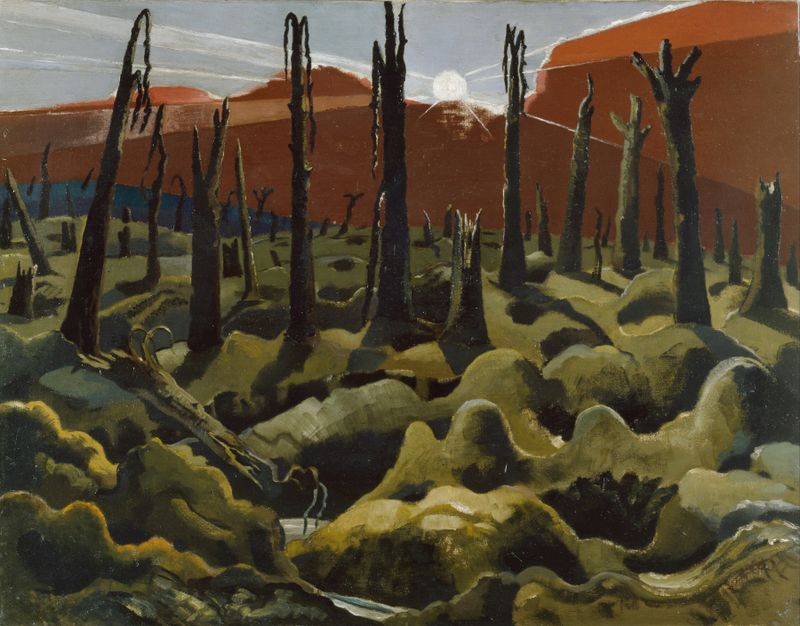
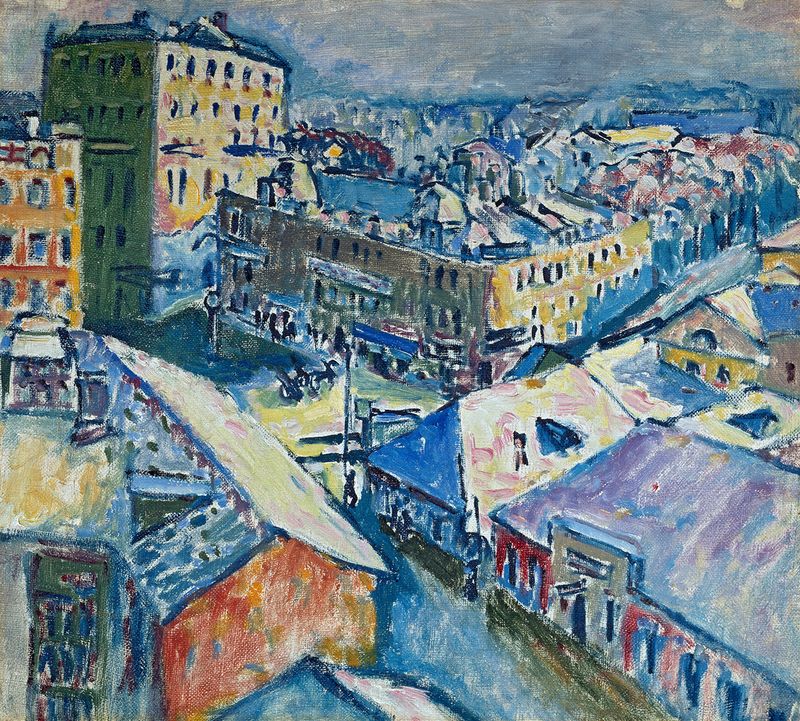
This duality whispers through the canvas, beckoning us to peer deeper into the void that lies beneath the surface. Look towards the center, where a delicate interplay of light and shadow captures your attention. Swirls of muted gold dance around dark, haunting hues, creating a tension that feels both alluring and disquieting. Notice how the brushwork oscillates between gentle strokes and vigorous gestures, suggesting a tumultuous emotional landscape beneath the seemingly tranquil exterior. The contrast in this piece is striking; the luminous gold frames darker elements that hint at sorrow and longing.
Each brushstroke is laden with emotion, conveying a story of beauty that is not easily defined. Here, the void does not merely exist; it pulsates with unspoken narratives, inviting the viewer to confront their own interpretations of joy and suffering entwined. During the years 1906 to 1908, the artist was navigating the turbulent waters of life and art in Estonia, caught between tradition and the burgeoning modernist movement. As he experimented with his style, Metsaserv became a manifestation of both personal introspection and the wider cultural shifts of his time, reflecting a yearning to evoke raw and complex emotions through visual language.