Meule de Foin — History & Facts
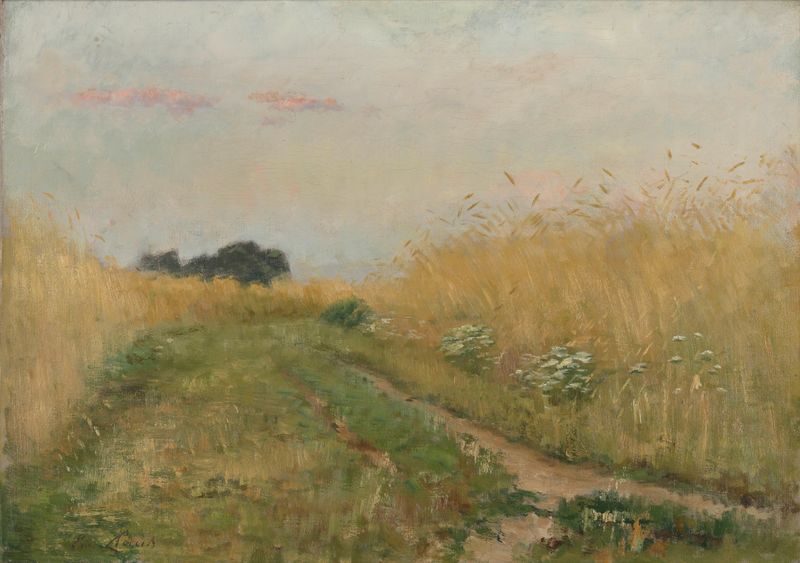
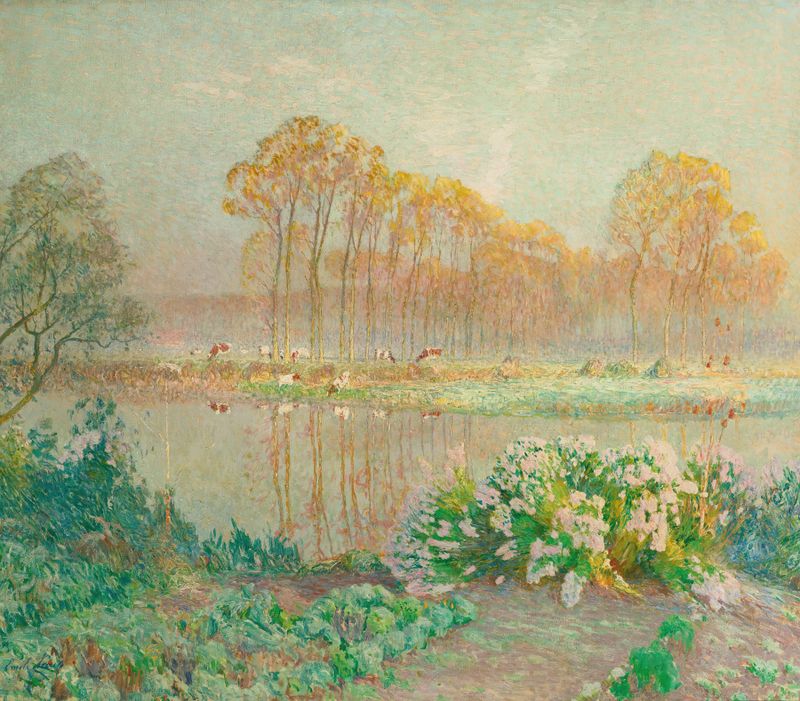
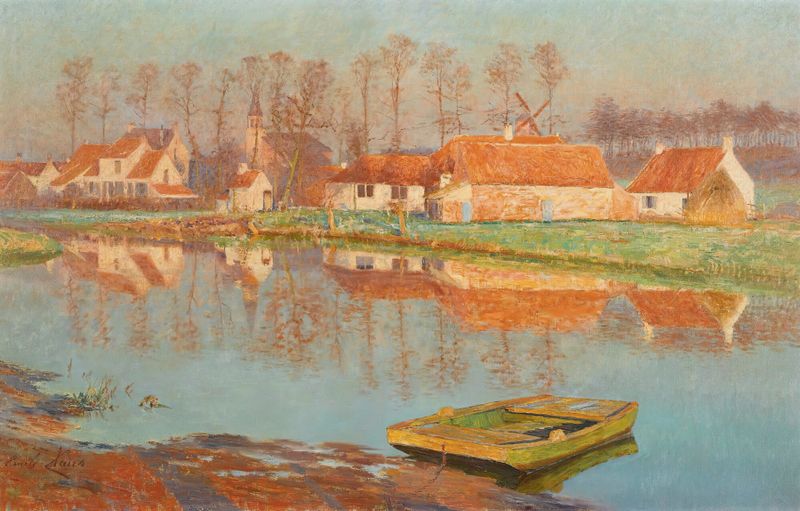
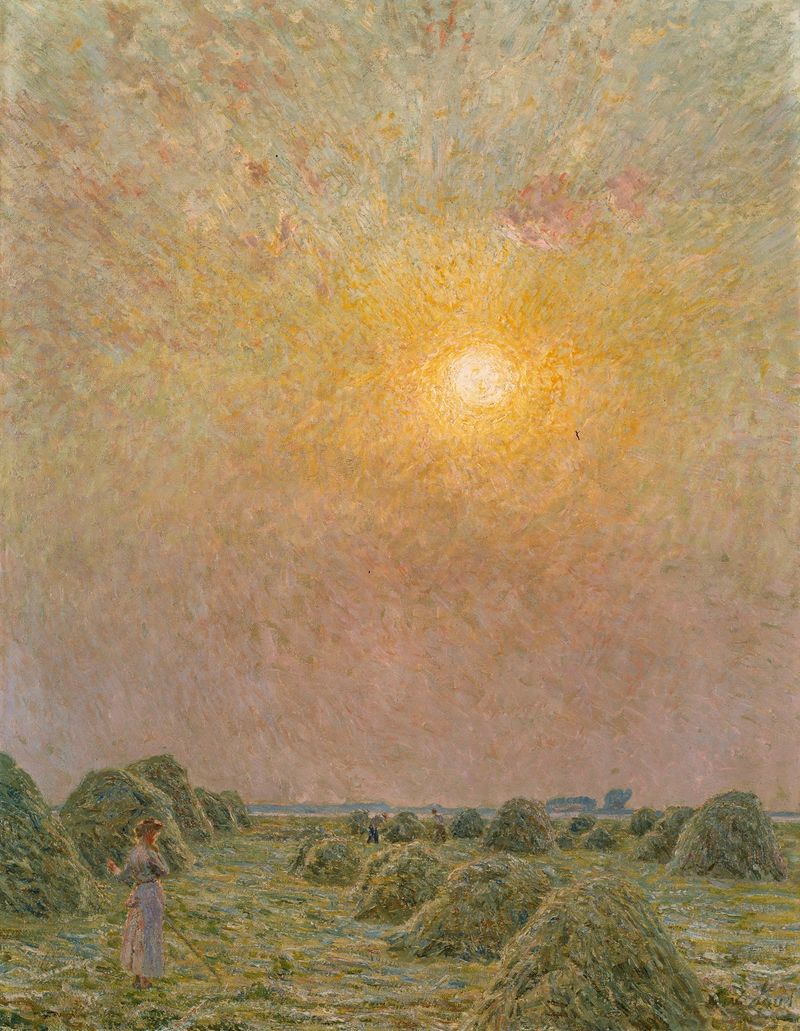
Who listens when art speaks of silence? In Meule de Foin, a profound stillness envelops a pastoral landscape, inviting reflection on the passage of time and memories hidden within golden fields. Look to the left at the vibrant haystack, its rich texture emanating warmth, contrasting against the cool blues of the distant sky. Notice how the artist’s brushstrokes create a gentle rhythm, echoing the natural flow of the landscape. The delicate play of light infuses depth, highlighting the subtle variations of color and weaving intricate patterns into the scene.
Shadows merge softly with sunlight, evoking a sense of serenity and quiet contemplation. Deeper meanings unfold within the layers of this bucolic tableau. The haystack, a symbol of labor and harvest, evokes melancholy, hinting at both the bounty of nature and the inevitable cycle of life and decay. The horizon looms, a reminder of the futures that await, while the soft hues speak of nostalgia, capturing fleeting moments of rural life.
The overall composition balances tranquility with an undercurrent of longing, inviting viewers to ponder what lies just beyond the canvas. In 1909, Emile Claus painted this work in his native Belgium, during a period marked by artistic exploration and a shift towards Impressionism. At this time, he was deeply engaged with capturing light and atmosphere, reflecting both personal and societal transitions. The painting emerges as a testament to his mastery and emotional depth, connecting the viewer to both the beauty and transient nature of rural existence.