
Meules de blé — History & Facts
In the realm of dreams, there exists a profound connection between the hues we see and the emotions we feel. What stories do the colors of our lives whisper to us in the stillness of dawn? As you delve into Meules de blé, first draw your gaze towards the vivid yellows and golds dancing across the canvas. Look closely at the textured strokes of paint that create the undulating fields, feeling the rhythm of the wheat as it sways in the invisible breeze.
The interplay of deep blues in the sky offers a striking contrast, grounding the vibrant field beneath and evoking the serenity of a summer’s day. Van Gogh's mastery of impasto technique invites you to almost touch the very essence of nature, as the brushwork transforms mere pigment into a tangible experience. Hidden within this pastoral scene lies the tension between abundance and the passing of time. The wheat bundles, ripe for harvest, symbolize a fleeting moment of vitality, soon to yield to the cycle of decay.
This evokes a bittersweet sensation, as the beauty of life is intrinsically tied to its transience. Notice how the light dances across the landscape, casting shadows that suggest both warmth and a foreboding stillness, hinting at the restless nature of the artist himself. In 1888, Van Gogh painted this piece during his time in Arles, where he sought solace and inspiration amidst a tumultuous inner life. The late 19th century was a period of immense change in the art world, transitioning from Impressionism to a more expressive and emotive style.
Here, in the sun-soaked fields, he chased his dream of capturing the essence of nature, striving to convey an unfiltered glimpse into his emotional landscape.
More Artworks by Vincent van Gogh
Browse all →
Starry Night
Vincent van Gogh
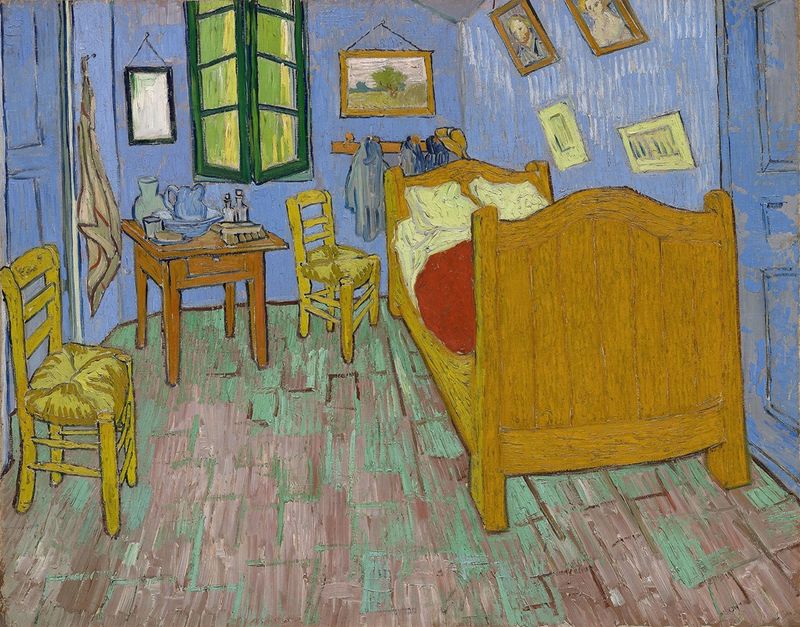
The Bedroom
Vincent van Gogh
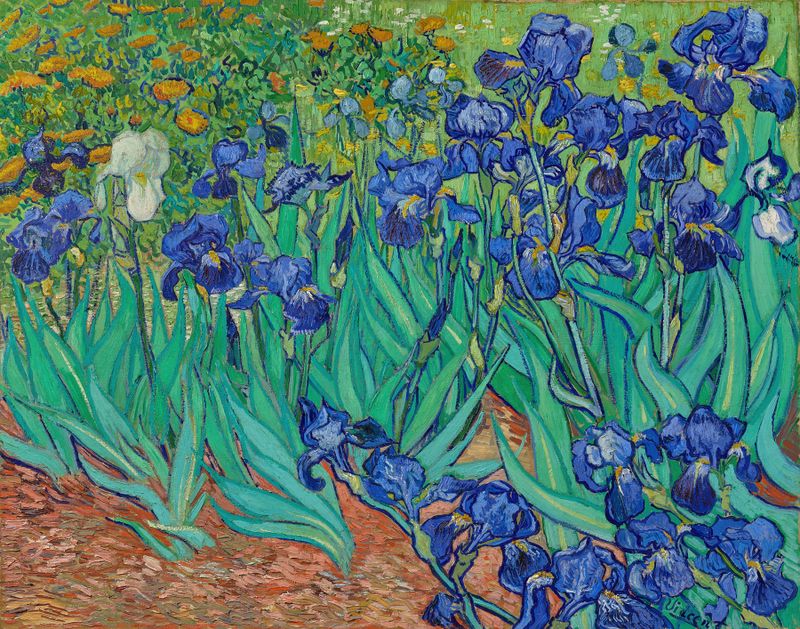
Irises
Vincent van Gogh
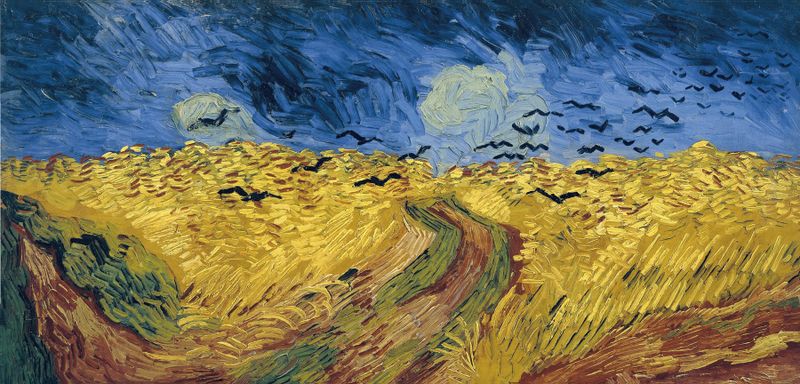
Wheatfield with Crows
Vincent van Gogh
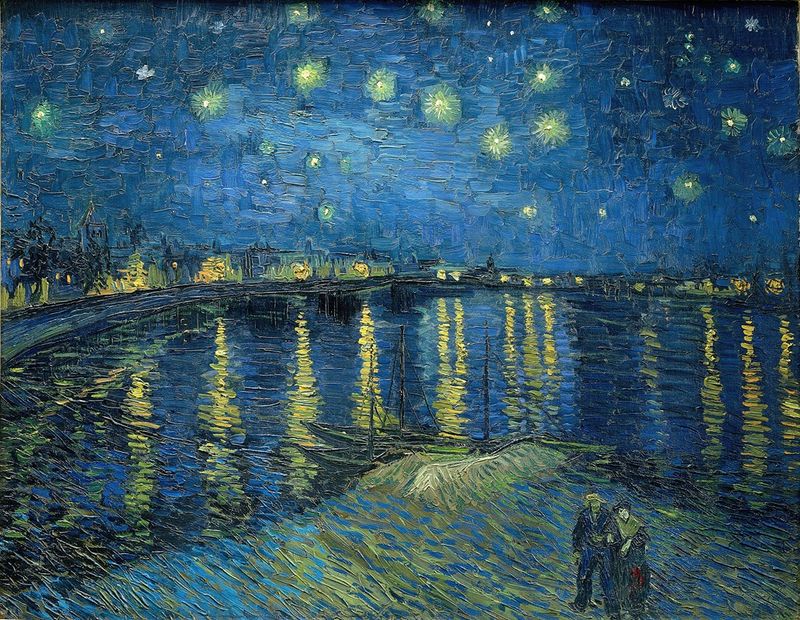
Starry Night over the Rhone
Vincent van Gogh

The yellow house
Vincent van Gogh
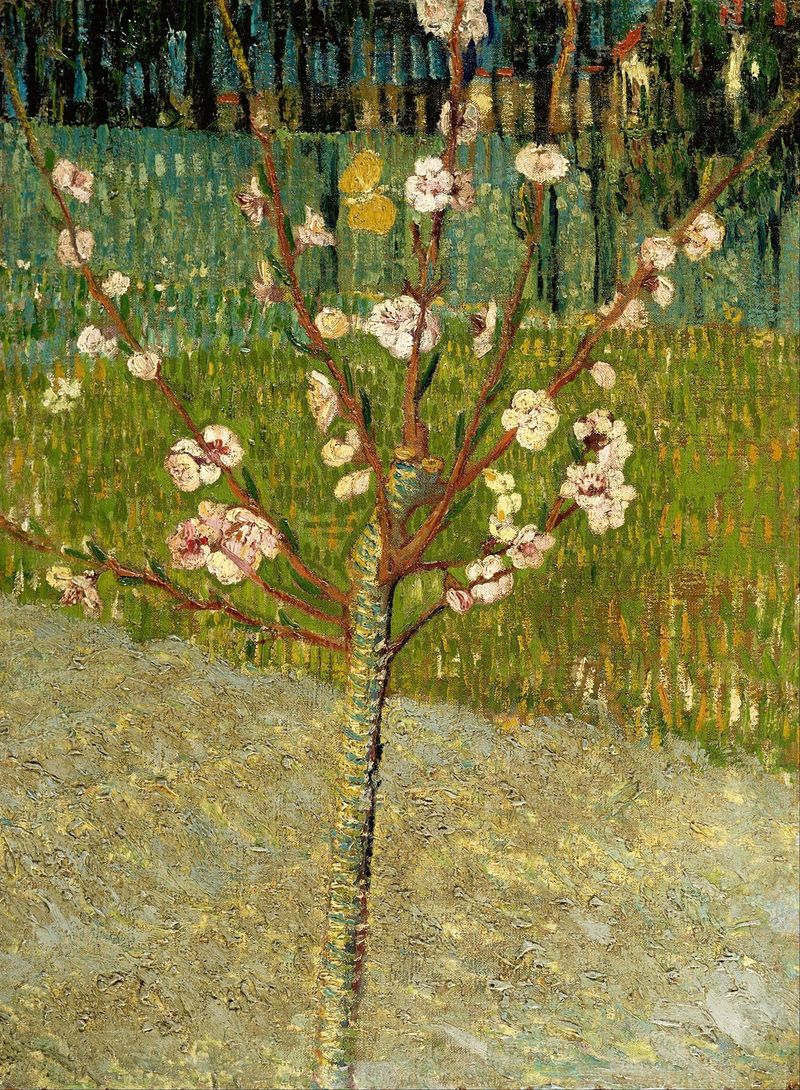
Almond tree in blossom
Vincent van Gogh

Portrait of Dr Gachet
Vincent van Gogh

The Church in Auvers-sur-Oise, View from the Chevet
Vincent van Gogh

Self-Portrait
Vincent van Gogh





