
Millbank — History & Facts
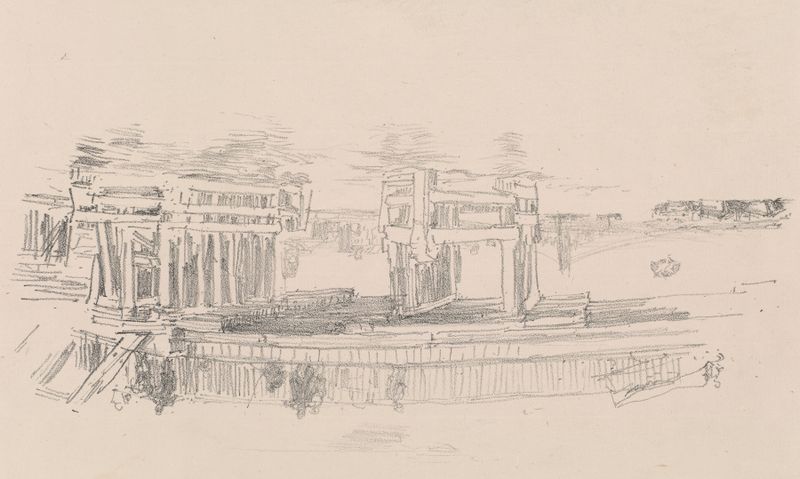
Could a single brushstroke hold eternity? In Millbank, the artist captures a fleeting moment where hope flickers on the horizon, inviting introspection and reflection. Look to the serene river flowing through the canvas, its surface a delicate interplay of blues and silvers. The subtle brushwork creates a shimmering effect, drawing the eye toward the soft outlines of the distant buildings, quietly standing as witnesses to the passage of time. The muted palette, with its gentle gradations, evokes a sense of stillness, allowing the viewer to feel the weight of the atmosphere.
Notice how the light dances along the water's edge, illuminating the scene with an ethereal glow, as the clouds above promise the potential of a new day. Delve deeper into the composition and you’ll uncover a profound tension between the tranquility of the water and the looming forms in the background. The figures on the shore, depicted in fleeting gestures, whisper of stories untold, embodying the very essence of longing and aspiration. Here, Whistler contrasts the ephemeral beauty of nature with the starkness of human existence, suggesting a fragile hope amidst the relentless march of time. In 1861, Whistler painted Millbank while living in London, during a period of artistic exploration and a burgeoning focus on tonal harmony.
The city was undergoing significant change, and Whistler's work reflected both the industrial landscape and the emotional undercurrents of modern life. This painting, rooted in his experiences, captures a moment of contemplation that resonates with the viewer, inviting them to pause and ponder their own narratives.
More Artworks by James Abbott McNeill Whistler
Browse all →
Nocturne in Blue and Silver
James Abbott McNeill Whistler
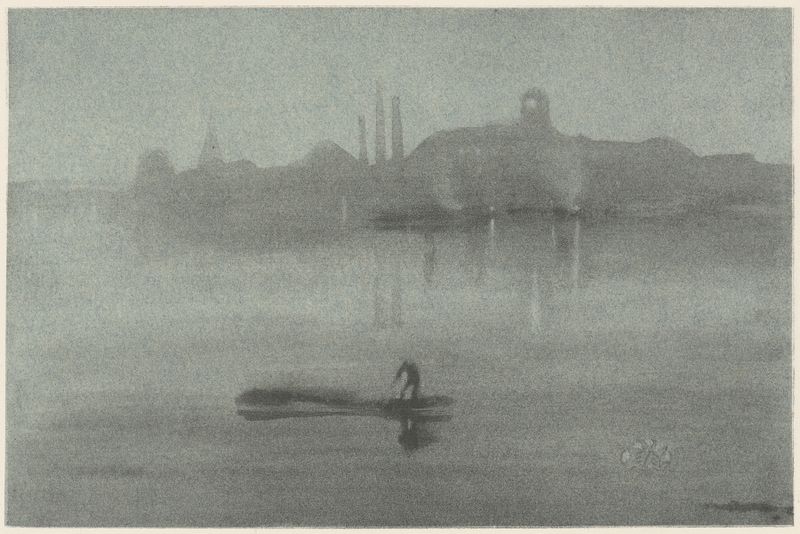
Nocturne
James Abbott McNeill Whistler
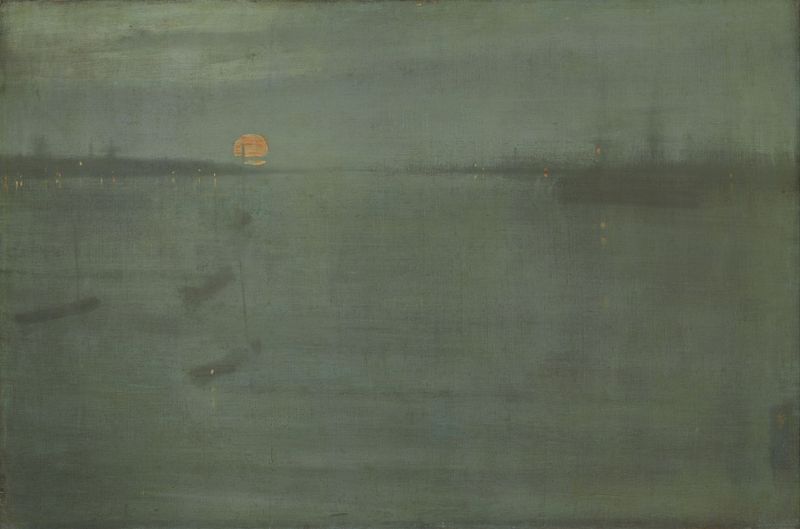
Nocturne: Blue and Gold–Southampton Water
James Abbott McNeill Whistler
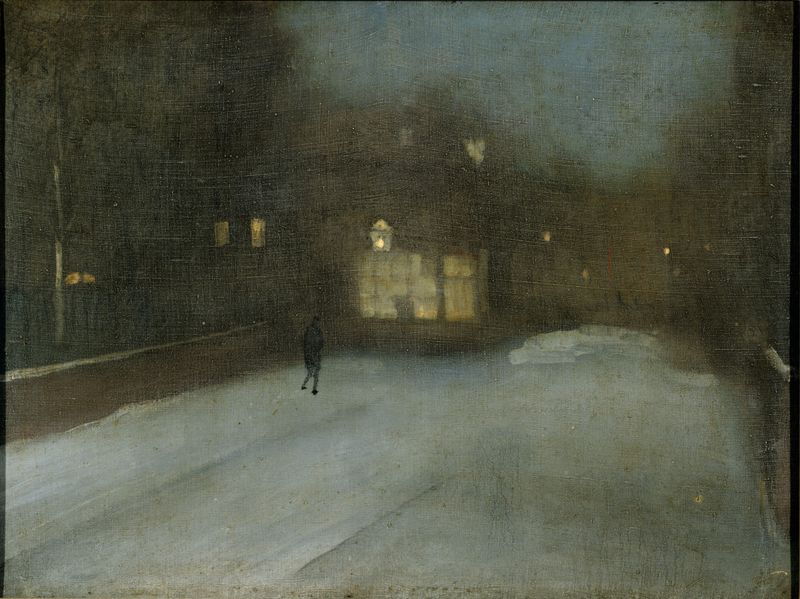
Nocturne in Grey and Gold: Chelsea Snow
James Abbott McNeill Whistler
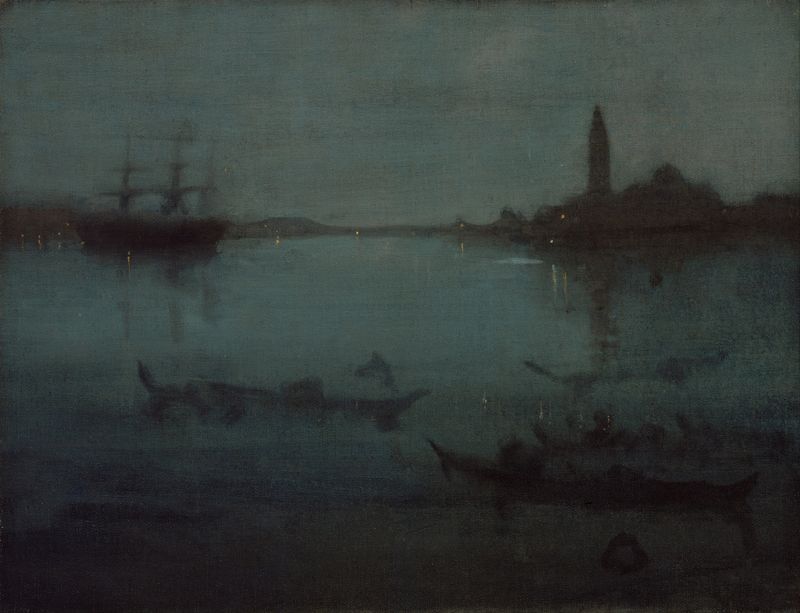
Nocturne in Blue and Silver- The Lagoon, Venice
James Abbott McNeill Whistler
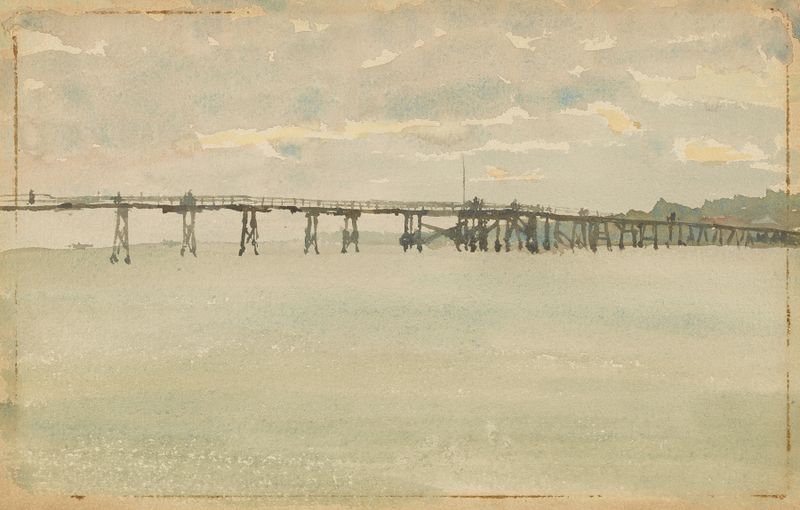
Grey and Silver–Pier, Southend
James Abbott McNeill Whistler
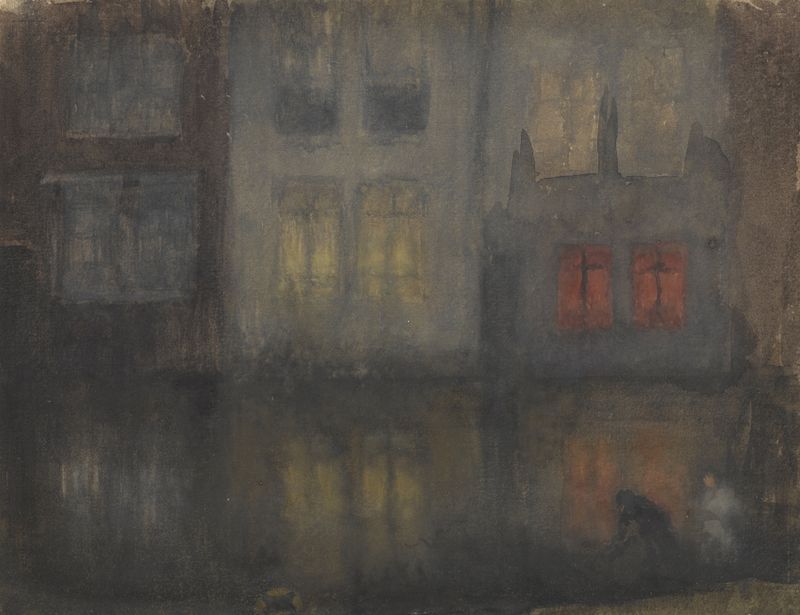
Nocturne: Black and Red—Back Canal, Holland
James Abbott McNeill Whistler
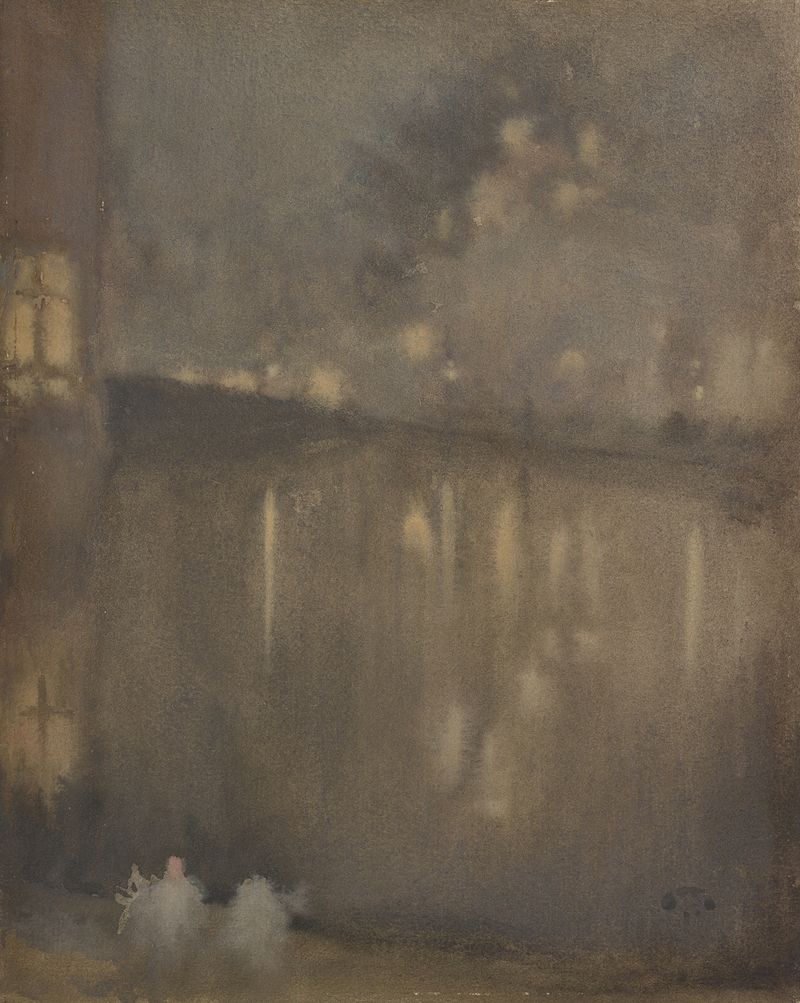
Nocturne: Grey and Gold–Canal, Holland
James Abbott McNeill Whistler
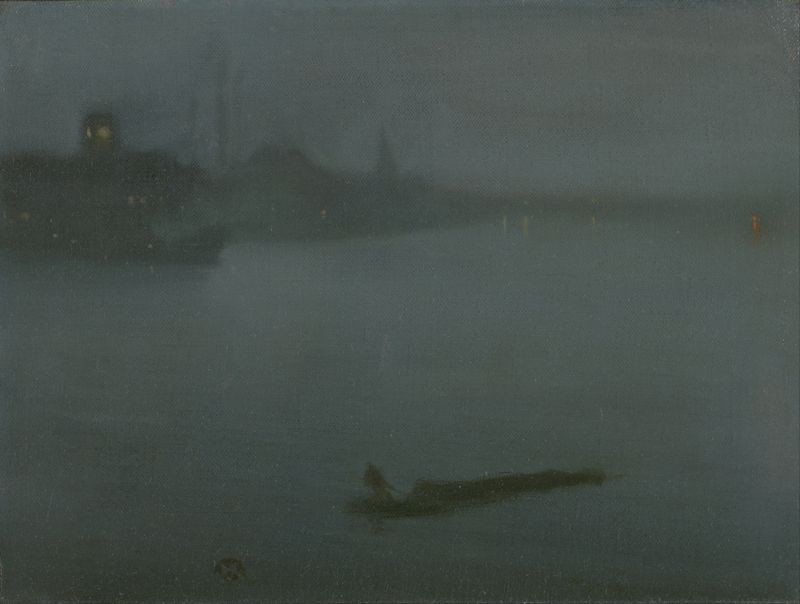
Nocturne in Blue and Silver
James Abbott McNeill Whistler
Old Battersea Bridge
James Abbott McNeill Whistler





