
Minerva in a Chariot — History & Facts
A sweep of light and motion draws the viewer straight into the heart of Minerva in a Chariot, where the goddess stands poised, commanding both her steeds and the viewer’s attention. The atmosphere is restless—Minerva’s robes and the horses’ manes seem to ripple in the same unseen wind, their forms emerging from a haze of energetic brushwork. The artist, Abbott Handerson Thayer, sets the goddess not in the stillness of myth, but in the midst of action: her spear upright, her gaze fixed ahead, she is both guardian and conqueror.
The chariot’s wheels, only half-defined, suggest speed and power, while the frieze-like band above her head frames the scene with a sense of ancient ceremony. Painted in 1894, this work pulses with the ambitions of its era, when American artists looked to classical subjects as a way to stake their claim in the grand tradition of Western art. Thayer’s Minerva is not the cold marble of antiquity, but a living figure, rendered with a looseness that feels almost modern. The palette—icy blues, stormy greys, flashes of gold—evokes both the clarity of high noon and the turbulence of battle, hinting at Minerva’s dual role as goddess of wisdom and war.
Unlike the rigid symmetry of earlier neoclassical depictions, here the goddess seems to break free from the canvas, her presence as much about energy as about form. Little is recorded about the specific journey of this painting, now held in the collection of the Smithsonian American Art Museum. Yet its date and style place it at a turning point in American art, when mythological subjects were being reimagined for a new nation’s aspirations. Thayer, known for his ethereal angels and allegories, here channels the restless spirit of the 1890s—a decade of invention, anxiety, and hope.
The painting invites us to linger, to follow the sweep of Minerva’s chariot into the unknown, and to wonder what battles—literal or imagined—await just beyond the painted horizon.
More Artworks by Abbott Handerson Thayer
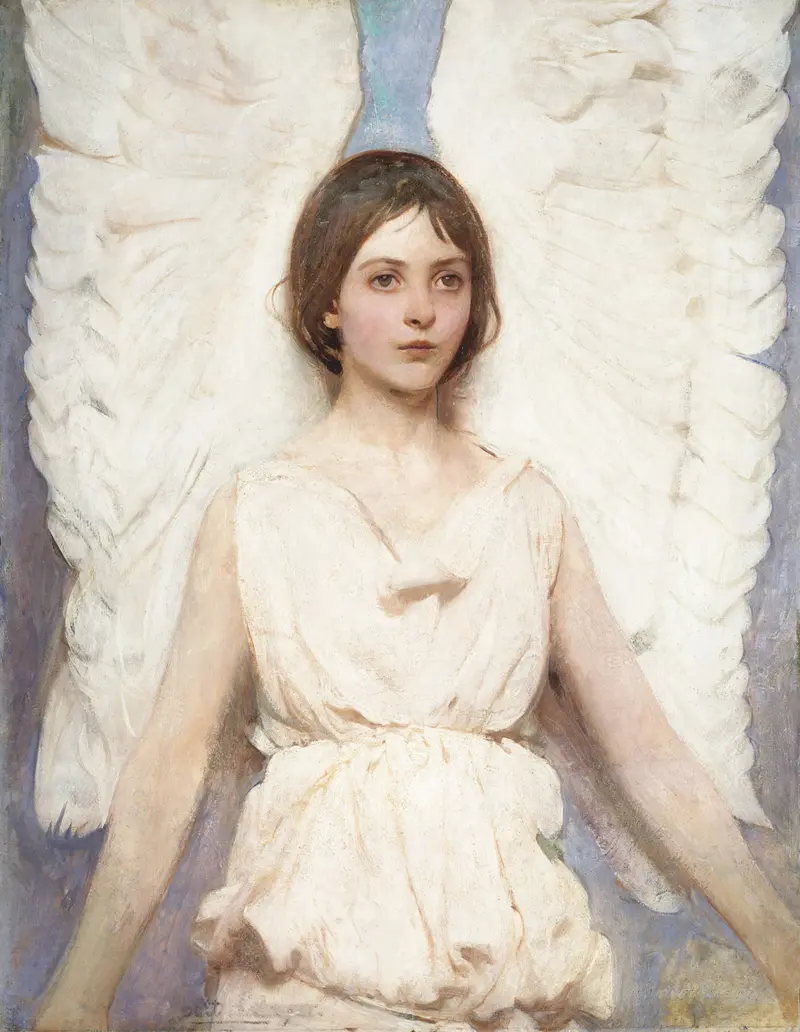
Angel
Abbott Handerson Thayer

Mount Monadnock
Abbott Handerson Thayer
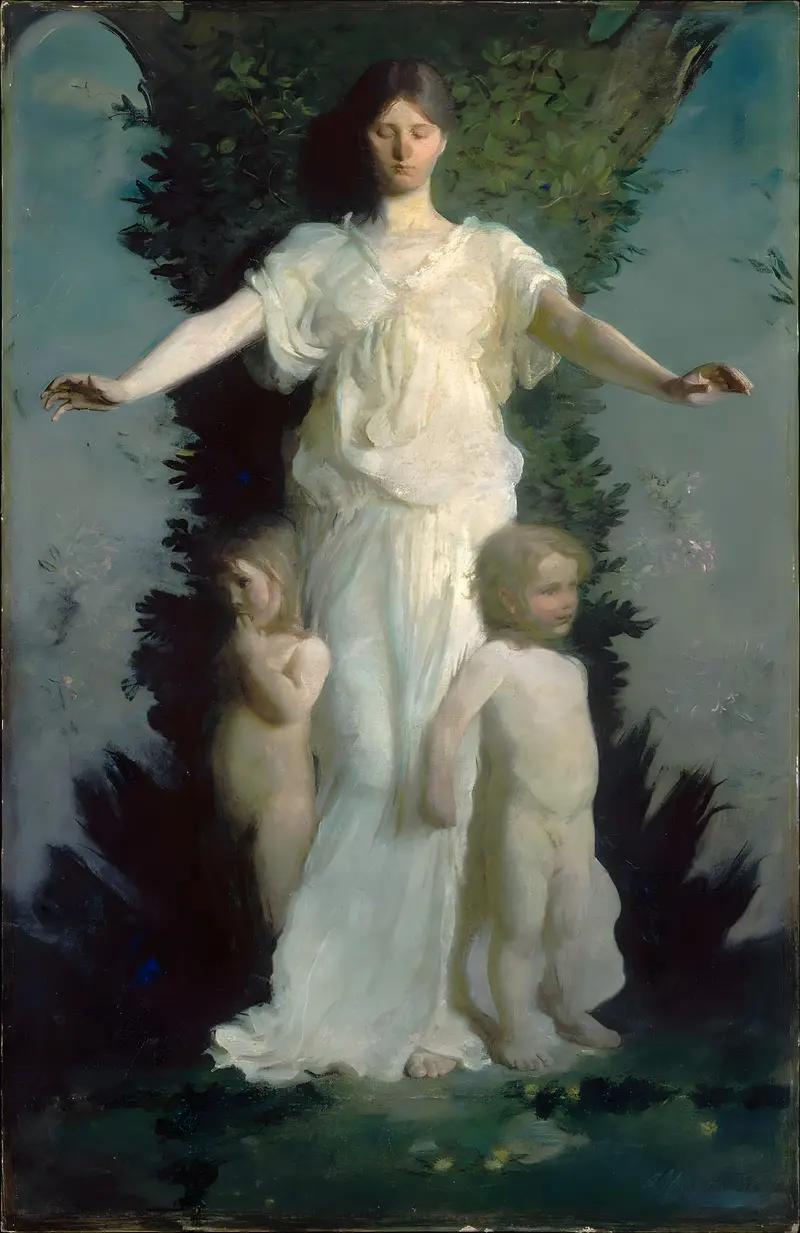
Caritas
Abbott Handerson Thayer

Winter, Monadnock
Abbott Handerson Thayer
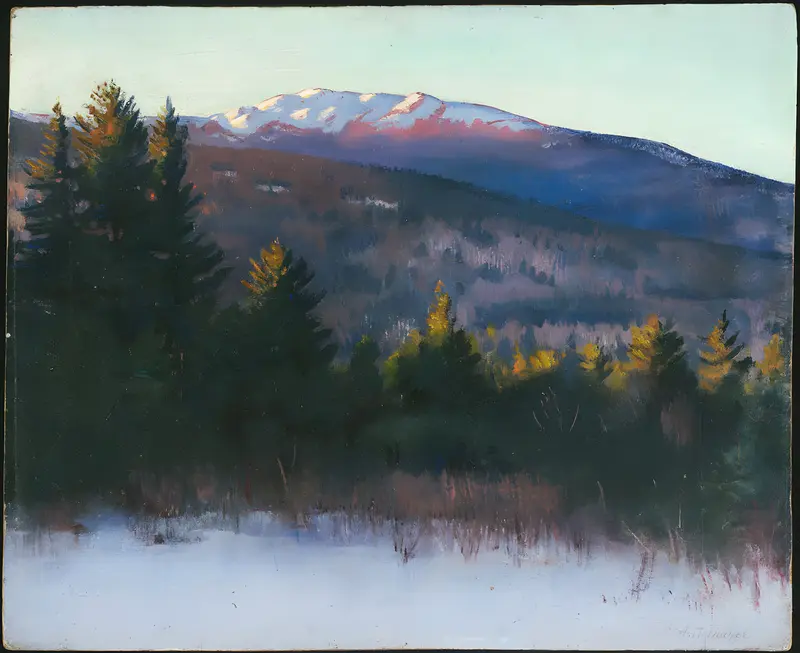
Mount Monadnock
Abbott Handerson Thayer
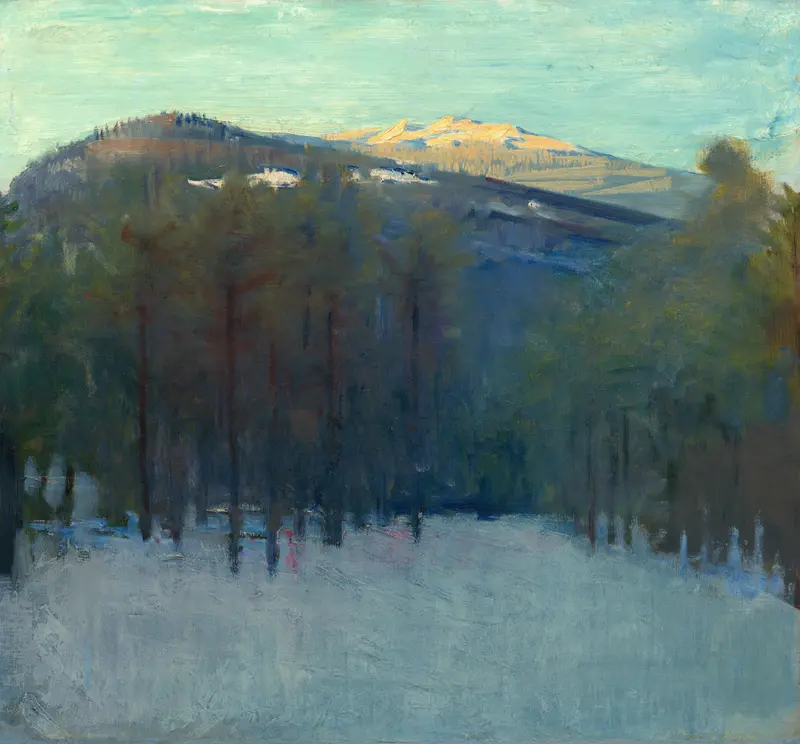
Mount Monadnock
Abbott Handerson Thayer
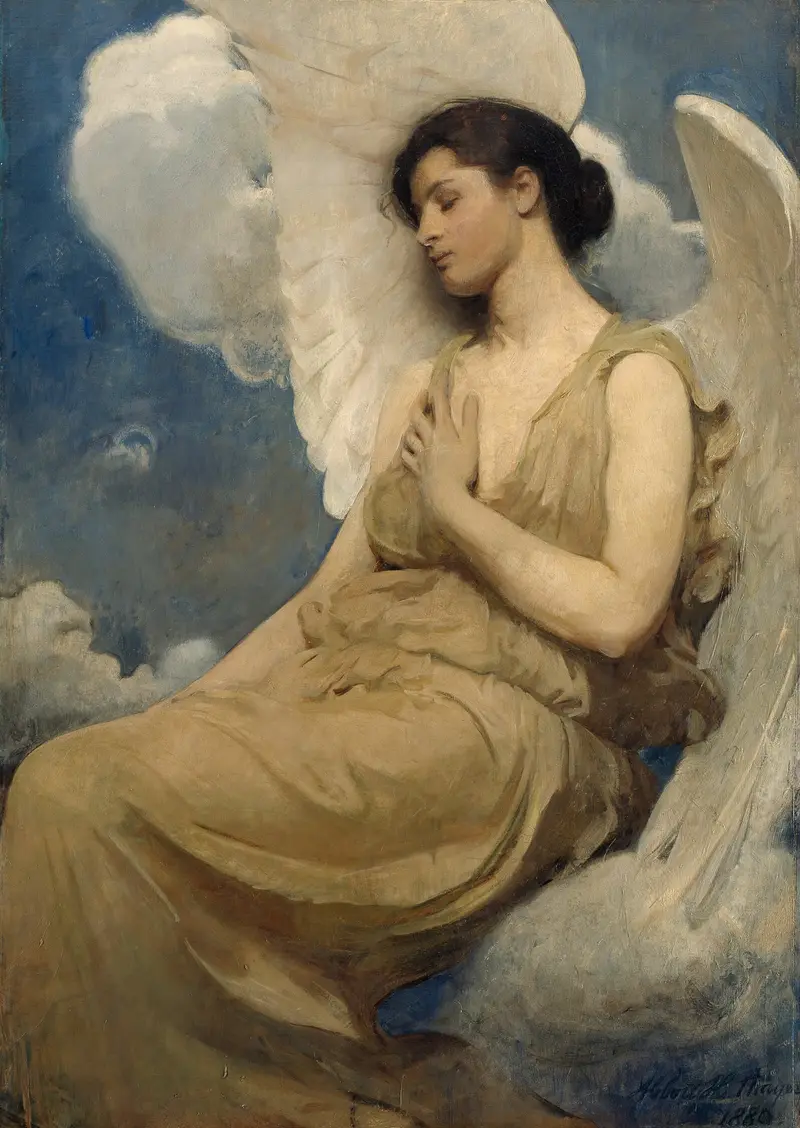
Winged Figure
Abbott Handerson Thayer
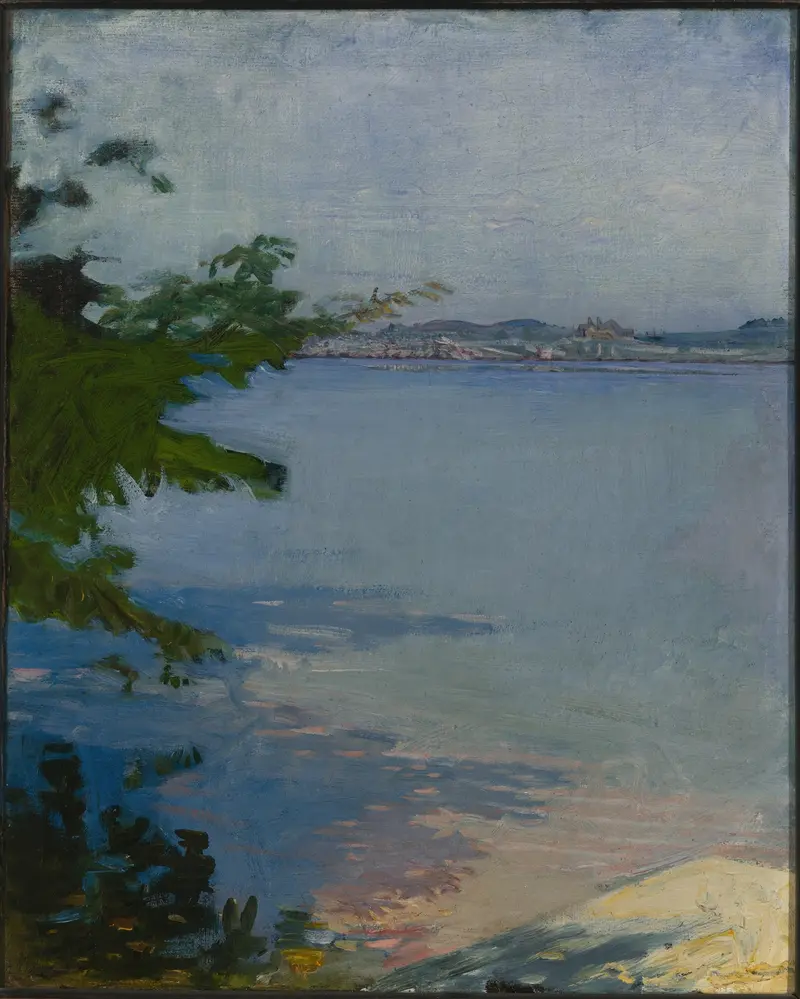
Dublin Pond, New Hampshire
Abbott Handerson Thayer
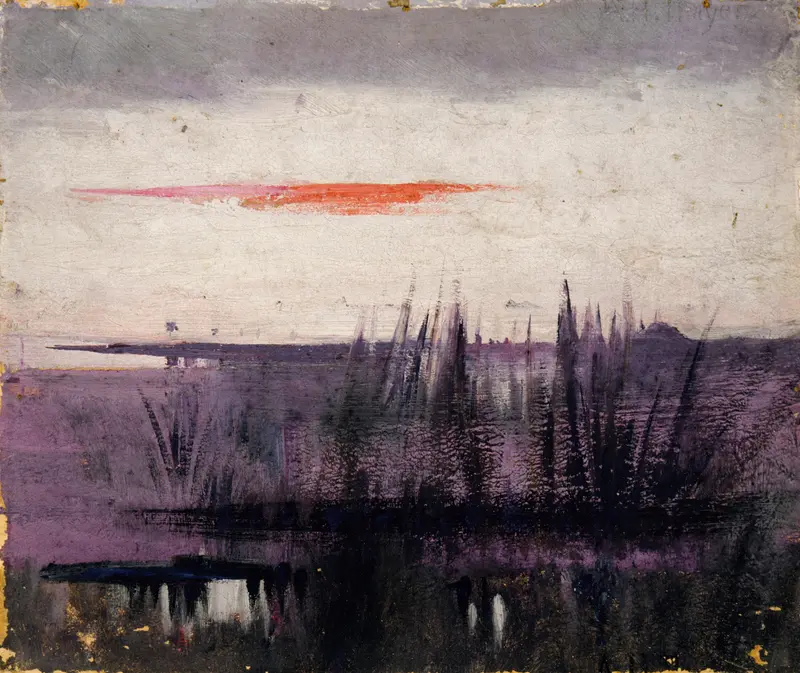
The Sky Simulated By White Flamingoes Study For Book, Concealing Coloration In The Animal Kingdom
Abbott Handerson Thayer
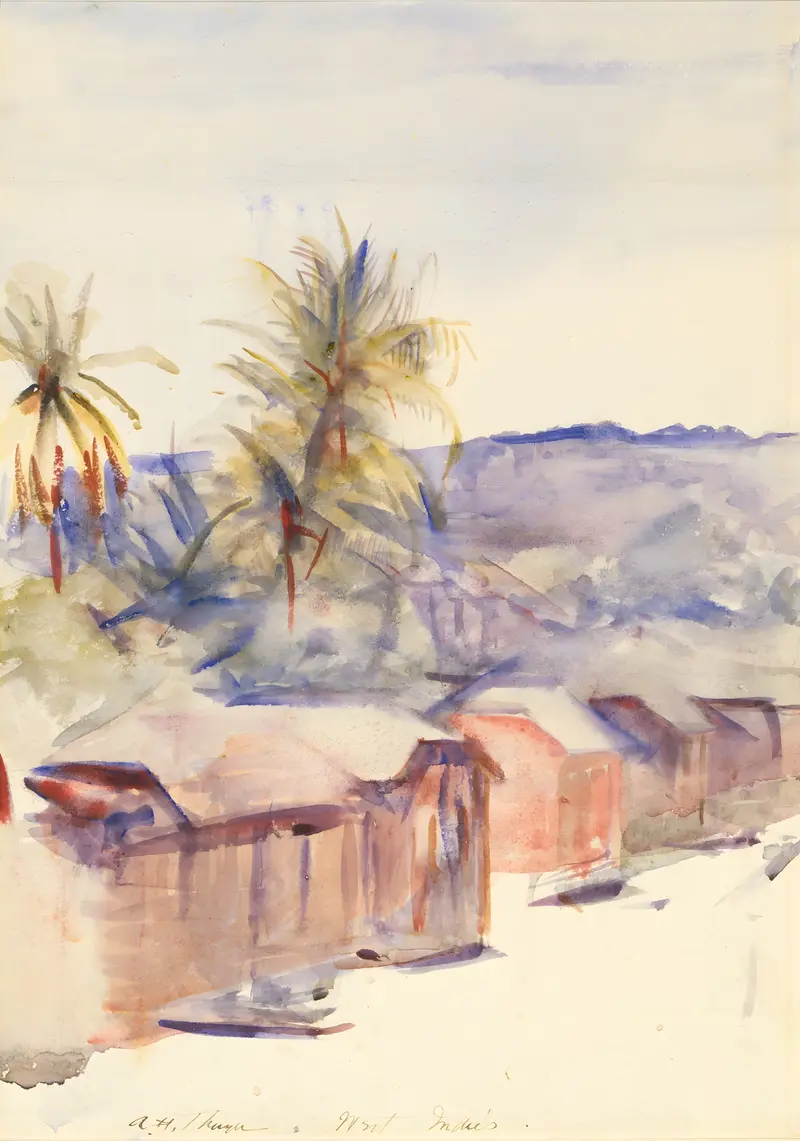
Village Street, Dominica
Abbott Handerson Thayer





