Minerva (Pallas) — History & Facts
Is this a mirror — or a memory? In Minerva (Pallas), the viewer is invited to explore the interplay of time and identity, where history and presence intertwine. Look to the center of the composition, where Minerva's poised figure emerges from the shadows, her armor glistening with meticulous detail. The play of light accentuates her striking features and the delicate textures of her attire, while a serene expression captures her wisdom. The soft background serves to elevate her presence, focusing our attention on the intricate patterns that surround her, enriching the narrative within the frame. Delve deeper, and you’ll find contrasting elements of strength and fragility in her stance.
The vibrant hues of her robe juxtapose with the somber tones of the background, symbolizing the duality of war and peace. Notice how the textures shift from smooth armor to delicate fabric, a reminder of the complexities of power. In this melding of elements, one senses the weight of time passing—Minerva is both a warrior and a guardian of knowledge, echoing the relentless march of history. Created in 1646, this work emerged during Hollar's time in England, where he faced the turbulent backdrop of the English Civil War.
The artist, originally from Bohemia, had found refuge in a land grappling with conflict, shaping his vision of classical themes as a means of solace. It was a period ripe for reflection, and Hollar’s portrayal showcases not only the mythological figure but also a profound commentary on the nature of time and its lasting impact on culture.
More Artworks by Wenceslaus Hollar
Browse all →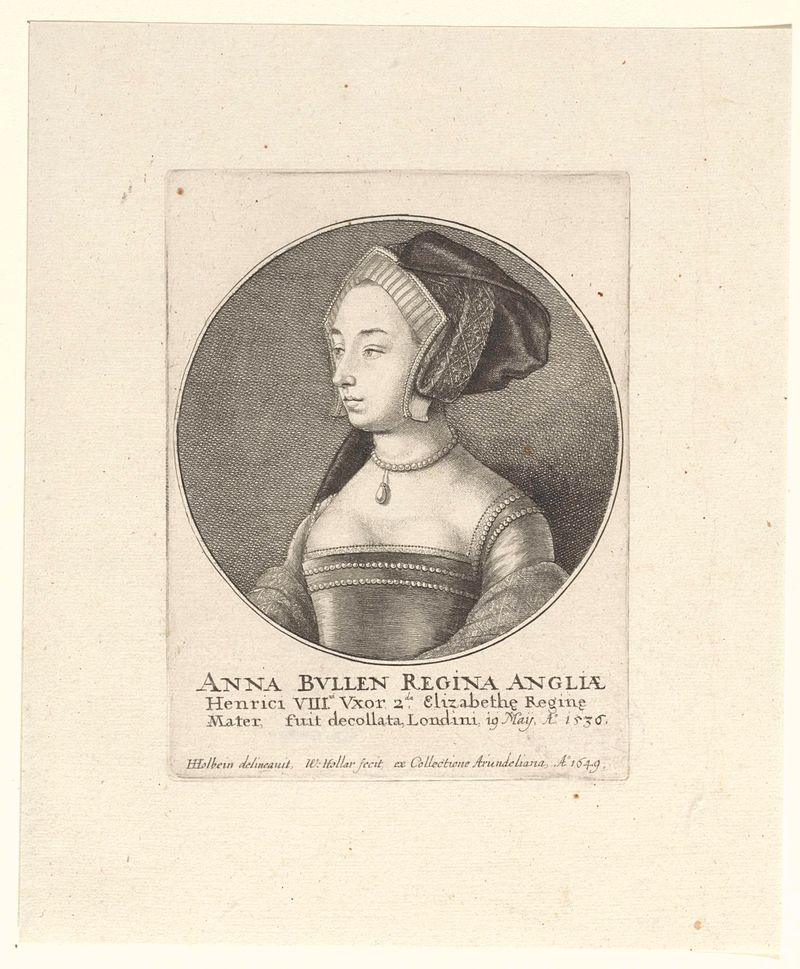
Portret van Anna Boleyn, koningin van Engeland
Wenceslaus Hollar
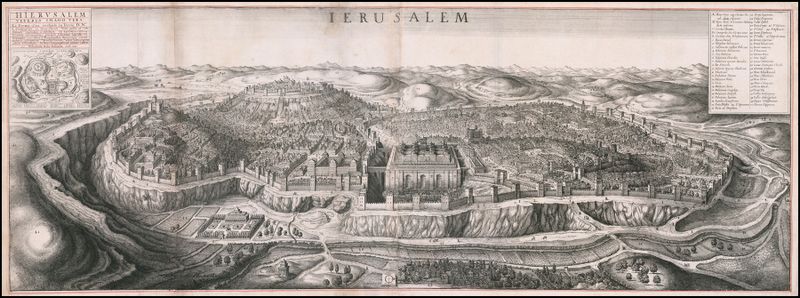
Bird’s eye view of Jerusalem
Wenceslaus Hollar
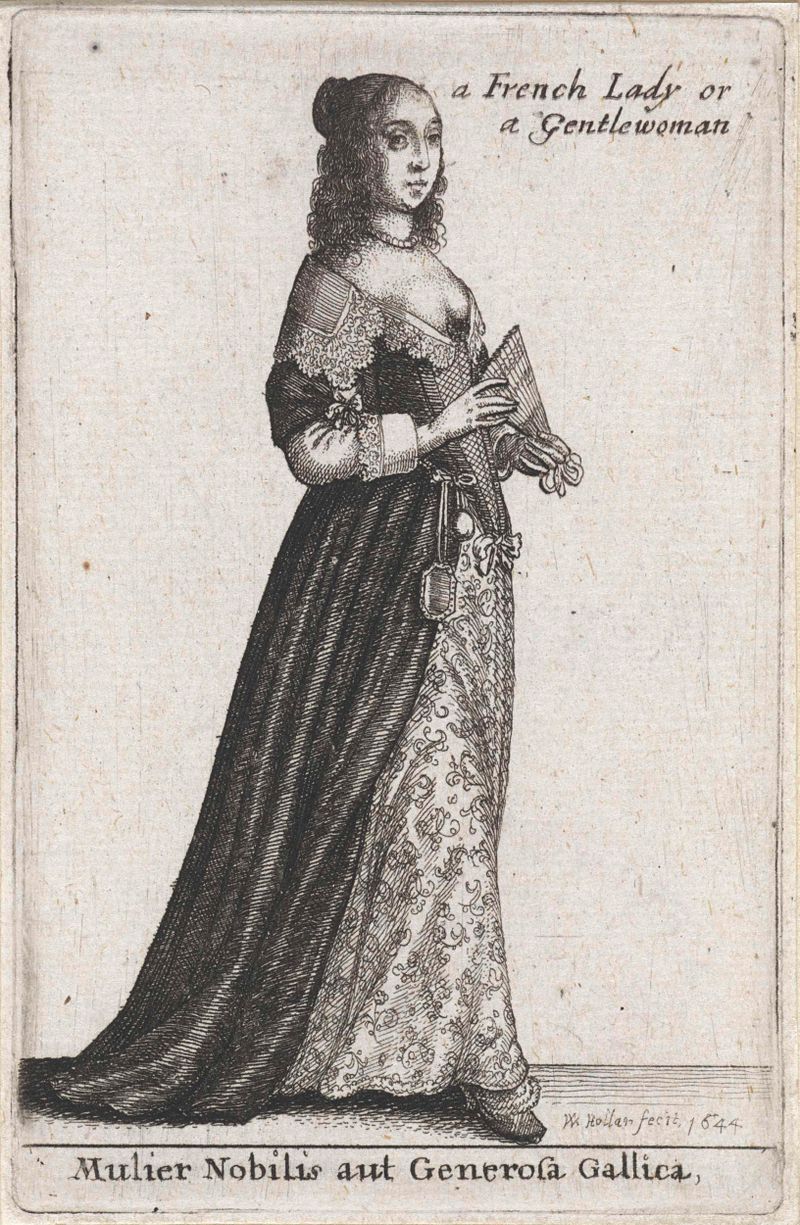
Mulier Nobilis aut Generosa Gallica / a French Lady or Gentlewoman
Wenceslaus Hollar
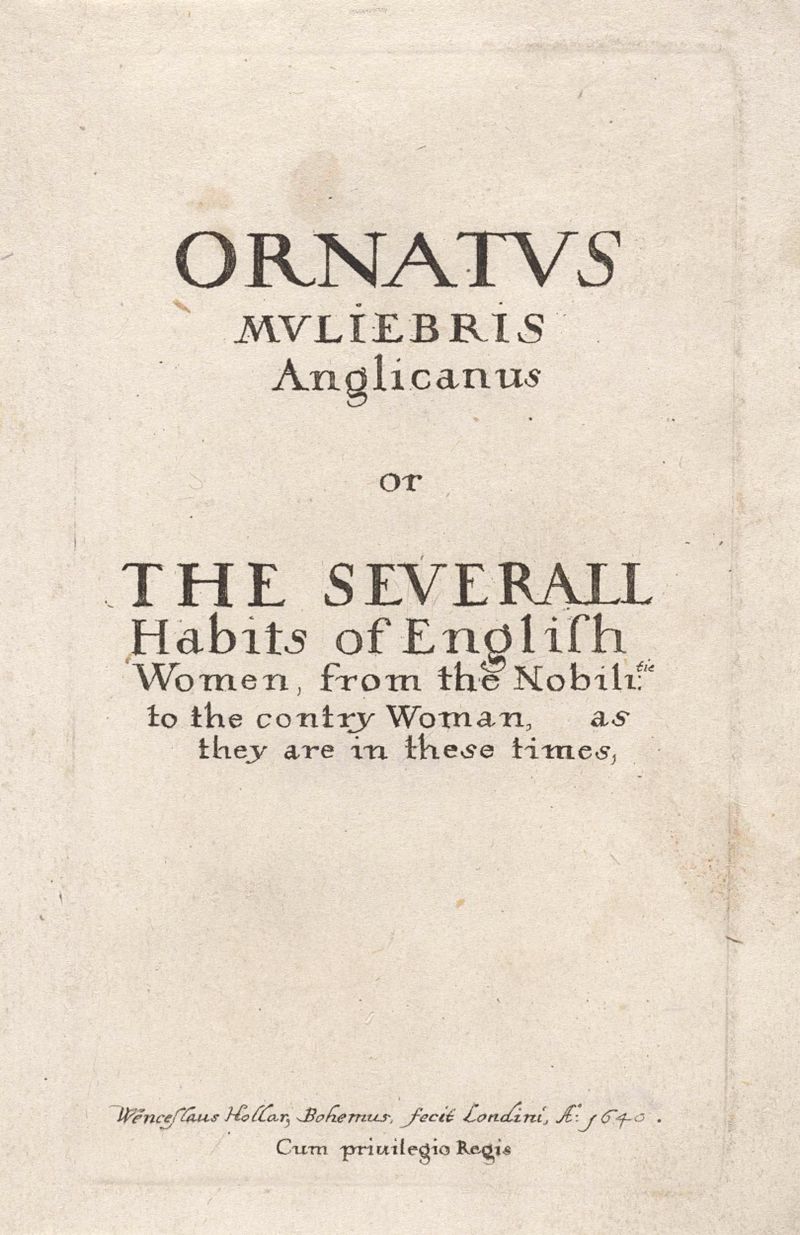
Titelprent voor: Ornatus Muliebris Anglicanus
Wenceslaus Hollar
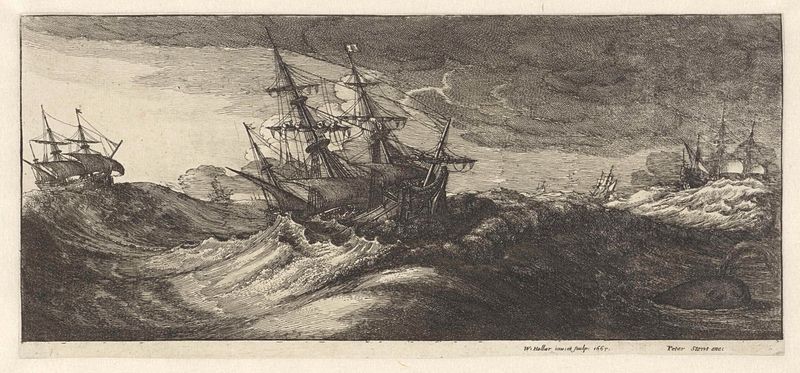
Oorlogsschepen en een walvis in een zeestorm
Wenceslaus Hollar
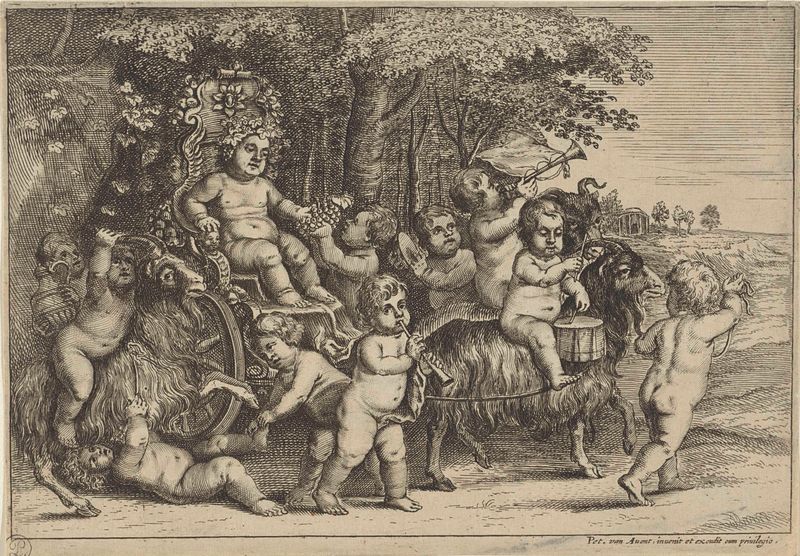
Optocht van bacchant en jongetjes op geiten
Wenceslaus Hollar
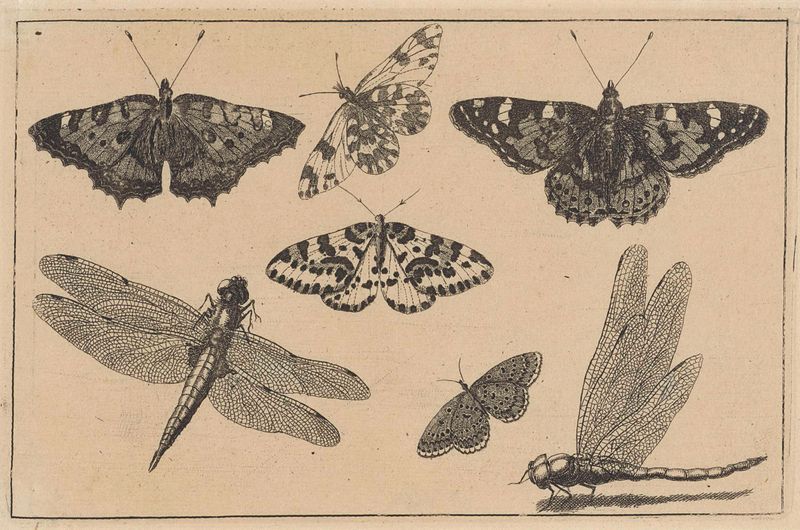
Twee libellen en vijf vlinders
Wenceslaus Hollar
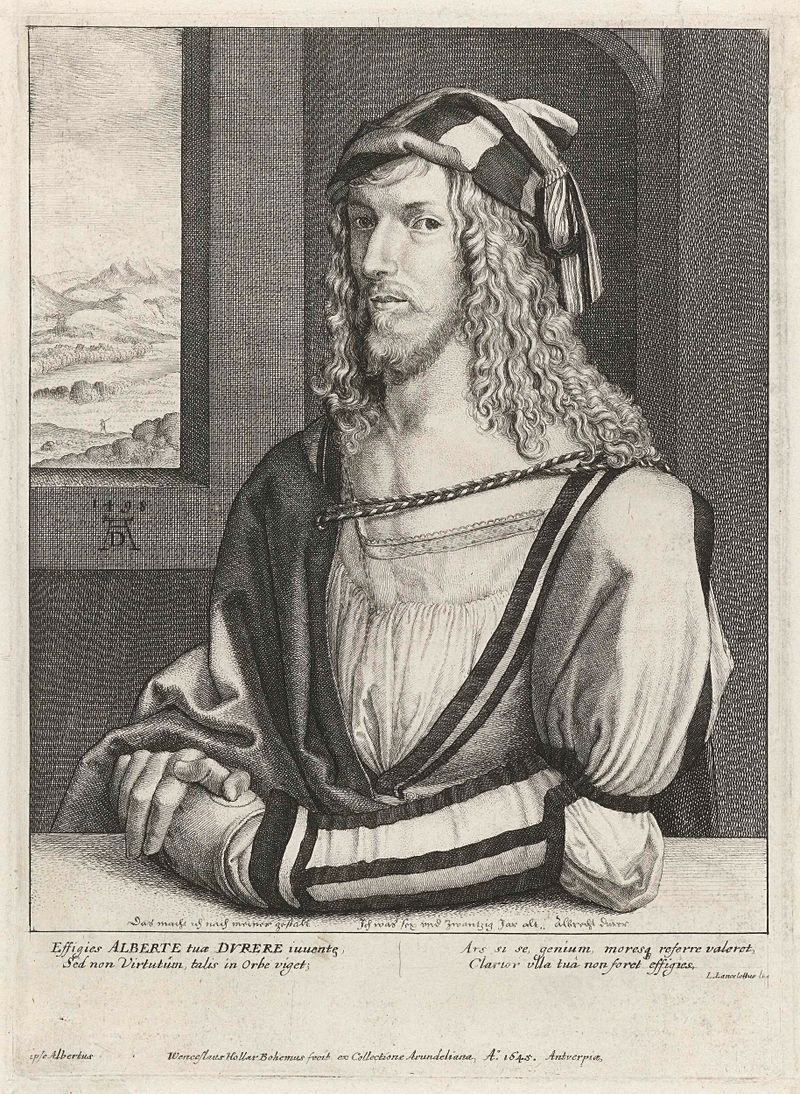
Portret van Albrecht Dürer
Wenceslaus Hollar
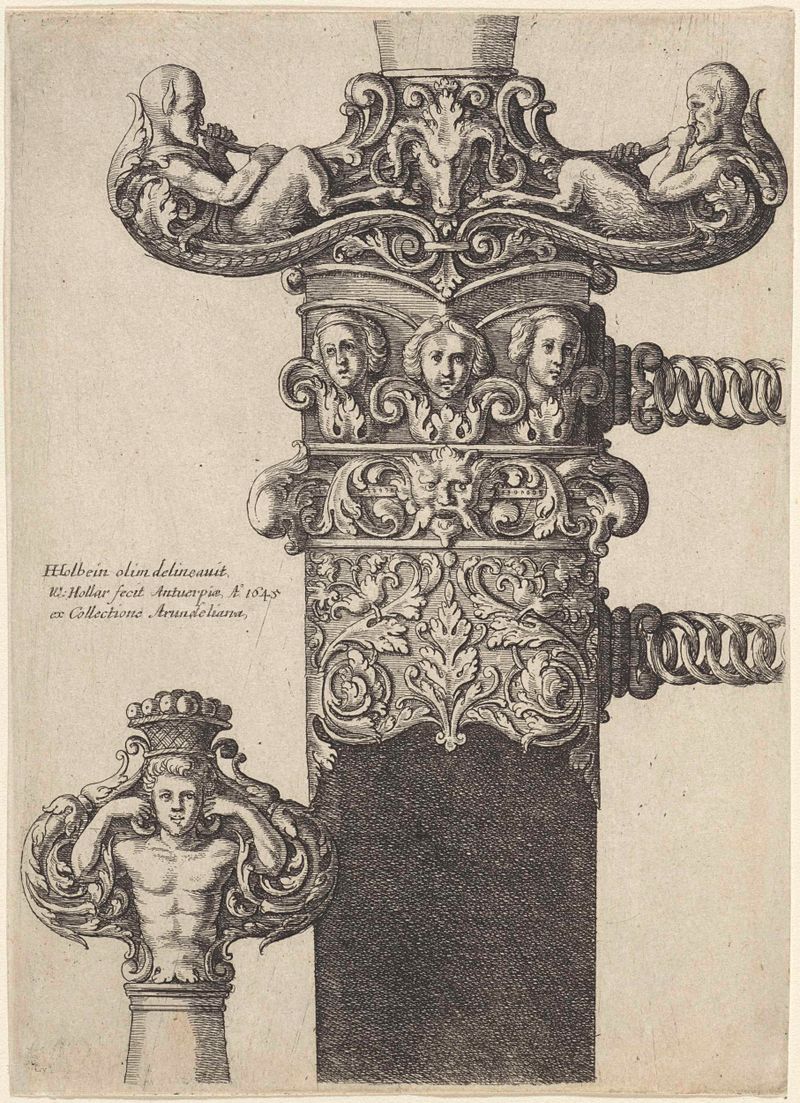
Ornamenteel ontwerp voor een dolk
Wenceslaus Hollar
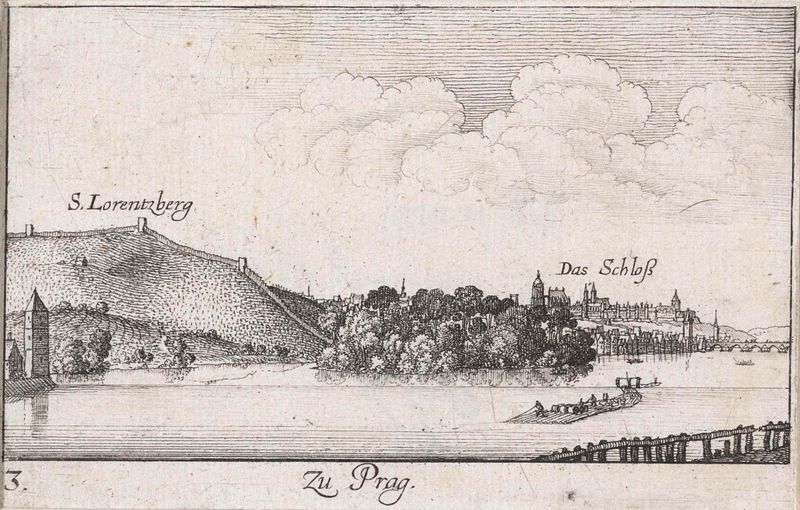
Gezicht op Praag vanaf de Moldau
Wenceslaus Hollar