
Miss Lillian Woakes — History & Facts
What first catches the eye in Miss Lillian Woakes by James McNeill Whistler is the sense of quiet immediacy—her gaze, direct yet reserved, draws you in as if she is about to speak but holds her words. The portrait is built around this moment of poised stillness, where the softness of her features is offset by the bold, dark halo of her hair, punctuated only by two small red ribbons. Whistler’s brushwork is loose and suggestive, especially in the rendering of her dress, where the creamy whites and shadowy greens seem to dissolve into the background, focusing all attention on the sitter’s face.
The warm, muted palette and the subtle modeling of light across her cheeks and lips create a sense of intimacy, while the unfinished quality of the clothing leaves the viewer hovering between presence and memory. Painted between 1890 and 1891, this portrait belongs to a period when artists like Whistler were challenging the conventions of formal portraiture, favoring atmosphere and impression over rigid likeness. In the late nineteenth century, such works were often commissioned by families eager to capture the fleeting youth of daughters or nieces, yet Whistler’s approach stands apart for its psychological depth and painterly freedom. While little is recorded about the specific circumstances of Miss Lillian Woakes, its current presence in a digital collection allows us to appreciate the subtlety and innovation of Whistler’s late style.
The painting invites you to linger, to search the sitter’s expression for the story behind those watchful eyes.
More Artworks by James McNeill Whistler
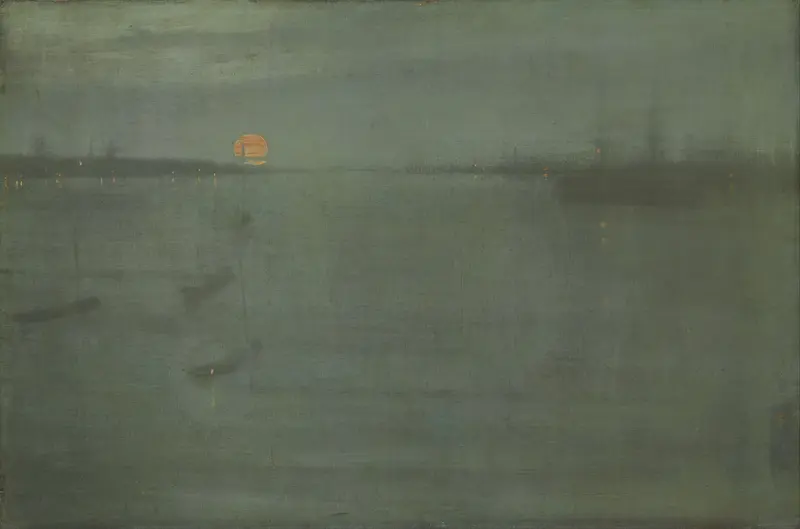
Nocturne: Blue and Gold—Southampton Water
James McNeill Whistler
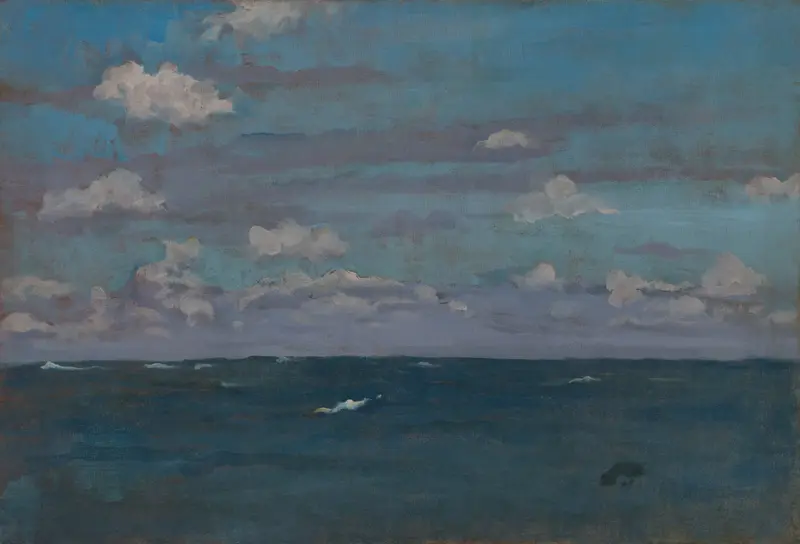
Violet and Silver—The Deep Sea
James McNeill Whistler
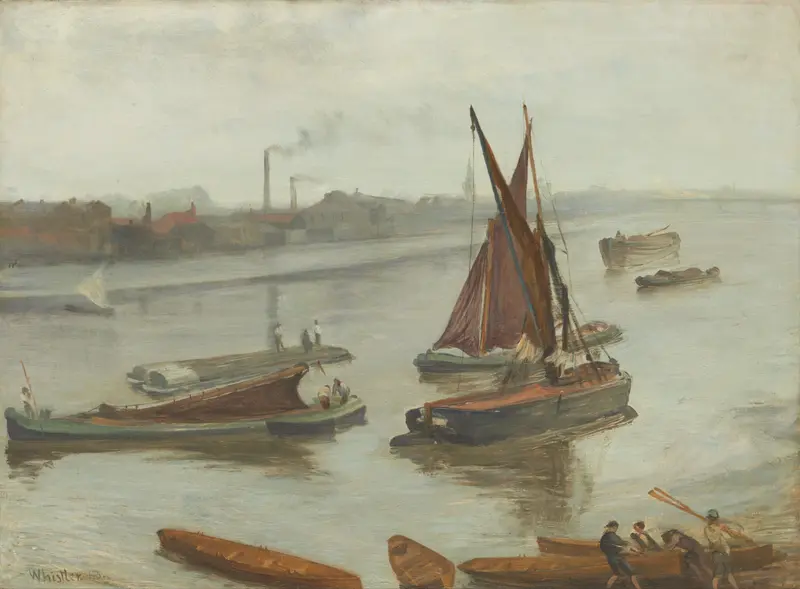
Grey and Silver: Old Battersea Reach
James McNeill Whistler
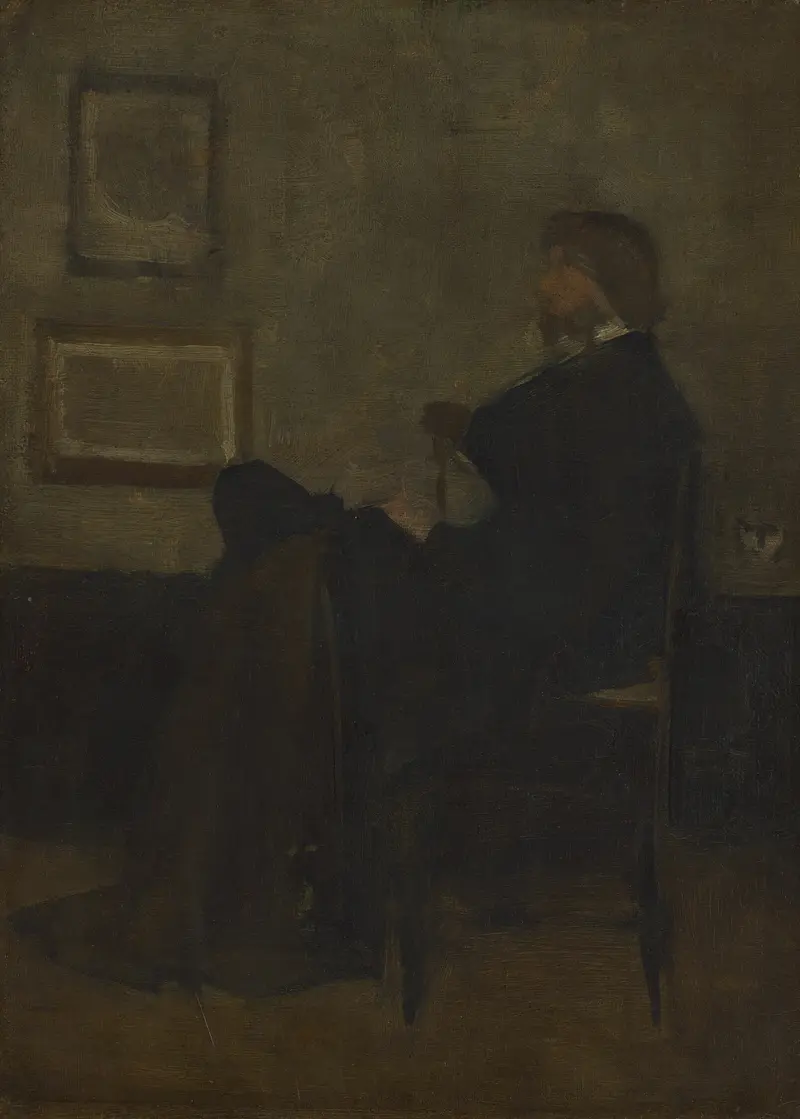
Study for "Arrangement in Grey and Black, No. 2: Portrait of Thomas Carlyle"
James McNeill Whistler
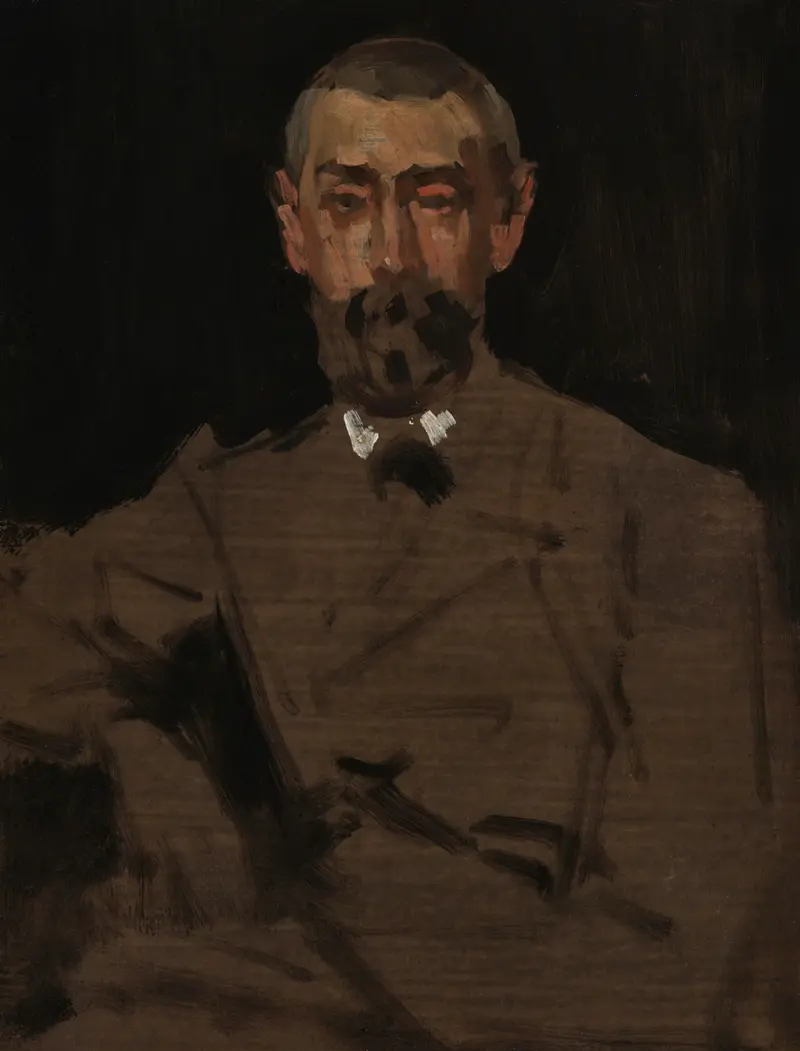
Portrait of M. R. Elden
James McNeill Whistler
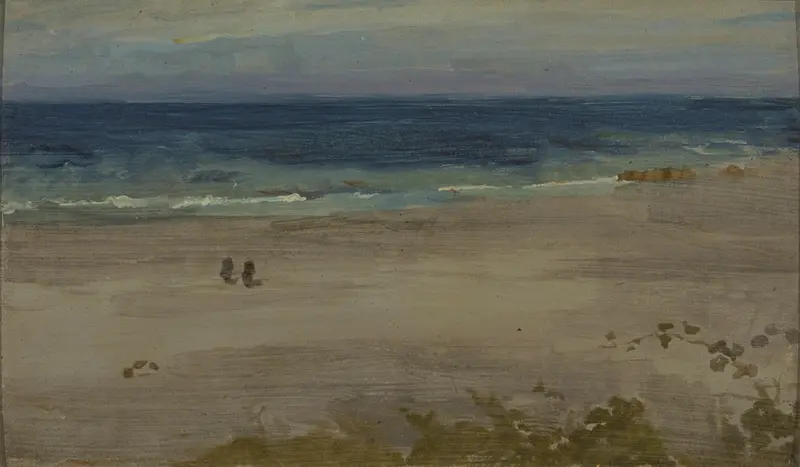
The Blue Sea
James McNeill Whistler
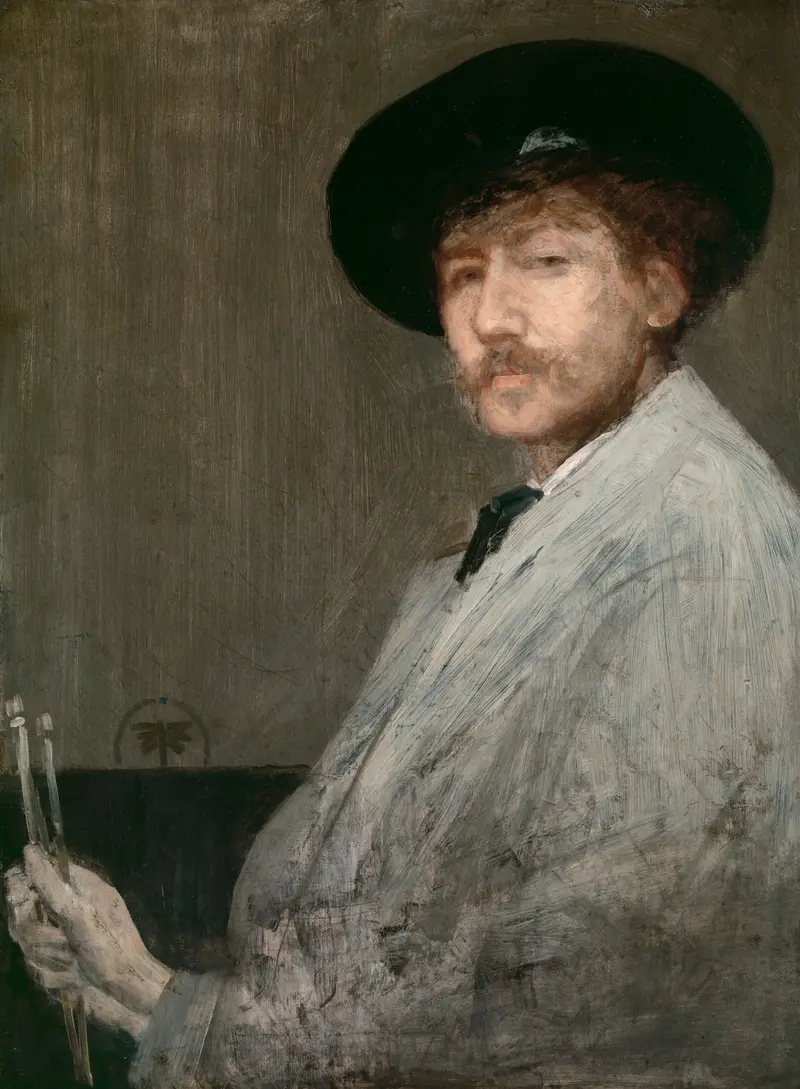
Arrangement in Gray: Portrait of the Painter
James McNeill Whistler
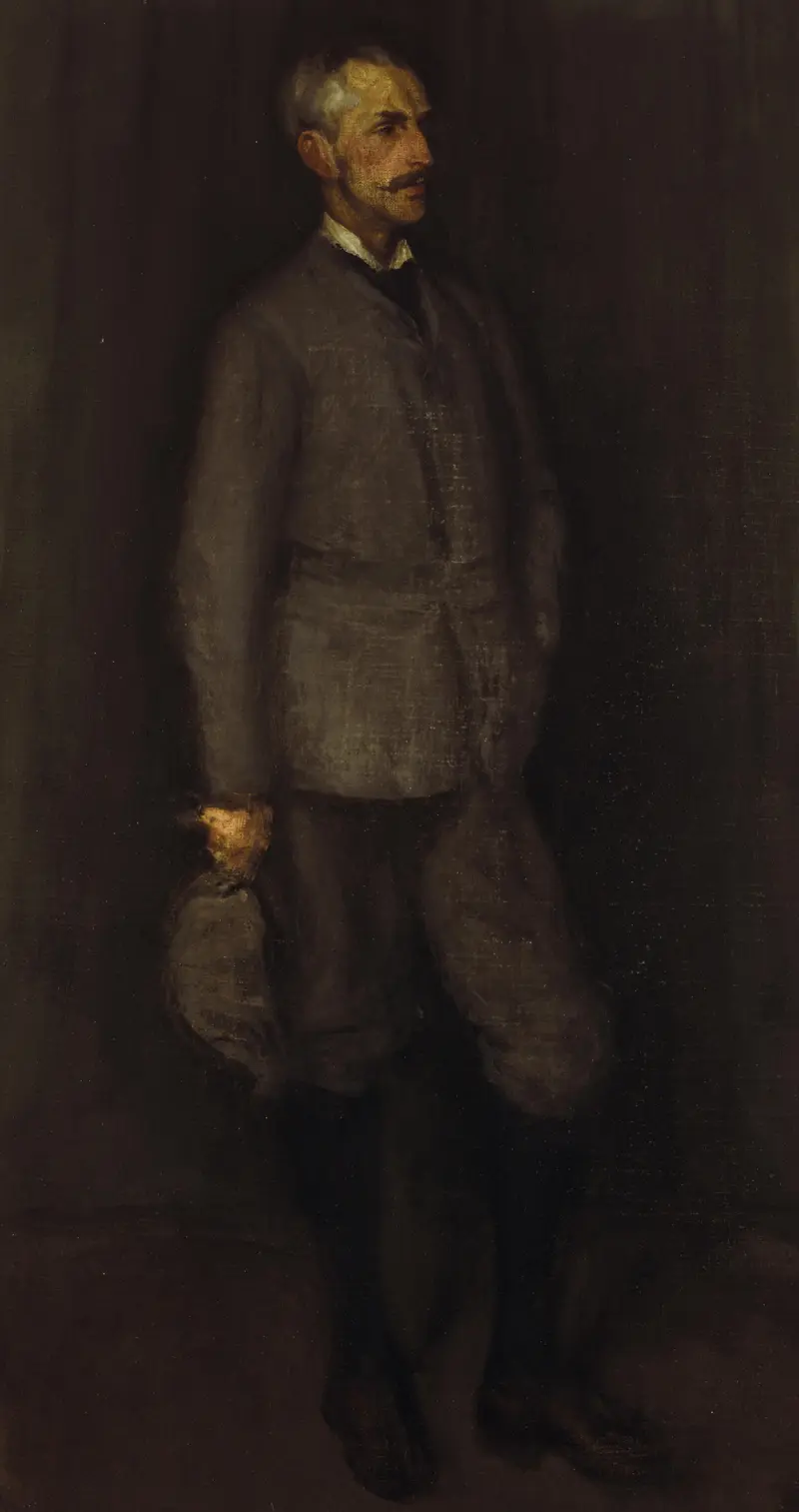
Arrangement in Grey and Green. Portrait of John James Cowan
James McNeill Whistler
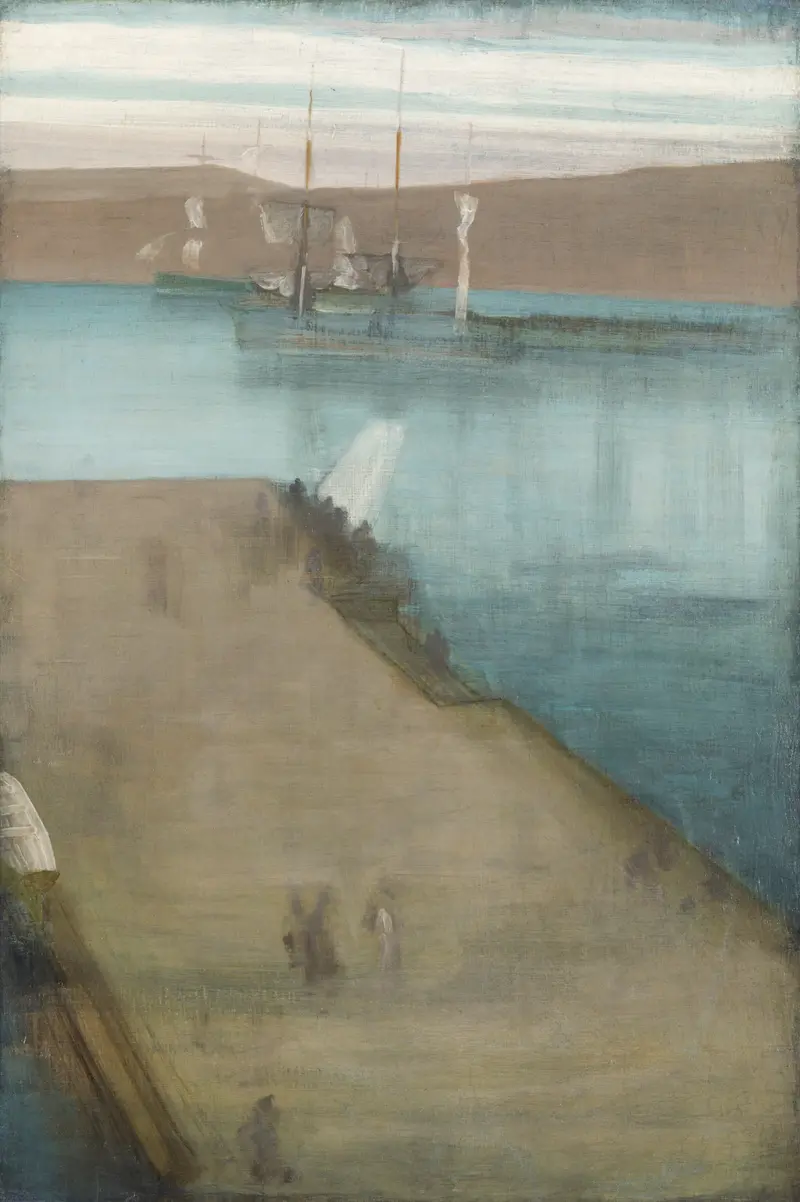
Valparaiso Harbor
James McNeill Whistler
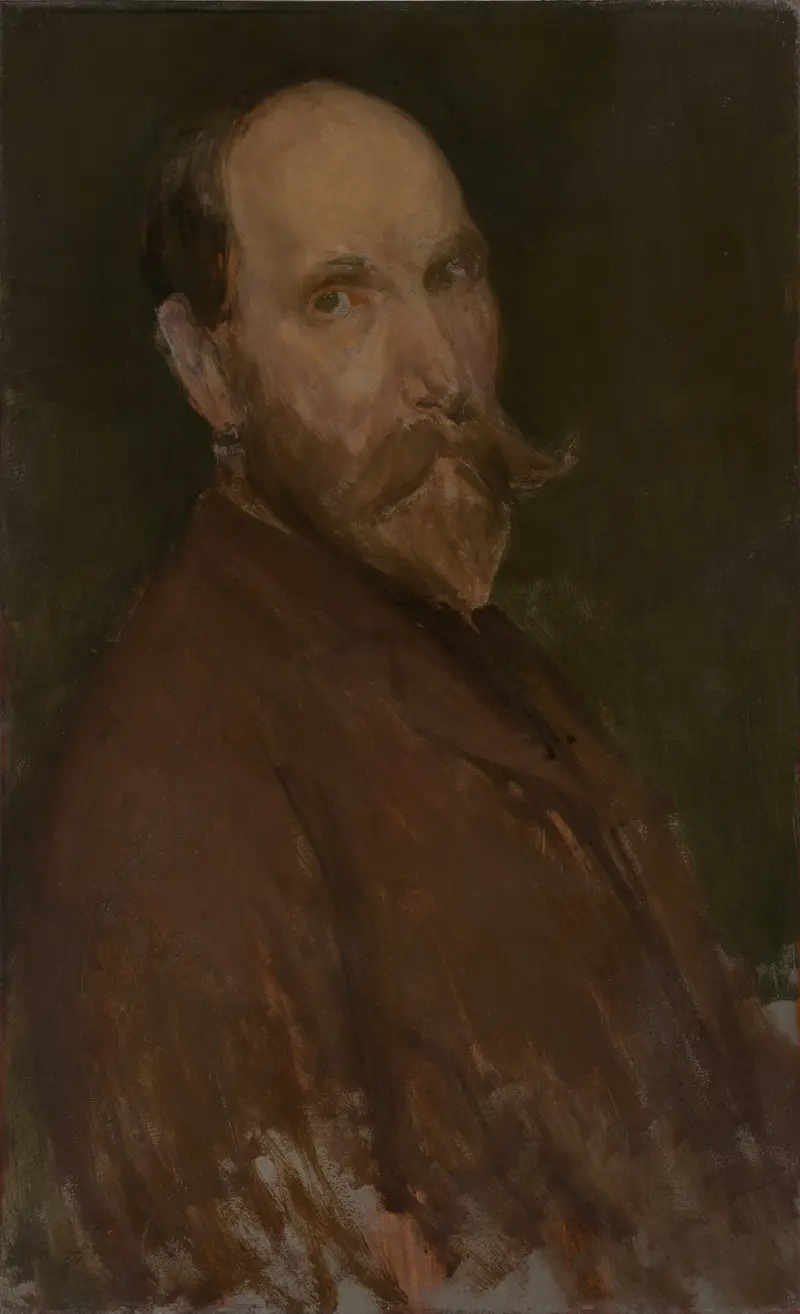
Charles Lang Freer
James McNeill Whistler





