
The Port of Volendam — History & Facts
A haze of ochre and rust settles over the harbor, where tall-masted boats crowd together, their sails catching the last warmth of the day. The eye is drawn first to the cluster of vessels, their shapes monumental yet softened by the loose, searching brushwork. At the lower right, two small figures—perhaps a fisherman and a child—stand at the water’s edge, dwarfed by the ships and the expanse of sky.
The rough timber of the dock, the tangle of ropes and hulls, and the muted palette all work together to evoke a world both industrious and intimate, where daily life is shaped by the rhythms of the sea. Painted in 1917, The Port of Volendam belongs to a tradition of harbor scenes that flourished in the Netherlands, where artists captured the working life of coastal villages with a keen eye for atmosphere and community. Such works were often collected by local patrons or civic institutions eager to celebrate regional identity during a period of rapid change. While little is recorded about the specific journey of this painting, its presence today in the Museum Boijmans Van Beuningen connects it to a broader story of Dutch painting in the early twentieth century—a time when artists like Adolf le Comte balanced nostalgia for the past with a modern, expressive touch.
Look again at the figures on the dock, and consider how their quiet presence anchors the scene, inviting us into a moment suspended between labor and reflection.
More Artworks by Adolf le Comte
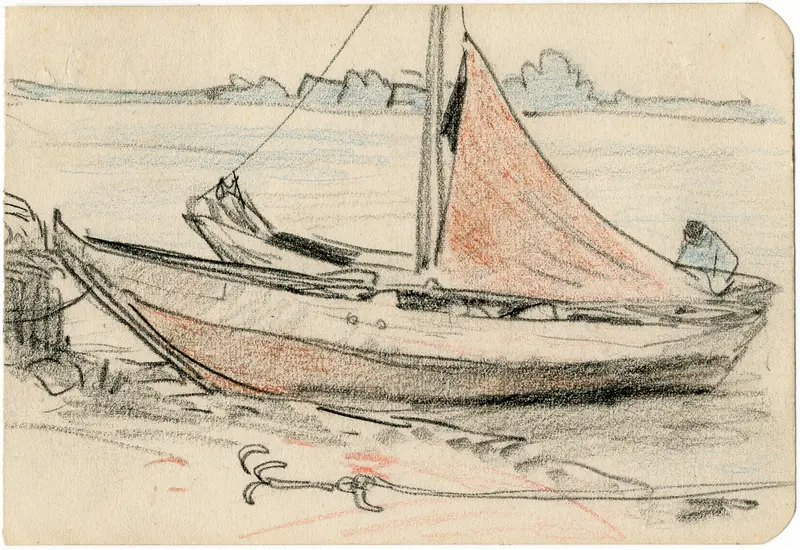
Op de oever getrokken schuit
Adolf le Comte

Winterlandschap met kerkje in het verschiet
Adolf le Comte
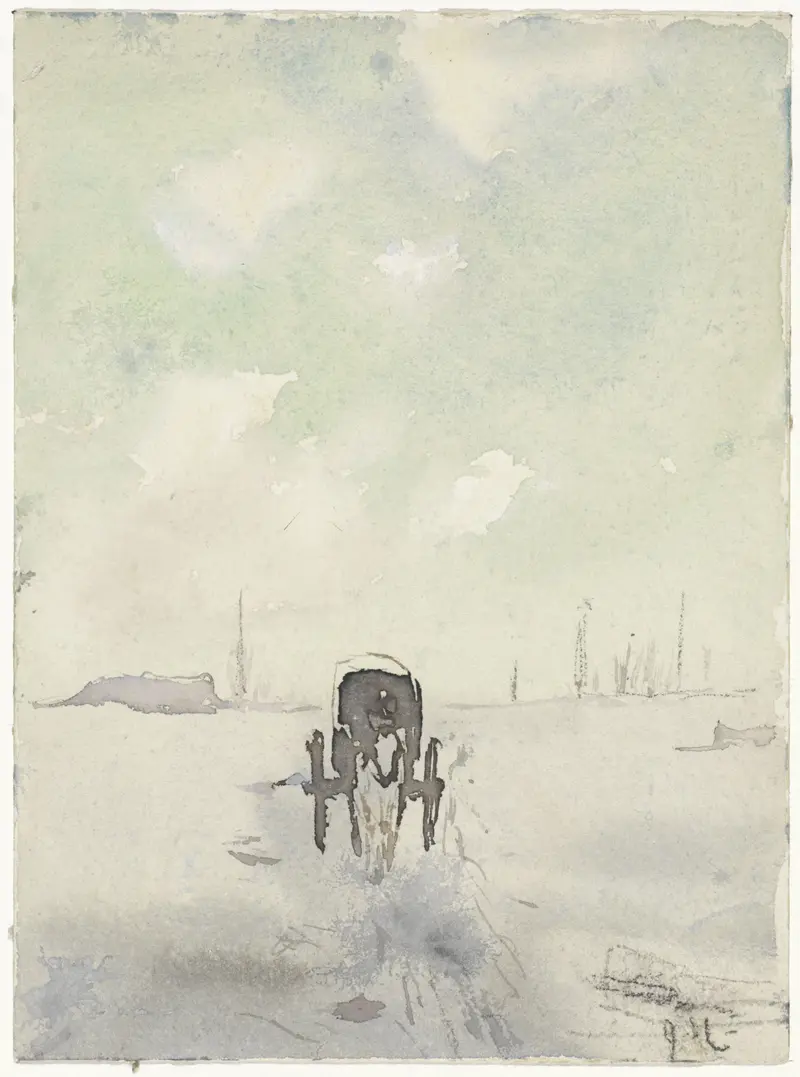
Winterlandschap met paard en wagen
Adolf le Comte

Het kruien van het ijs op de Maas te Rotterdam
Adolf le Comte
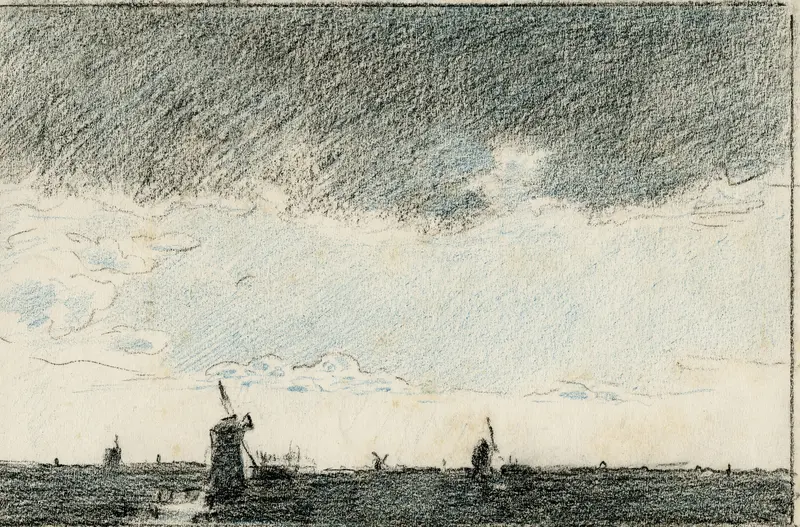
Molens in vlakte bij regen
Adolf le Comte
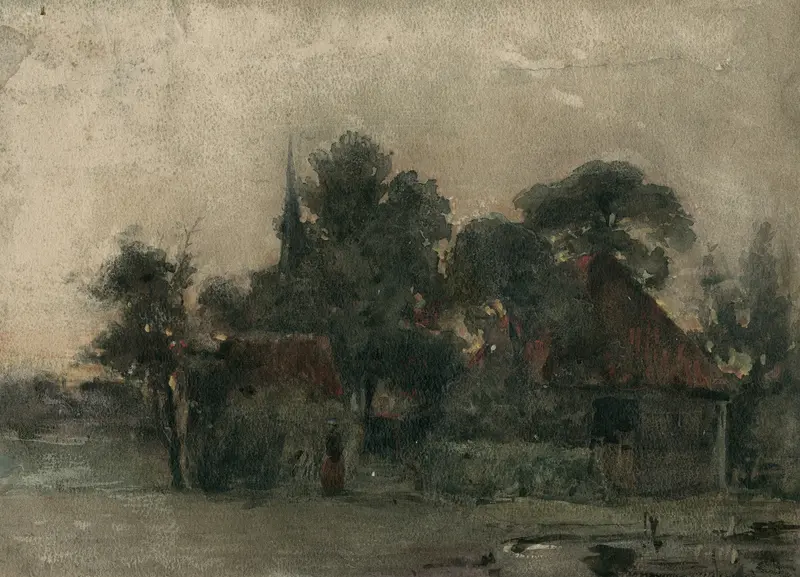
Dorpsgezicht bij avond
Adolf le Comte
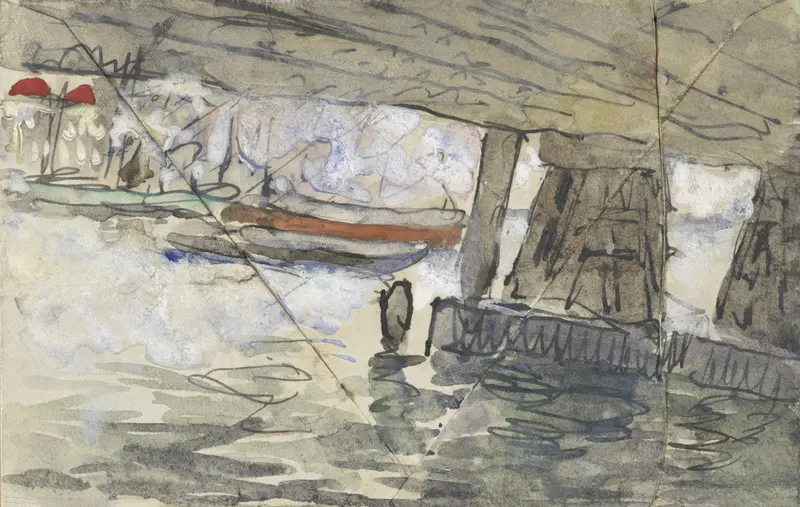
Gezicht onder een spoorviaduct te Amsterdam
Adolf le Comte
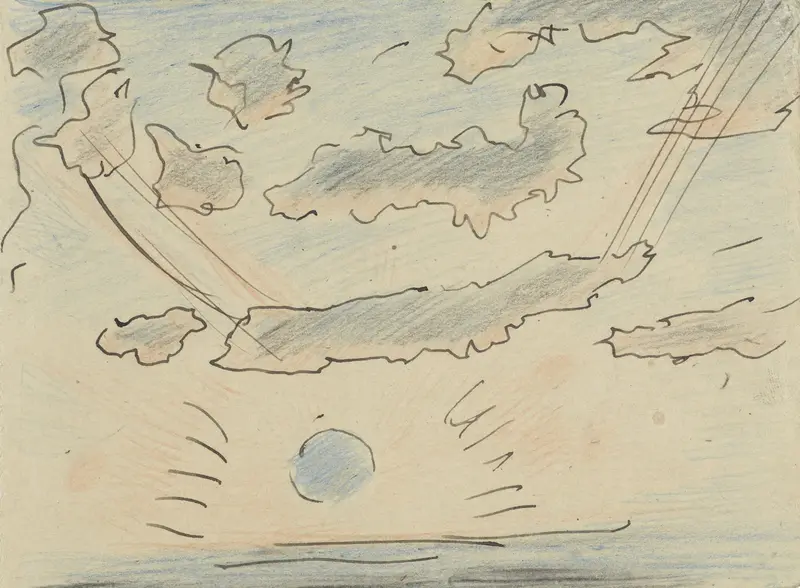
Wolkenstudie met zon
Adolf le Comte
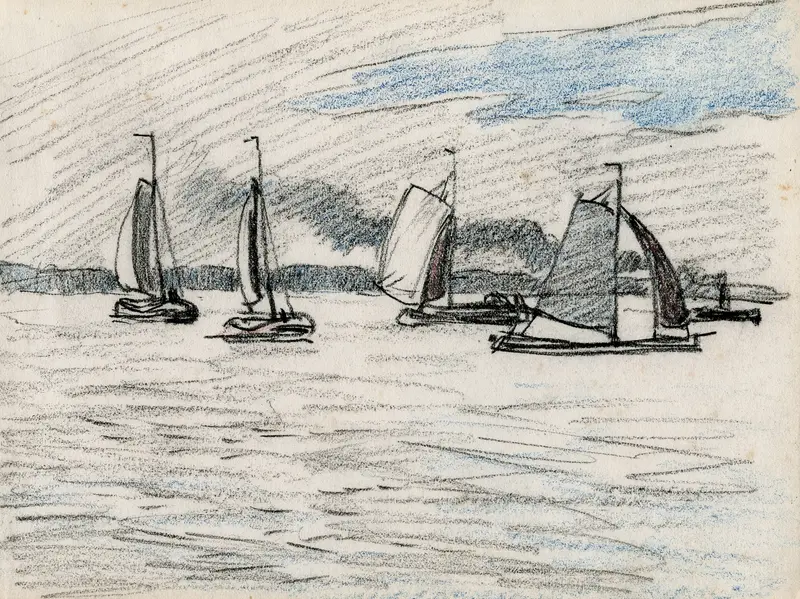
Zeilboten op watervlakte
Adolf le Comte





