
Portrait of a Man — History & Facts
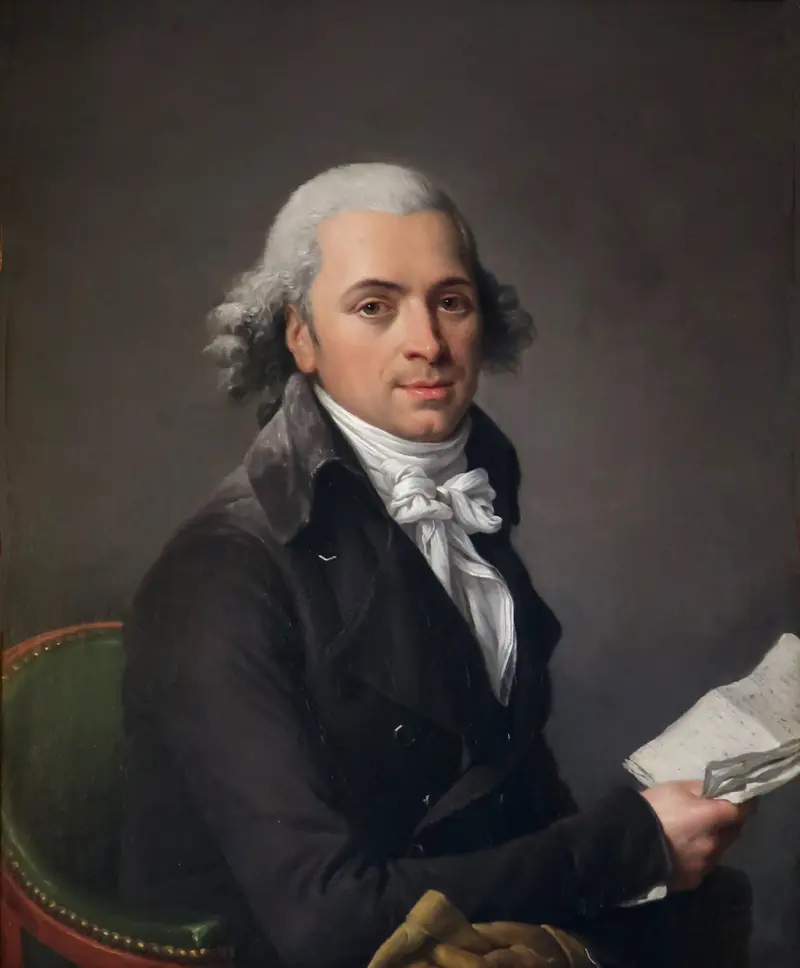
What first catches the eye in Portrait of a Man is the confident, almost conspiratorial glance of the sitter, his cheeks flushed with life. The crisp white cravat and boldly striped waistcoat draw the viewer’s gaze upward, framing a face that seems caught between amusement and calculation. There is a deliberate richness to the chocolate-brown coat, its sheen rendered with such care that you almost feel the weight of the fabric.
Light falls from the left, sculpting the man’s features and lending a sense of immediacy, as if he has just turned to address us. The background, a simple, muted field, ensures that nothing distracts from the play of character across his face. Works like this, painted by Adélaïde Labille-Guiard, belong to a world in flux—late eighteenth-century France, when portraiture was both a declaration of status and a testament to individuality. Artists of this era, especially women like Labille-Guiard, navigated shifting social currents and the strictures of the Académie, painting patrons who wanted to be remembered not just for their rank, but for their presence.
Though little is recorded about this particular sitter or the circumstances of the portrait, its place today in the Dallas Museum of Art is a reminder of how such images were both personal and political. The viewer is left to wonder: who was this man, and what story lies behind that knowing gaze?
More Artworks by Adélaïde Labille-Guiard
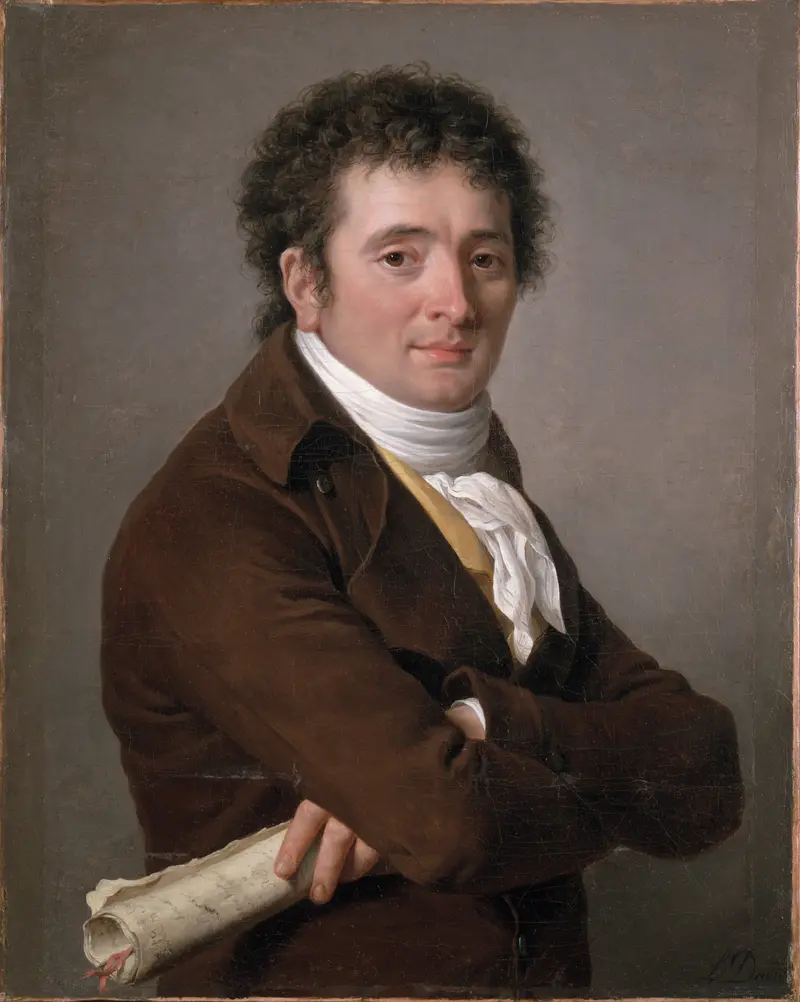
Tournelle, called Dublin (1761-1820)
Adélaïde Labille-Guiard
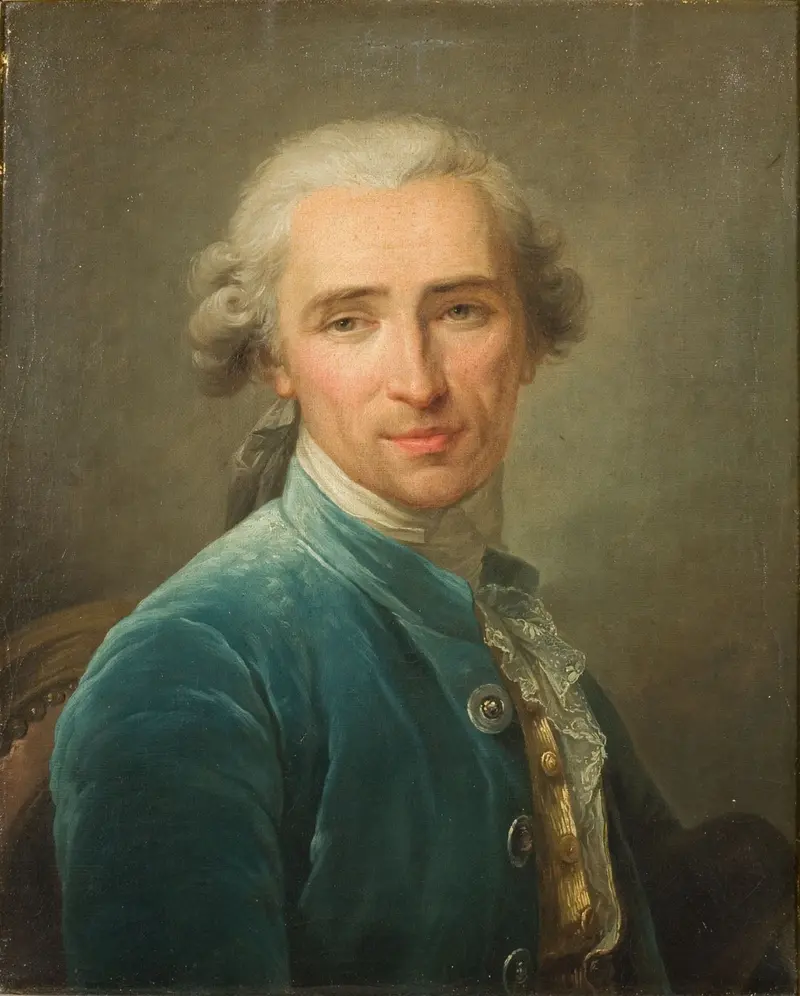
Portrait de Joseph Benoît Suvée
Adélaïde Labille-Guiard
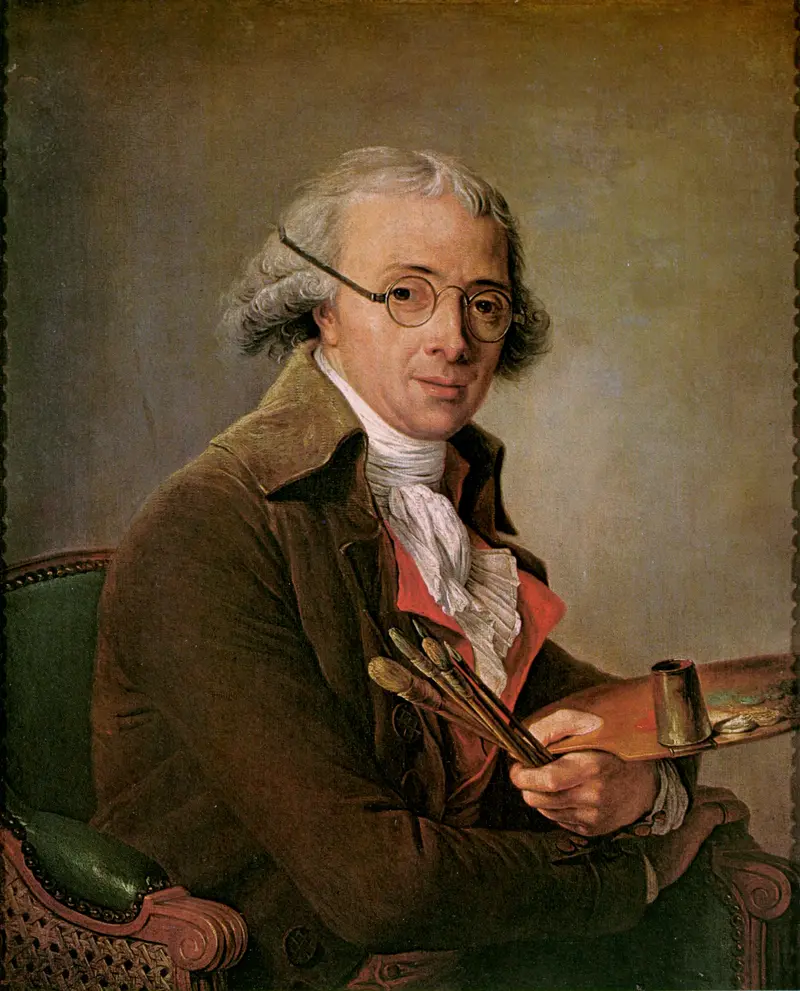
The Painter François-André Vincent
Adélaïde Labille-Guiard
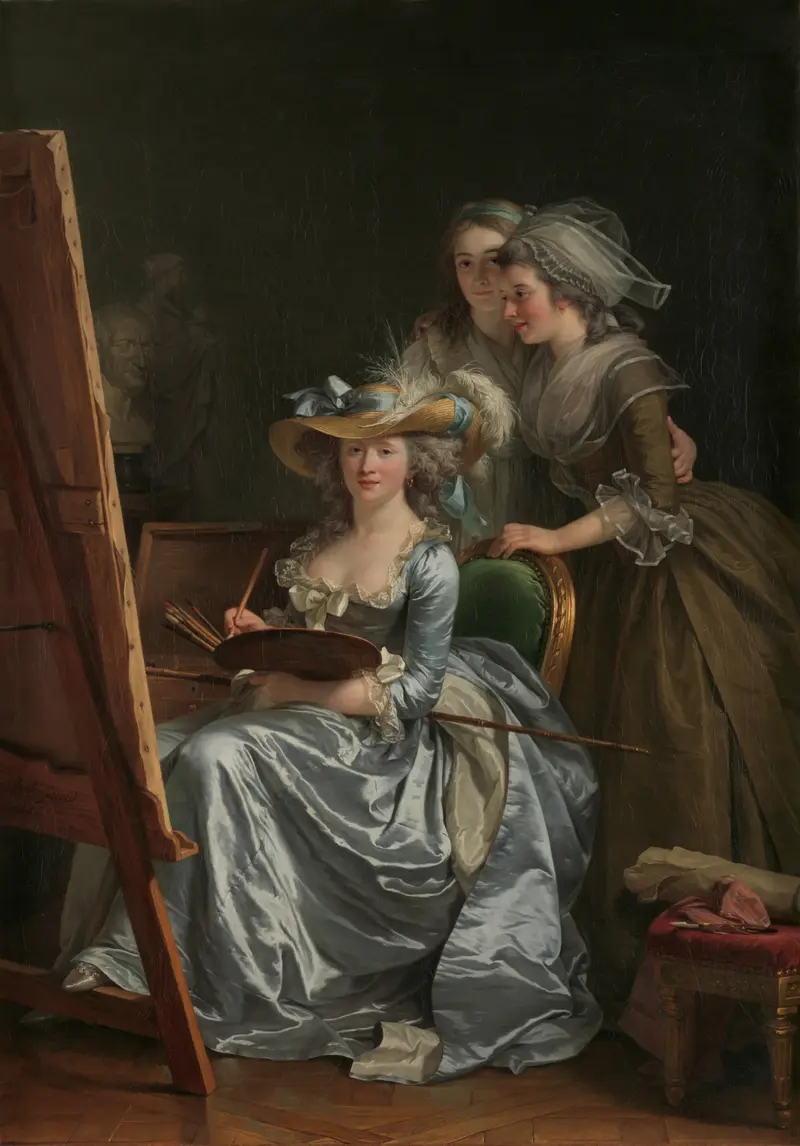
Self-Portrait with Two Pupils
Adélaïde Labille-Guiard
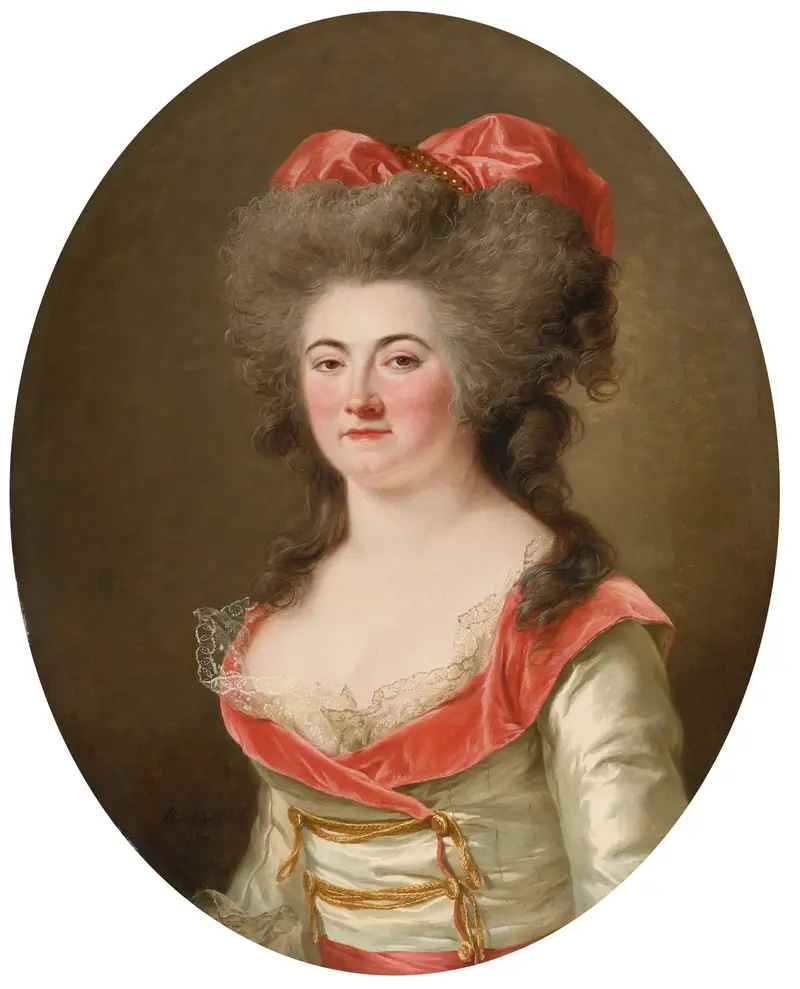
Portrait of a Lady
Adélaïde Labille-Guiard
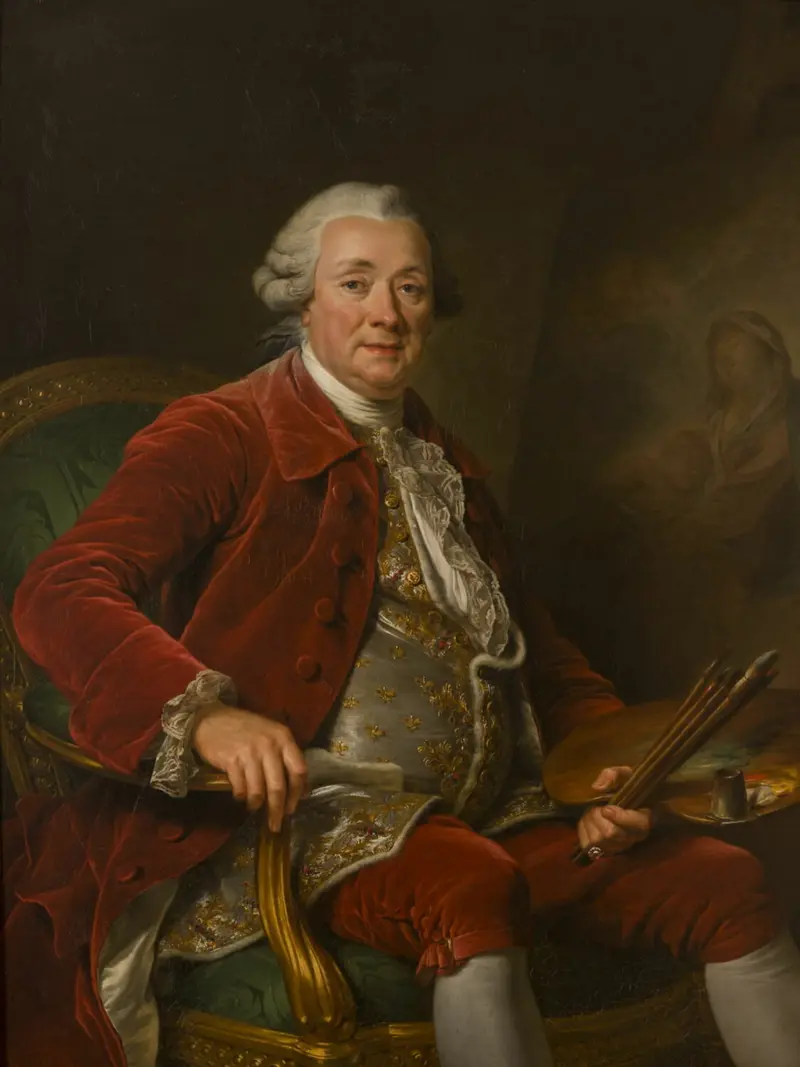
Portrait of Charles-Amédée-Philippe Van Loo
Adélaïde Labille-Guiard

Portrait of Elisabeth of France, Duchess of Parma (1727-1759)
Adélaïde Labille-Guiard
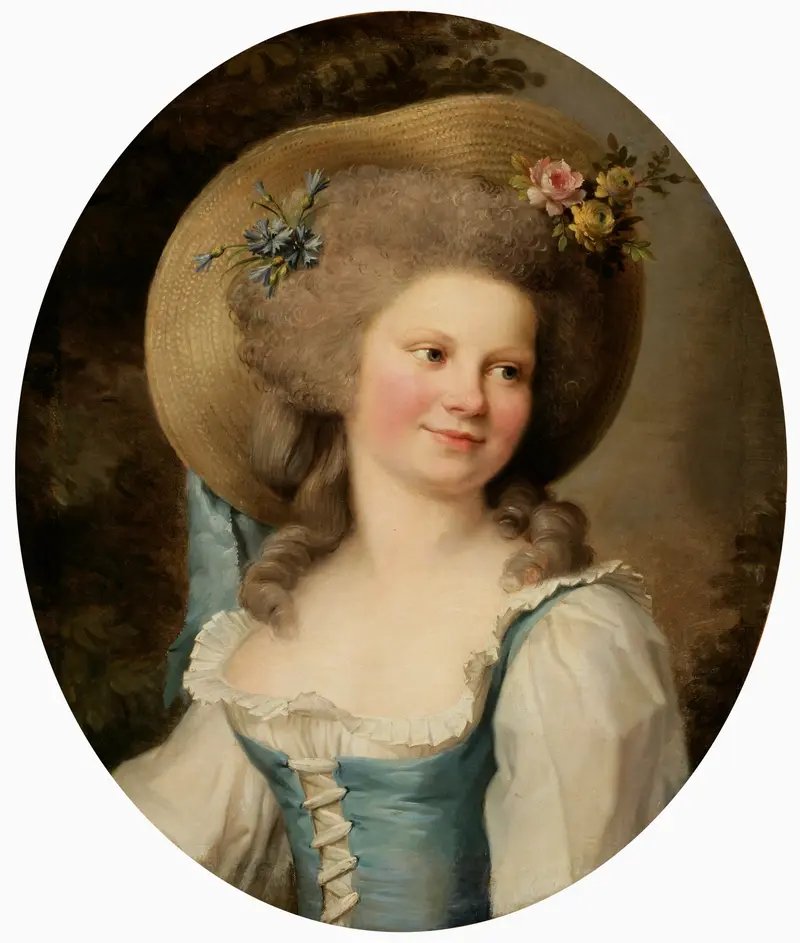
Mme Dugazon in the role of Babet
Adélaïde Labille-Guiard
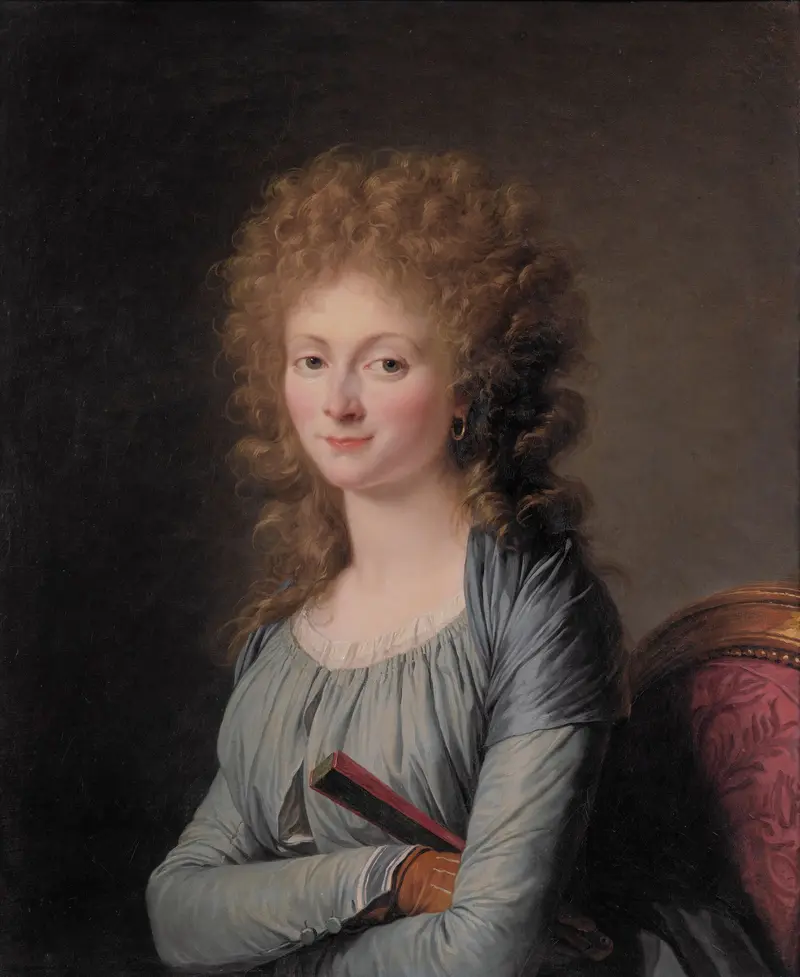
Portrait of Duchesse d'Aiguillon
Adélaïde Labille-Guiard
Monsieur Meunier
Adélaïde Labille-Guiard





