
Monsieur Sarasin — History & Facts
What first arrests the viewer in Monsieur Sarasin is the confident, almost challenging gaze that meets our own—a look that seems to weigh the observer as much as it is being weighed. The sitter is draped in a vivid scarlet cloak, its folds and sheen rendered with a flourish that draws the eye outward from the face, then back again to the steady features framed by powdered hair. The light falls cleanly on his brow and cheek, heightening the sense of presence and immediacy, while the muted background pushes all attention to the figure’s self-assured bearing.
Each button and crease in his coat is painted with care, a signal of both status and the painter’s technical ambition. This portrait, created by Jean-Marc Nattier in 1734, belongs to a world where the painted likeness was a powerful tool of social identity and aspiration. In early eighteenth-century France, portraits such as this were commissioned by those eager to assert their place within the shifting hierarchies of court and city alike. Nattier was celebrated for his ability to combine the grandeur of official portraiture with a touch of intimacy, and though little is recorded about the specific circumstances of this work, it now resides in the Paris Musées collection—a testament to the enduring allure of its era.
The sitter’s composed expression and sumptuous attire invite us to imagine the ambitions and anxieties of a society poised between tradition and the first stirrings of Enlightenment change; the painting’s quiet drama still rewards a close, attentive gaze.
More Artworks by Jean-Marc Nattier

Madame Crozat de Thiers and Her Daughter
Jean-Marc Nattier
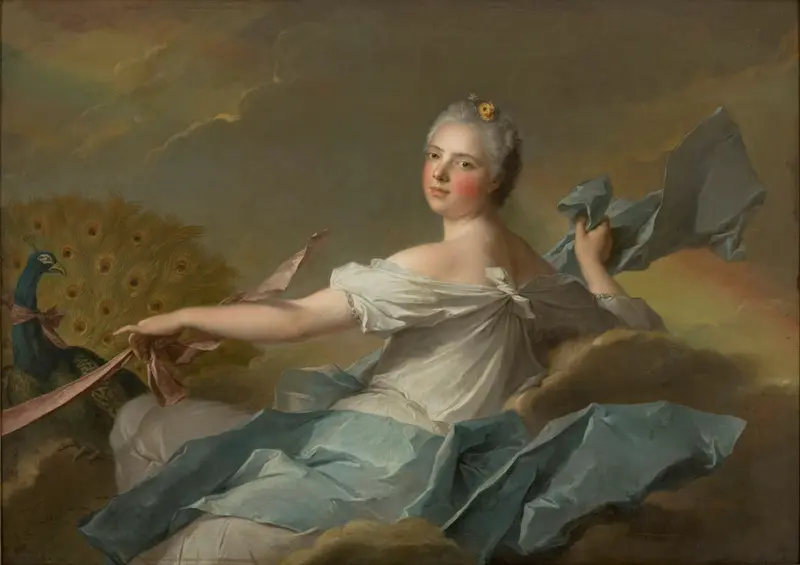
Princess Marie Adélaïde of France - The Air
Jean-Marc Nattier
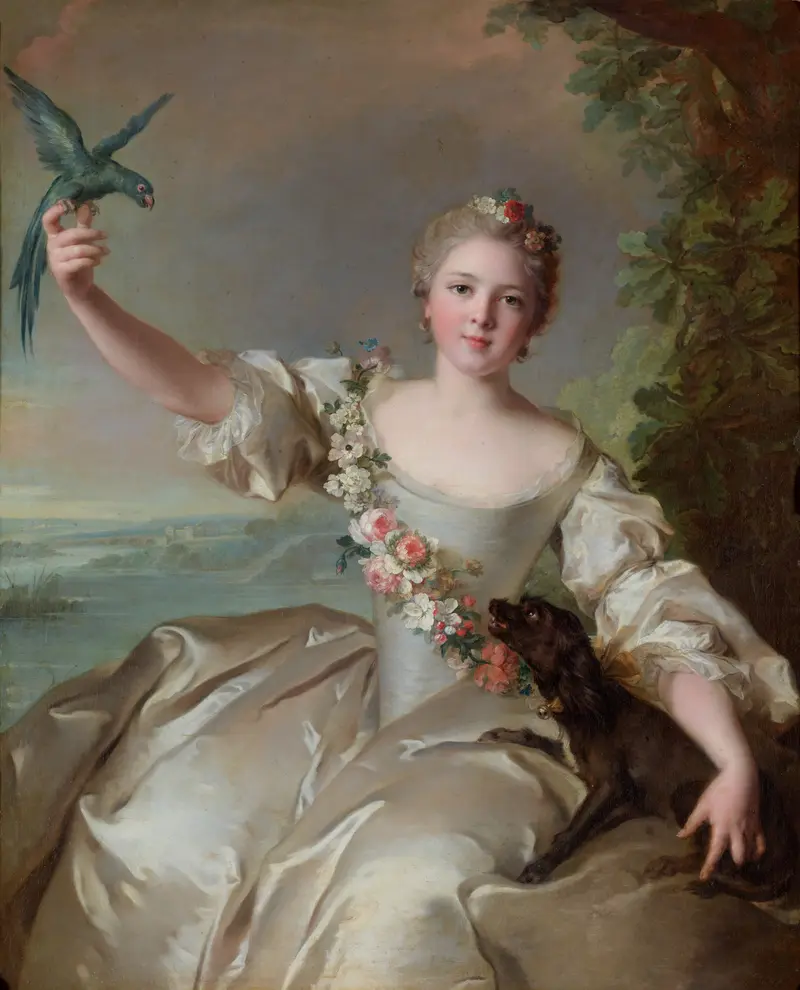
Portrait de Mathilde de Canisy, marquise d'Antin
Jean-Marc Nattier
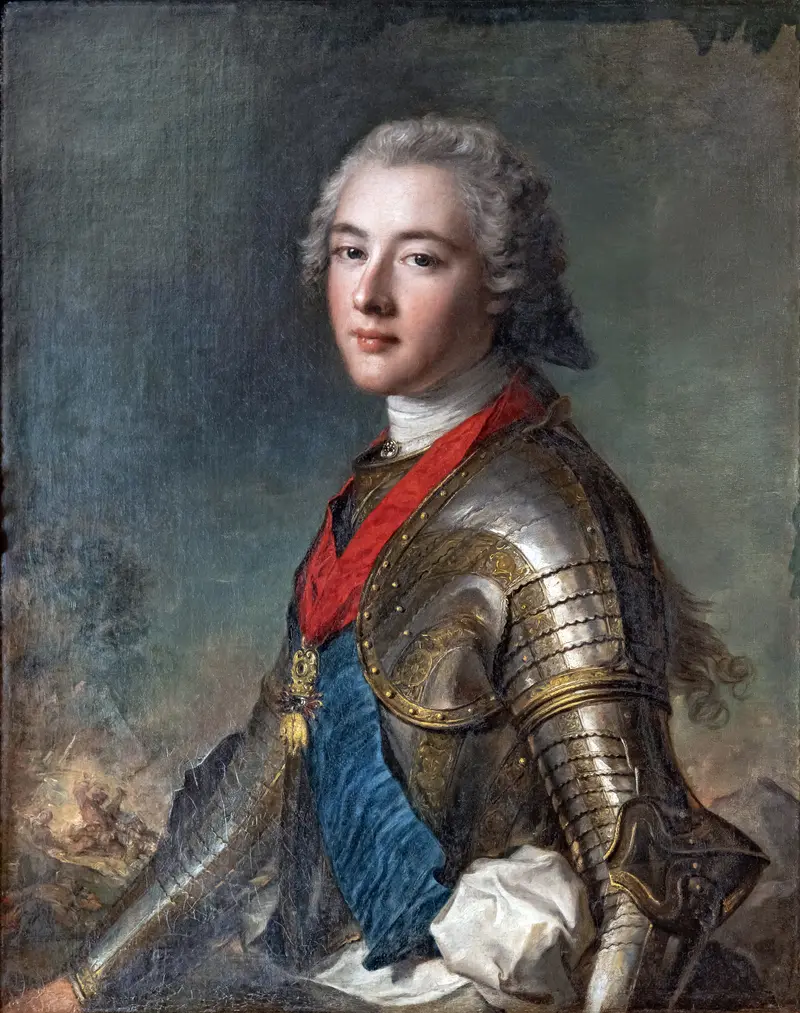
Bemberg Fondation Toulouse - Portrait de Louis Jean Marie de Bourbon, Duc de Penthièvre - Jean Marc Nattier inv.1158 82x65.4
Jean-Marc Nattier
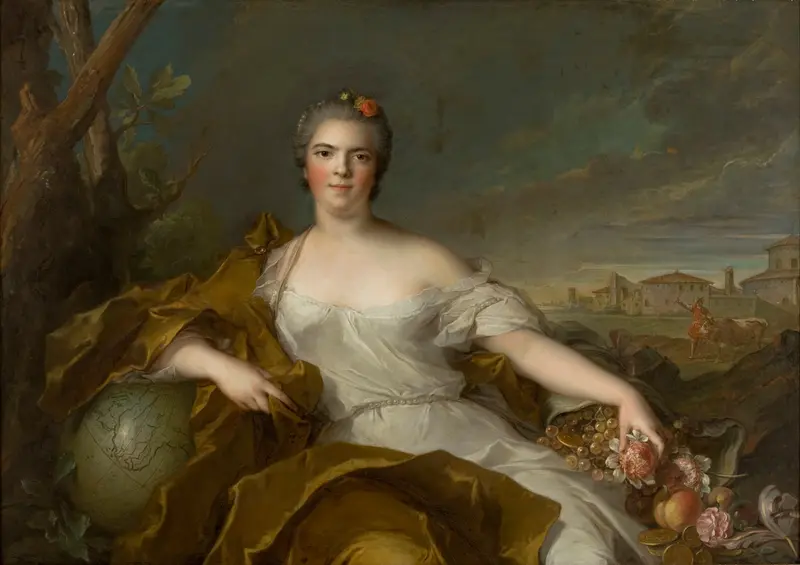
Princess Louise-Élisabeth of France - The Earth
Jean-Marc Nattier
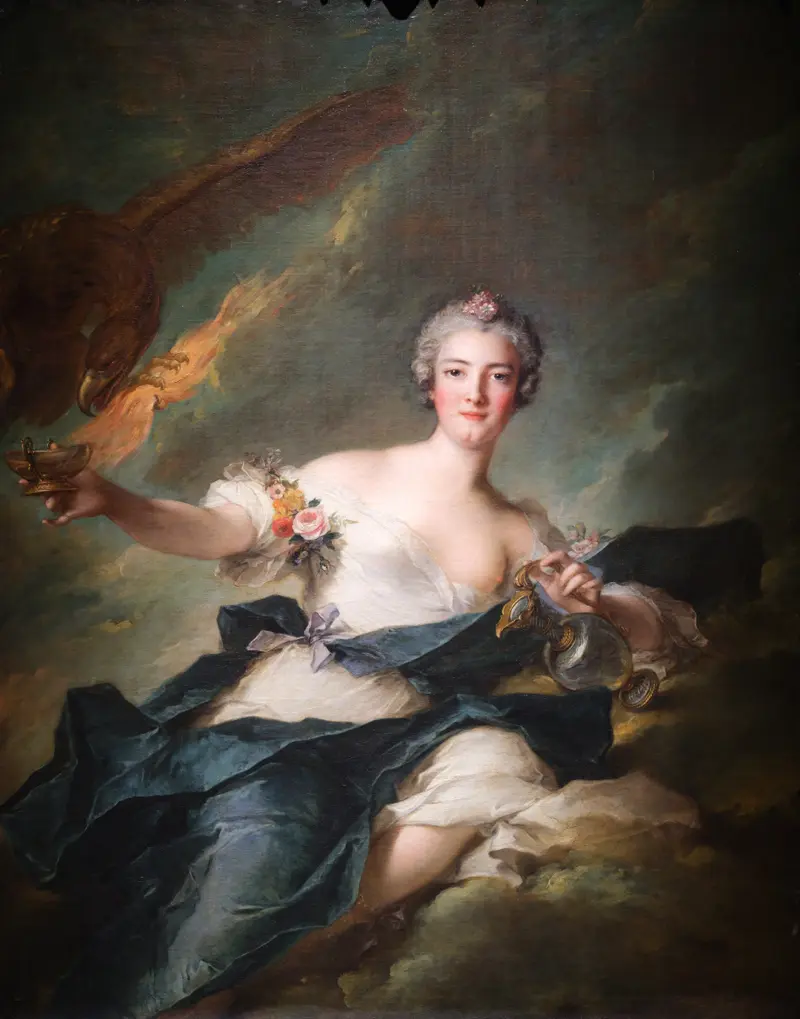
The Duchess of Chaulnes Represented as Hebe
Jean-Marc Nattier
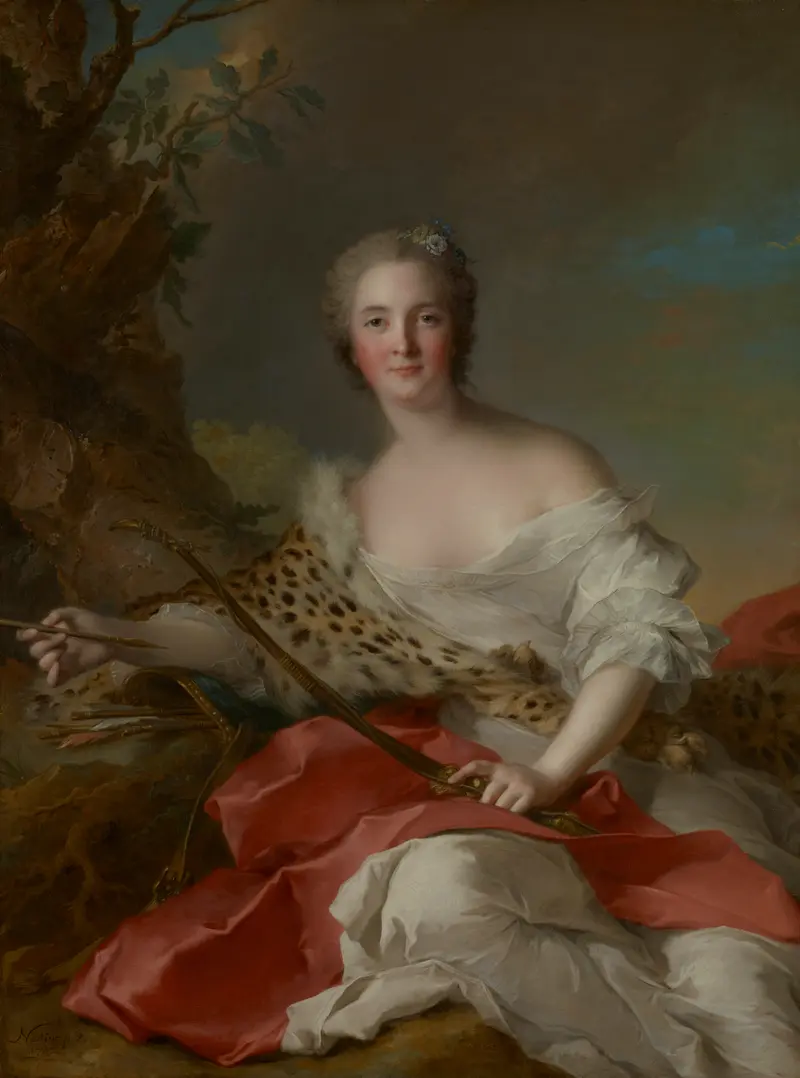
Portrait of Madame Bonnier de la Mosson as Diana (Constance-Gabrielle-Magdeleine du Monciel de Lauraille
Jean-Marc Nattier
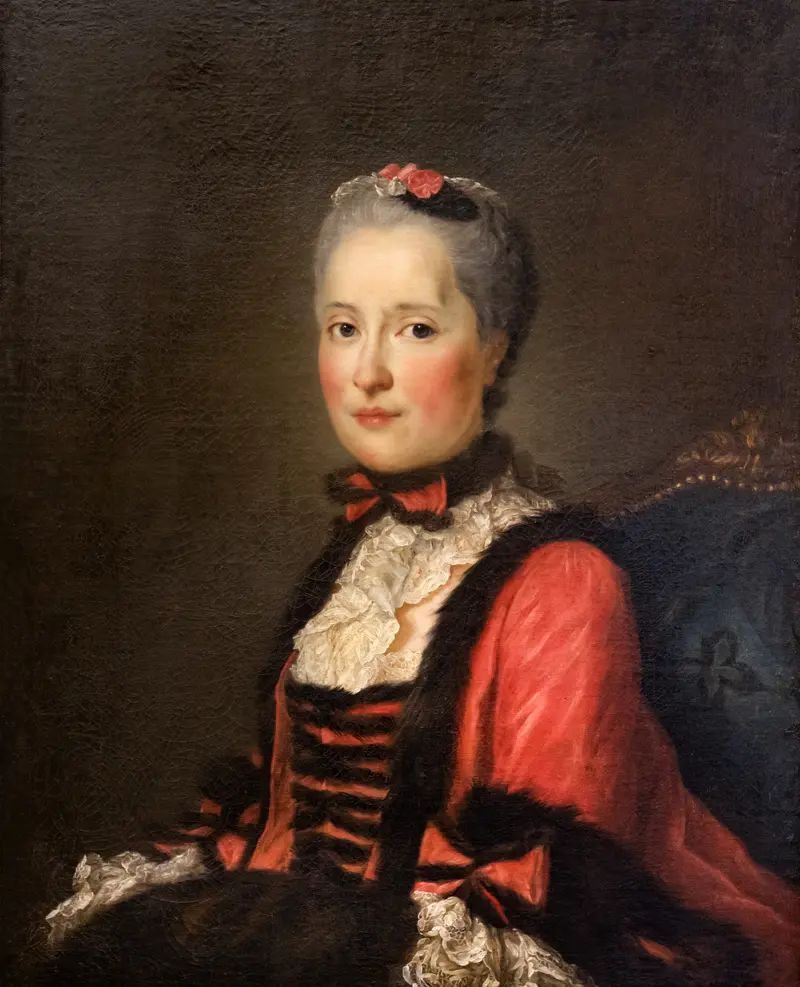
Portrait of Marie-Josephe of Saxony, Dauphine of France
Jean-Marc Nattier
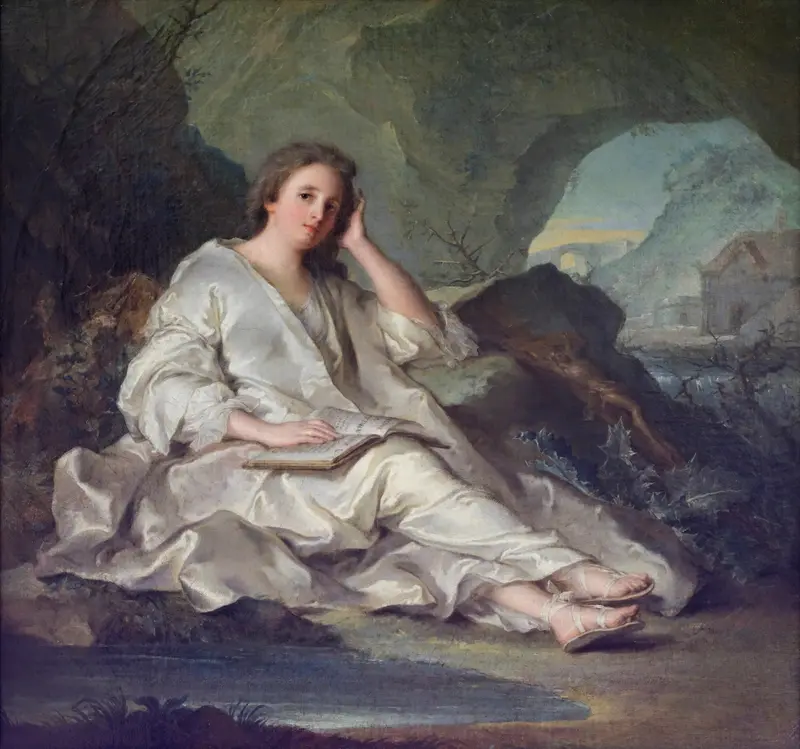
La Madeleine, ou Une Pénitente dans le désert Musée du Louvre Peintures INV 6880 ; MR
Jean-Marc Nattier
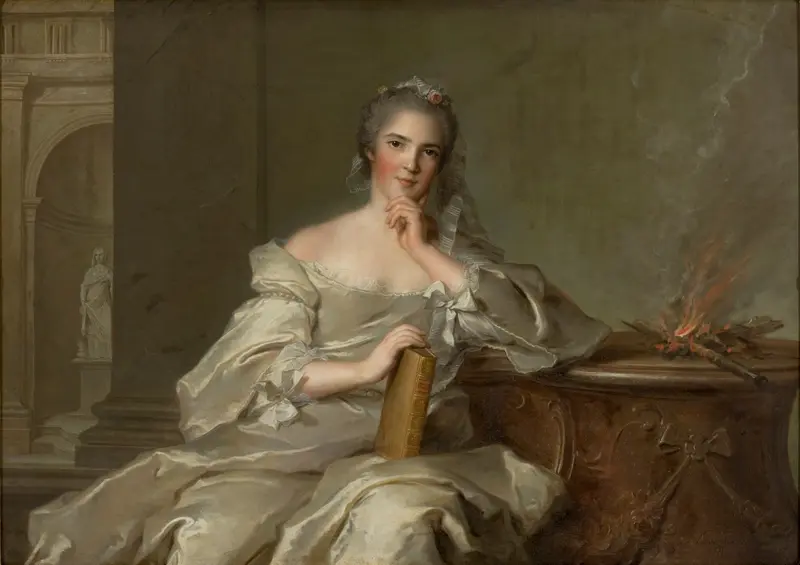
Princess Anne-Henriette of France - The Fire
Jean-Marc Nattier





