
Montagne Ste. Genevieve — History & Facts
What if beauty was never meant to be finished? In the ethereal dance between the earth and sky, one can glimpse eternity in motion, captured by the fleeting strokes of time. Look closely at the horizon in Montagne Ste. Genevieve. The gentle undulations of the landscape draw your gaze, leading you toward the interplay of light and shadow.
Notice the soft, muted palette that evokes a sense of tranquility, with delicate brushwork suggesting the rustling of leaves and the whisper of the wind. The layers of texture invite exploration, creating a visual rhythm that mirrors the movement of nature itself. Amidst the serene beauty lies a deeper tension. The division between the foreground and the distant mountains signifies the passage of time—a reminder that while nature is constant, human experience is transient.
Each brushstroke appears to pulsate with life, revealing the artist's contemplation of change. The delicate balance between form and abstraction prompts reflection on how our perceptions of beauty continuously evolve, mirroring the cycles of life. Created in 1890, Montagne Ste. Genevieve reflects Auguste Louis Lepère's immersion in the lush landscapes of France during a period when artists were increasingly captivated by the natural world.
In a time of growing industrialization, he sought solace in the organic beauty of his surroundings, channeling his vision through the Impressionist lens that defined his work. This piece not only encapsulates his artistic journey but also a broader cultural dialogue about the relationship between humanity and nature.
More Artworks by Auguste Louis Lepère
Browse all →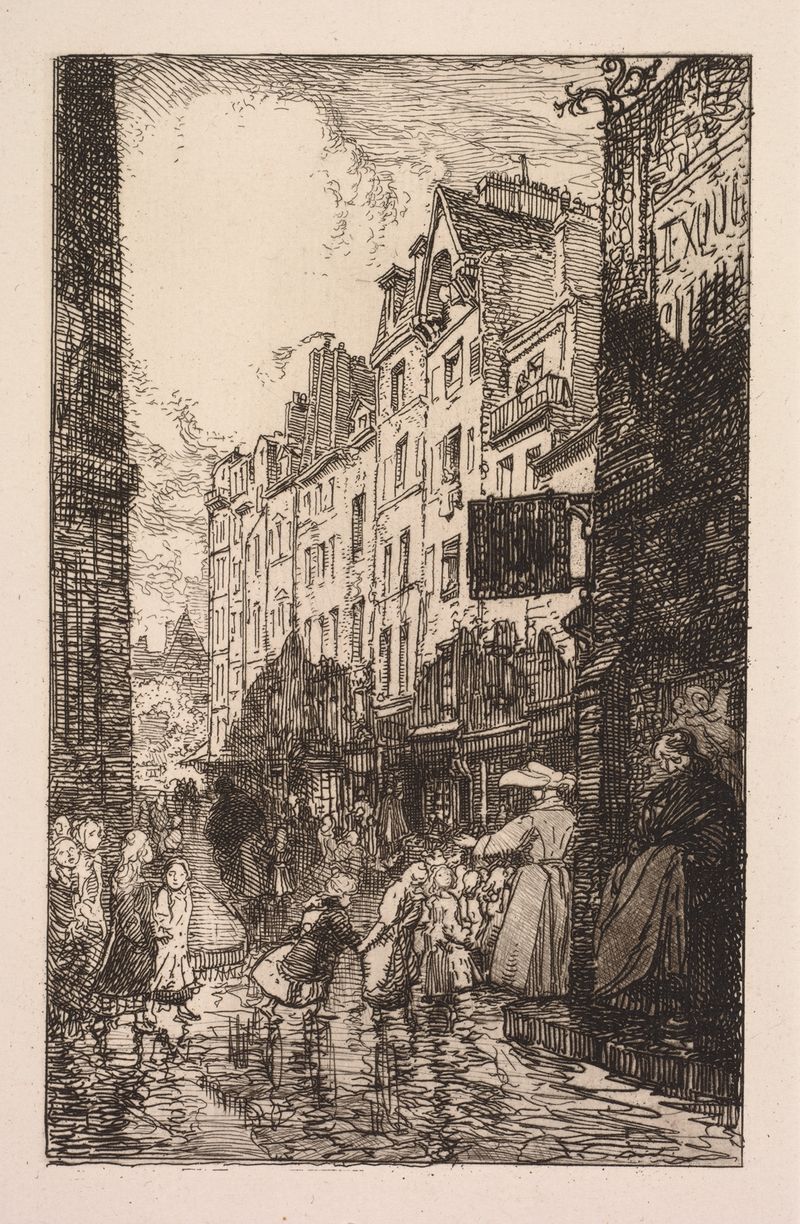
La Rue des Prêtres Saint-Séverin
Auguste Louis Lepère
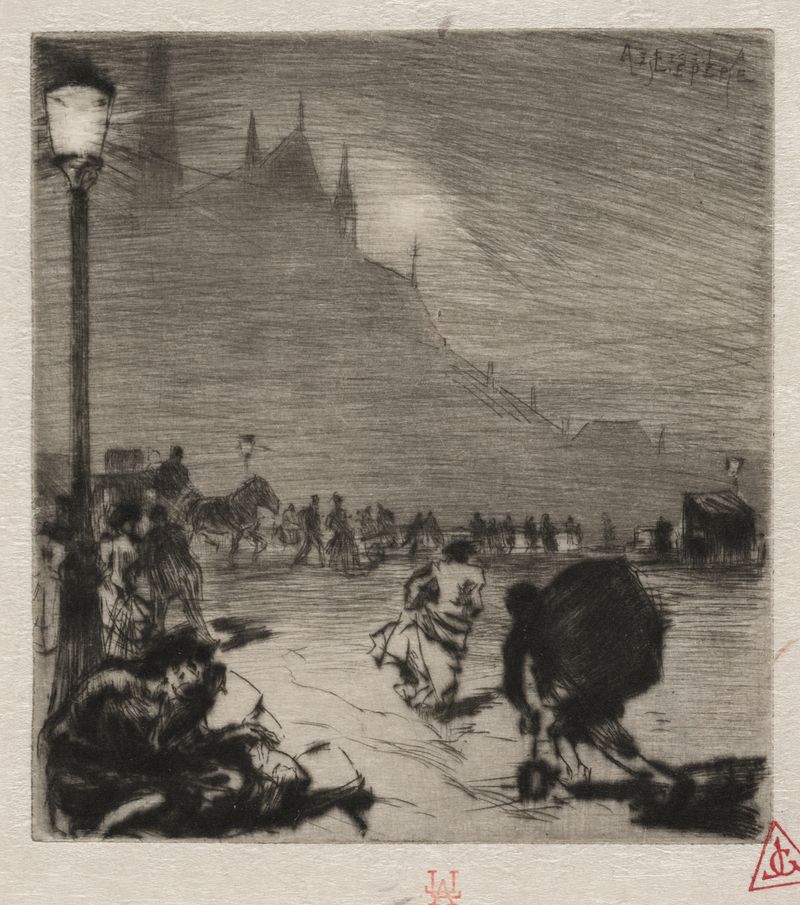
Au Coin du Pont-aux-Doubles
Auguste Louis Lepère
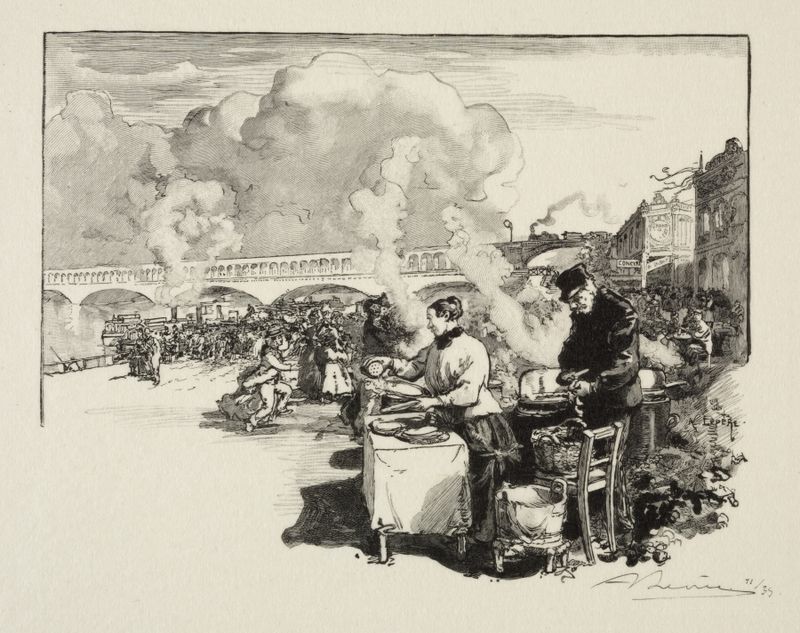
Debarcadère des bateaux-omnibus
Auguste Louis Lepère

La Seine, au quai de la Rapée
Auguste Louis Lepère
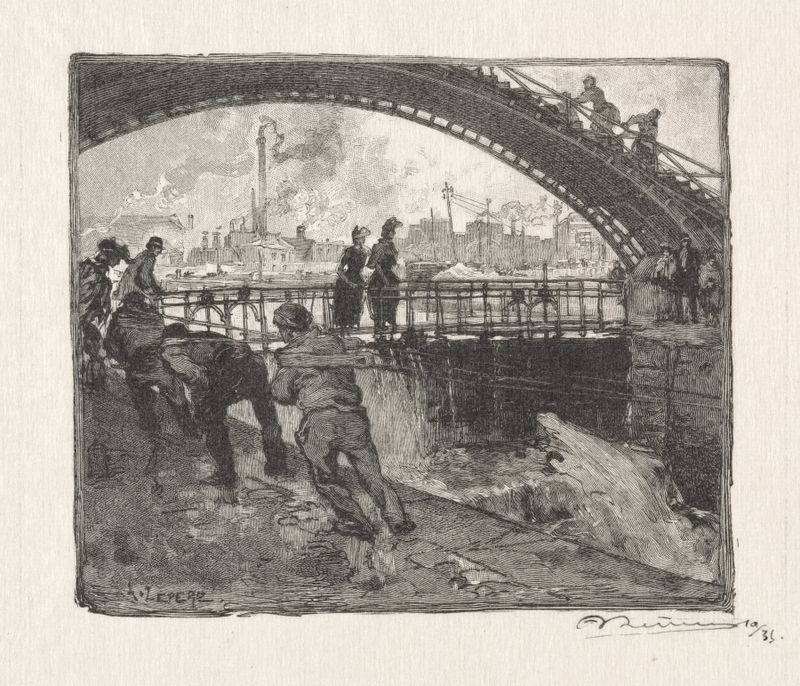
L’Ecluse du Canal St. Martin
Auguste Louis Lepère

Le Boulevard Montmartre, le Soir
Auguste Louis Lepère

Une Chasse au Mont Gérard
Auguste Louis Lepère
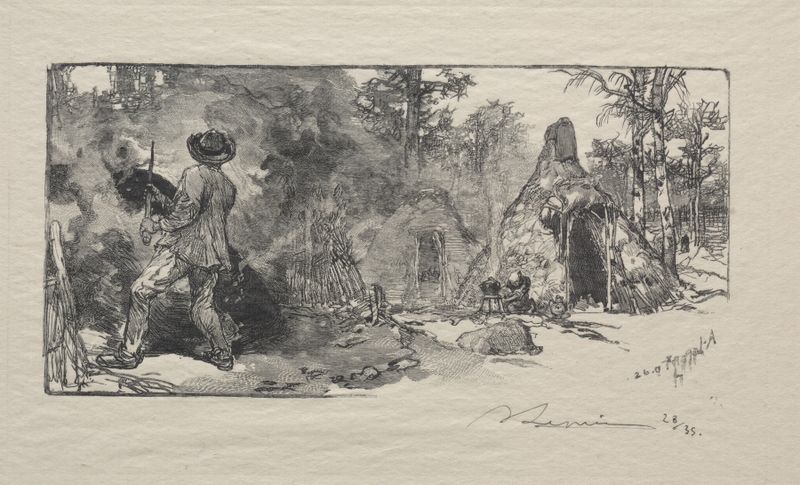
Les Charbonniere
Auguste Louis Lepère
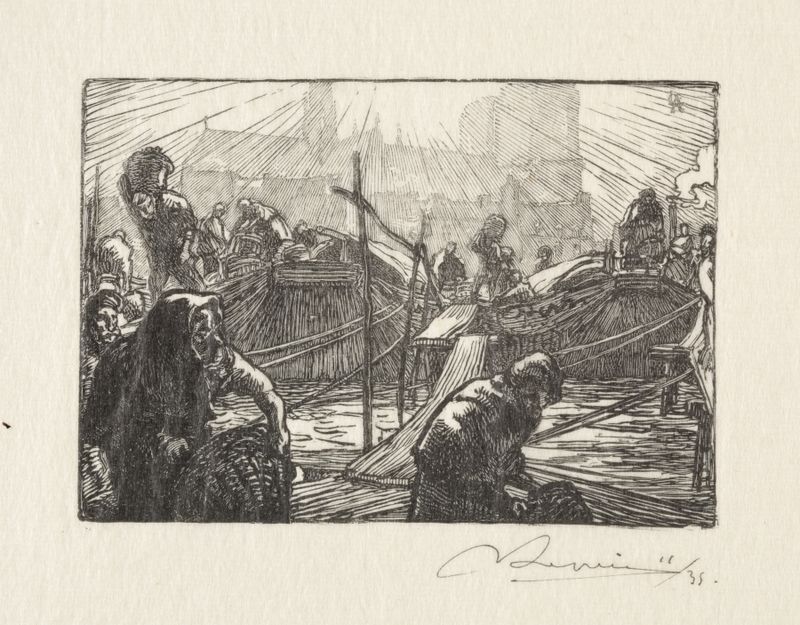
Notre Dame vue du Marché aux pommes
Auguste Louis Lepère

Le Palais des Arts Liberaux, Intèrieur
Auguste Louis Lepère





