
Monte Baldo — History & Facts
Can beauty exist without sorrow? In Henry Brokman's Monte Baldo, the question lingers, echoing through the vibrant landscape and the whispering winds that brush against the mountain's slopes. Look to the foreground, where lush greenery bursts forth in a riot of color, inviting the viewer’s gaze. The gentle undulations of the hills lead naturally to the majestic peaks of Monte Baldo, which rise resolutely against a cerulean sky. Notice how the artist has employed a delicate play of light, highlighting the intricate textures of the foliage while casting soft shadows that dance across the landscape, imparting a sense of transient beauty. Brokman masterfully contrasts the vibrancy of life with the looming presence of the mountain, a silent witness to the passage of time and the inevitability of mortality.
The layers of paint reveal not only the physical landscape but also the emotional resonance of solitude — a reminder that even the most picturesque scenes carry with them the weight of existence. The tranquility of this idyllic setting subtly hints at the deeper currents of loss and nostalgia, infusing the painting with a poignant depth. In 1926, while living in Italy, Brokman painted Monte Baldo as he sought to capture the essence of the landscape that surrounded him. At this time, he was grappling with personal challenges and the shifting tides of the art world, which was evolving rapidly in the wake of modernism.
This work reflects not just his artistic vision but also a moment in life where beauty and melancholy coalesce, inviting viewers to reflect on their own encounters with nature and time.
More Artworks by Henry Brokman
Browse all →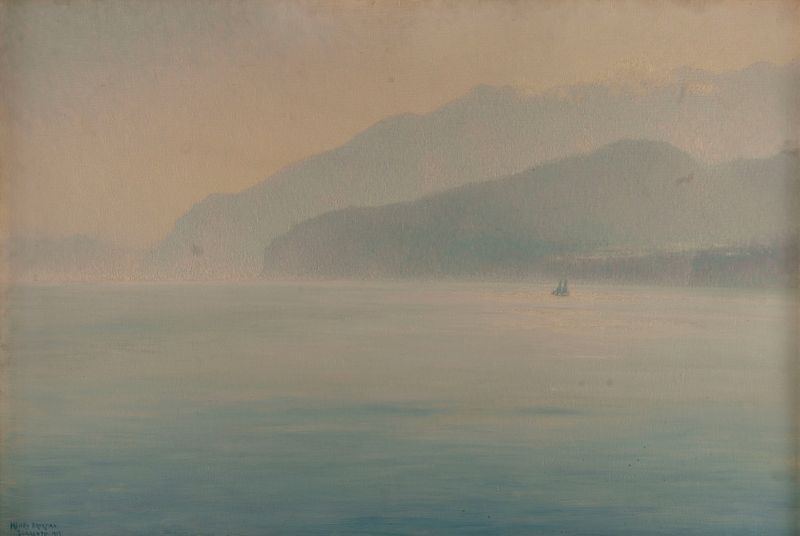
Côte De Sorrente, Bleu Et Argent
Henry Brokman
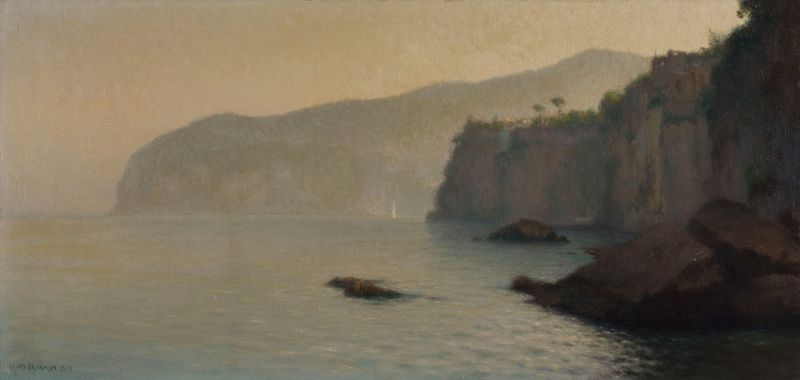
Petite côte de Sorrente (grise)
Henry Brokman
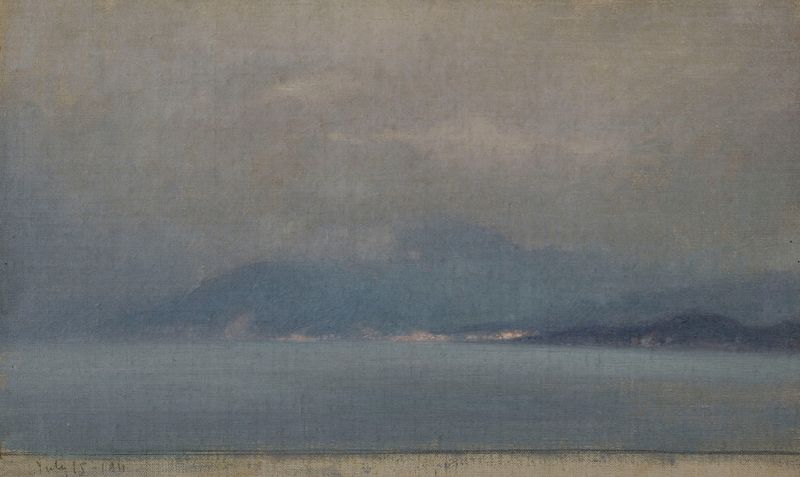
Etude de paysage
Henry Brokman
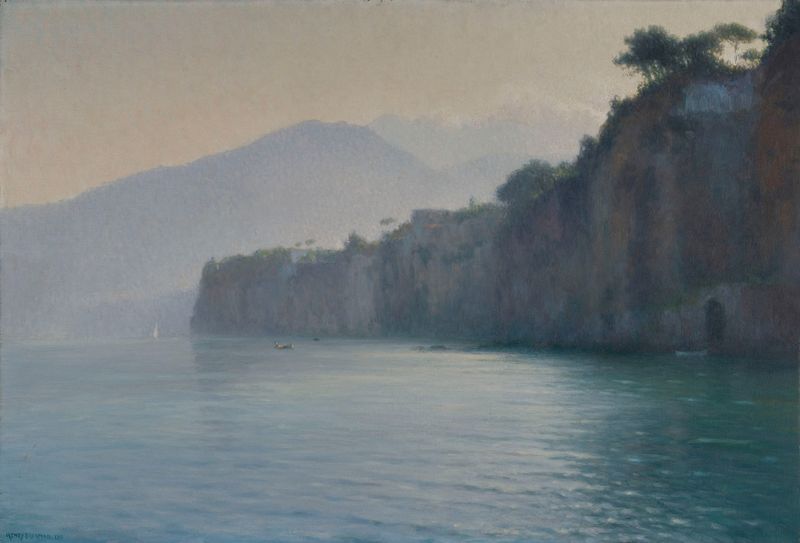
Sorrente, côte argentée
Henry Brokman
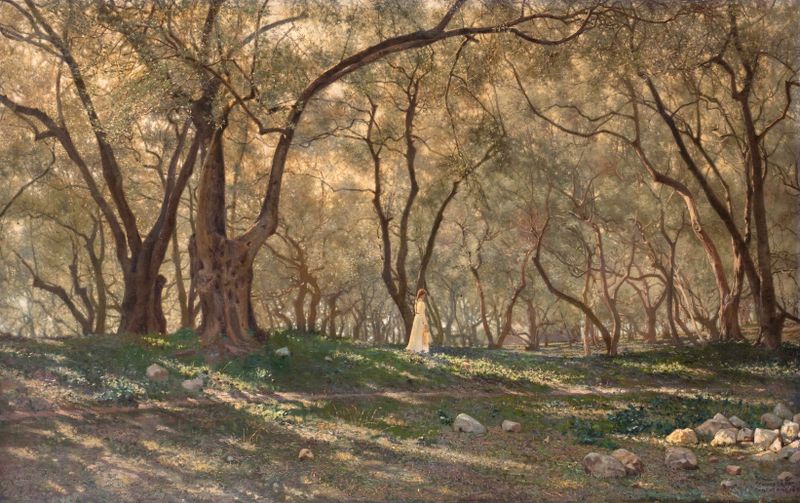
Jeune Fille Sous Les Oliviers – Menton
Henry Brokman
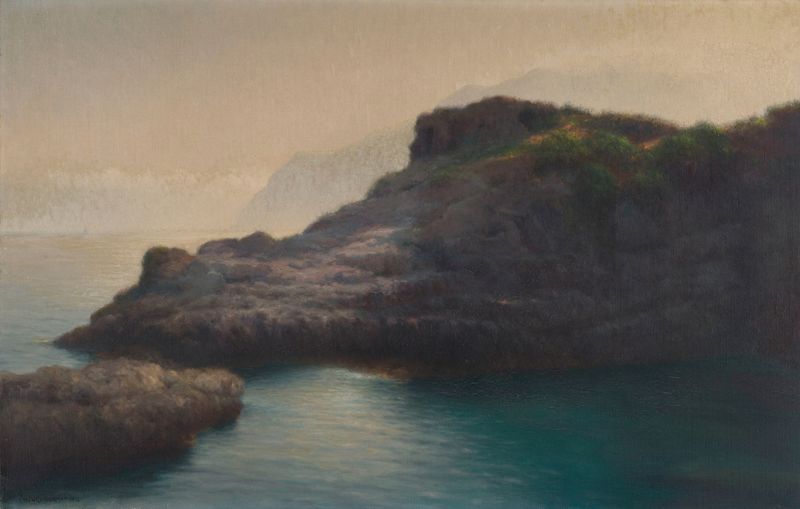
Cap de Sorrente
Henry Brokman
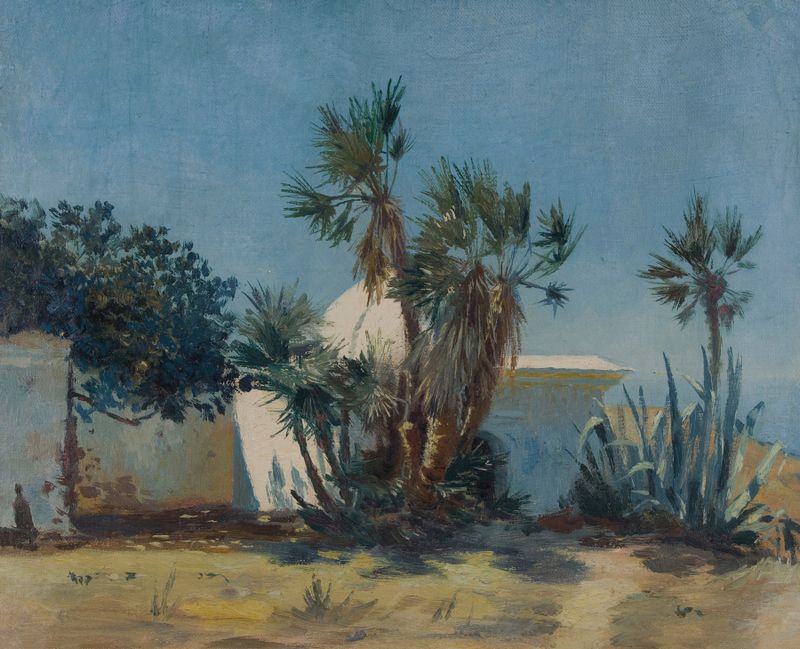
L’Oasis
Henry Brokman
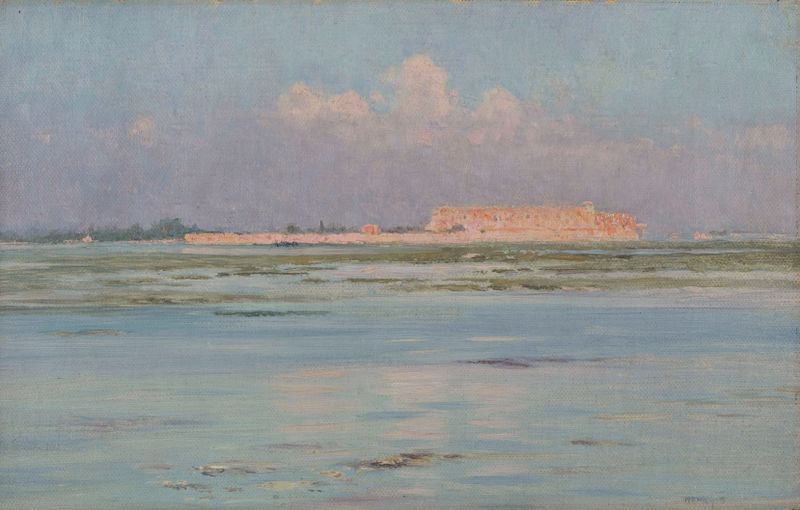
Le Temple De Louxor, Egypte
Henry Brokman
Terrasse De L’hôtel Cocumella
Henry Brokman
Rive du Nil, Egypte
Henry Brokman





