
Monument — History & Facts
Is this a mirror — or a memory? The tension between legacy and the ephemeral nature of existence weaves through the very fabric of Monument. Here, a towering structure stands as both remembrance and a challenge to those who gaze upon it, inviting introspection about what we leave behind. Look to the center of the composition, where the monument rises majestically against a backdrop of muted sky. Notice how light bathes the structure, illuminating the carved details that speak of craftsmanship and history.
The gentle hues of earth tones contrast with the crispness of the surrounding atmosphere, creating a sense of solemnity and reverence. Peixotto's technique captures the weight of time, pulling the viewer's eye upward and drawing attention to the delicate interplay of shadow and light that enhances the monument’s grandeur. Delve deeper into the artwork's emotional layers. The monument may evoke feelings of pride, but it also challenges us to confront the transient nature of memory and existence.
The surrounding landscape, with its soft curves and gentle lines, emphasizes the starkness of the monument—an imposing reminder of human endeavor amidst the ever-changing world. Each detail, from the textures of the stone to the distant horizon, reflects a duality: the permanence of the structure versus the impermanence of life itself. Created in 1897, Monument emerged during a period of artistic exploration for Peixotto, who was deeply influenced by the American landscape and the growing discourse on identity and legacy. Living in California at the time, he was surrounded by a burgeoning art scene that sought to capture the complexities of modern life.
The late 19th century was marked by a fascination with memorials and the preservation of history, making this piece resonate with both personal and collective significance.
More Artworks by Ernest Peixotto
Browse all →
Fort Moultrie on the Site of Old Fort Sullivan
Ernest Peixotto
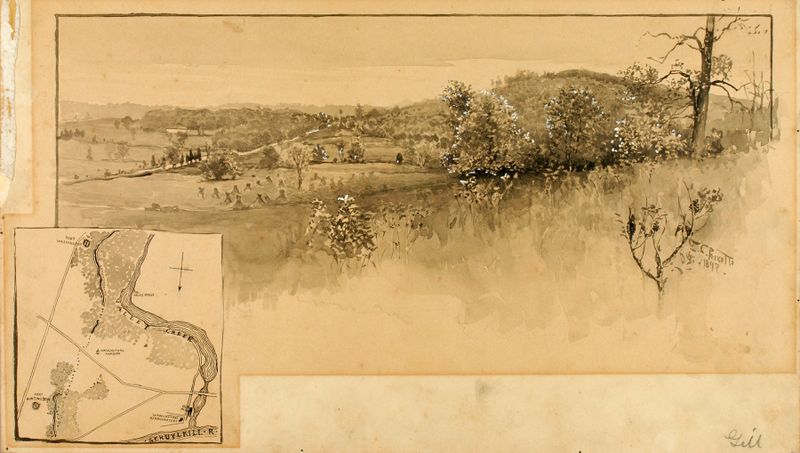
Valley Forge
Ernest Peixotto
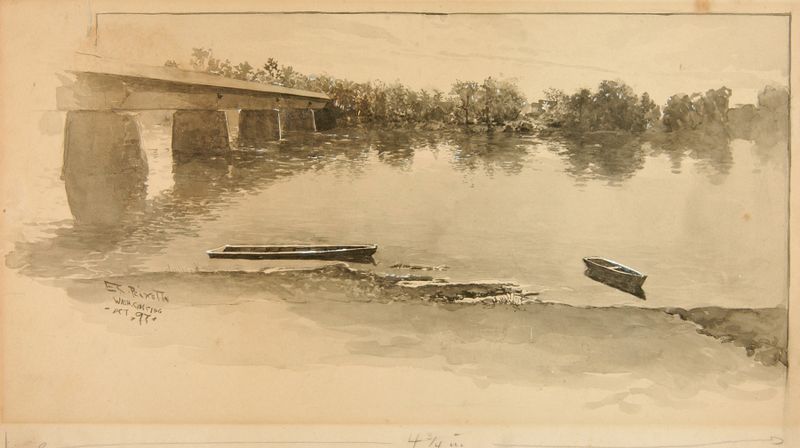
Washington Crossing
Ernest Peixotto

Ticonderoga
Ernest Peixotto
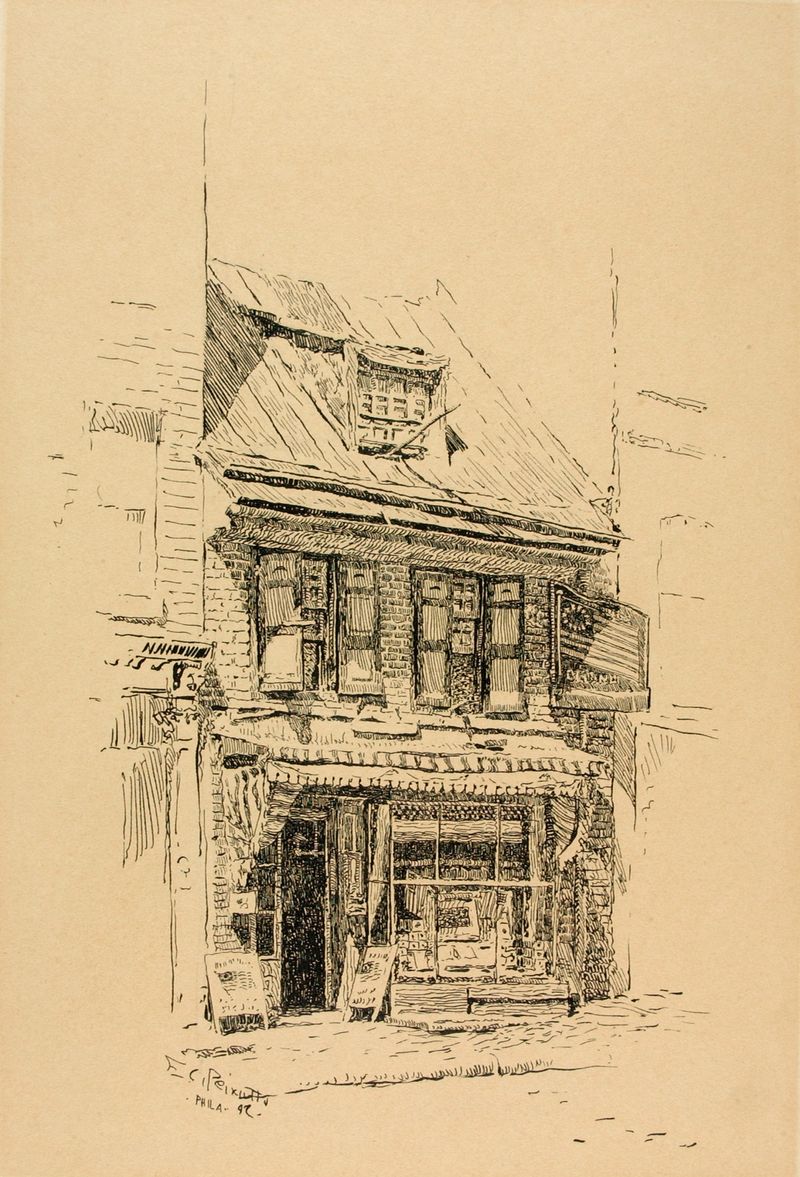
House Where First American Flag Was Made
Ernest Peixotto
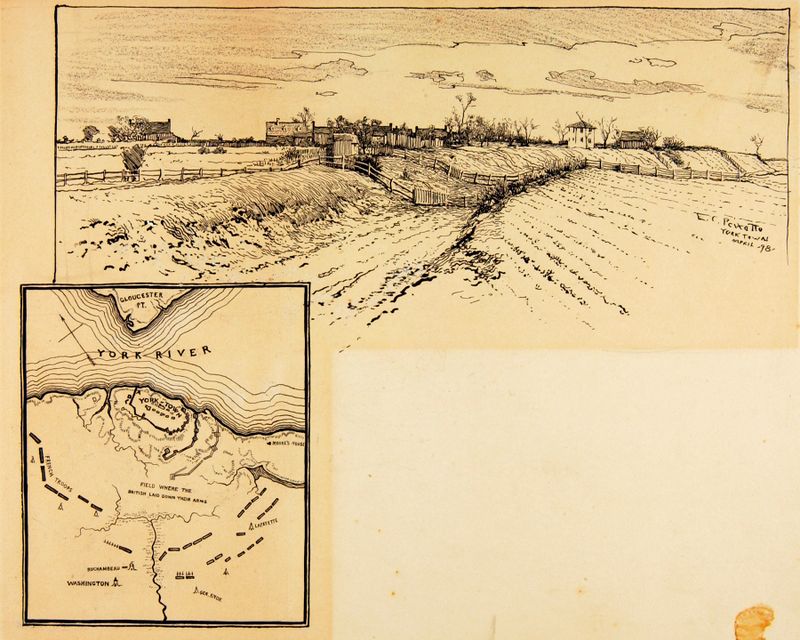
Present Appearance of British Entrenchment, Yorktown
Ernest Peixotto
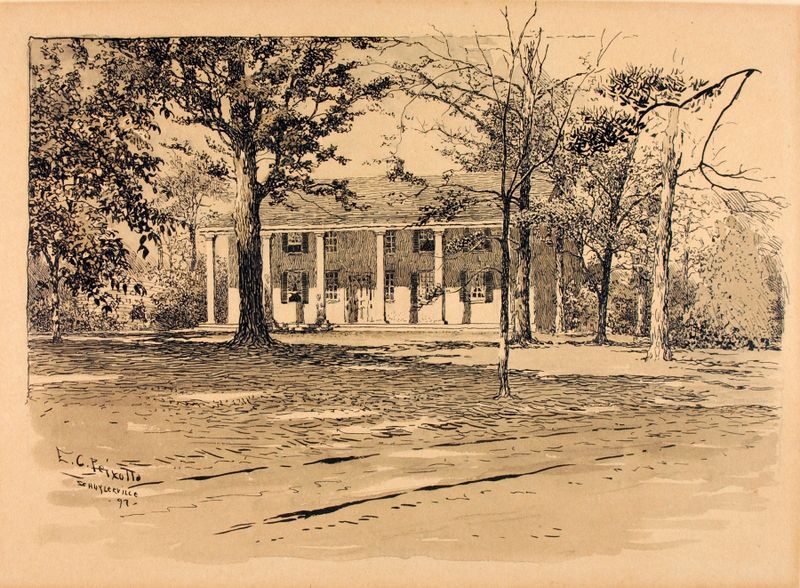
Saratoga. General Schuyler’s House
Ernest Peixotto
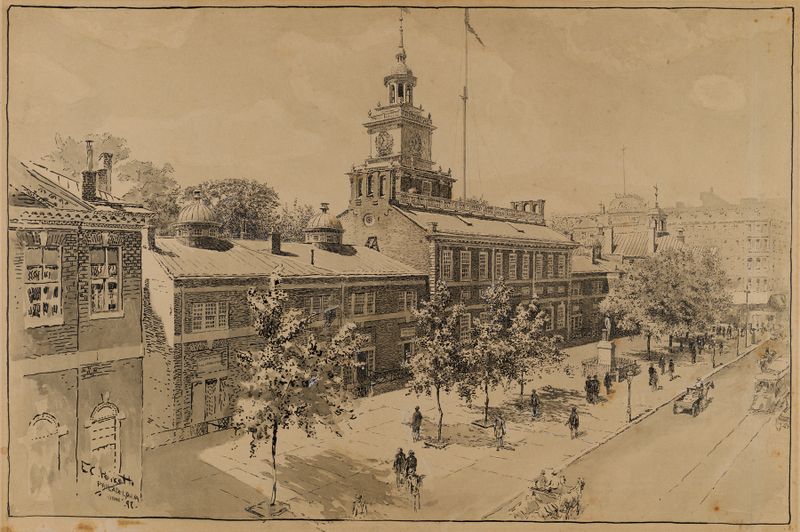
Philadelphia, Independence Hall, Chestnut Street
Ernest Peixotto
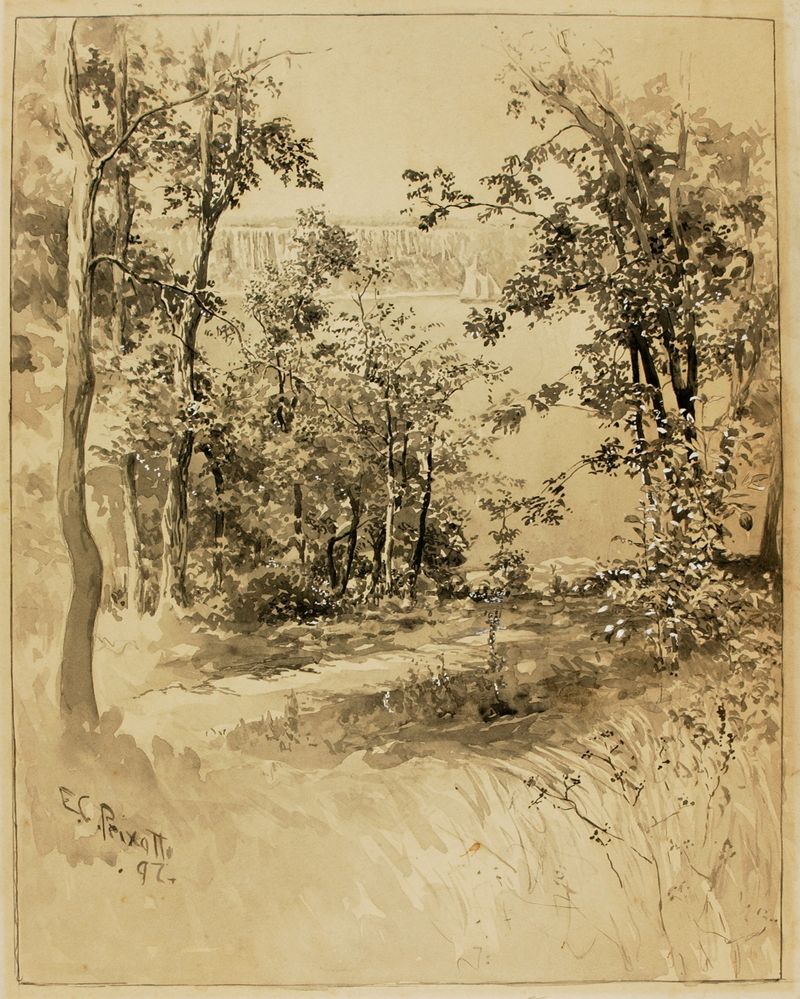
New York, Site of Fort Washington, Looking at Fort Lee
Ernest Peixotto

Capture of Fort Ticonderoga
Ernest Peixotto
More Architecture Art
Browse all →
The statue of Liberty
Frédéric Auguste Bartholdi

View of Houses in Delft, Known as ‘The Little Street’
Johannes Vermeer

View of Houses in Delft, Known as ‘The Little Street’
Johannes Vermeer

The Cathedral in Rouen. The portal, Grey Weather
Claude Monet

The yellow house
Vincent van Gogh

The Church in Auvers-sur-Oise, View from the Chevet
Vincent van Gogh