Moret-sur-Loing — History & Facts
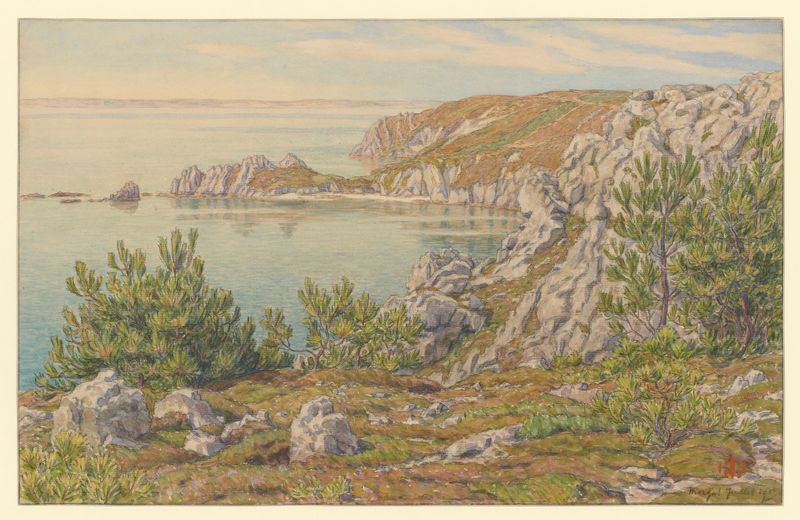
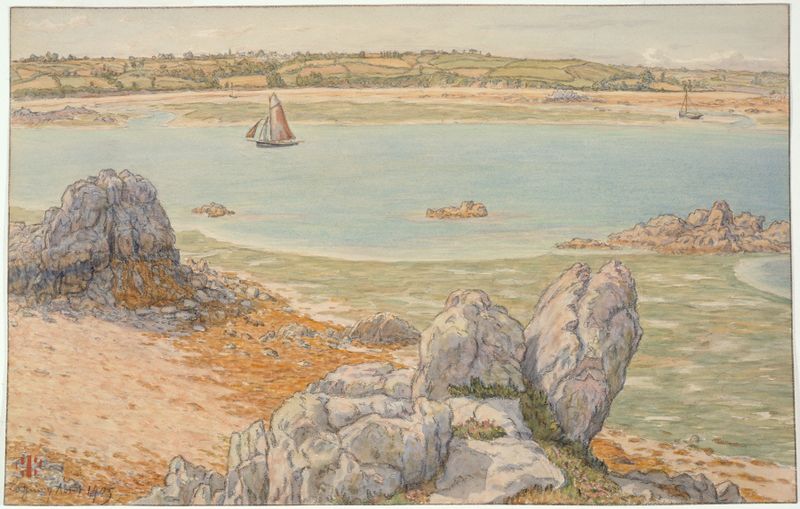
Can beauty exist without sorrow? In Moret-sur-Loing, the question lingers like the shadows that dance upon the water's surface. Here, tranquility intertwines with an underlying tension, a fear of impermanence echoing through the scene. The painting invites contemplation, challenging us to confront the fragility of moments that appear serene. Look to the left at the soft, rippling waters, where the gentle reflections of the trees caress the surface like whispered secrets.
The muted palette of greens and grays creates an atmosphere of quietude, while hints of warmer tones suggest a nascent day. Notice how Rivière’s delicate brushwork captures the interplay of light and shadow, evoking a sense of movement in the stillness. Each stroke carries a weight that transcends mere representation, inviting the viewer to become part of this serene landscape. Yet, the very stillness holds a paradox.
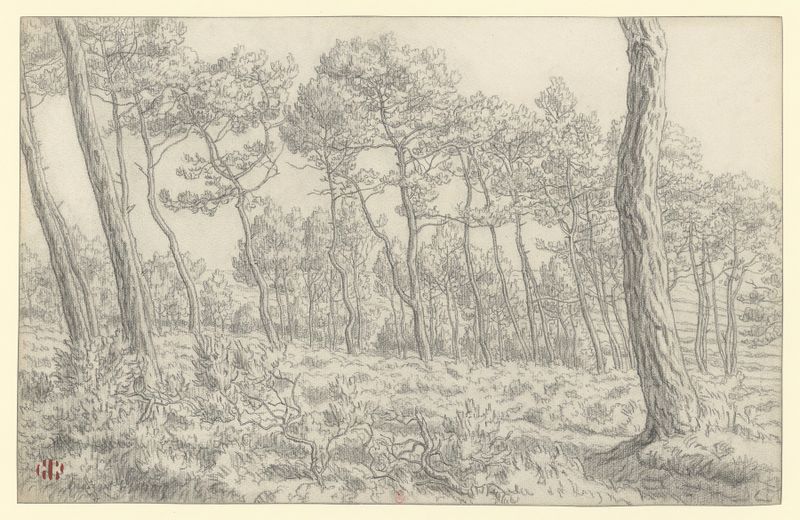
The looming trees, with their twisted branches, evoke both protection and encroachment, as if nature itself stands as a silent guardian and a veiled threat. The tranquil waters, while beautiful, hint at the depths beneath—a reflection of the artist's own sentiments about the impermanence of beauty. This duality speaks to the fear of losing moments of peace, prompting us to reflect on what lies beneath the surface of our own lives. In 1900, Henri Rivière created this piece in the picturesque village of Moret-sur-Loing, a place that had become a retreat for many artists seeking solace.
At this time, he was exploring his unique style, influenced by the Impressionistic movement yet striving to infuse a personal touch that would resonate emotionally. The world of art was shifting, and Rivière’s works emerged as a poignant response to the fleeting nature of beauty and existence.