
Moritz Christian Reichsgraf von Fries with his wife Maria Theresia Josepha and the son Moritz — History & Facts
Few portraits of the early nineteenth century so vividly capture the intersection of wealth, power, and intimacy as Moritz Christian Reichsgraf von Fries with his wife Maria Theresia Josepha and the son Moritz by François Gérard. The sitter, Moritz von Fries, was one of the richest bankers in Vienna and a noted patron of the arts, whose lavish lifestyle and support for composers like Beethoven and Schubert made him a fixture of European high society. The von Fries family’s fortunes, however, would later become a cautionary tale, as financial ruin overtook them within a generation—an arc that lends this family portrait a sense of both grandeur and fragility. Gérard chooses a moment of poised domestic unity: Moritz stands beside his wife, Maria Theresia Josepha, who gently steadies their young son, Moritz.
The composition is carefully staged—Moritz’s posture is upright and assured, his gaze directed outward, while Maria Theresia’s softer expression and hand on her son’s shoulder signal maternal care. The boy, in turn, looks up, bridging the connection between parents. Gérard’s attention to fabrics and light—silks, velvets, and the sheen of polished surfaces—evokes the taste and means of his sitters, in a manner reminiscent of Jacques-Louis David’s family portraits, yet with a more tender, less formal air.
The subtle interplay of hands and glances encodes the family’s hierarchy and affections, turning a display of status into a scene of private connection. The precise circumstances of this portrait’s commission remain uncertain, but it likely dates from Gérard’s years as a sought-after portraitist among Europe’s elite, after his success at the Napoleonic court. The painting’s whereabouts have shifted over time, as the von Fries collection was dispersed following the family’s financial collapse in the 1820s. Today, the work survives as a rare testament to both the ambitions and vulnerabilities of its subjects, and to Gérard’s ability to blend public image with personal narrative.
Its place in Gérard’s oeuvre underscores his reputation for psychological insight, distinguishing his portraits from the more rigid conventions of the period.
More Artworks by François Gérard

Portrait of Emperor Napoleon I
François Gérard
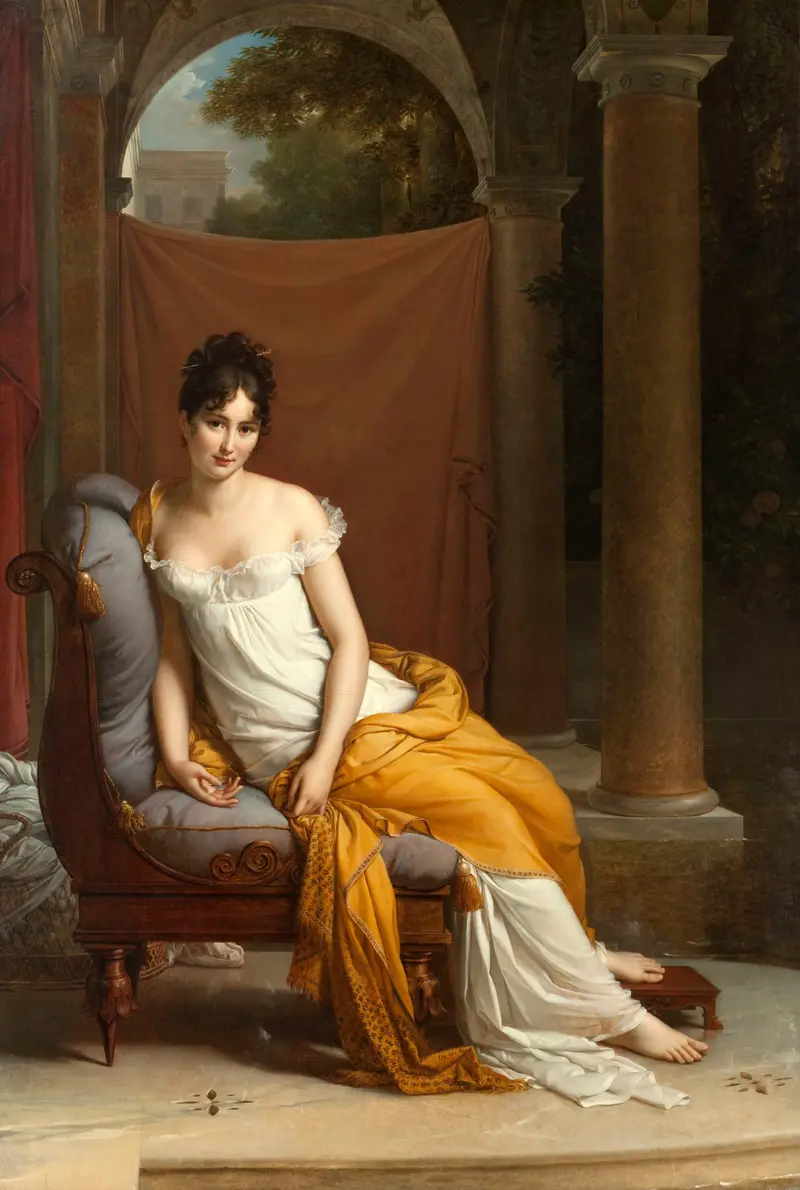
Portrait of Juliette Récamier, née Bernard
François Gérard
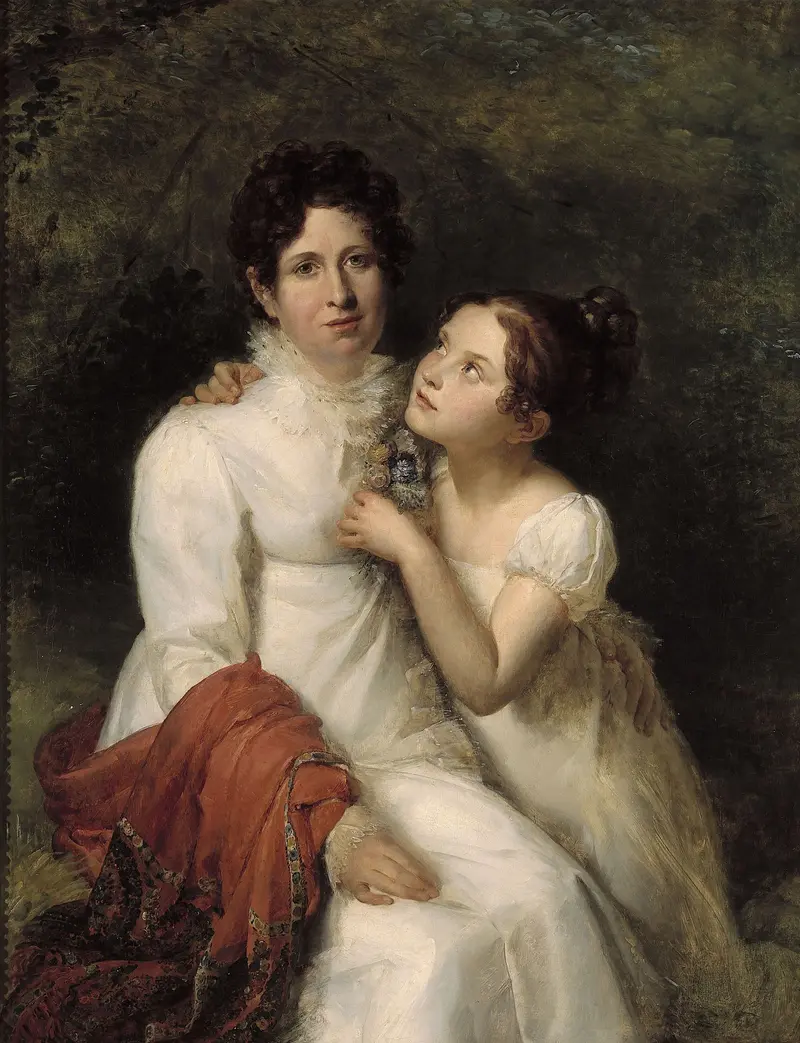
Portrait de Madame Bauquin Du Boulay et de sa nièce Mademoiselle Bauquin de La Souche
François Gérard
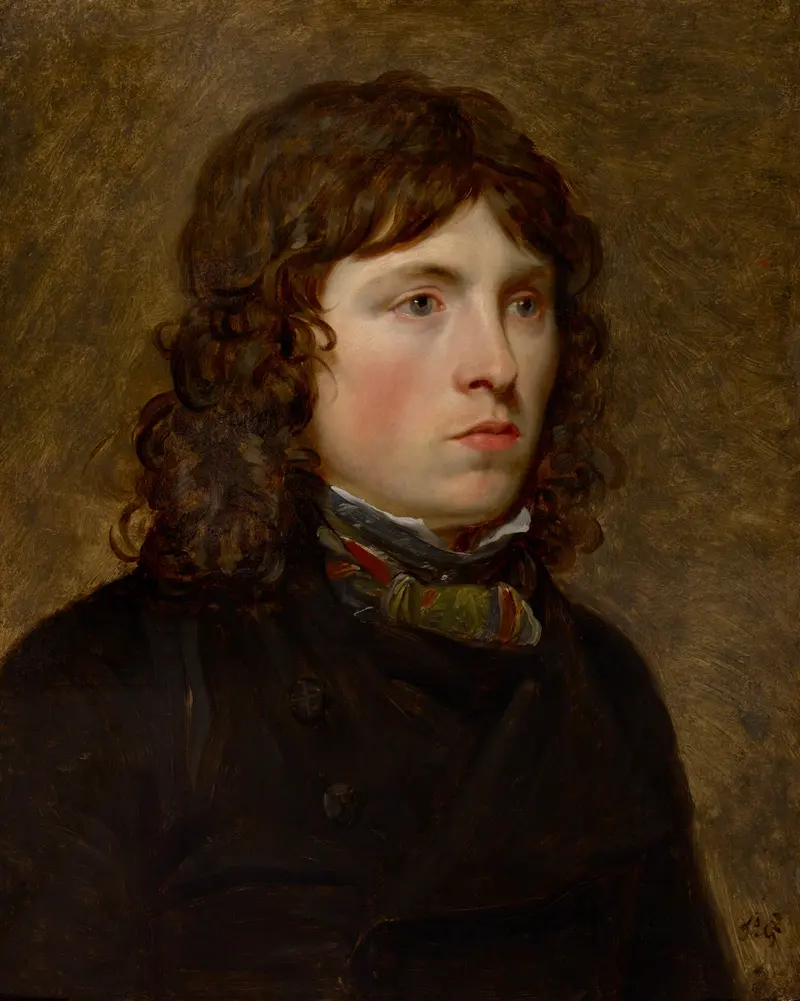
Portrait of G. F. Reverdin
François Gérard
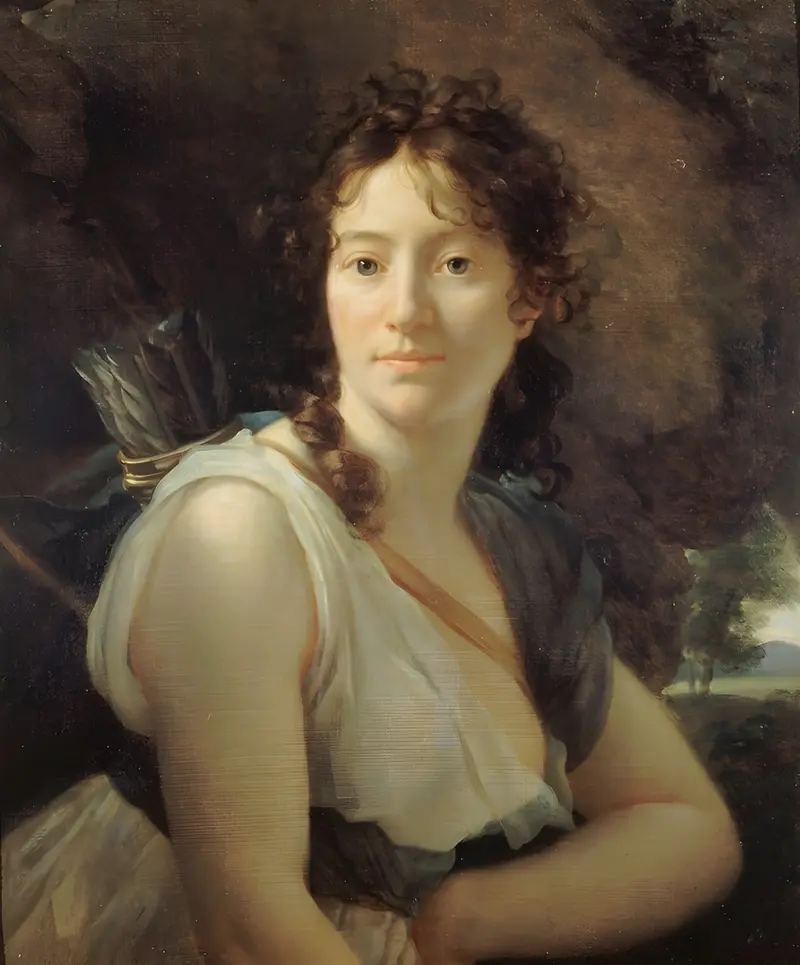
Portrait Of Mademoiselle Duchesnois (1777-1835), Member Of The Comédie-Française, In The Role Of Dido.
François Gérard
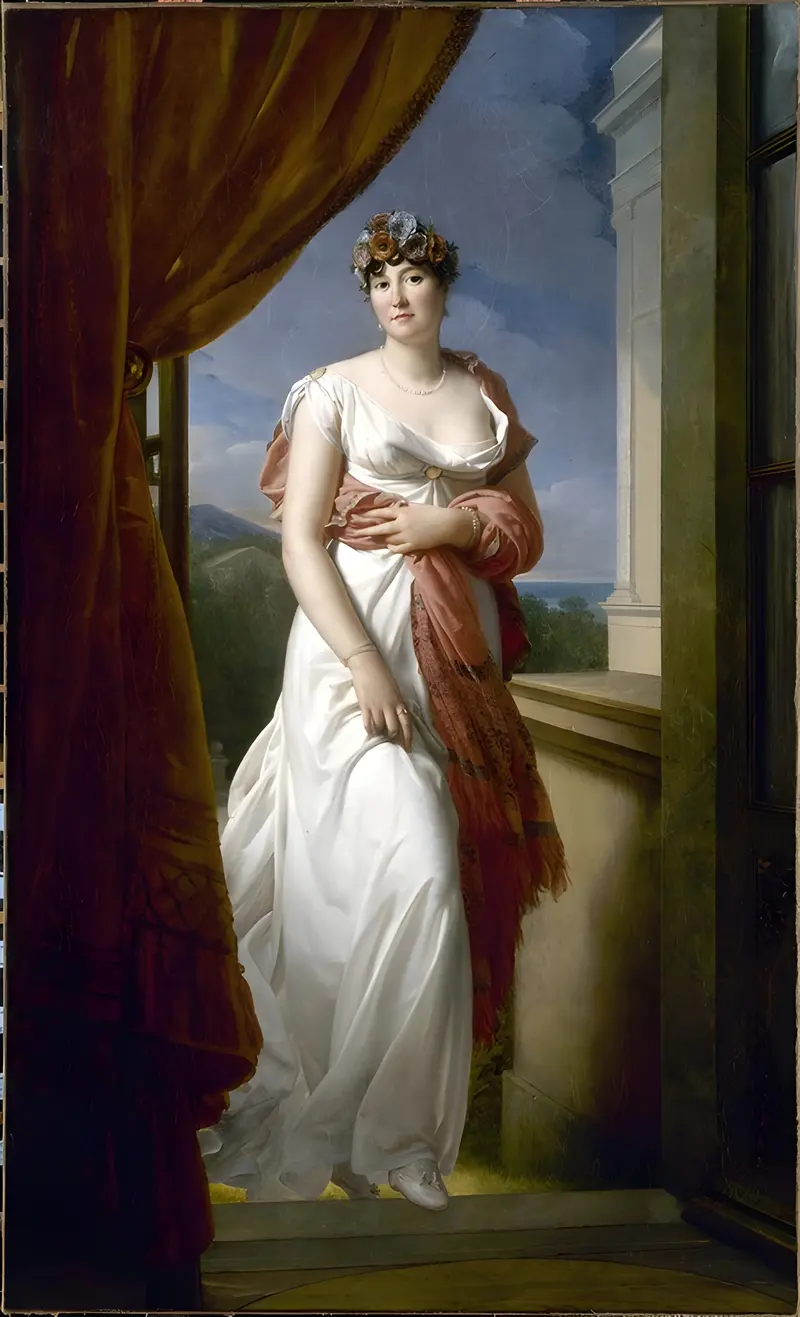
Portrait Of Theresia Cabarrus (1773-1835), Wife Tallien, Then Princess Of Caraman-Chimay
François Gérard
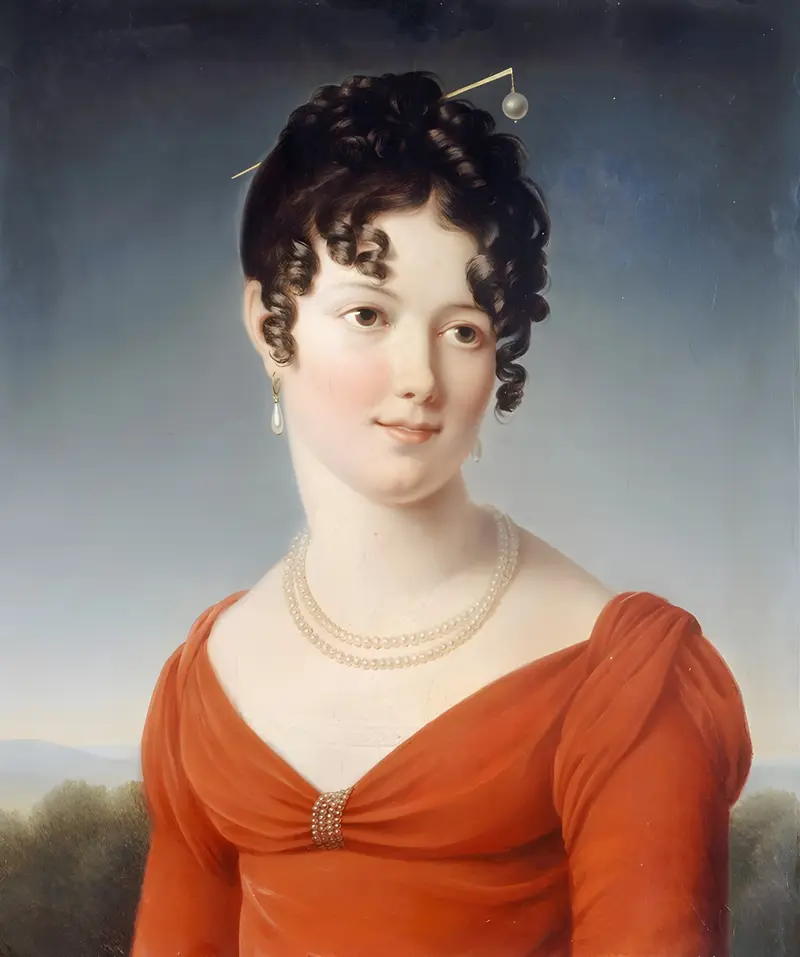
Bust Portrait Of Alexandrine-Anne De La Pallu, Marquise De Flers (1786-1832)
François Gérard
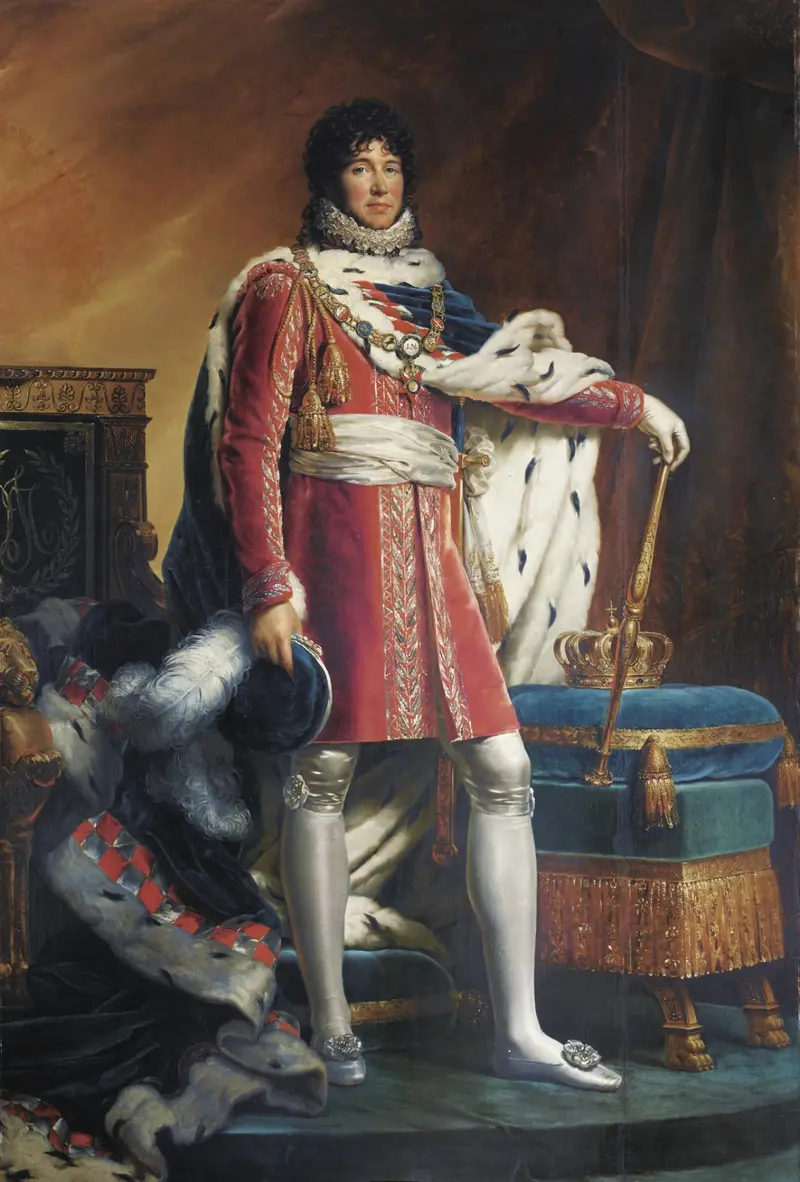
Portrait of Joachim Napoléon Murat, King of Naples and of the two Sicilies
François Gérard
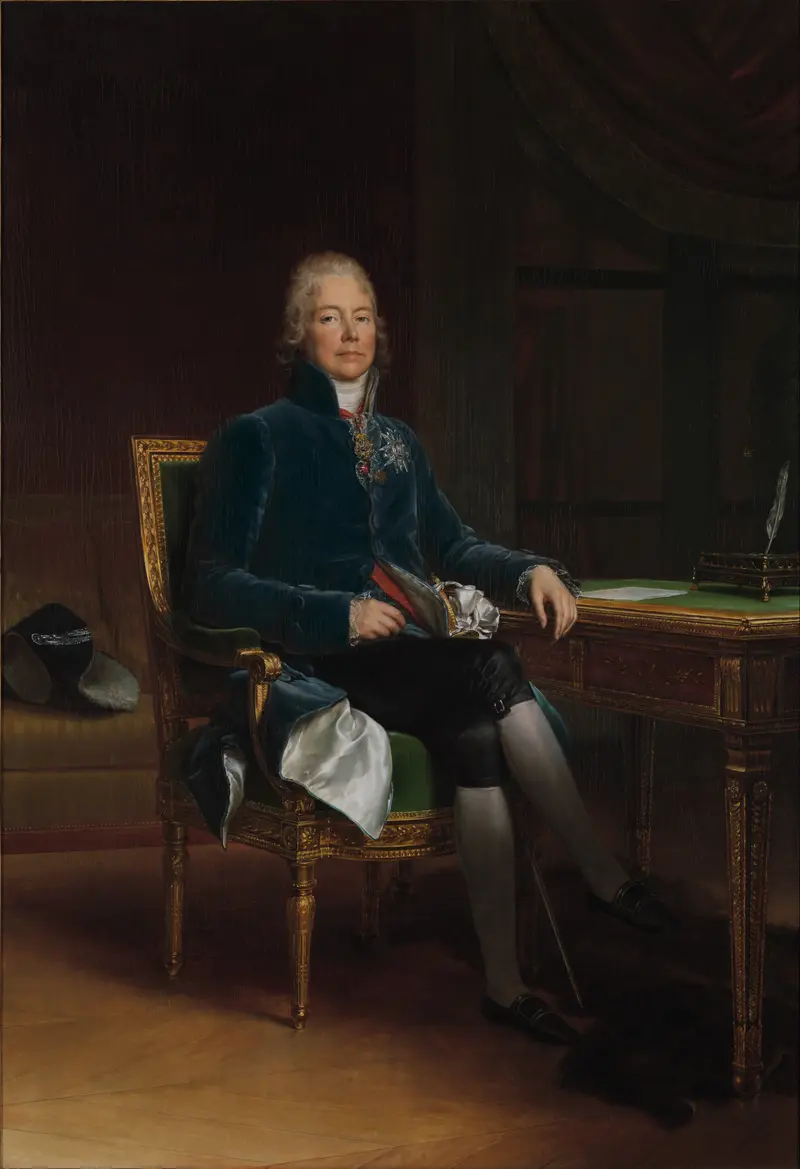
Charles Maurice de Talleyrand Périgord (1754–1838), Prince de Bénévent
François Gérard
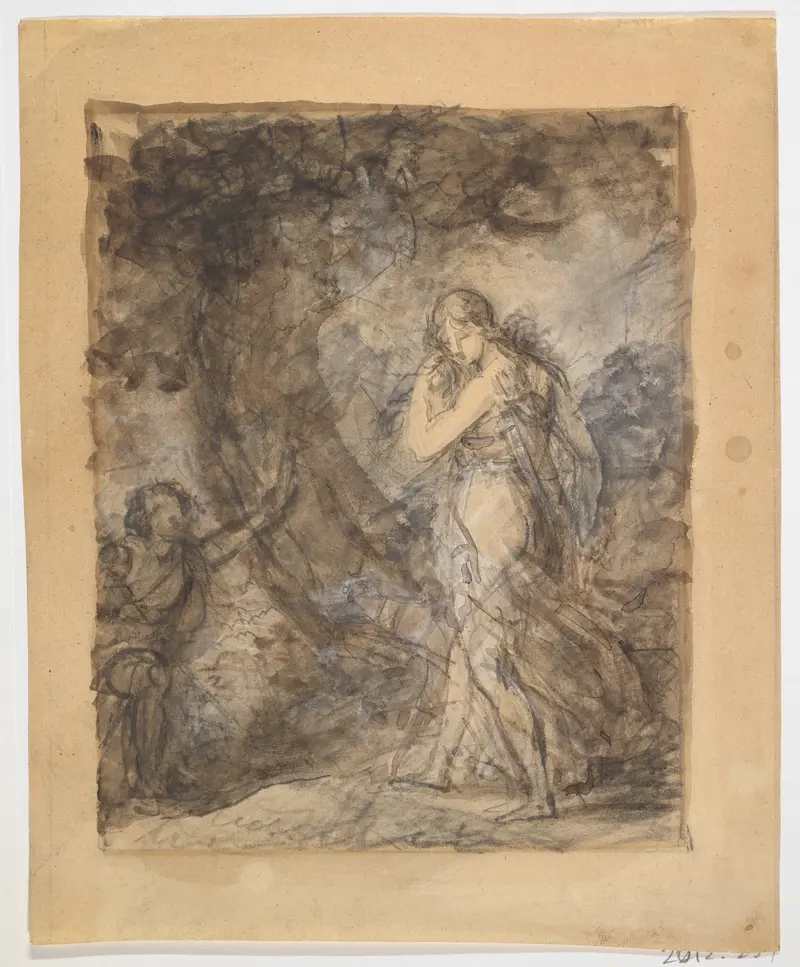
Daphnis Running toward Chloe
François Gérard





