
Mortain, Normandy — History & Facts
In the quiet stillness of decay, the remnants of life whisper stories untold, begging to be seen. Look closely at the central expanse of the canvas, where fragments of a crumbling edifice emerge from a lush, green landscape. The artist employs delicate strokes to breathe life into the deteriorating structure, while a vivid palette of earthy tones and splashes of azure captures the essence of a serene yet haunting moment. Notice how the interplay of light and shadow creates a dynamic tension, drawing the eye toward the interplay of nature reclaiming its territory, which softens the harsh lines of man-made ruin. Hidden within this tranquil scene are layers of meaning—each crack and fissure in the stonework symbolizes the inevitable passage of time and the relentless march of nature over human effort.
The verdant growth intertwining with the remnants of walls suggests that beauty can emerge from destruction, revealing the fragility of existence. It speaks to a bittersweet harmony, where decay becomes a canvas for renewal, inviting contemplation on the cycles of life. John Sell Cotman painted this work during the early 19th century, amidst the burgeoning Romantic movement that emphasized emotion and the beauty of nature. Operating primarily in England, Cotman was influenced by the picturesque landscapes of his surroundings and the emerging appreciation for the sublime in art.
His works often reflect a fascination with the juxtaposition of nature and architecture, a theme that resonated deeply with the ideals of his time, as artists sought to capture the fleeting moments of both beauty and decay.
More Artworks by John Sell Cotman
Browse all →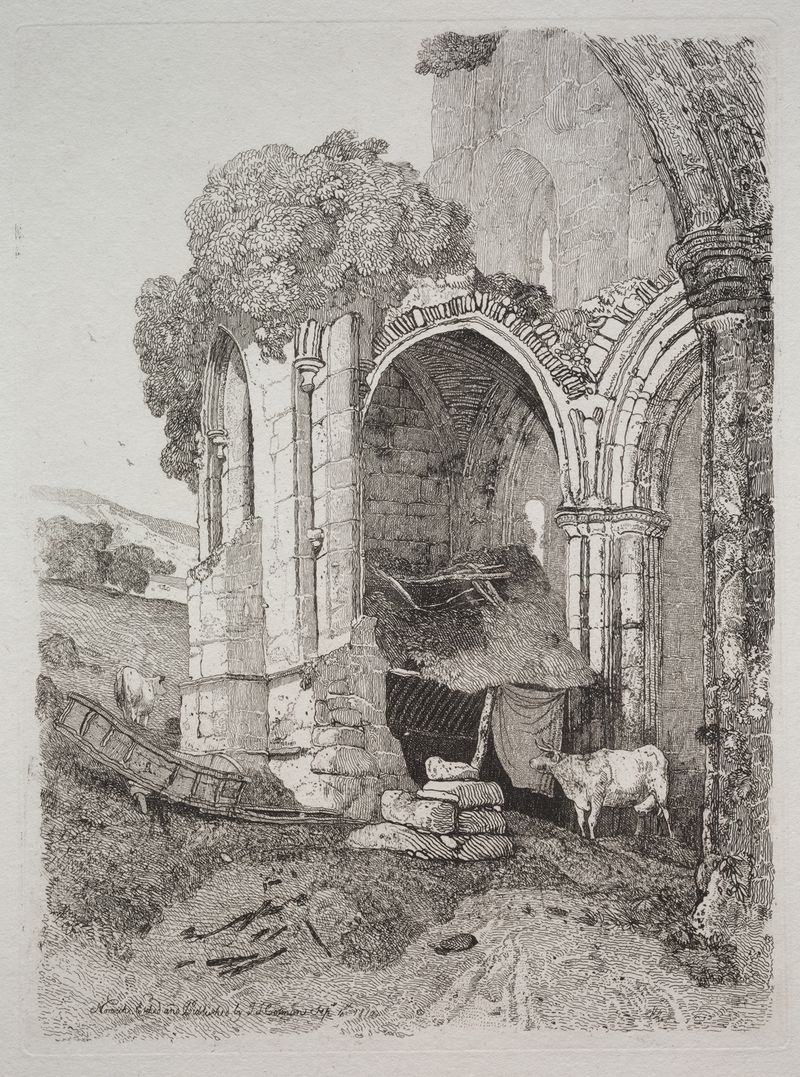
Rievaulx Abbey, Yorkshire
John Sell Cotman
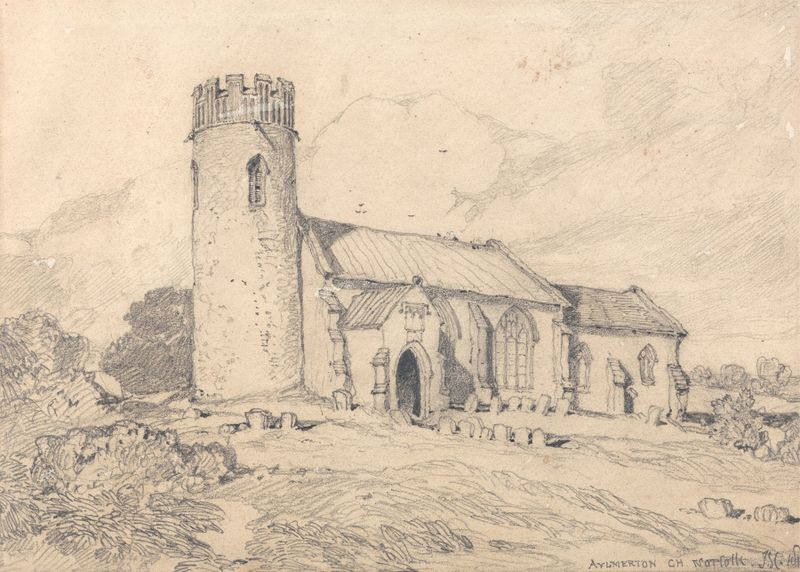
Aylmerton Church; Norfolk, from the South-West
John Sell Cotman
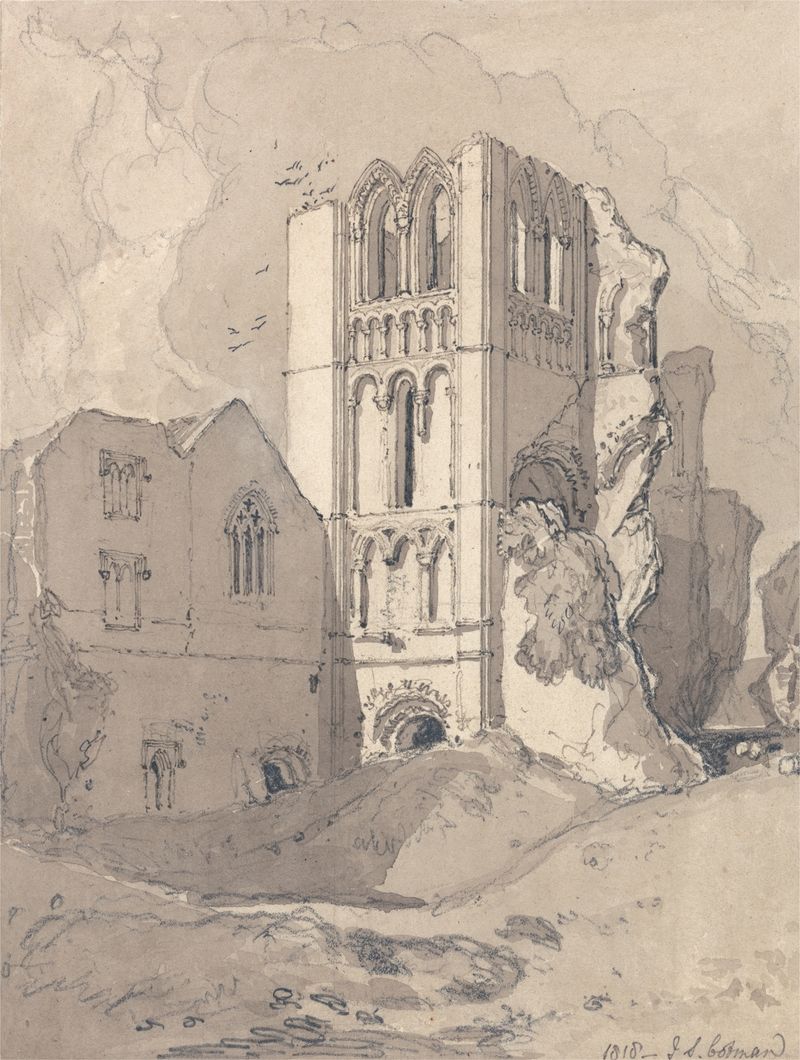
Castle Acre Priory, Norfolk
John Sell Cotman
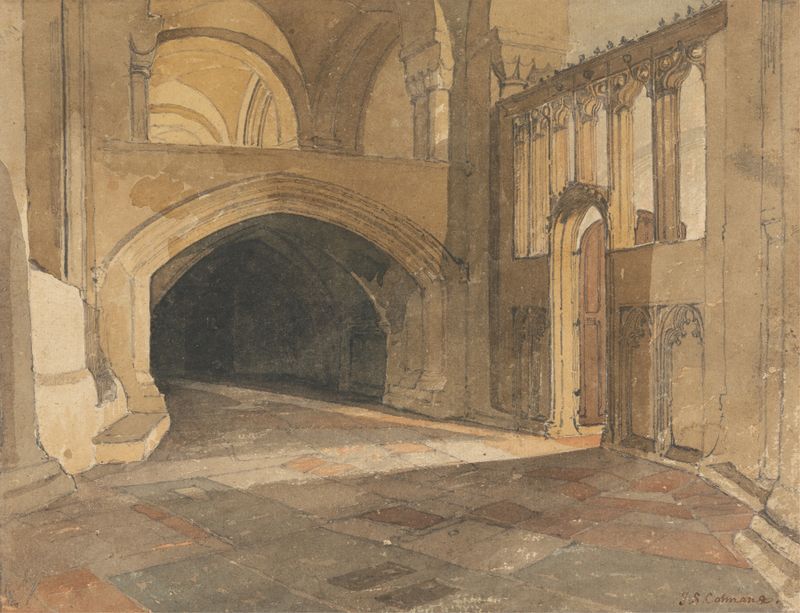
Norwich Cathedral; Entrance to Jesus Chapel
John Sell Cotman
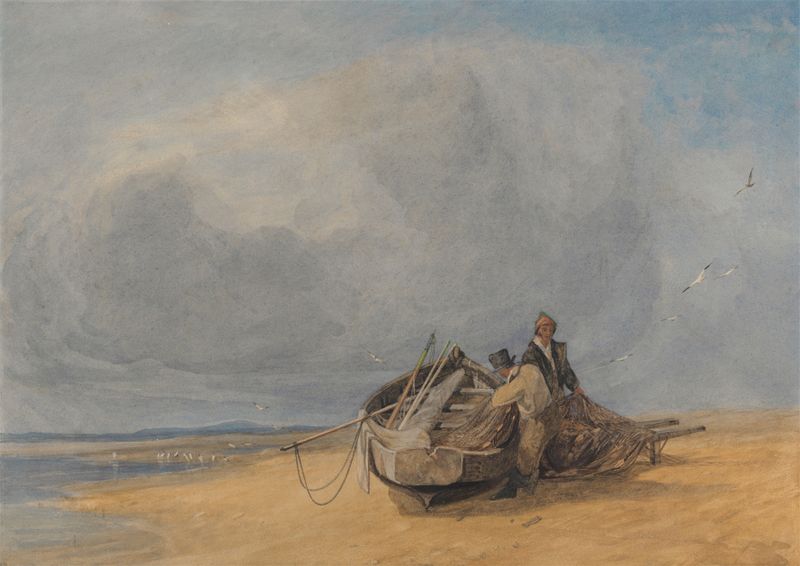
Yarmouth Sands, Norfolk
John Sell Cotman
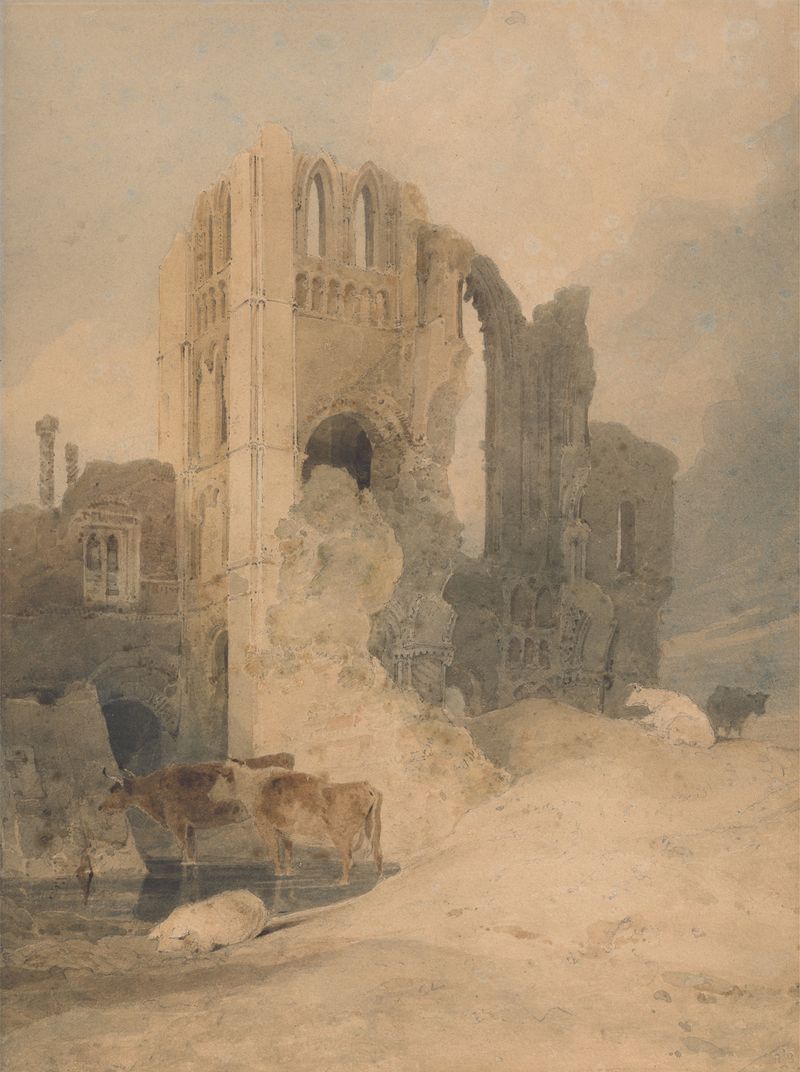
Castle Acre Priory, Norfolk
John Sell Cotman
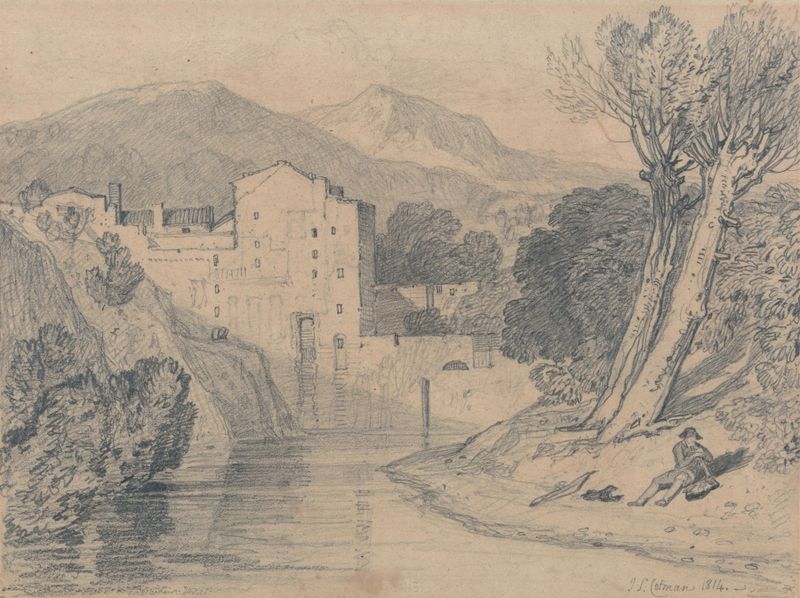
Near Whitby, Yorkshire
John Sell Cotman
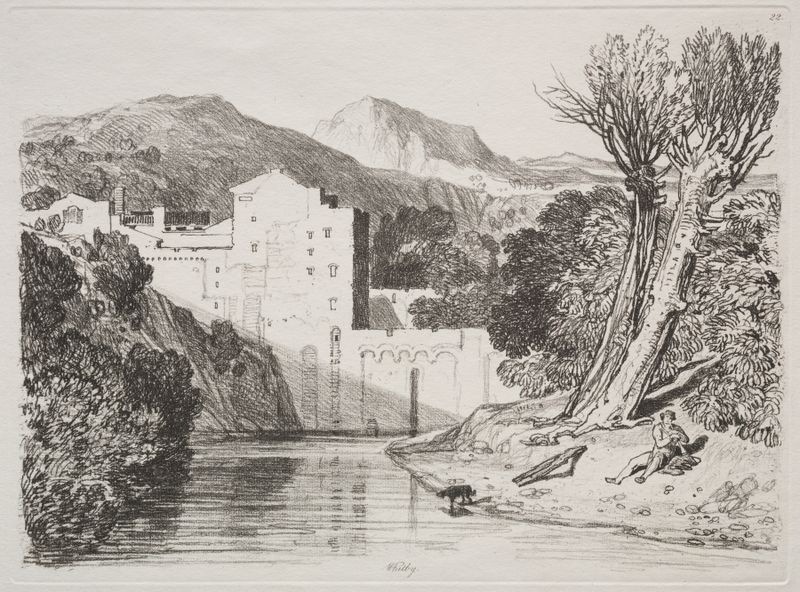
Whitby
John Sell Cotman
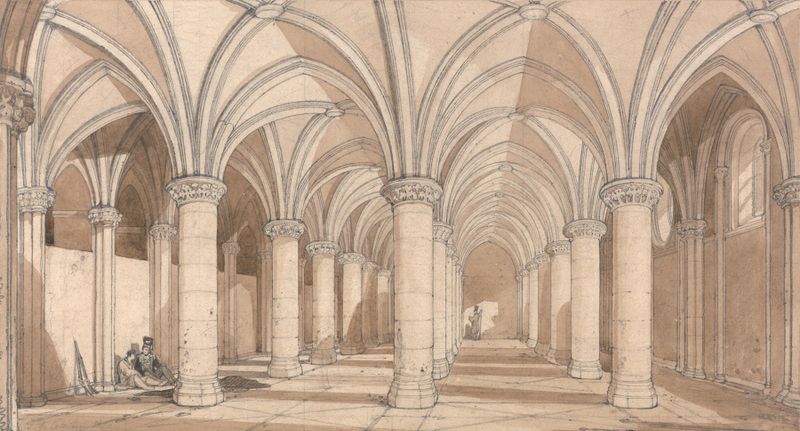
The Barons’ Hall, Mont Saint Michel
John Sell Cotman
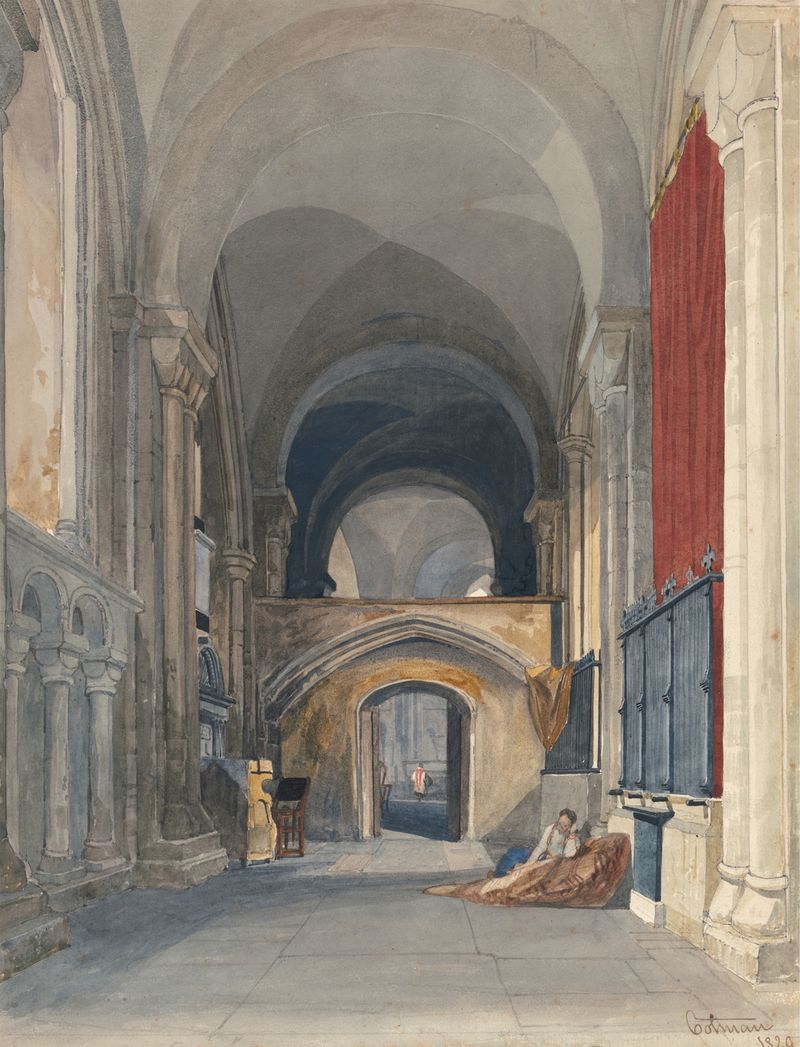
Norwich Cathedral; Interior of the North Aisle of the Choir, Looking East
John Sell Cotman





