
Mother Hulda — History & Facts
In Mother Hulda, Walter Crane presents a vibrant scene filled with rich colors and intricate details. The painting features a central figure of Mother Hulda, depicted as a nurturing woman surrounded by nature. The background is lush and filled with elements that suggest a fairy-tale setting, including trees and flowers.
The use of bright colors enhances the whimsical atmosphere of the piece. The painting is characterized by its detailed brushwork and the careful rendering of textures, particularly in the clothing of Mother Hulda and the surrounding flora. Crane employs a palette that includes greens, yellows, and soft pastels, contributing to the dreamlike quality of the work. The composition draws the viewer's eye towards the central figure, creating a focal point that emphasizes her importance in the narrative.
The size of the painting, approximately 100 x 150 cm, allows for a grand display of Crane's illustrative style. Walter Crane was a prominent figure in the Victorian art scene, known for his illustrations and contributions to children's literature. Mother Hulda reflects his interest in folklore and fairy tales, showcasing his ability to blend narrative with visual art. An interesting fact about this work is that it was created during a time when Crane was heavily influenced by the Arts and Crafts movement, which emphasized craftsmanship and the beauty of everyday objects.
This painting exemplifies his skill in merging storytelling with artistic expression.
More Artworks by Walter Crane

Oranges and Lemons
Walter Crane
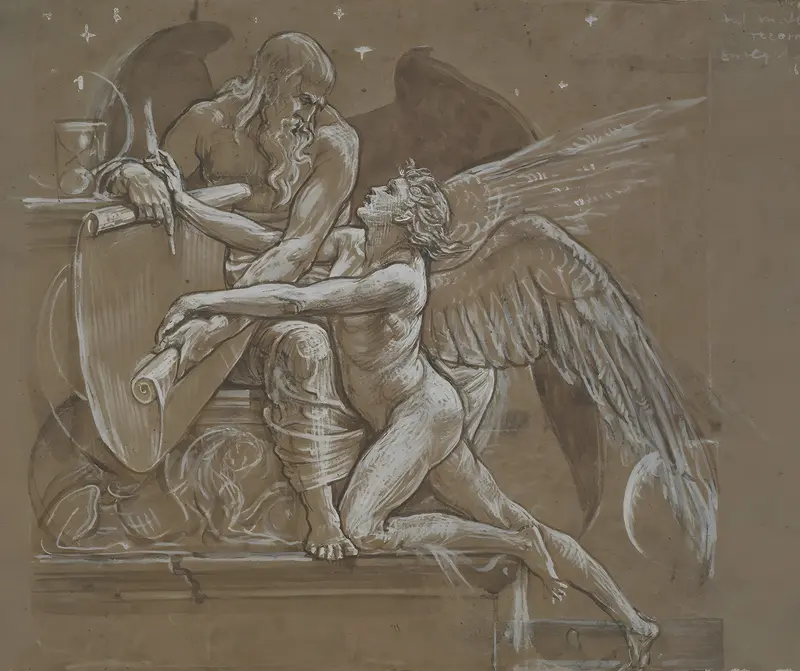
The Roll of Fate, England
Walter Crane
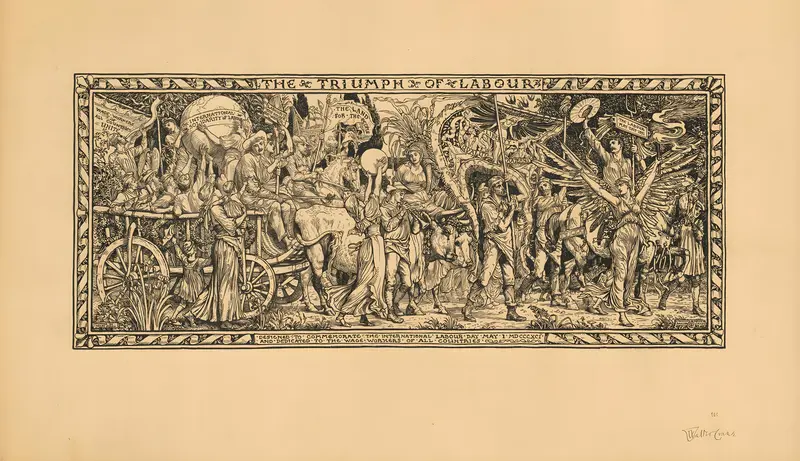
The Triumph of Labour. Designed to commemorate The International Labour Day
Walter Crane
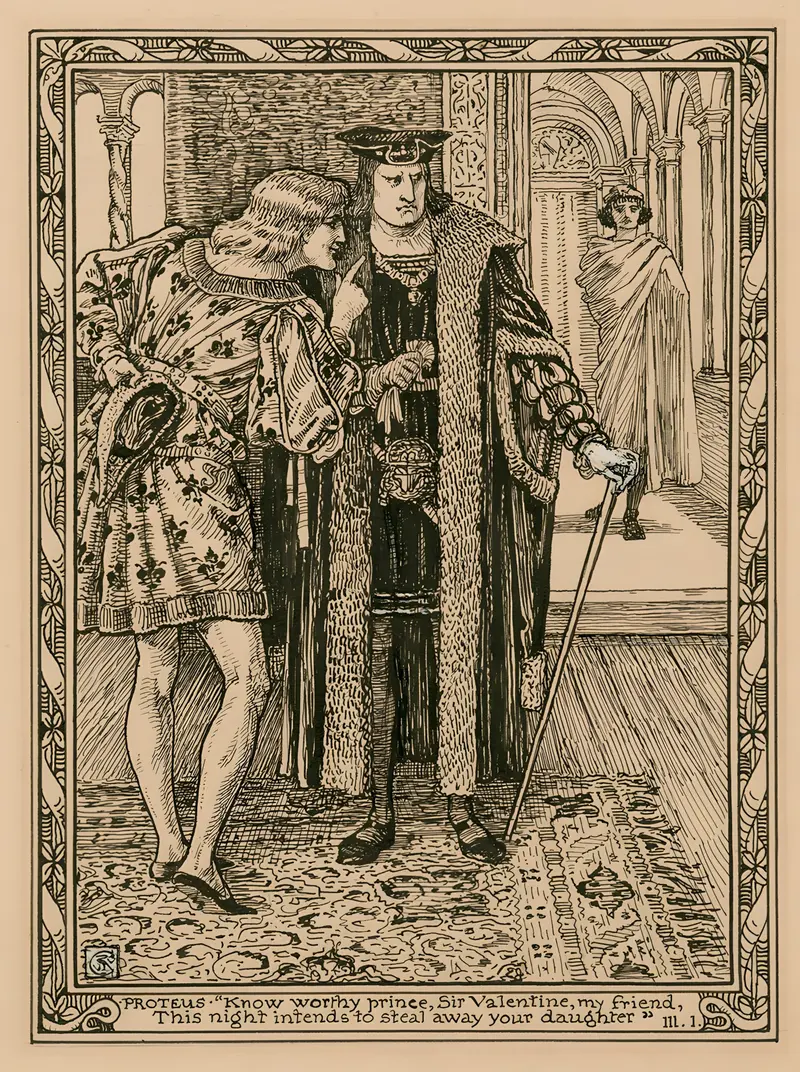
Proteus; ‘Know worthy prince, Sir Valentine, my friend, this night intends to steal away your daughter’, III, 1
Walter Crane
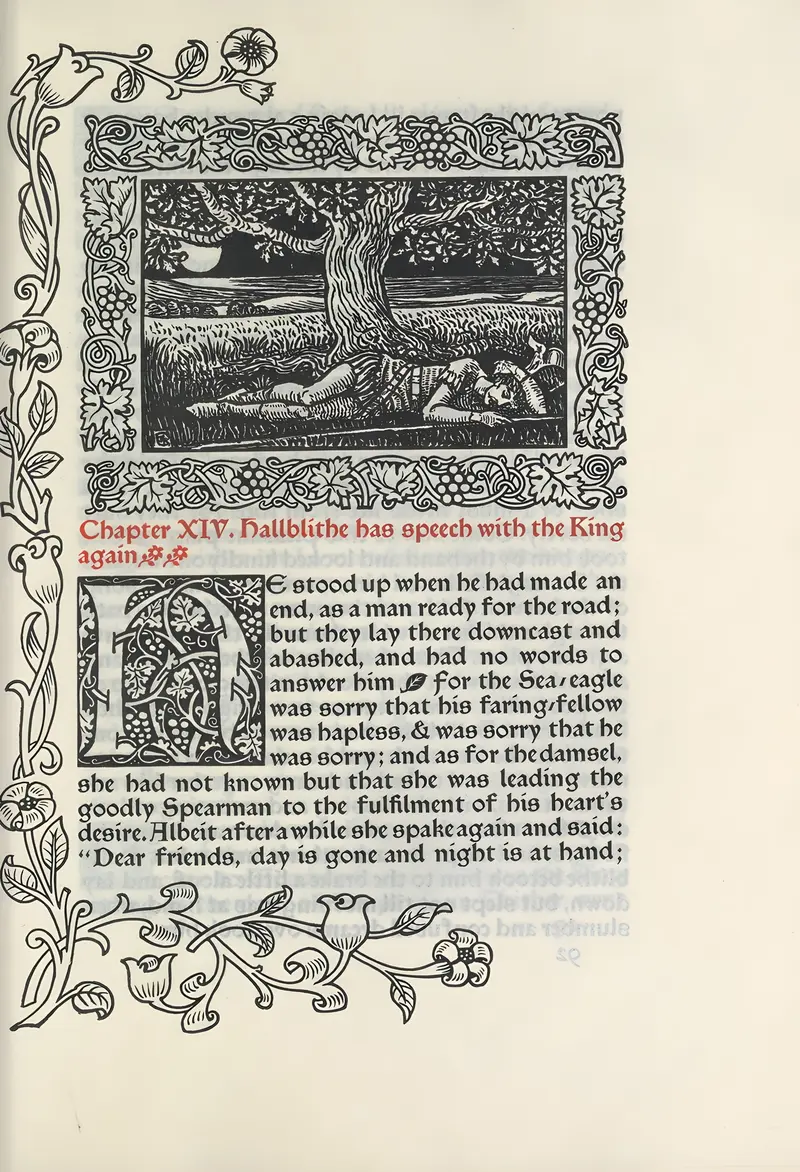
Chapter XIV. Hallblithe has speech with the King again
Walter Crane
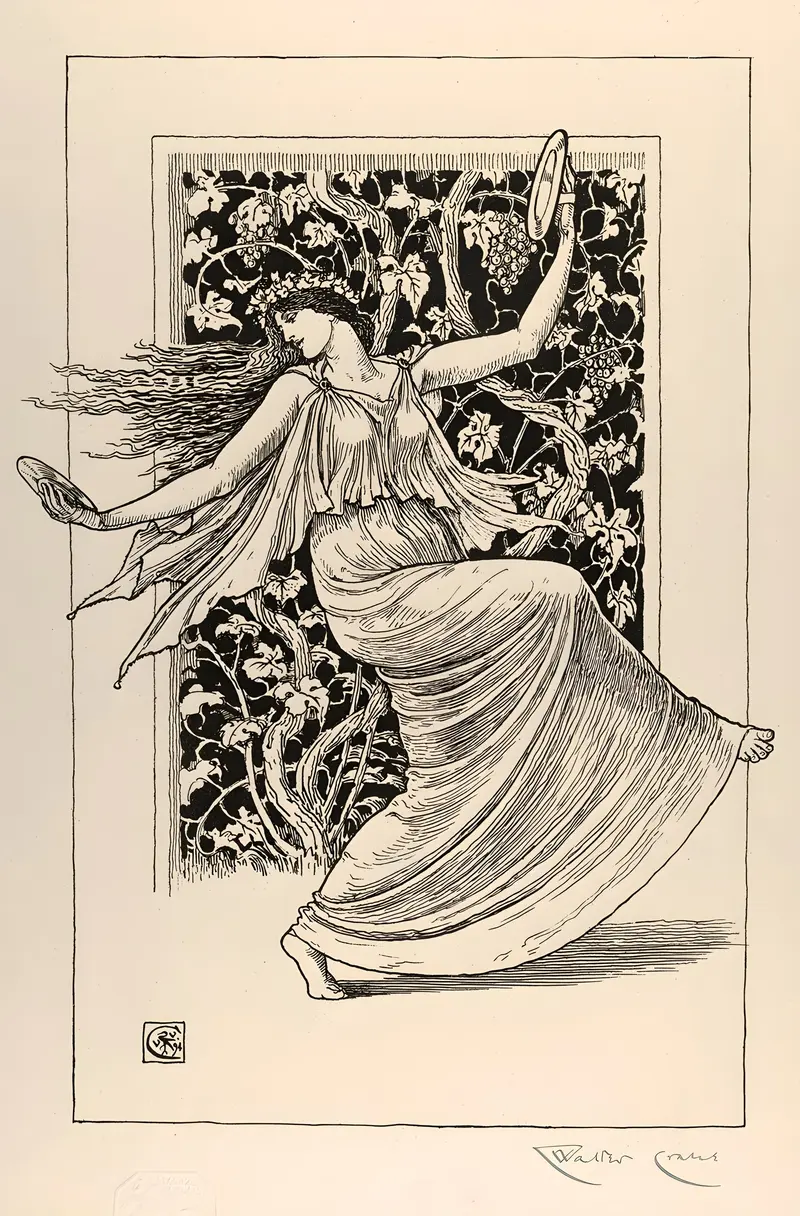
Dancing Nymph
Walter Crane
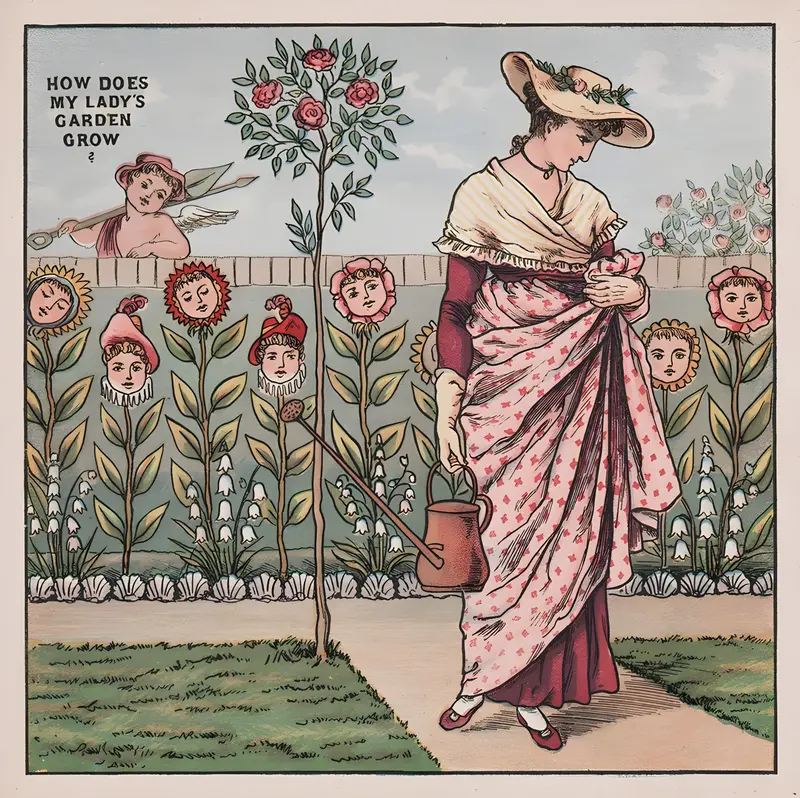
How does my lady’s garden grow
Walter Crane
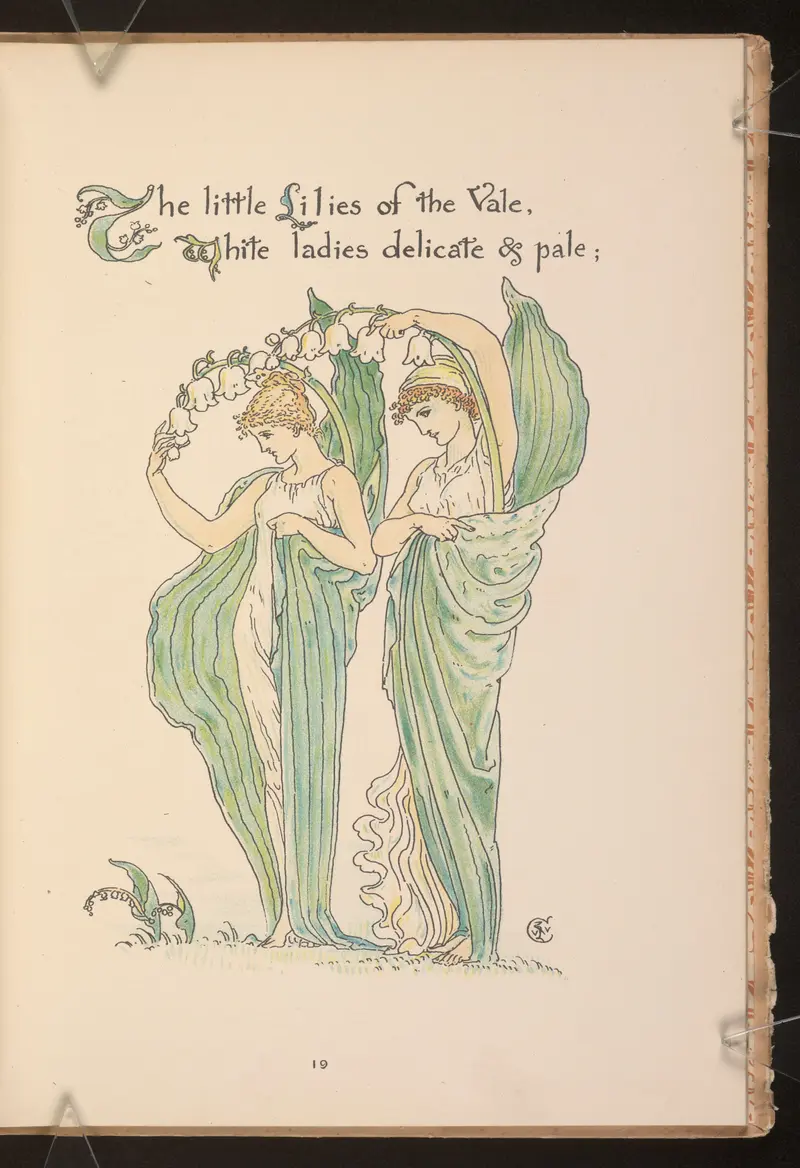
Flora’s feast; A masque of flowers Pl.19
Walter Crane
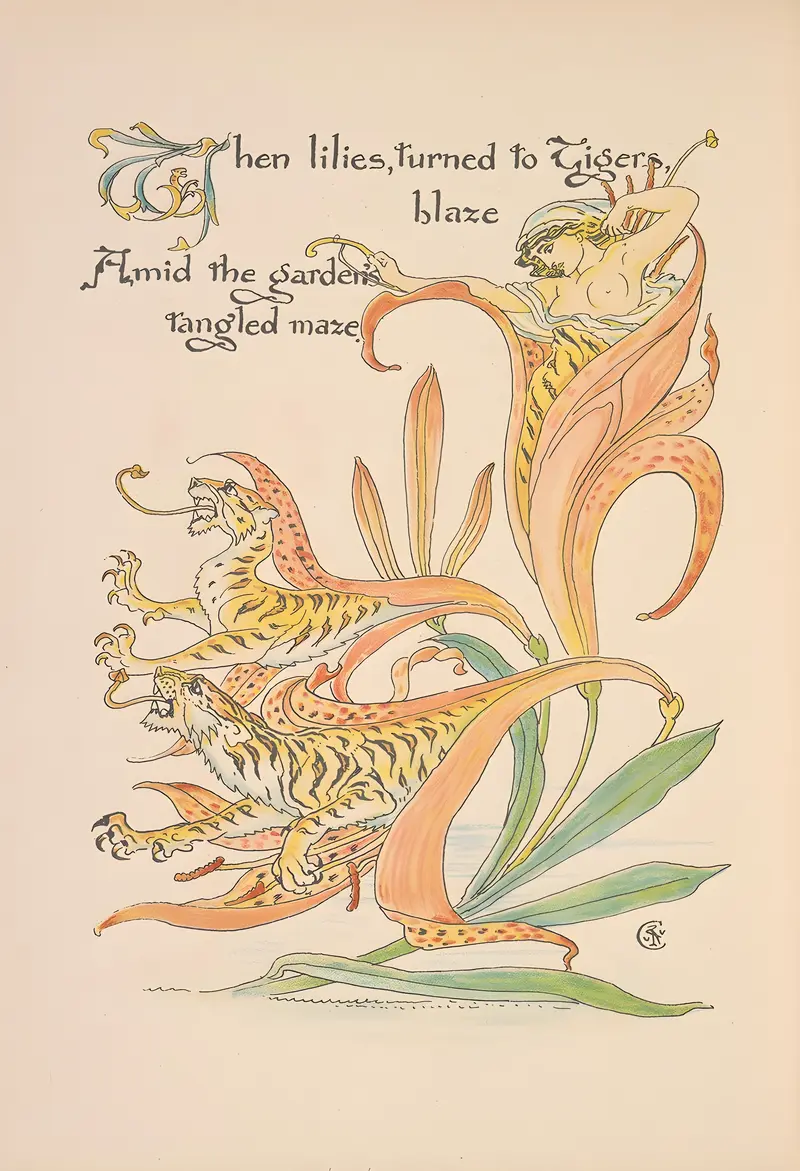
Flora’s feast; A masque of flowers Pl.34
Walter Crane
Flora’s feast; A masque of flowers Pl.29
Walter Crane





