
moulin a delft — History & Facts
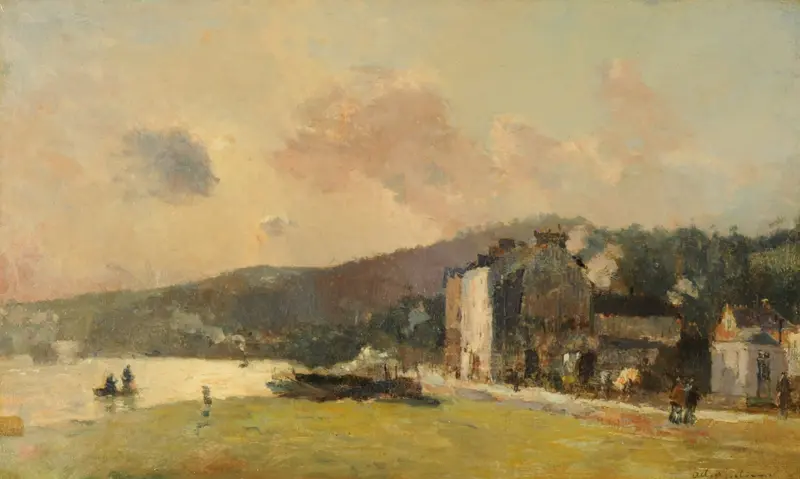
A windmill stands sentinel at the water’s edge, its sails paused mid-turn, as if holding its breath for the passing boat that glides across the shimmering surface. The palette is a study in restraint and atmosphere: cool blues and gentle ochres, their brushwork loose and searching, conjure the restless movement of sky and water. Light is the true protagonist here, glancing off the ripples and catching in the sails, unifying the scattered elements into a single moment of calm anticipation.
The windmill’s sturdy form anchors the scene, while the boat’s angled mast and billowing sail draw the eye outward, suggesting a world just beyond the frame. Painted in 1896, moulin a delft by Albert Charles Lebourg belongs to a period when artists across Europe were captivated by the changing qualities of natural light and the fleeting moods of landscape. Lebourg, associated with the Impressionist movement, often sought out riverbanks and ports, fascinated by the interplay of architecture, industry, and nature. While the specifics of this painting’s journey remain obscure, its presence in a modern collection speaks to the enduring appeal of such scenes—once prized by collectors eager to bring a sense of the open air into their homes.
As you look, notice how the brushwork invites you not just to see, but to feel the movement of water and air, as if you too were pausing by the banks at Delft.
More Artworks by Albert Charles Lebourg

Le Jardin du Docteur Viau
Albert Charles Lebourg
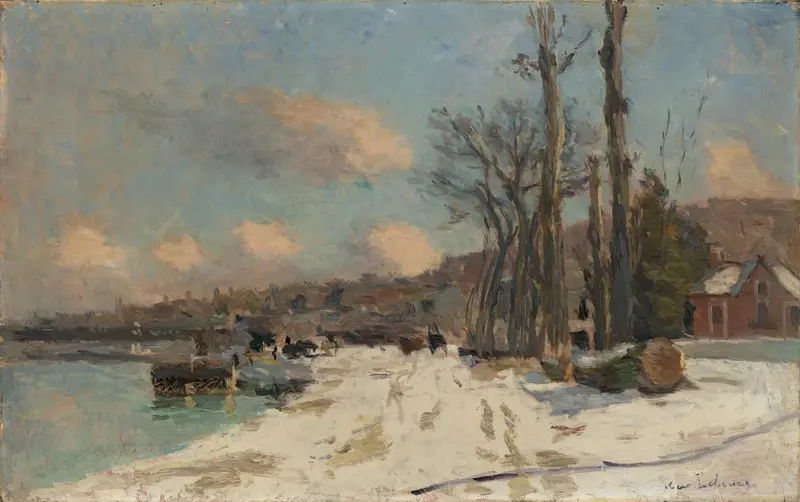
Snow Scene at Bougival
Albert Charles Lebourg
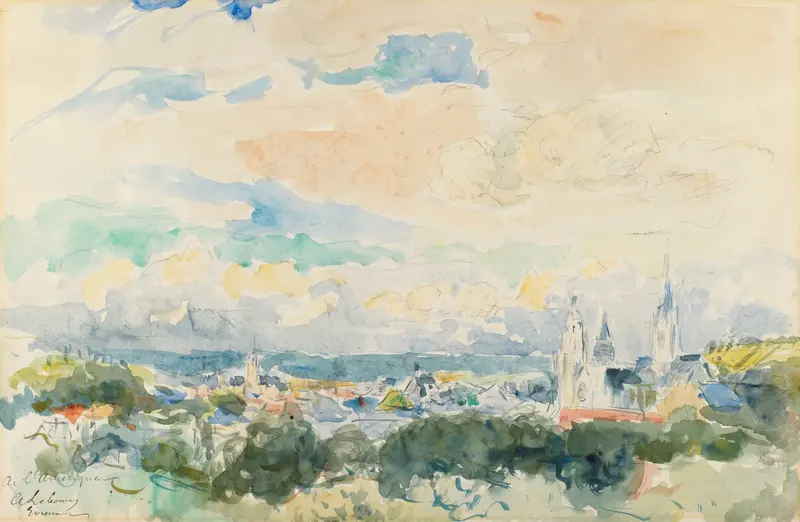
Sketch of a Village
Albert Charles Lebourg
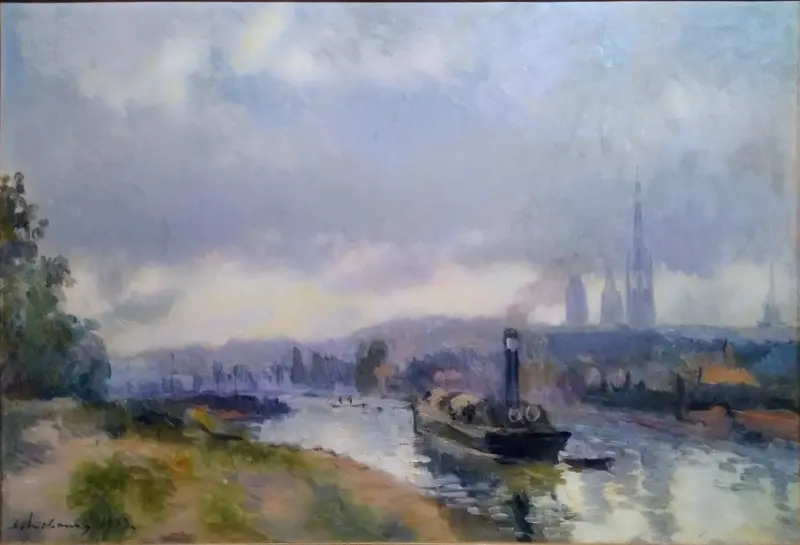
Remorqueurs à Rouen
Albert Charles Lebourg
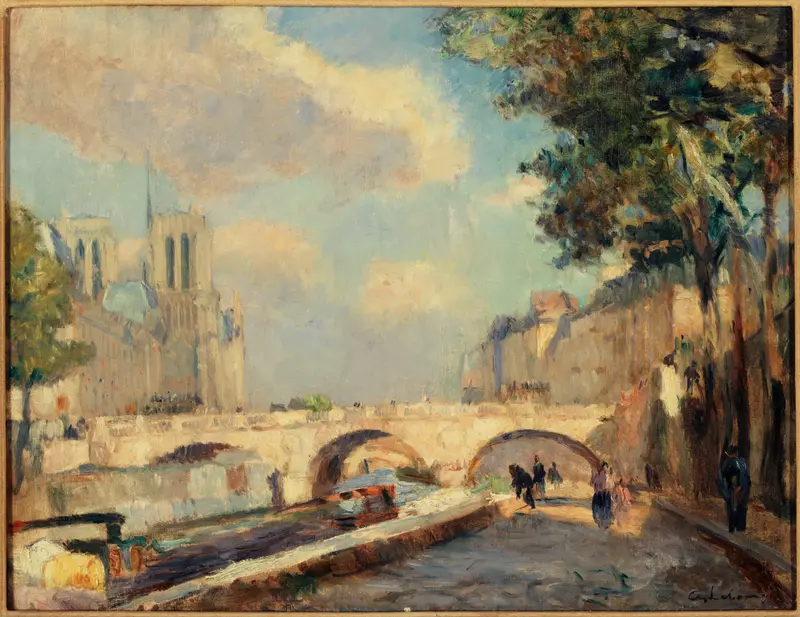
Le pont Saint Michel et Notre Dame, vus du quai des Grands Augustins P459 Musée Carnavalet
Albert Charles Lebourg
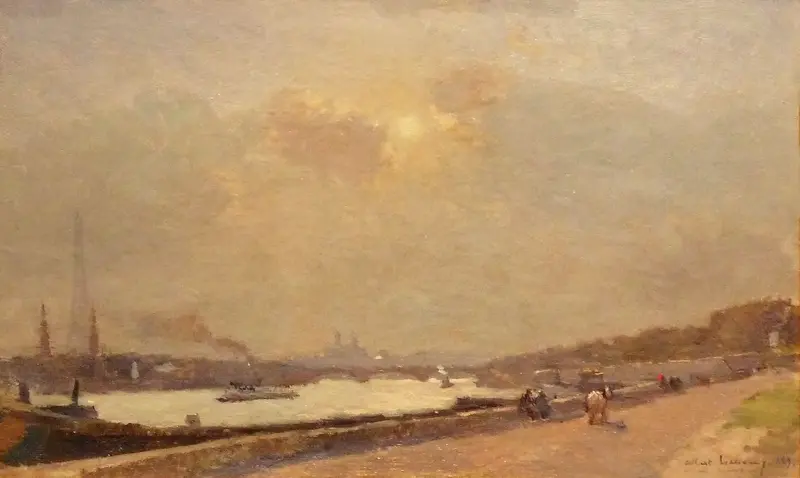
Banks of the Seine, Cours La Reine
Albert Charles Lebourg
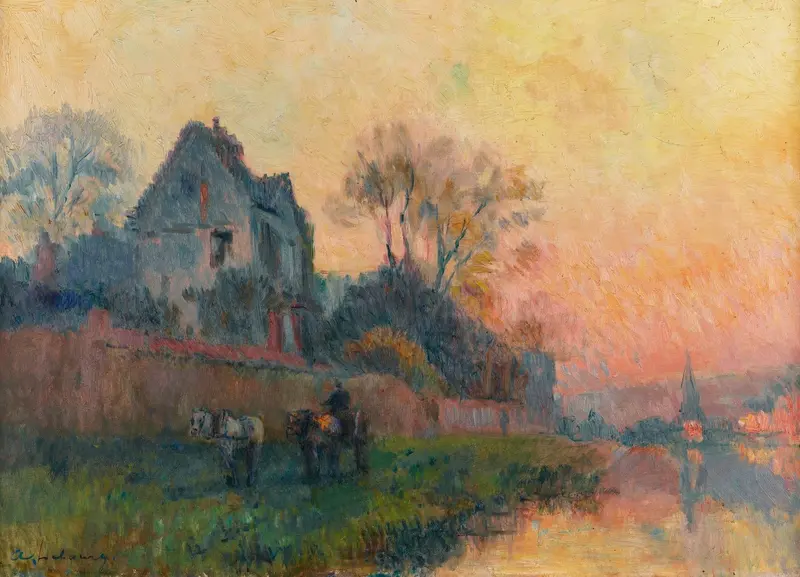
Bords de Seine à Chatou, oil on canvas, 46.4 by 65.1cm, 18.25 by 25.6 in
Albert Charles Lebourg
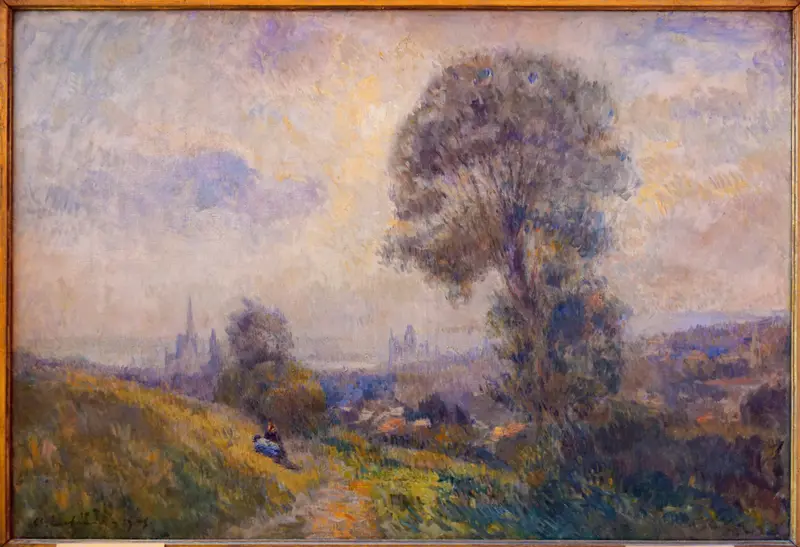
Camaret. The Harbor During a Thunderstorm
Albert Charles Lebourg
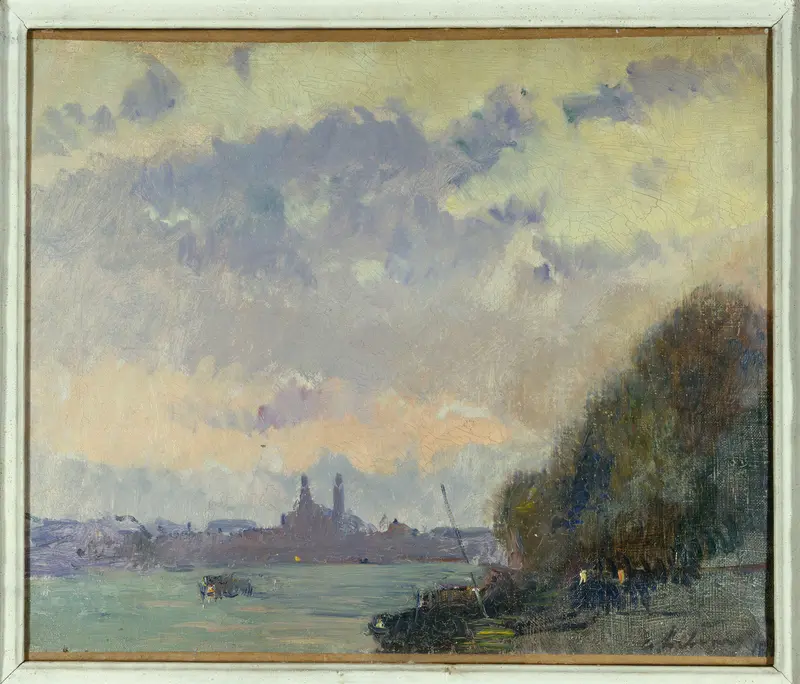
La Seine et l'ancien Trocadéro P2269 Musée Carnavalet
Albert Charles Lebourg
La Seine à Croisset, près de Rouen
Albert Charles Lebourg
More Landscape Art

The Starry Night
Vincent van Gogh

View of Delft
Johannes Vermeer

Water Lilies
Claude Monet

The Grand Canal, Venice, looking north-west from the Ca' Corner to the Ca' Contarini degli Scrigni, with the campanile of Santa Maria della Carità
Canaletto

Windsor Castle
Canaletto

The Grand Canal looking North-East from the Palazzo Dolfin-Manin to the Rialto Bridge
Canaletto