
Moulin sur la colline de Montmartre — History & Facts
In the quiet midst of a bustling world, the essence of rebirth unfolds through vibrant colors and joyous movement, inviting contemplation of life’s continual renewal. Look to the left at the inviting warmth of the sun-dappled trees, their lush greens contrasting against the soft blue sky. Notice how the light filters through the branches, casting a gentle glow on the figures below, where laughter and conversation ripple through the air. The composition balances the chaotic energy of the crowd with the serene beauty of nature, drawing the viewer's eye to the harmonious union of humanity and the landscape. Delve deeper, and you may sense the interplay of stillness and motion, where the lively brushstrokes encapsulate a moment of collective joy.
The figures, though engaged in social discourse, seem momentarily lost in their own thoughts, reflecting individual solitude within the shared experience. This delicate tension between personal reflection and communal celebration embodies the spirit of rebirth, suggesting that amidst vibrant life, quiet introspection holds profound value. Painted in 1905 in Montmartre, Renoir captured a moment reflective of Paris’s burgeoning artistic communities, rich with creativity and camaraderie. During this time, he was deeply involved in exploring the Impressionist movement, seeking to express beauty in everyday life through color and light.
The painting stands as a testament to his belief in the transformative power of art, celebrating a world in flux, eternally in bloom.
More Artworks by Pierre-Auguste Renoir
Browse all →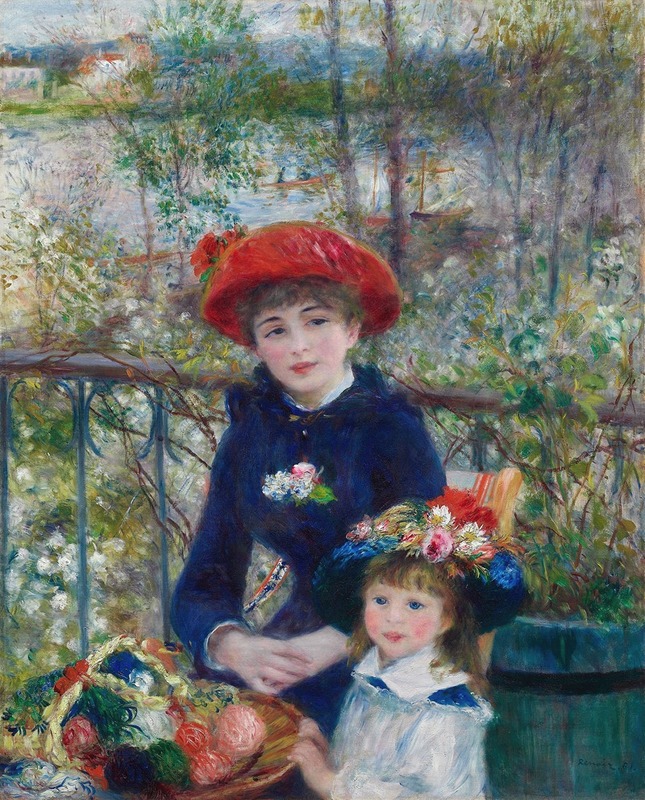
Two Sisters (On the Terrace)
Pierre-Auguste Renoir
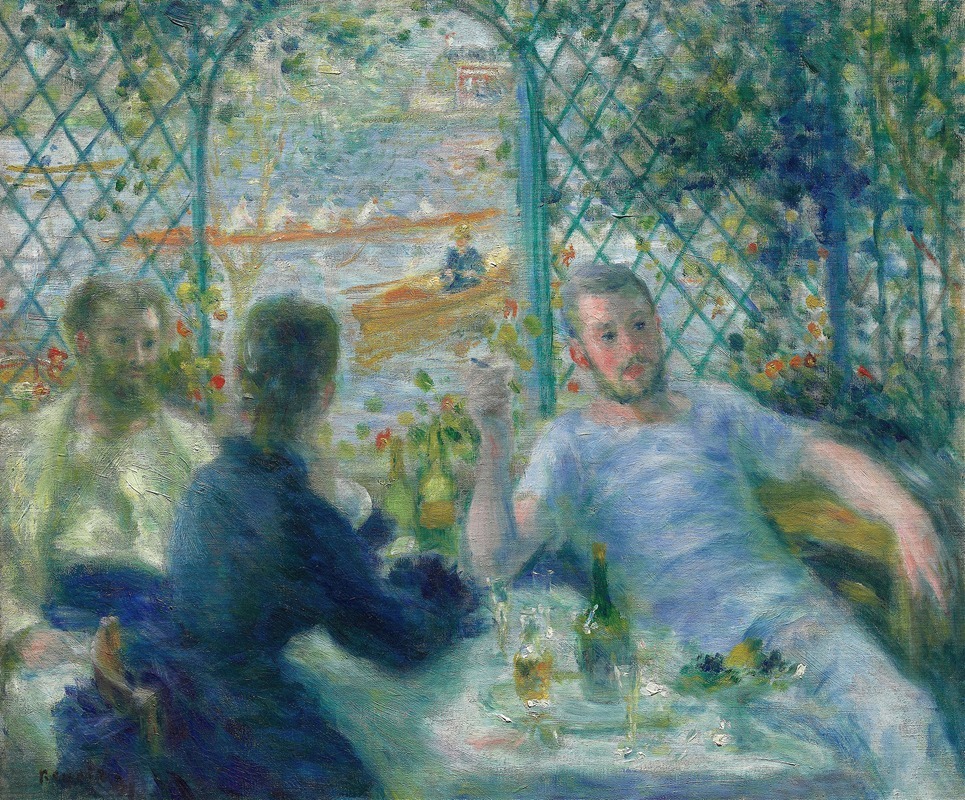
Lunch at the Restaurant Fournaise (The Rowers' Lunch)
Pierre-Auguste Renoir
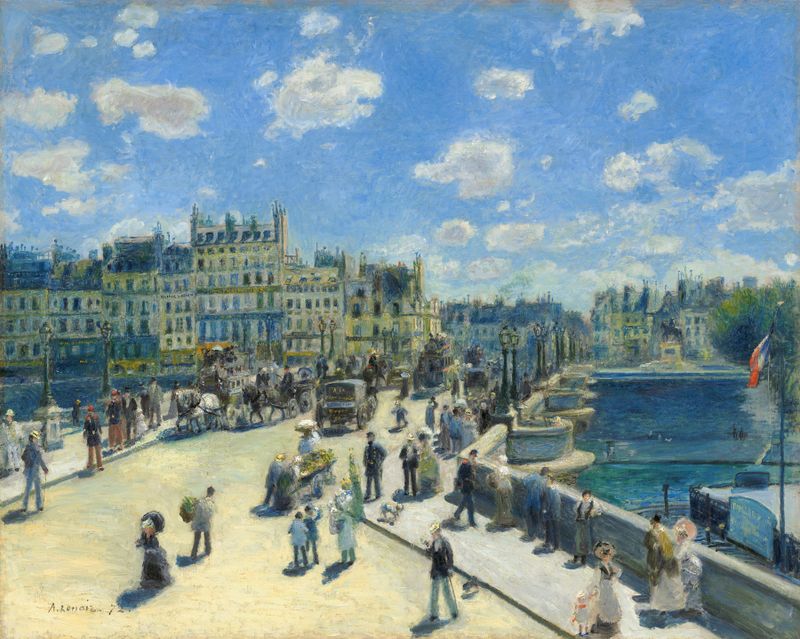
Pont Neuf, Paris
Pierre-Auguste Renoir
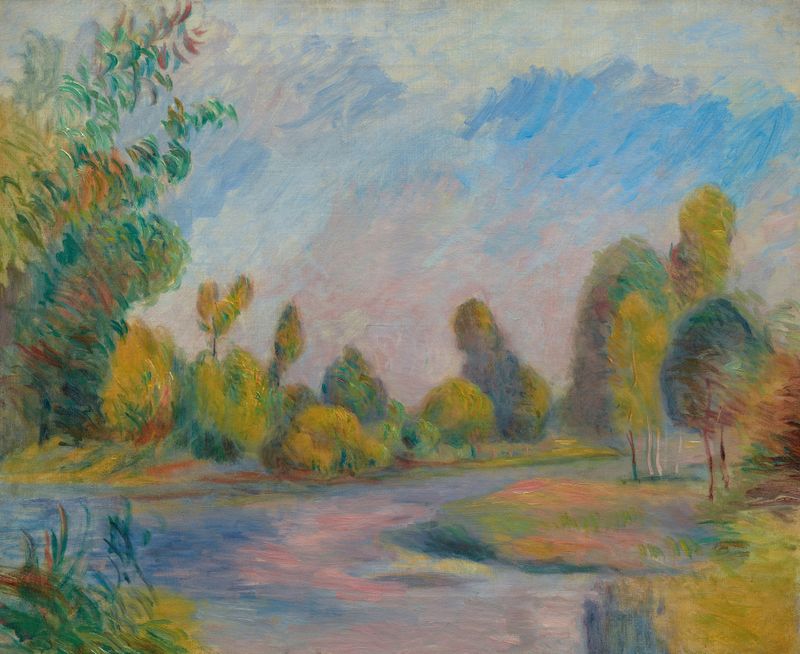
Au bord de la rivière
Pierre-Auguste Renoir

Near the Lake
Pierre-Auguste Renoir
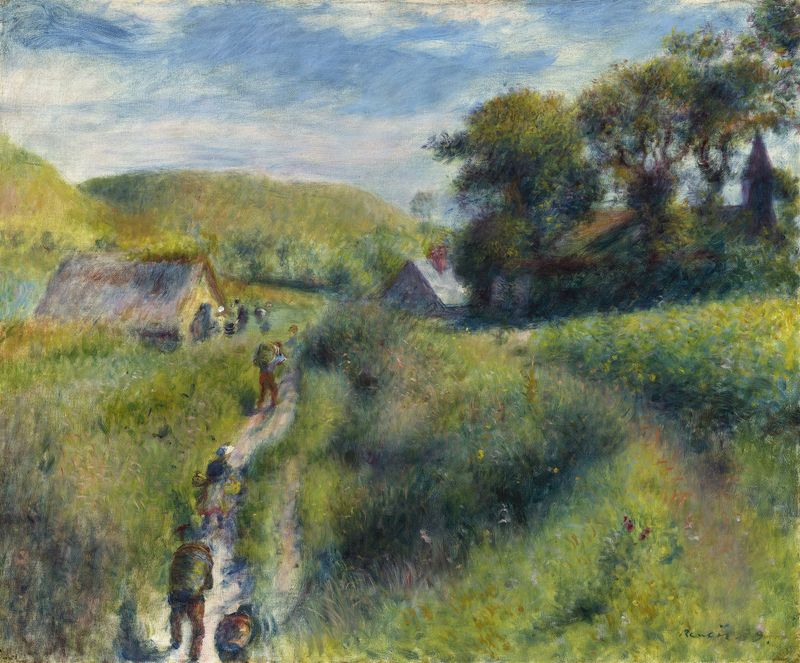
The Mussel Harvest
Pierre-Auguste Renoir

The Seine at Chatou
Pierre-Auguste Renoir
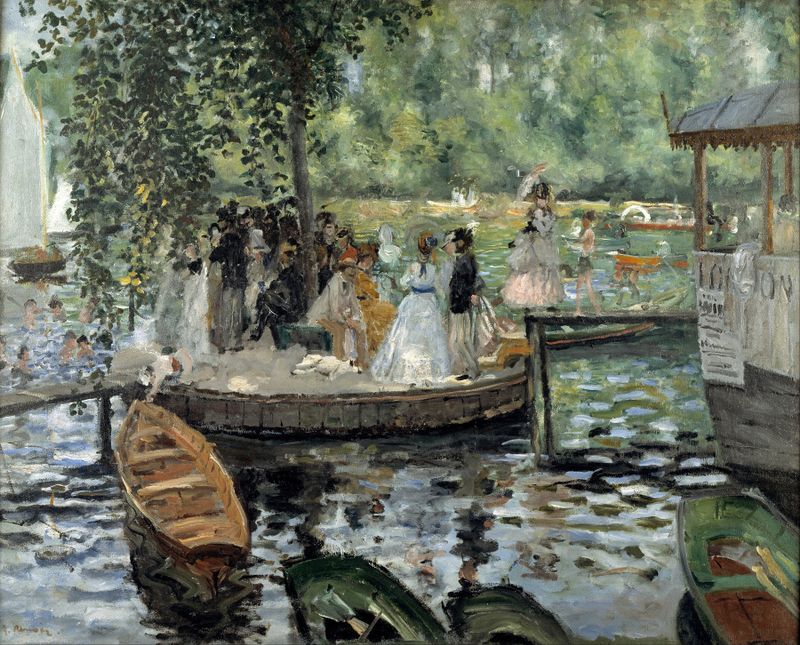
La Grenouillère
Pierre-Auguste Renoir
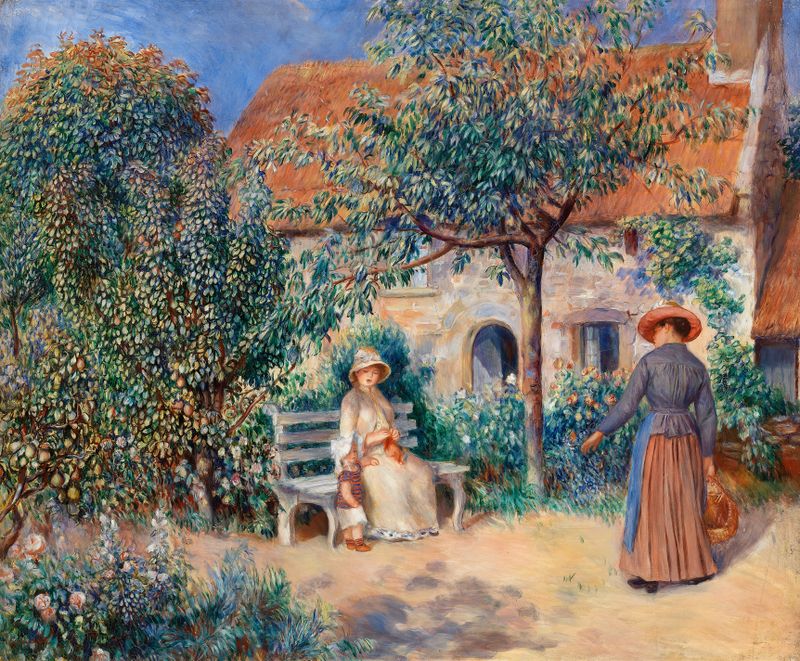
In Brittany (En Bretagne)
Pierre-Auguste Renoir
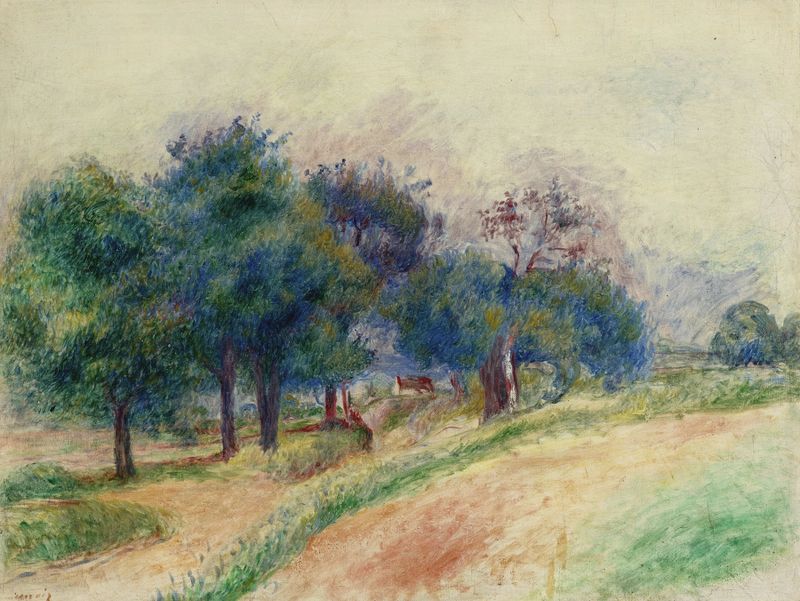
Paysage d’Essoyes
Pierre-Auguste Renoir





