Mount Washington — History & Analysis
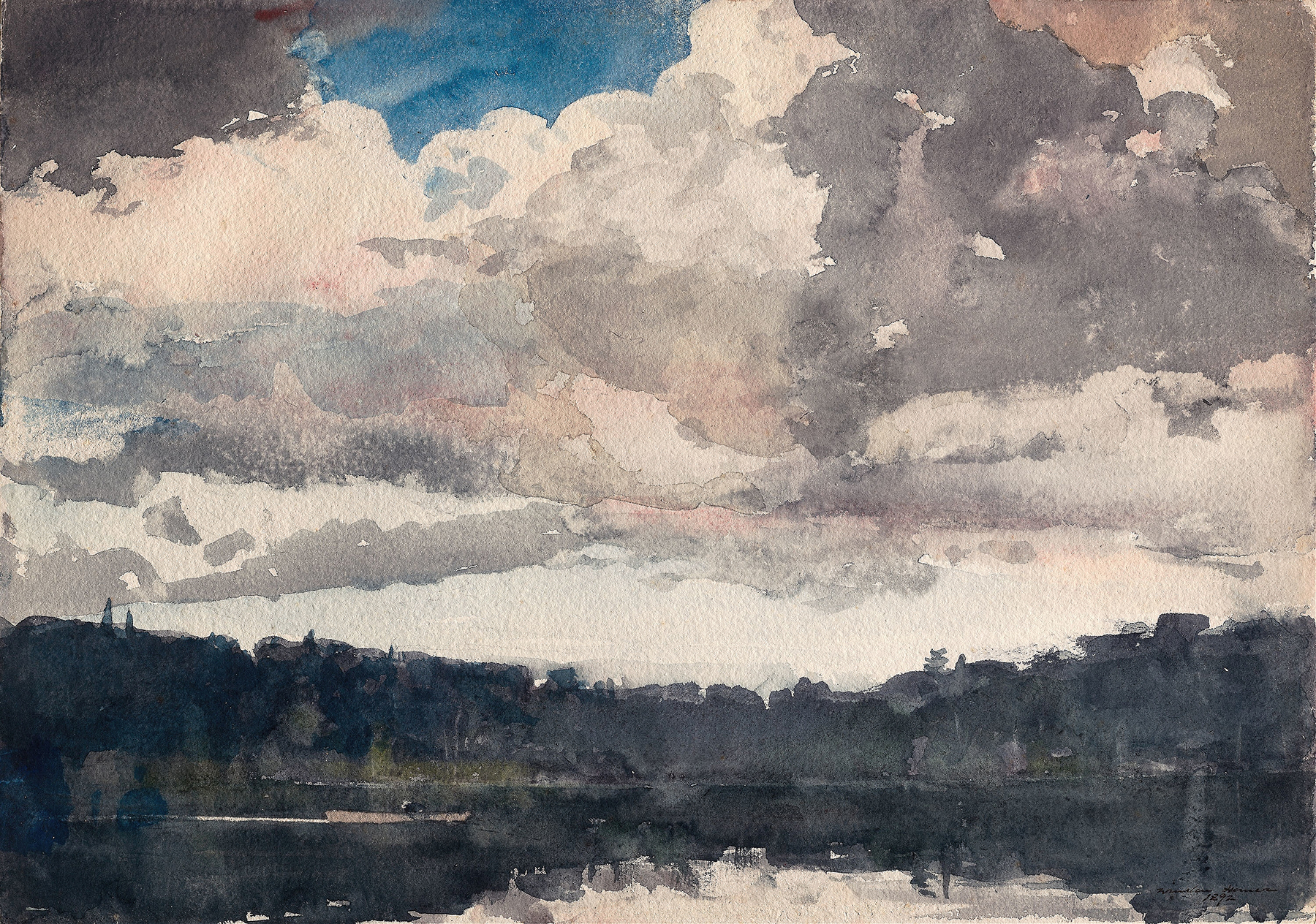
“Every silence here is a confession.” In the stillness of nature, hope emerges like a whisper, inviting the viewer to contemplate the unspoken truths hidden within the landscape. Look to the center of the composition, where the majestic Mount Washington rises against a vivid sky. The artist employs a palette of gentle greens and soft blues, contrasting with the bold, crystalline peaks that draw the eye upward. Notice how the light delicately bathes the mountain’s slopes, creating a sense of warmth juxtaposed with the coolness of the distant horizon, inviting exploration of the interplay between grandeur and tranquility.
Amidst the sweeping vistas, there lies an emotional tension between the formidable presence of the mountain and the expansive sky. This duality reflects a journey of resilience and aspiration. The distant layers of the landscape evoke a feeling of solitude, while the luminous clouds suggest that even in isolation, there exists the promise of hope and renewal — a reminder that beauty can be found in silence.
In 1869, while painting this piece, the artist was immersed in the exploration of American landscapes, as he sought to capture the essence of the natural world. This was a time of great social and artistic change, with a growing appreciation for realism and the American wilderness. Homer's experiences in the outdoors significantly influenced his work, and Mount Washington stands as a testament to his evolving vision and deep connection to the land.