
Mount Washington — History & Facts
Where does light end, and longing begin? In Mount Washington, the delicate interplay of hues and shadow invites us to ponder the truths of nature and the human spirit’s yearning for connection with the sublime. Focus first on the sweeping landscape that commands attention—the majestic peak of Mount Washington rises boldly in the background, draped in soft, ethereal light. Notice how the artist employs rich greens and blues to animate the foreground meadows, creating a vibrant contrast with the cool, distant mountains. The brushwork is both spirited and precise, guiding the viewer’s eye in a rhythmic dance across the canvas, from the intricate details of the flora to the expansive sky. The tension between the calm, inviting foreground and the imposing mountain evokes a sense of duality—the allure of nature's beauty alongside its formidable presence.
Each stroke captures not just the physical landscape but the emotional resonance of isolation and reflection. The gentle light illuminating the scene hints at both hope and melancholy, suggesting the paradox of seeking truth in a world full of natural splendor and inherent solitude. In 1869, during his time in the White Mountains of New Hampshire, the artist sought to capture the majesty of America’s landscape. This period in his life marked a transition, as he moved from primarily depicting human figures to embracing the vastness of nature.
The backdrop of increasing national identity and the burgeoning American art movement informed his vision, allowing him to blend realism with a more profound exploration of the connection between humanity and the environment.
More Artworks by Winslow Homer
Browse all →
The Gulf Stream
Winslow Homer
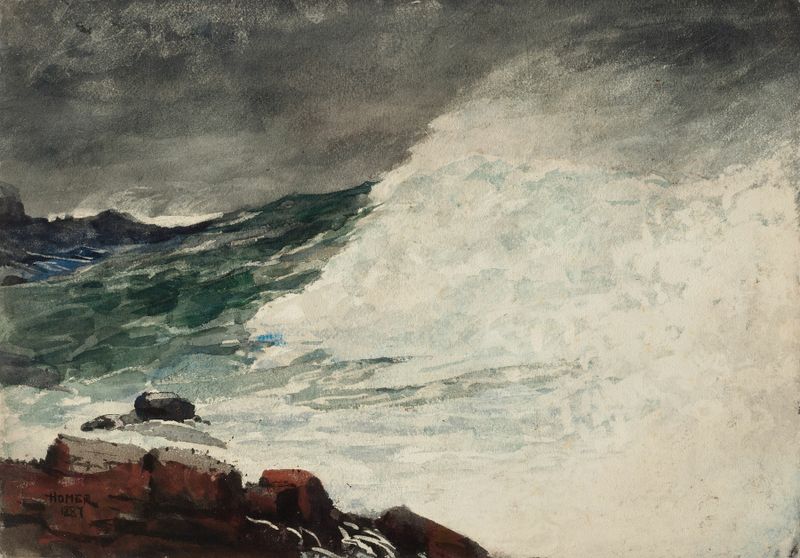
Prout’s Neck, Breaking Wave
Winslow Homer
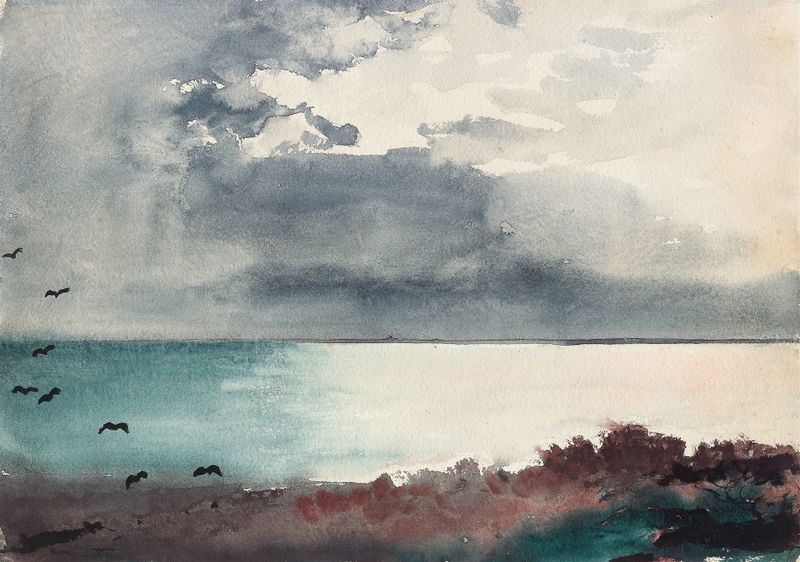
Breaking Storm, Coast of Maine
Winslow Homer
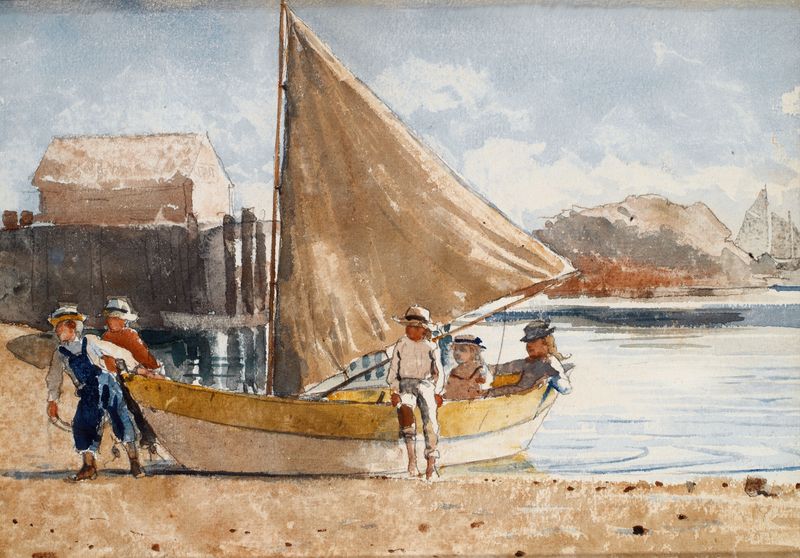
Summertime
Winslow Homer
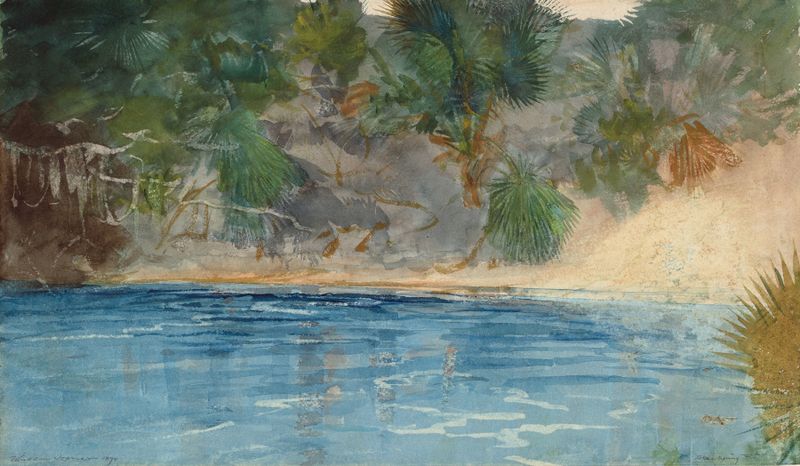
Blue Spring, Florida
Winslow Homer
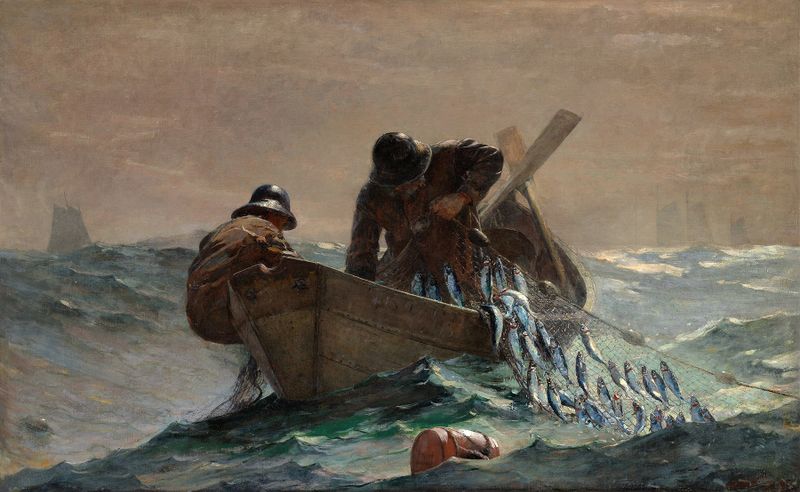
The Herring Net
Winslow Homer
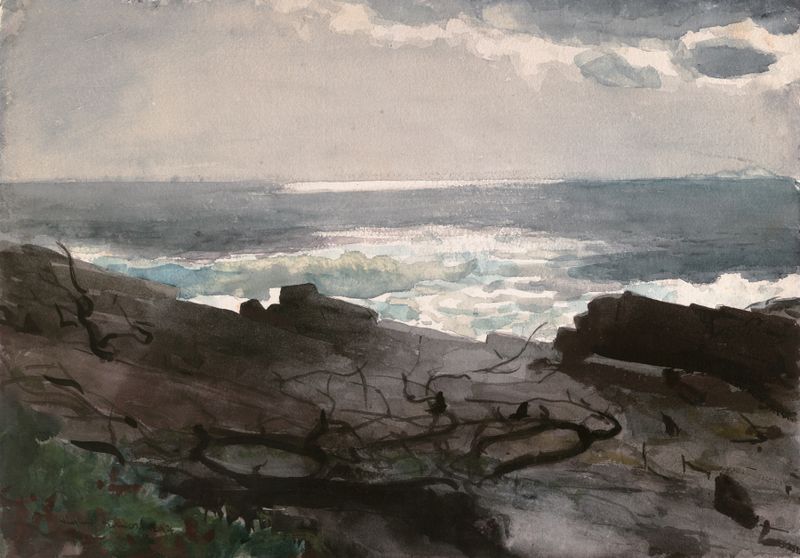
Sunshine and Shadow, Prout’s Neck
Winslow Homer
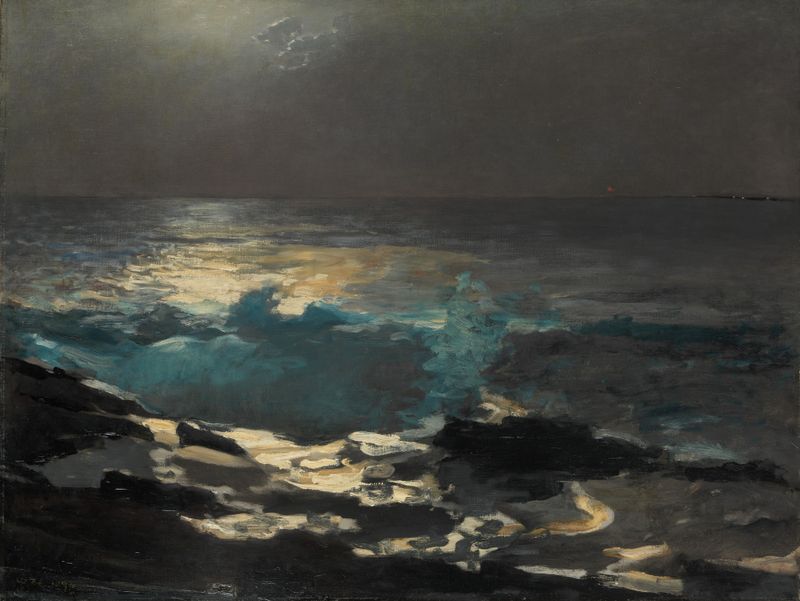
Moonlight, Wood Island Light
Winslow Homer
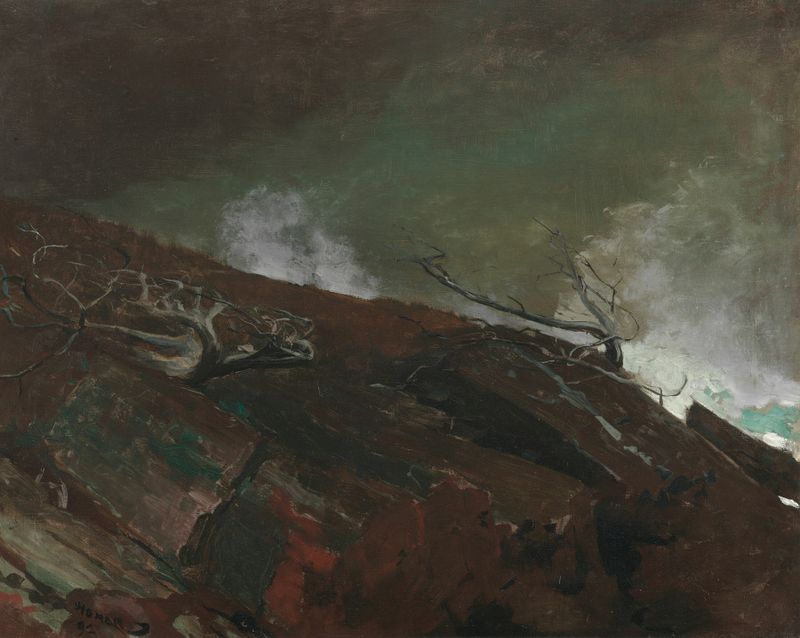
Coast of Maine
Winslow Homer
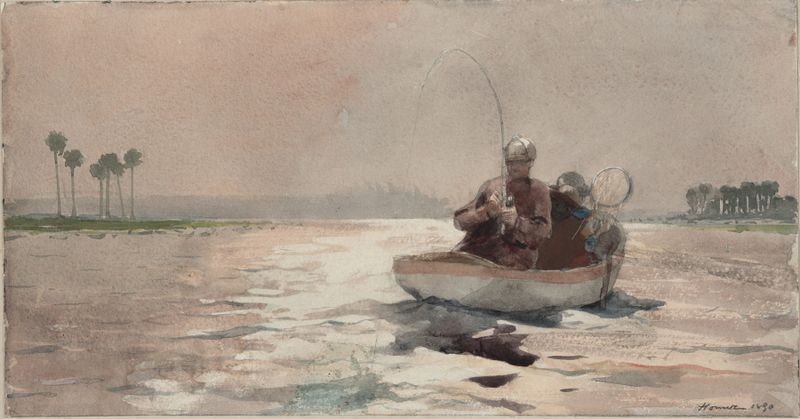
Bass Fishing – Florida
Winslow Homer





