
Mountain Brook — History & Facts
In its stillness, it captures a moment brimming with the promise of what is yet to come, a whisper of hope cloaked in nature's embrace. Look to the left at the lush greenery that flourishes along the bank, its vibrant greens contrasted by the soft browns of the rocky terrain. The brook meanders through the scene, its crystal waters reflecting the azure sky above. Notice how the light dances across the surface, creating a shimmering pathway that beckons the viewer to follow into the depths of the landscape.
The grand mountains rise majestically in the background, their snow-capped peaks brushing against the clouds, and framing the tranquil scene with an aura of both majesty and serenity. Bierstadt’s use of light effectively illustrates the contrast between the dynamic energy of the water and the resolute calm of the mountains. The brook symbolizes a journey, a passage of time, while the towering peaks represent permanence and stability. Such contrasts evoke a sense of duality — the transitory nature of life against the enduring beauty of the world.
A delicate balance is struck between the tumultuous flow of the water and the steadfastness of the mountains, inviting contemplation on the nature of hope as it flows through the human experience. In 1863, Bierstadt was working during a significant period in the American art scene, marked by the Hudson River School's influence and a growing fascination with the American wilderness. Residing in New York City, he began to travel westward, inspired by the untamed landscapes he encountered. This particular work reflects his desire to convey not just the beauty of nature, but to instill a sense of hope and adventure in a nation on the brink of profound change.
More Artworks by Albert Bierstadt
Browse all →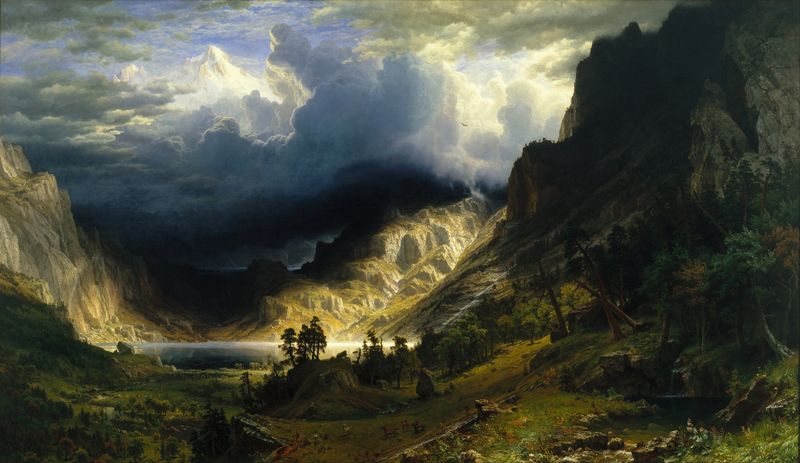
A Storm in the Rocky Mountains, Mt. Rosalie
Albert Bierstadt
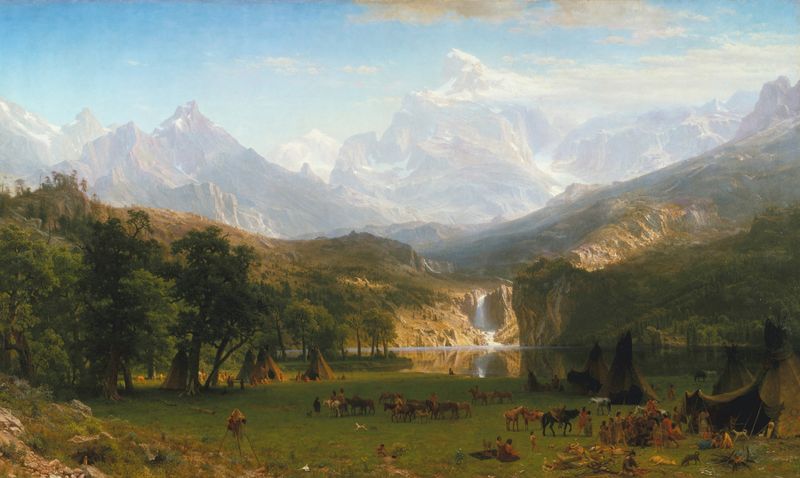
The Rocky Mountains, Lander’s Peak
Albert Bierstadt
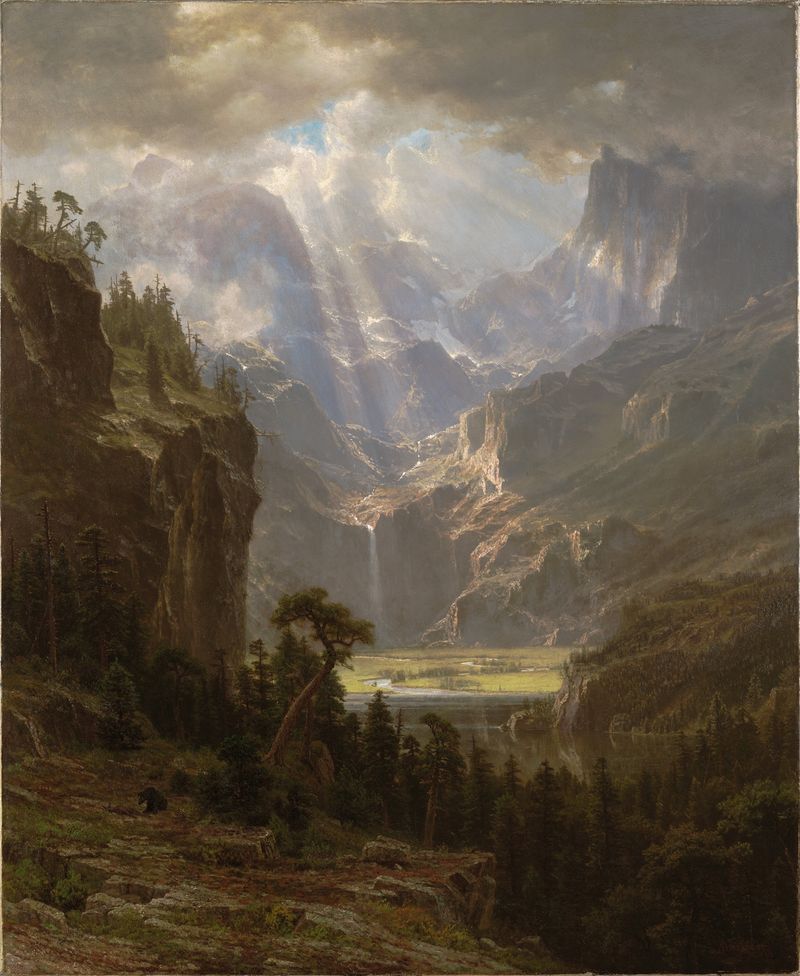
Rocky Mountains, Lander’s Peak
Albert Bierstadt
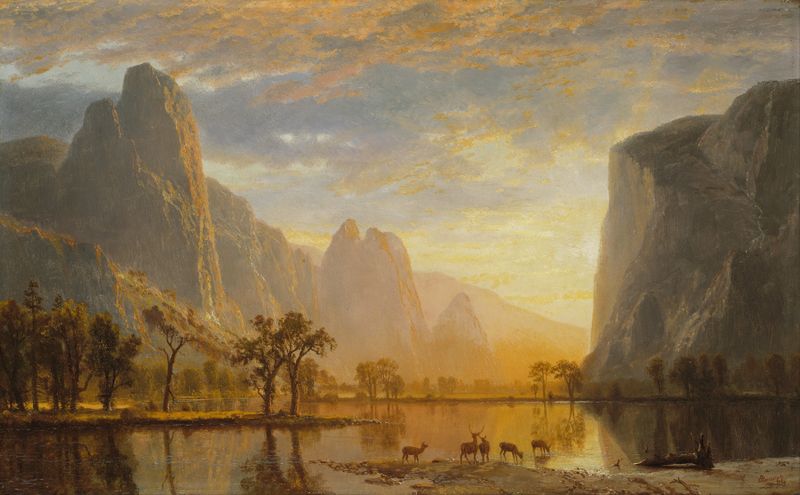
Valley of the Yosemite
Albert Bierstadt
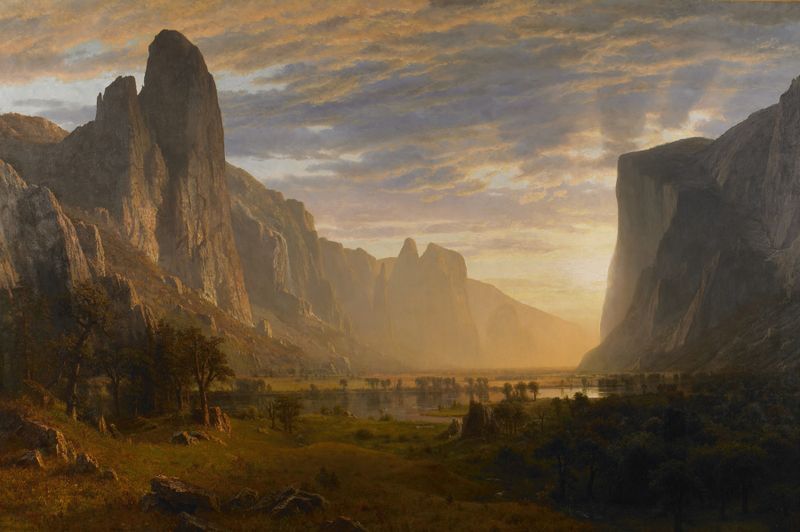
Looking Down Yosemite Valley, California
Albert Bierstadt
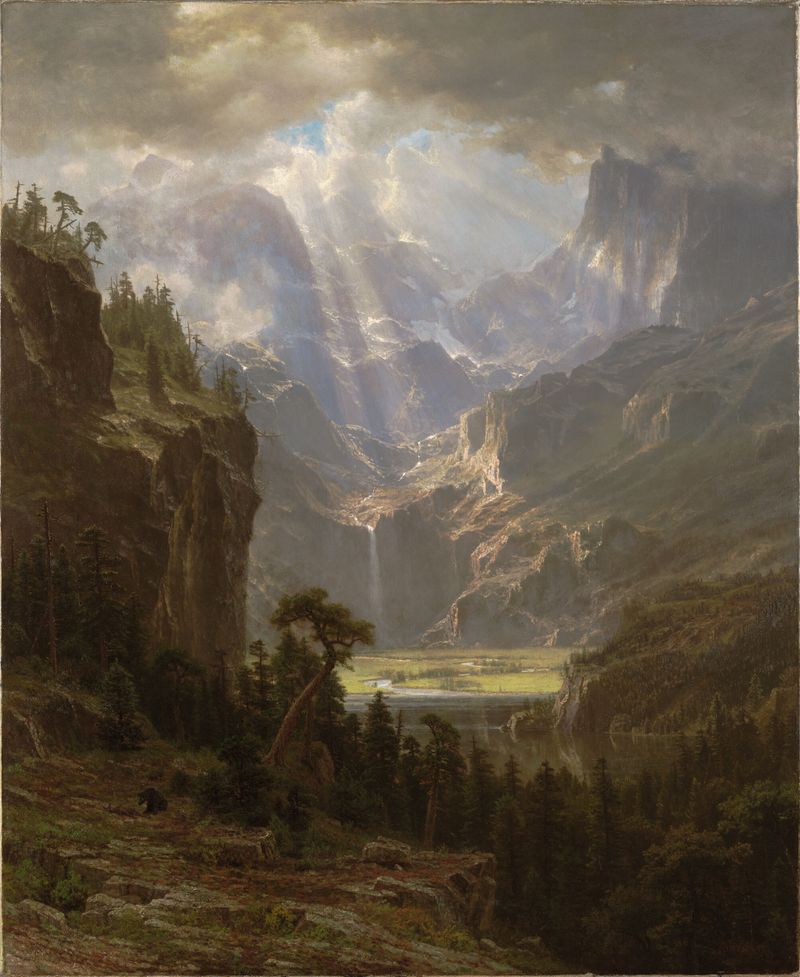
Rocky Mountains, "Lander's Peak"
Albert Bierstadt
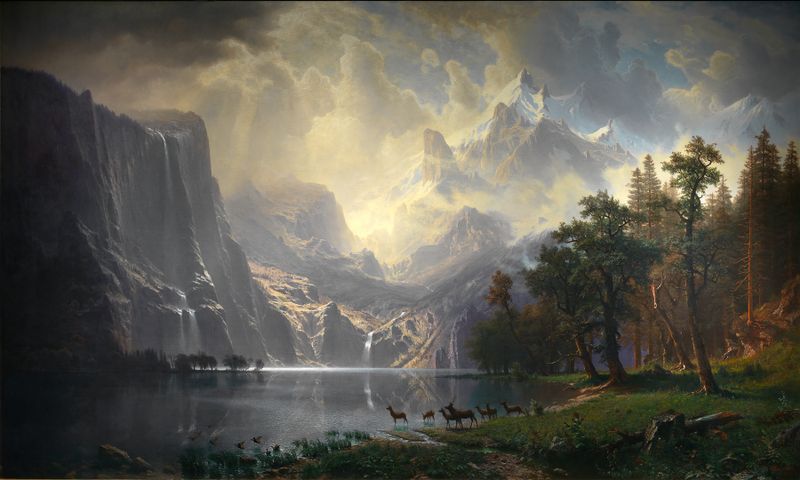
Among the Sierra Nevada, California
Albert Bierstadt
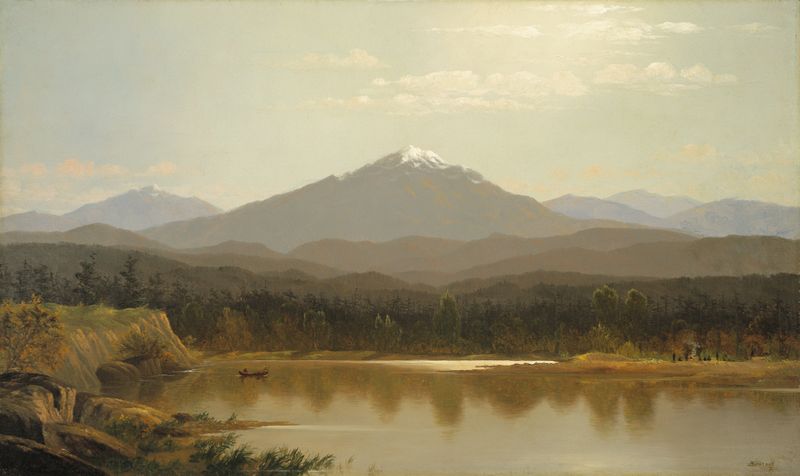
Laramie Peak
Albert Bierstadt
Nevada Falls, Yosemite
Albert Bierstadt
Yellowstone Falls
Albert Bierstadt





