Mountain Landscape with a Lake — History & Analysis
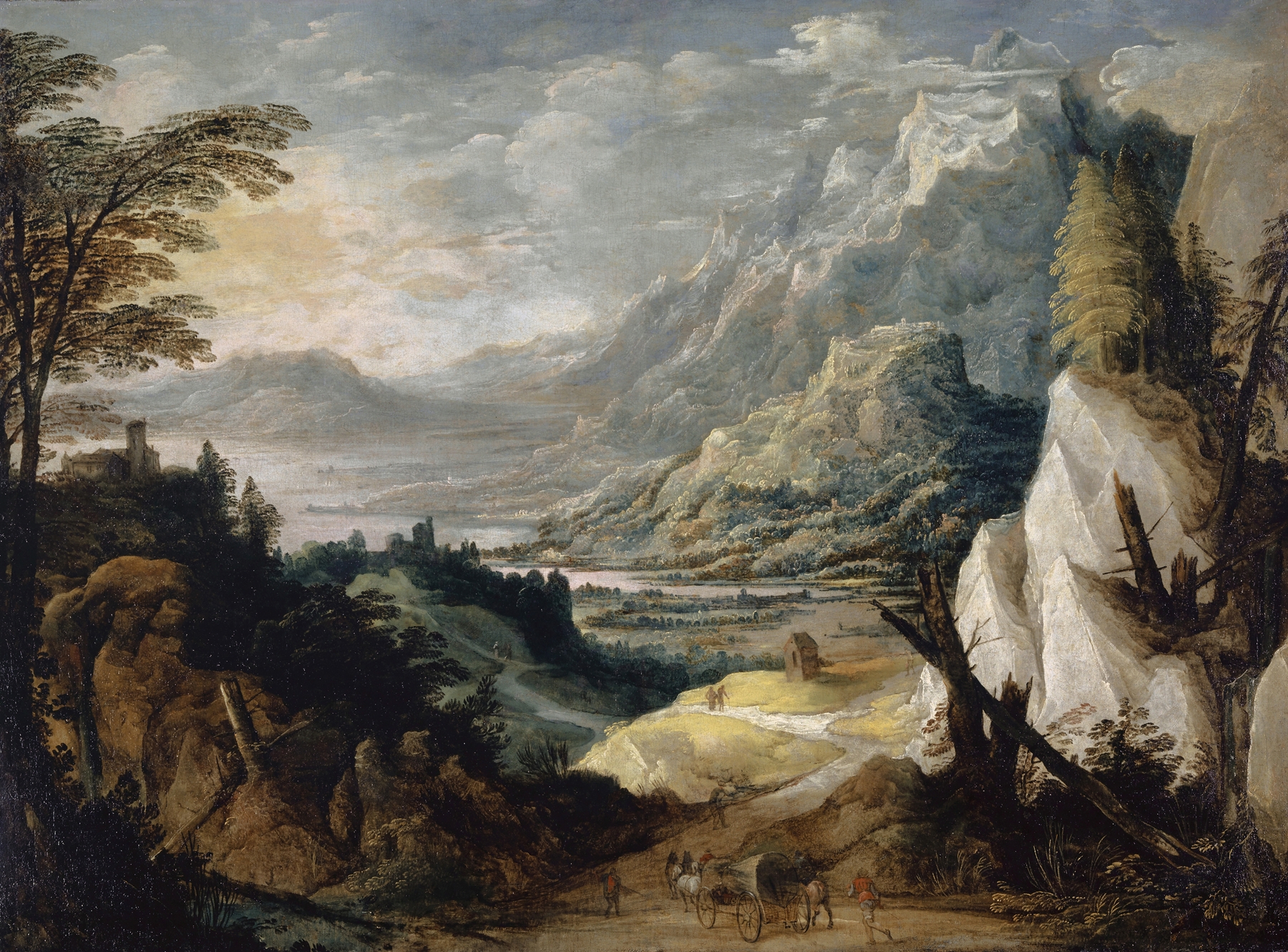
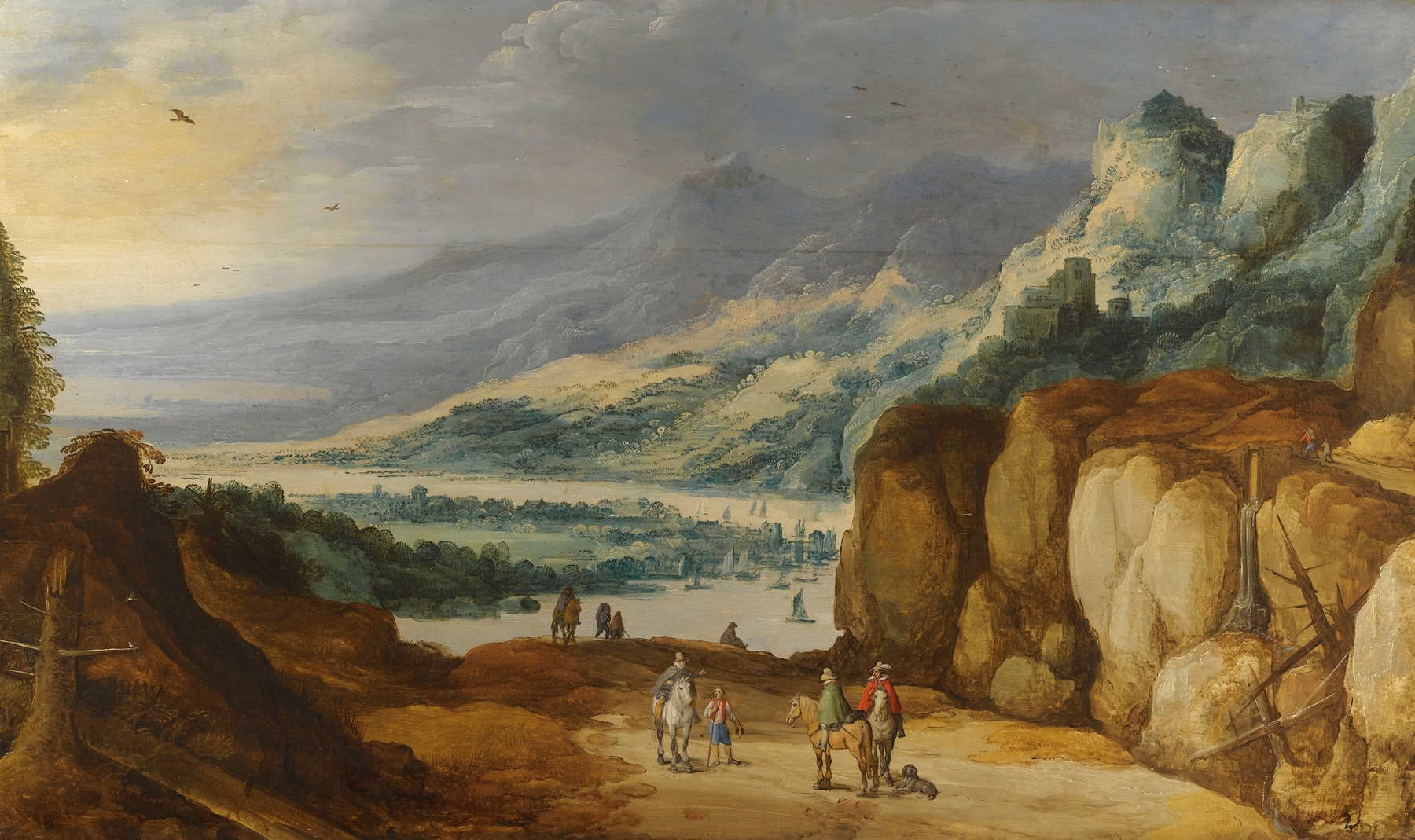
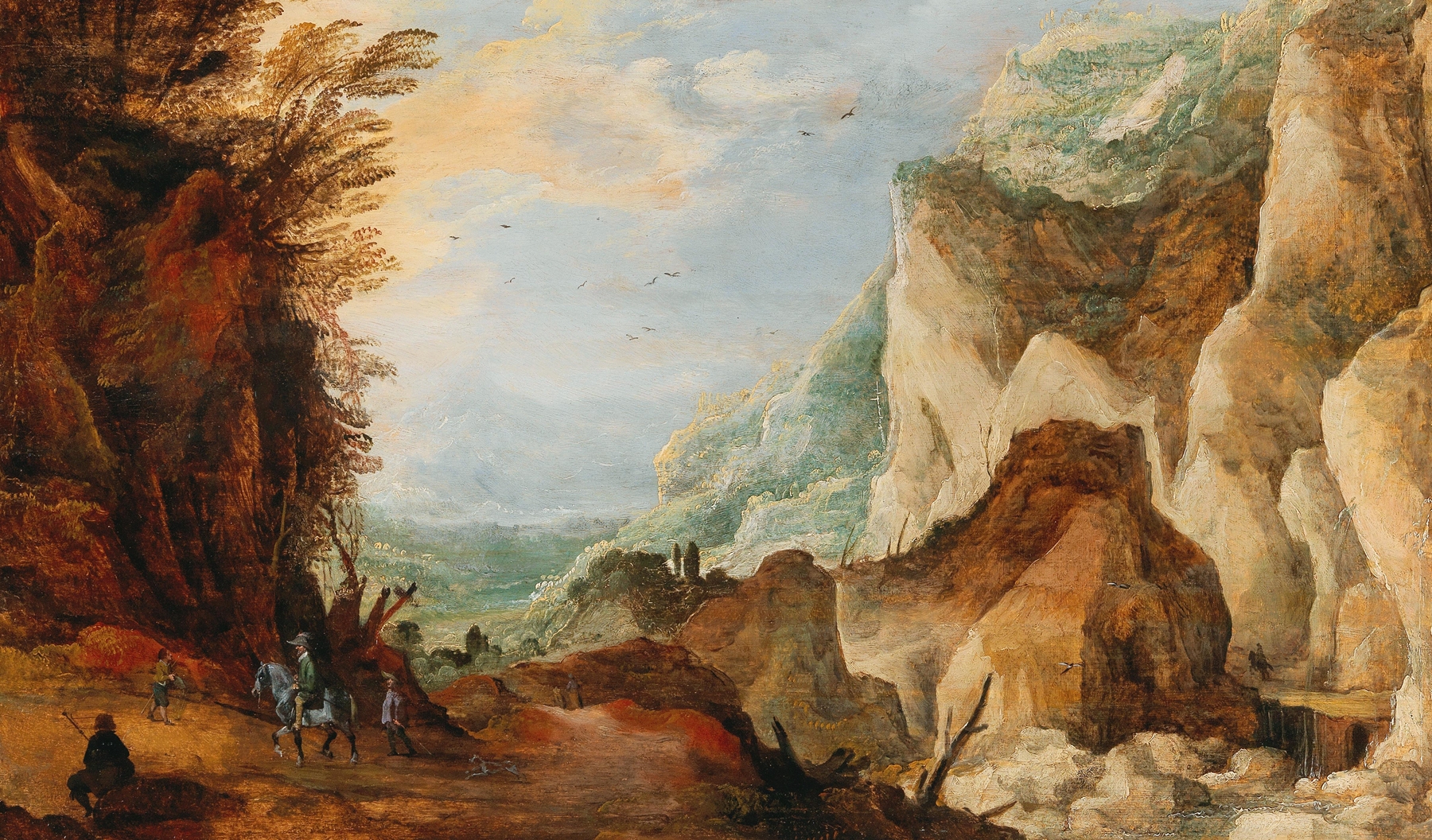
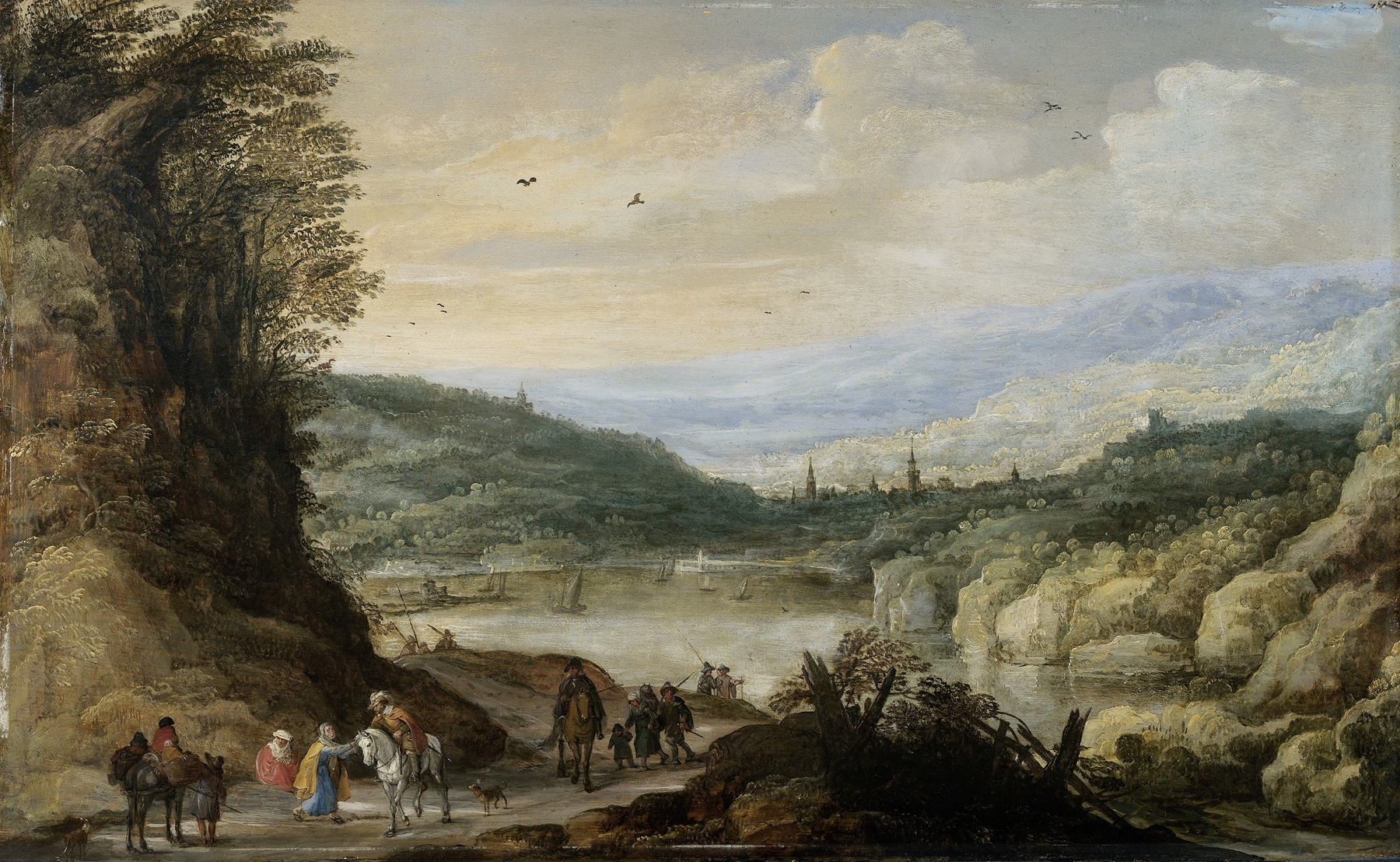
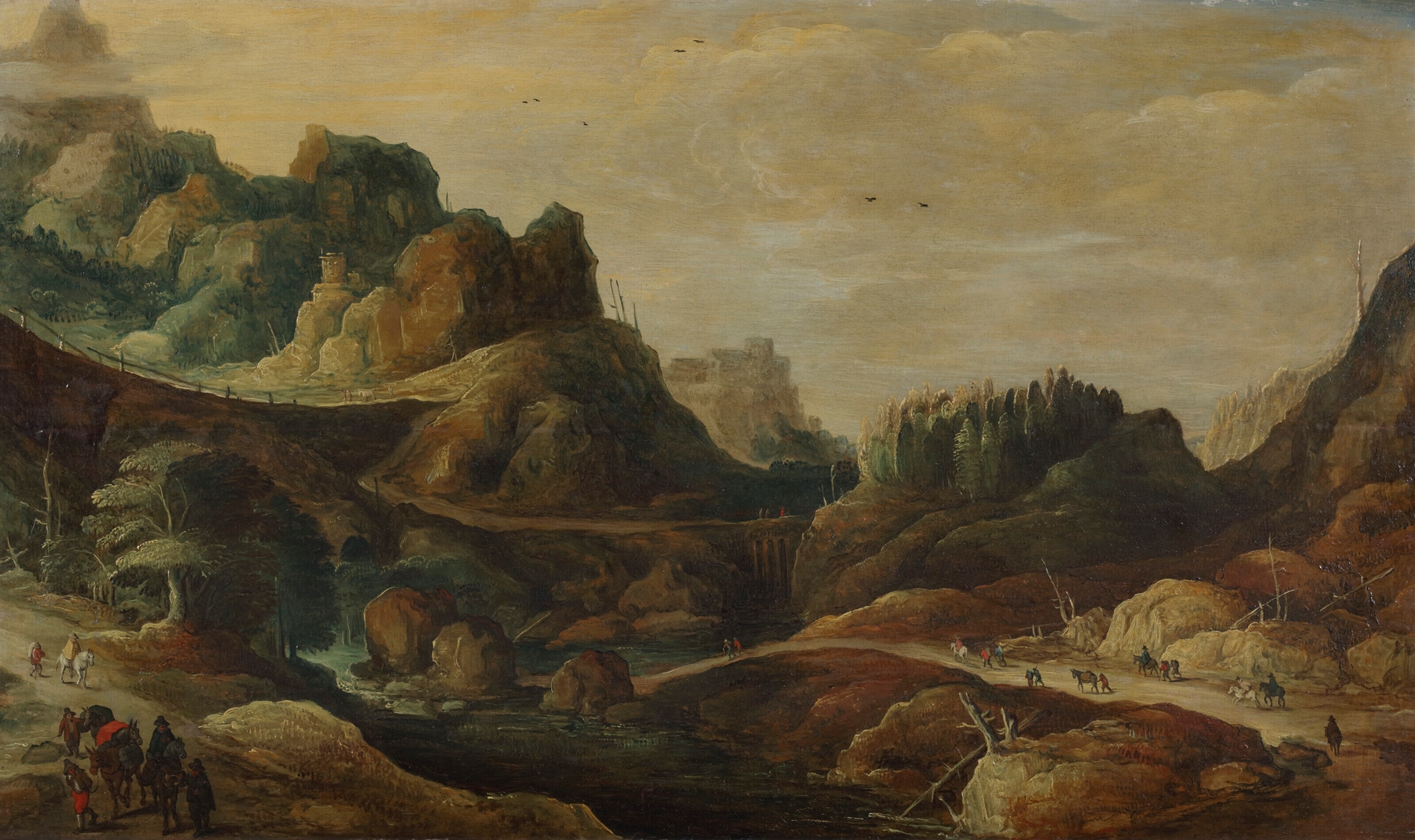
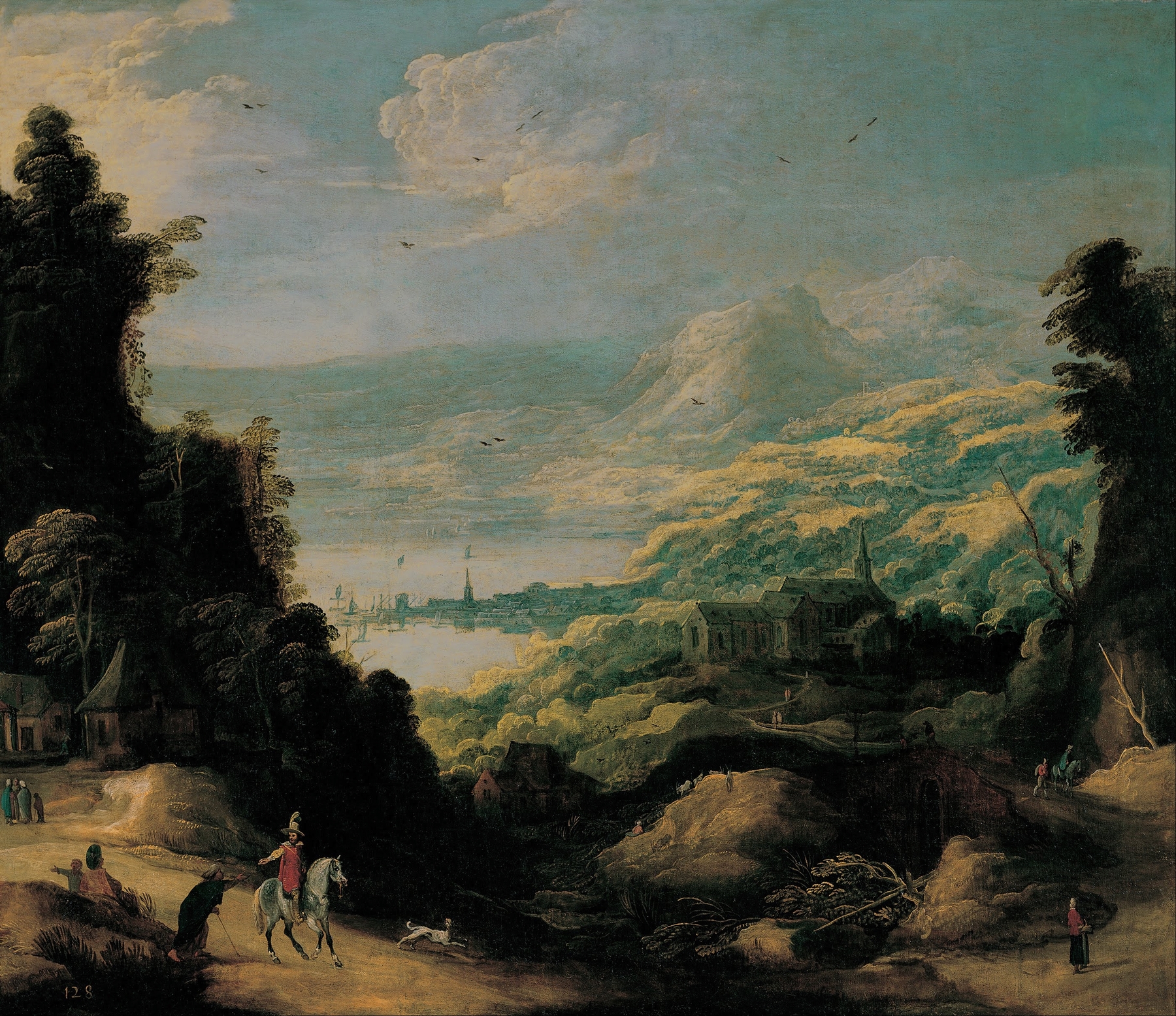
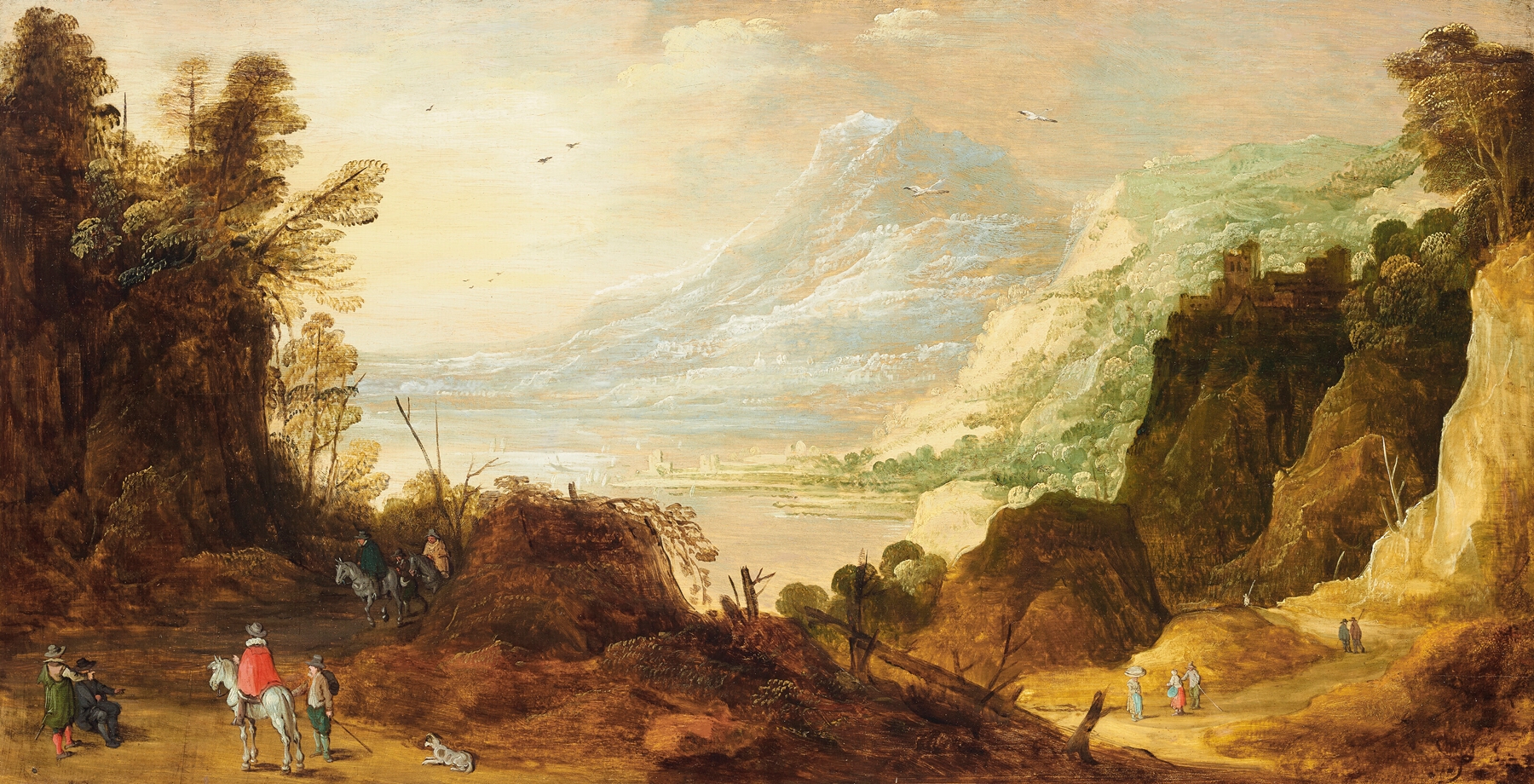
“The canvas doesn’t lie — it simply waits.” In this stillness, an intricate dialogue unfolds between nature and the viewer, with the profound echo of mortality nestled within the brushstrokes. Look to the left at the serene expanse of the lake, capturing the reflective tranquility of the surrounding mountains. Notice how the gentle ripples distort the mirrored image of the towering peaks, evoking a sense of duality and transience. The palette of earthy greens and deep blues coalesces with soft, luminous whites, enhancing the natural beauty while simultaneously hinting at ephemeral moments.
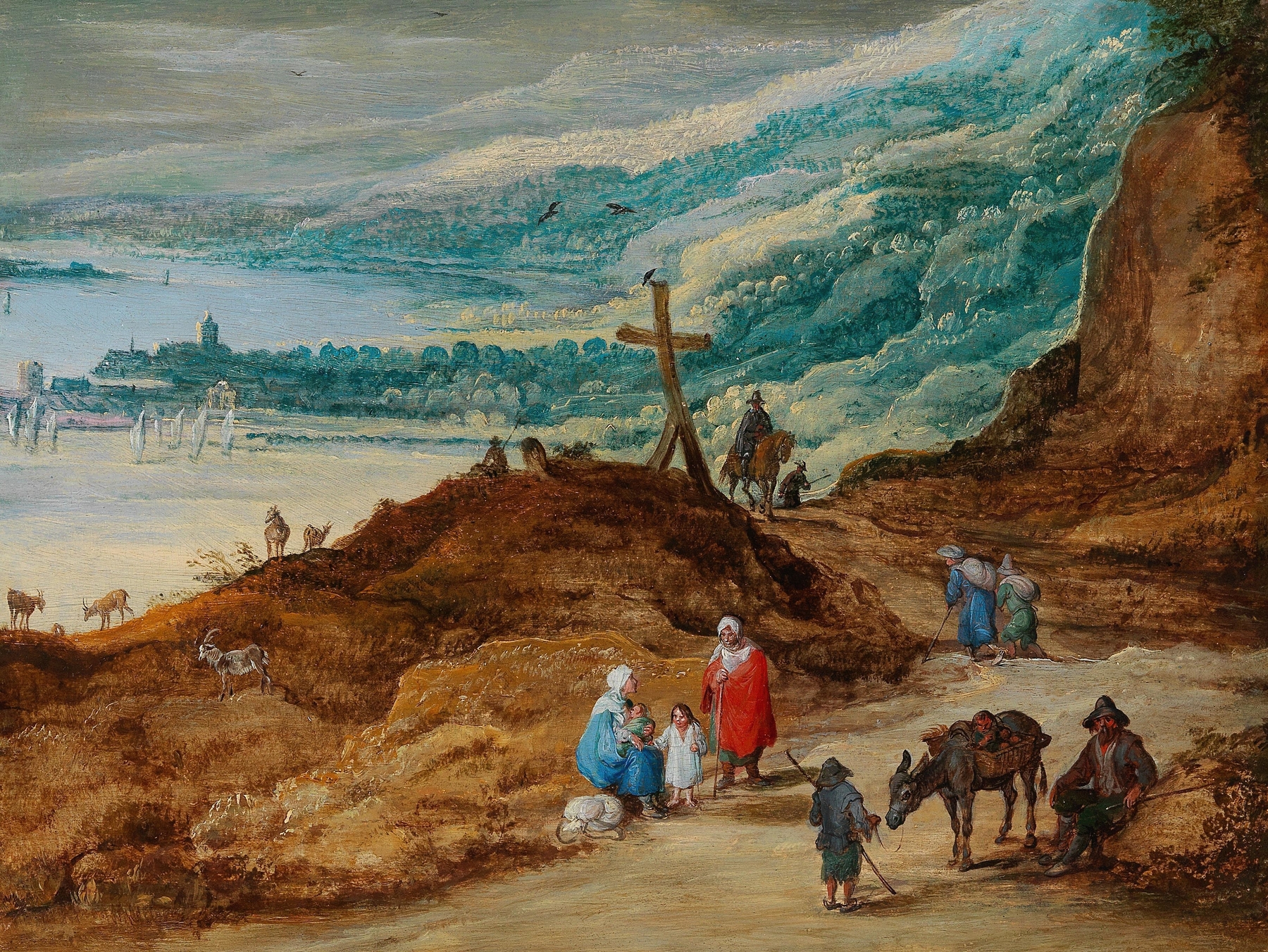
The composition draws the eye upward, where clouds seem to dance in the vast sky, urging contemplation of the infinite. Beneath the surface, the painting silently weaves themes of mortality and permanence, inviting viewers to ponder the fleetingness of life. The juxtaposition of the majestic mountains—symbols of endurance—against the delicate water’s edge hints at the fragile balance between existence and oblivion. Each detail, from the minuscule figures traversing the landscape to the shimmering light, embodies the transitory nature of human experience embedded within the eternal embrace of nature.
During the years 1597 to 1625, Joos de Momper was creating in a world where the Baroque was beginning to take hold, and landscapes like this became a means of exploring human emotions and the sublime. He was influenced by the Renaissance’s focus on perspective and realism, which allowed him to blend meticulous detail with expansive views. This period marked a transformative moment for artists, as they sought to depict not just the beauty of the earth, but also the deeper existential themes that it inspires.