
Moving Mists — History & Facts
When did color learn to lie? The vibrant hues of blue and green dance across the canvas, masking an inherent sadness—a beauty that conceals the weight of loss. Focus on the swirling mists that dominate the composition, a delicate interplay of light and shadow. Notice how the soft brushstrokes create a sense of movement, as if the landscape itself is breathing. The distant hills fade into the fog, their outlines blurring, evoking a sense of uncertainty.
The artist's choice of muted earth tones contrasts with the bright, ethereal sky, suggesting a tension between hope and despair. Within the layers of mist lies a reflection on transience; the fleeting beauty of nature hints at the inevitable passage of time. The juxtaposition of vibrant colors against the obscured details symbolizes the struggle to grasp what is slipping away. Each stroke captures not just the physical landscape but also the emotional landscape of loss, inviting viewers to contemplate what remains when clarity fades. Copley Fielding painted Moving Mists in 1848, a time when he was firmly established in the English watercolour scene.
This period was marked by a growing appreciation for landscapes, capturing both the sublime beauty and the melancholic undertones of the natural world. Fielding's work resonates with the Romantic movement, reflecting societal shifts towards introspection and the exploration of emotion through art.
More Artworks by Copley Fielding
Browse all →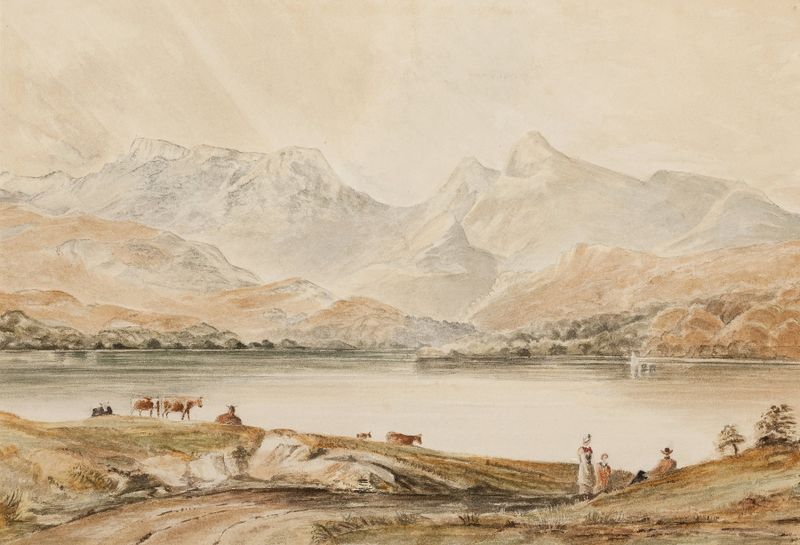
Loch Awe, Scotland
Copley Fielding
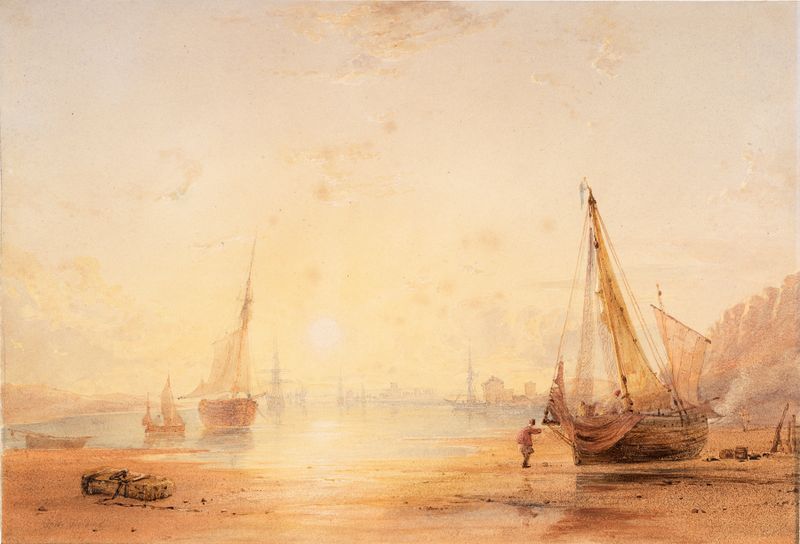
Shoreham Harbour, Sussex
Copley Fielding

Crowborough Hill
Copley Fielding
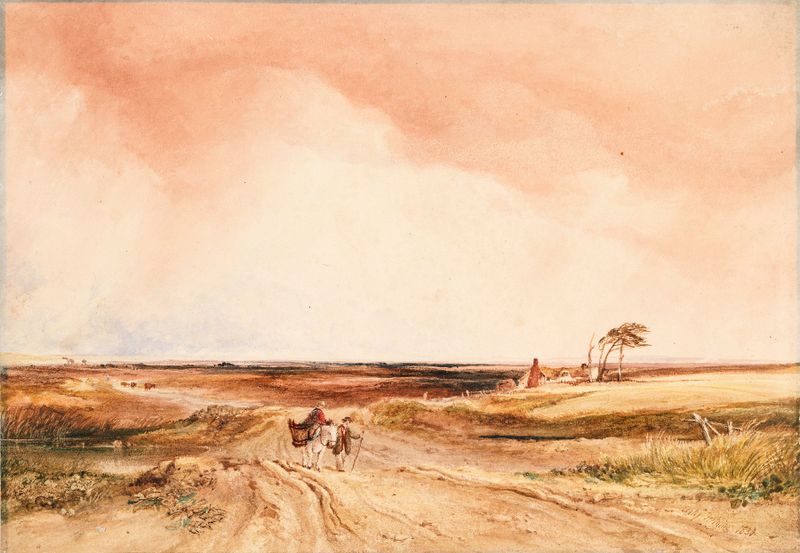
The Wash of Cumberland (Cumbria)
Copley Fielding
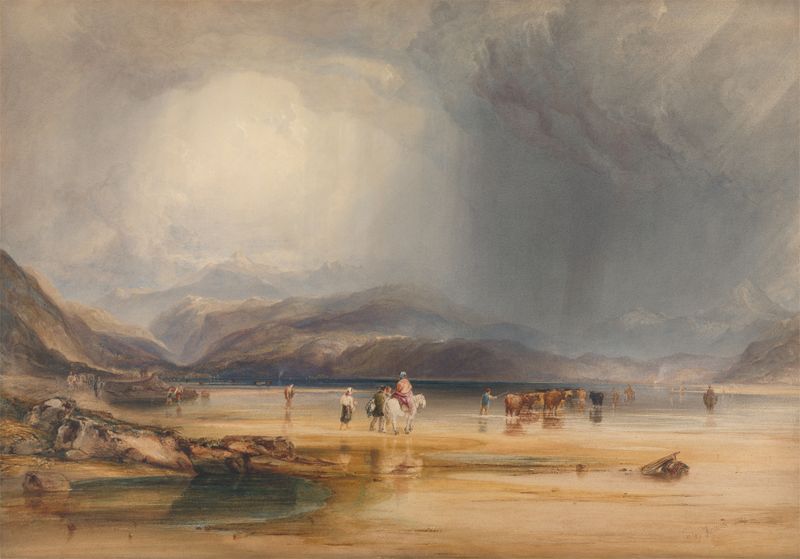
A View of Snowdon from the Sands of Traeth Mawr, taken at the Ford Between Pont Aberglaslyn and Tremadoc
Copley Fielding
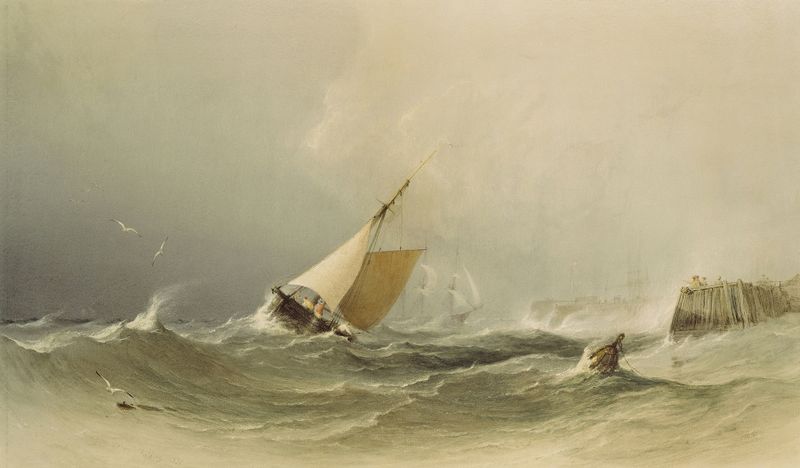
Bridlington Harbour
Copley Fielding
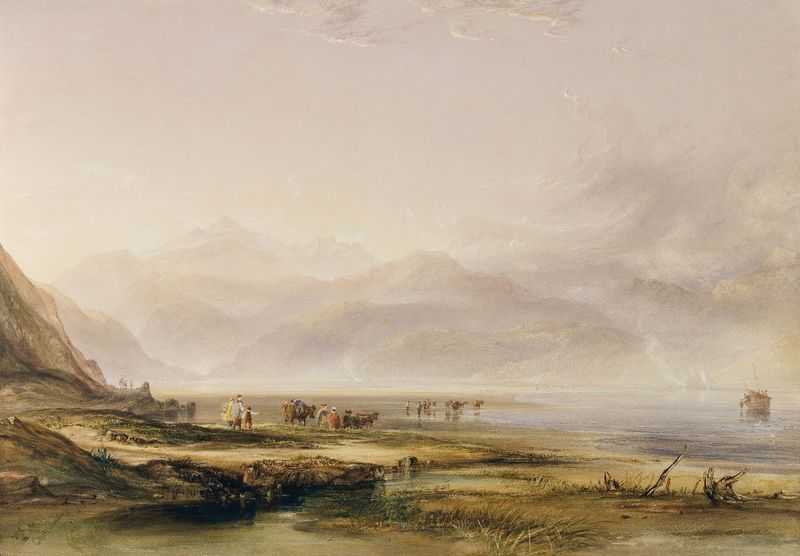
Traeth Mawr
Copley Fielding

The Head of Glencoe, North Argyll, Scotland
Copley Fielding
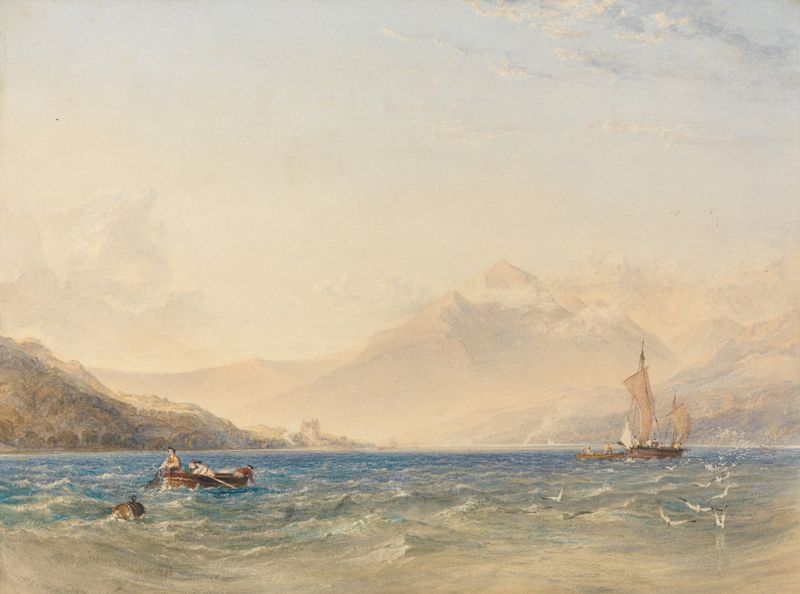
The Head of Loch Fyne, with Dindarra Castle
Copley Fielding
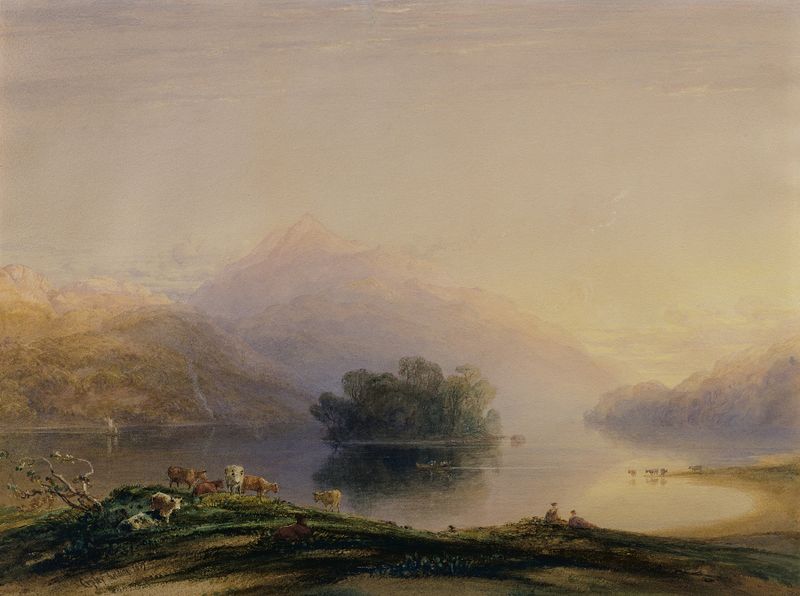
Loch Katrine
Copley Fielding





