
Mrs Rabbit's Shop — History & Facts
A hush of domestic industry fills the burrow as Mrs. Rabbit, wrapped in her shawl, presides over her shop with a quiet authority. The table is set with neat parcels and rounds of what might be cakes or cheese, each object rendered with a gentle precision that makes the everyday feel quietly important.
Three young rabbits—Flopsy, Mopsy, and Cotton-tail—sit in a row, their ears alert, their eyes fixed on their mother’s hands, as if waiting for a lesson or a treat. Above, bunches of herbs hang to dry, and a small sign proclaims “Tea & Tobacco,” a detail that hints at the burrow’s double life as both home and place of business. The palette is soft and earthy, the lines delicate, drawing the viewer into the warmth and order of this underground world. Created in 1904 for The Tale of Benjamin Bunny, this illustration by Beatrix Potter belongs to a tradition of children’s book art that flourished in late Victorian and Edwardian England.
Potter’s work stands out for its blend of natural observation and gentle fantasy—her animals move and work as people do, yet retain the alertness and anatomy of real creatures. Such images were cherished by families and educators alike, valued for their ability to enchant while quietly instructing. The world that produced Mrs Rabbit's Shop was one in which illustrated storybooks were both a commercial and cultural phenomenon, and Potter’s careful watercolors helped define the look and feel of childhood for generations.
Look again at Mrs. Rabbit’s steady gaze—there is a whole world of care and resourcefulness behind those eyes.
More Artworks by Beatrix Potter
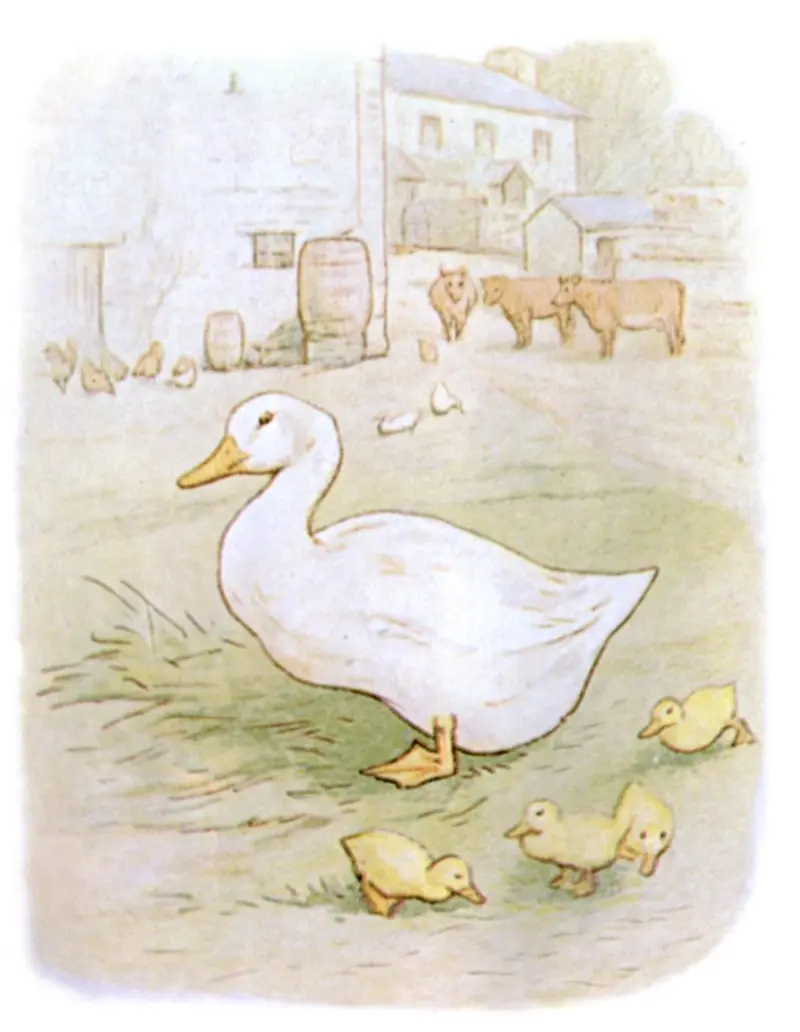
Jemima Puddle-Duck and Her Ducklings
Beatrix Potter

The Invitation
Beatrix Potter
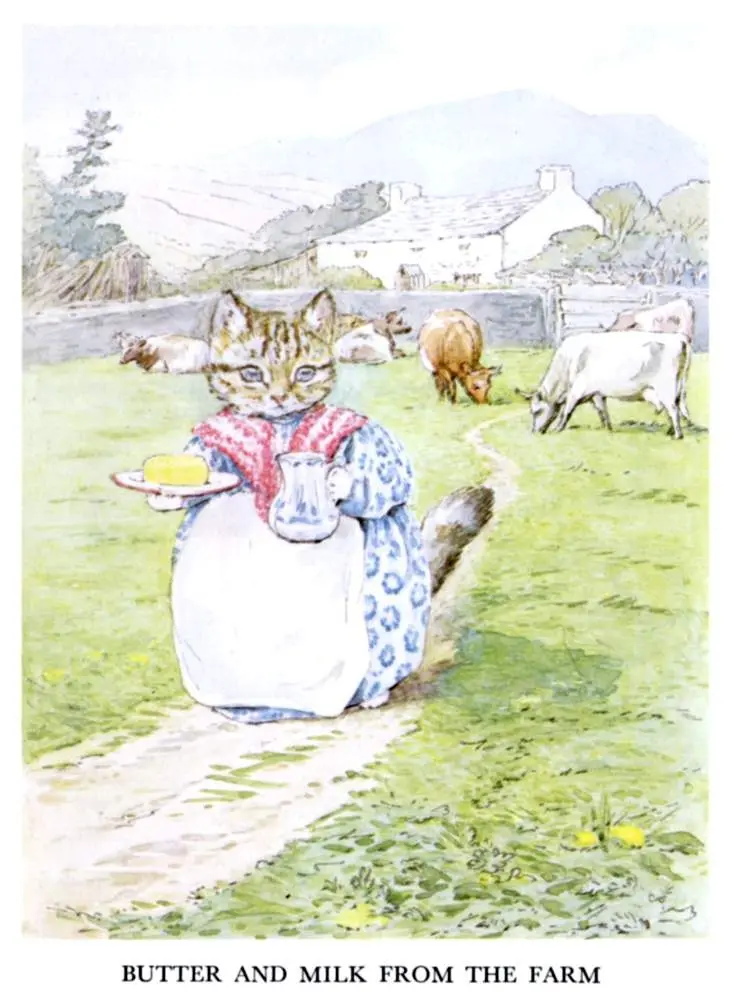
Butter and Milk from the Farm
Beatrix Potter
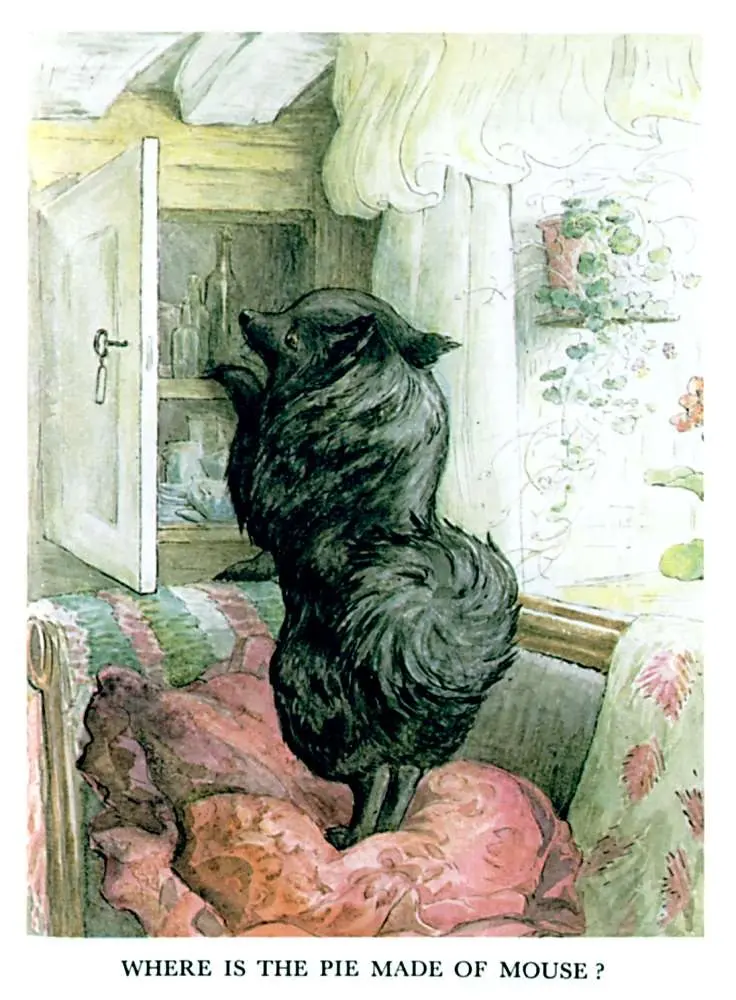
Where Is the Pie Made of Mouse?
Beatrix Potter
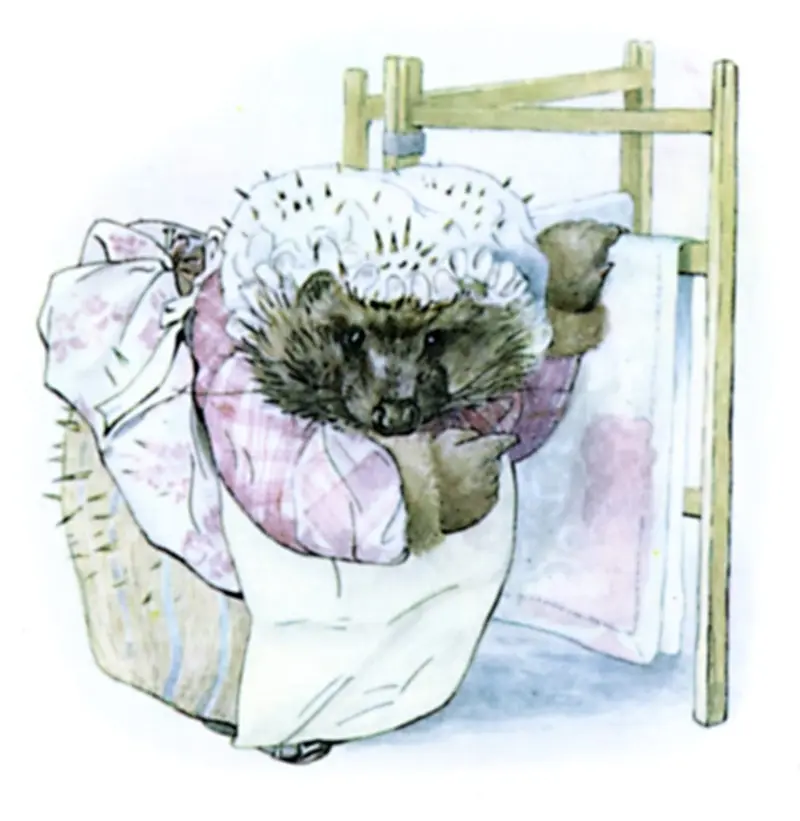
Mrs Tiggy-Winkle and the Clothes Horse
Beatrix Potter

Jemima Puddle-Duck and the Foxy Gentleman
Beatrix Potter
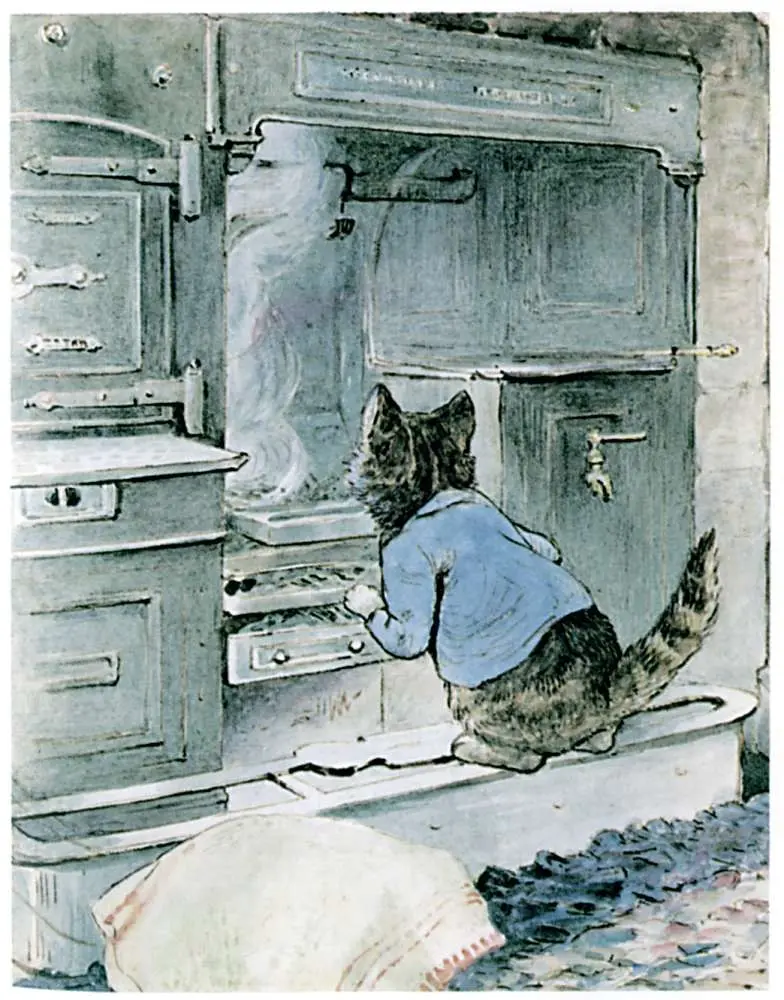
Tom Kitten and the Kitchen Range
Beatrix Potter
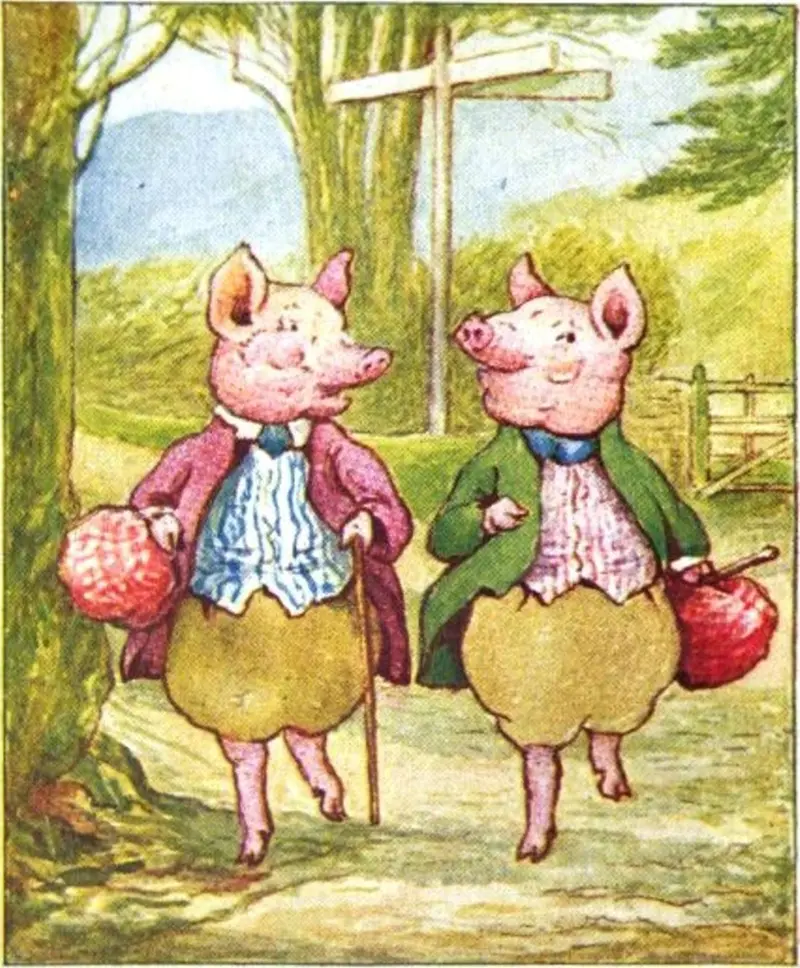
Pigling Bland and Alexander
Beatrix Potter
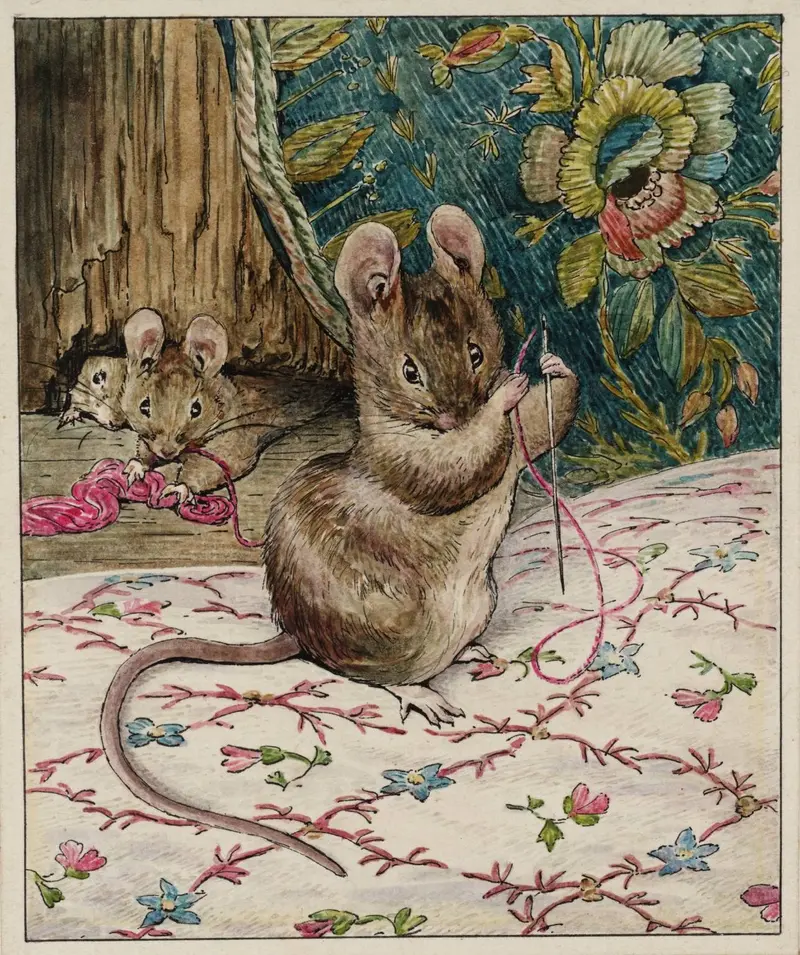
The Tailor's Mice at Work
Beatrix Potter
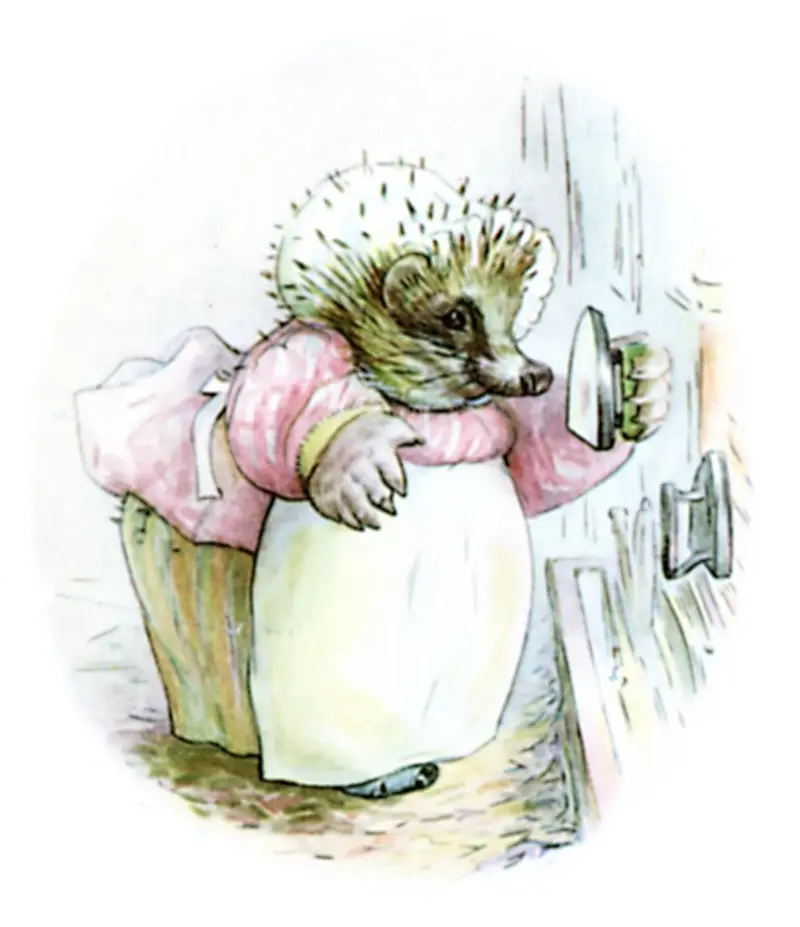
Mrs Tiggy-Winkle the Washerwoman
Beatrix Potter
More Genre Scene Art

Banquet of the Officers of the St George Civic Guard
Frans Hals

Rembrandt and Saskia in the Scene of the Prodigal Son
Rembrandt van Rijn

Bal du moulin de la Galette
Pierre-Auguste Renoir

Quadrille at the Moulin Rouge
Henri de Toulouse-Lautrec

A Burial at Ornans
Gustave Courbet

When Will You Marry?
Paul Gauguin