
Musée de Dijon - HALS (Frans) (1580-1666) 159 – Tête d'Enfant – ND Phot — History & Facts
No other artist of the Dutch Golden Age captured the fleeting spark of childhood quite like Frans Hals, and nowhere is this more apparent than in Tête d'Enfant, a small portrait whose date and origins remain shrouded in mystery. Unlike the grand group portraits that made Hals famous, this work focuses on a single, anonymous child, a rarity in an era when children's likenesses were usually reserved for the wealthy or the symbolic. The painting’s journey is marked by gaps and silences: its earliest records place it in the collection of the Musée de Dijon, but little else is certain, leaving open questions about who commissioned it—or whether it was ever meant for public display. In Tête d'Enfant, Hals chooses a moment of pure immediacy: the child’s wide, direct gaze and parted lips suggest a fleeting interruption, as if the sitter has just been called by name.
The loose, energetic brushwork—so characteristic of Hals—renders the soft flesh and tousled hair with remarkable vitality, while the neutral background ensures nothing distracts from the subject’s presence. There are no grand costumes or symbolic objects; instead, the painting’s meaning lies in its simplicity and spontaneity. Compared to Anthony van Dyck’s more formal child portraits, Hals’s approach feels almost modern, emphasizing personality over status. The physical history of Tête d'Enfant is as elusive as the identity of its sitter.
The work entered the Musée de Dijon collection at an unknown date, and its attribution to Frans Hals has been accepted by most, though not all, scholars—some have pointed to the looser handling as evidence of a follower or workshop hand. Despite these uncertainties, the painting stands as a testament to Hals’s enduring fascination with the human face in all its variety. Today, it remains on view in Dijon, inviting visitors to share in the brief, bright encounter captured centuries ago.
More Artworks by Frans Hals

Banquet of the Officers of the St George Civic Guard
Frans Hals

Portrait of Jacob Pietersz Olycan (1596-1638)
Frans Hals
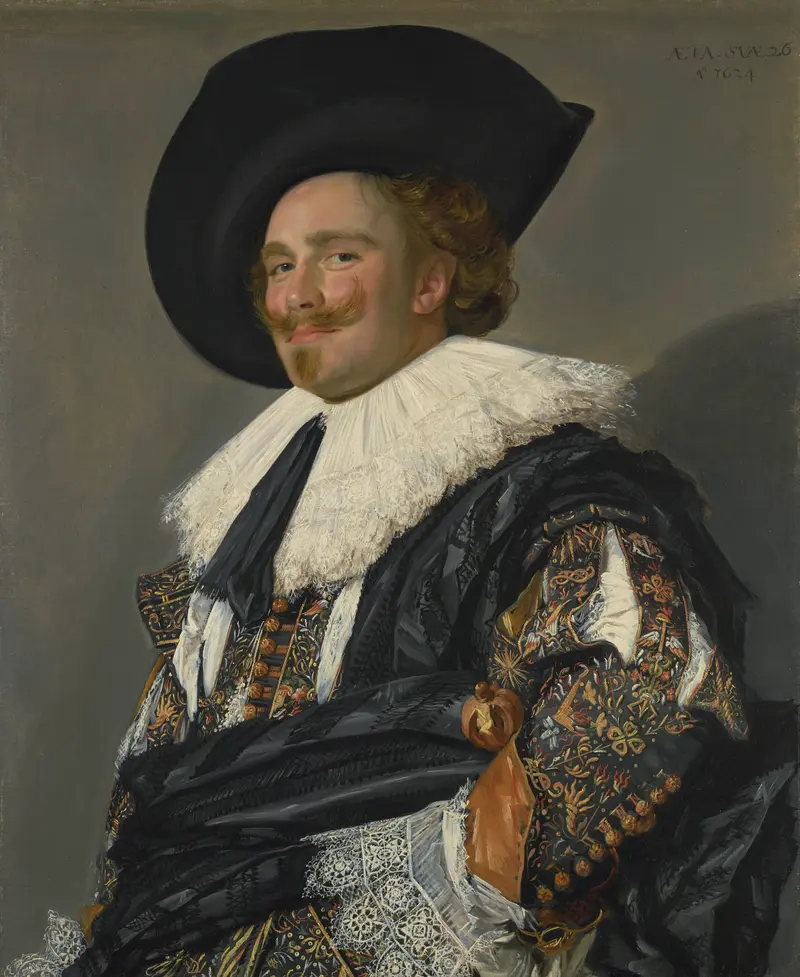
Laughing Cavalier
Frans Hals

Militia Company of District XI under the Command of Captain Reynier Reael, Known as ‘The Meagre Company’
Frans Hals
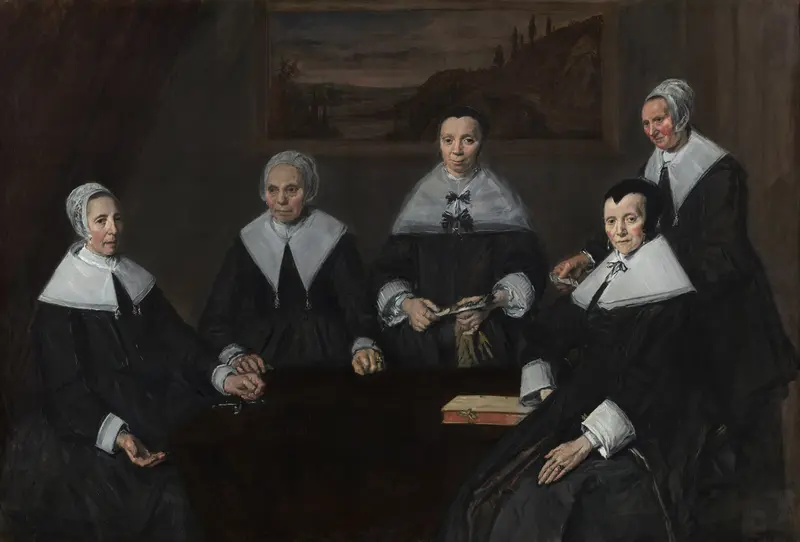
Regentesses of the Old Men's Alms House
Frans Hals
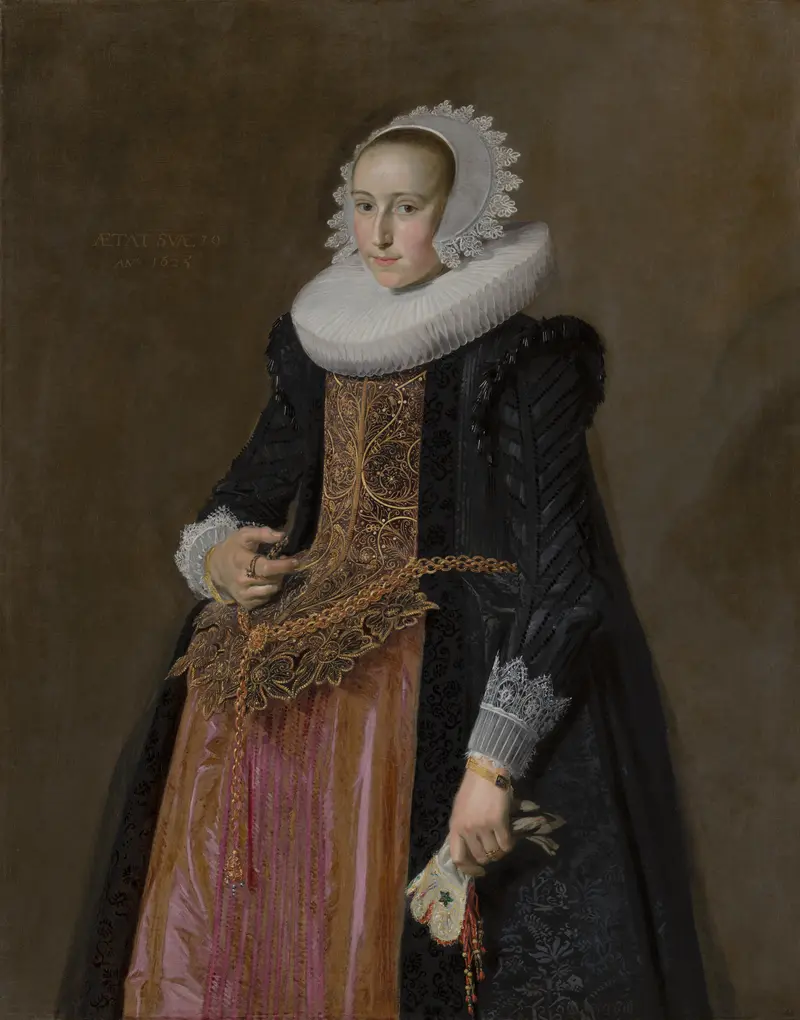
Portrait of Aletta Hanemans (1606–1653)
Frans Hals
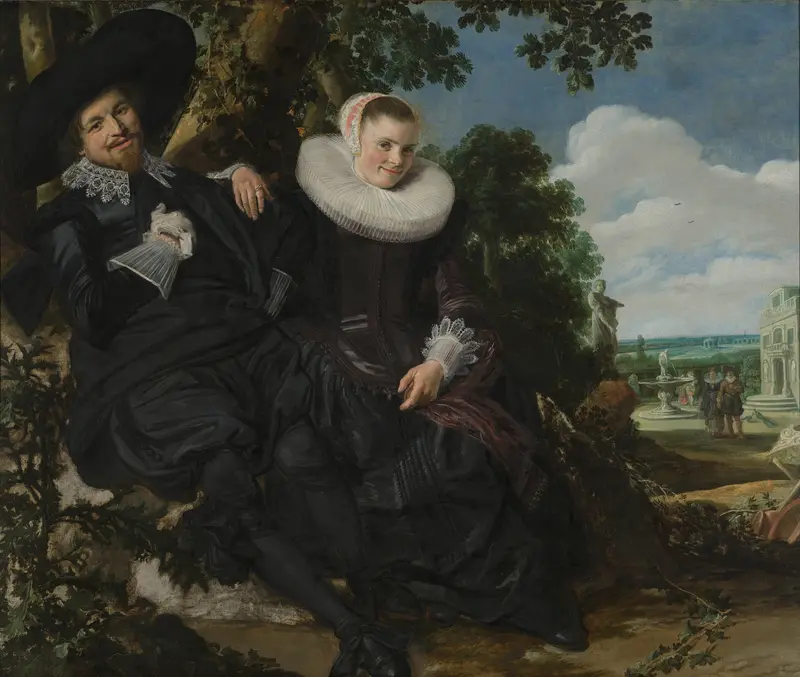
Portrait of a Married Couple, Likely Isaac Abrahamsz Massa and Beatrix van der Laen
Frans Hals
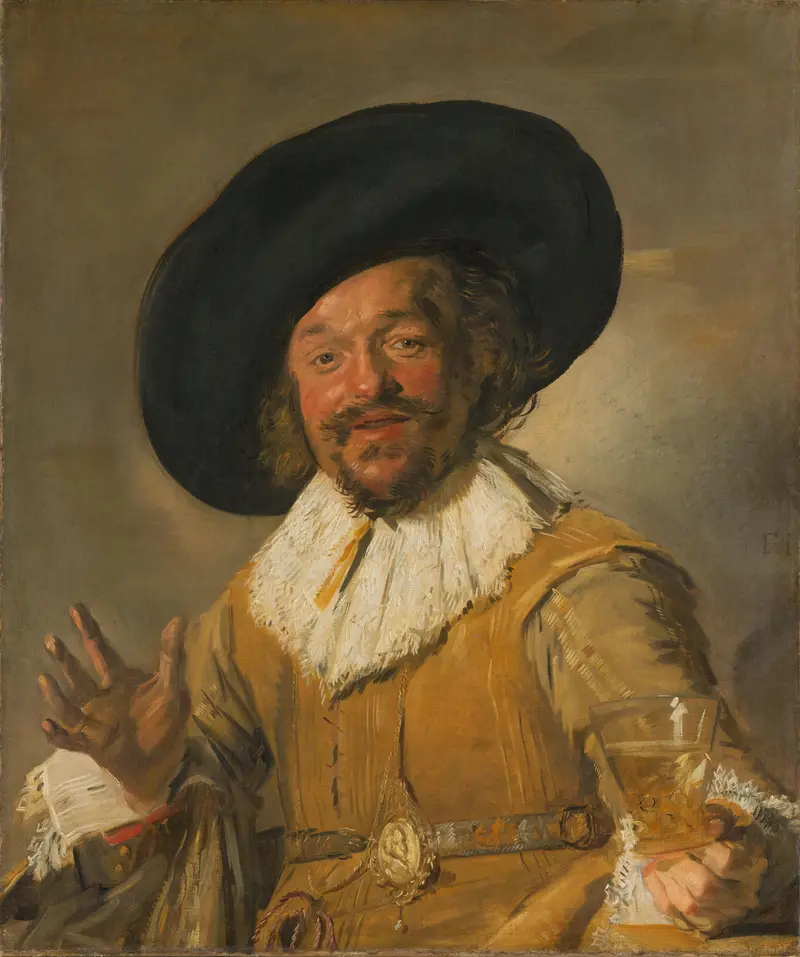
The Merry Drinker
Frans Hals
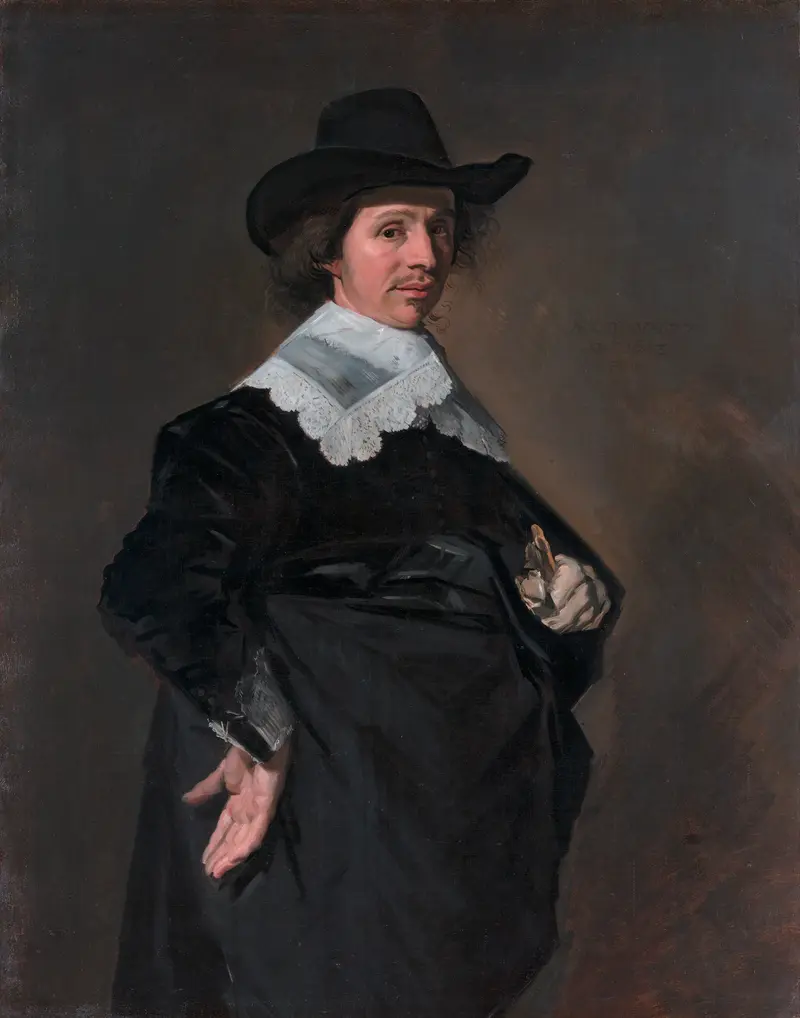
Portrait of Paulus Verschuur
Frans Hals
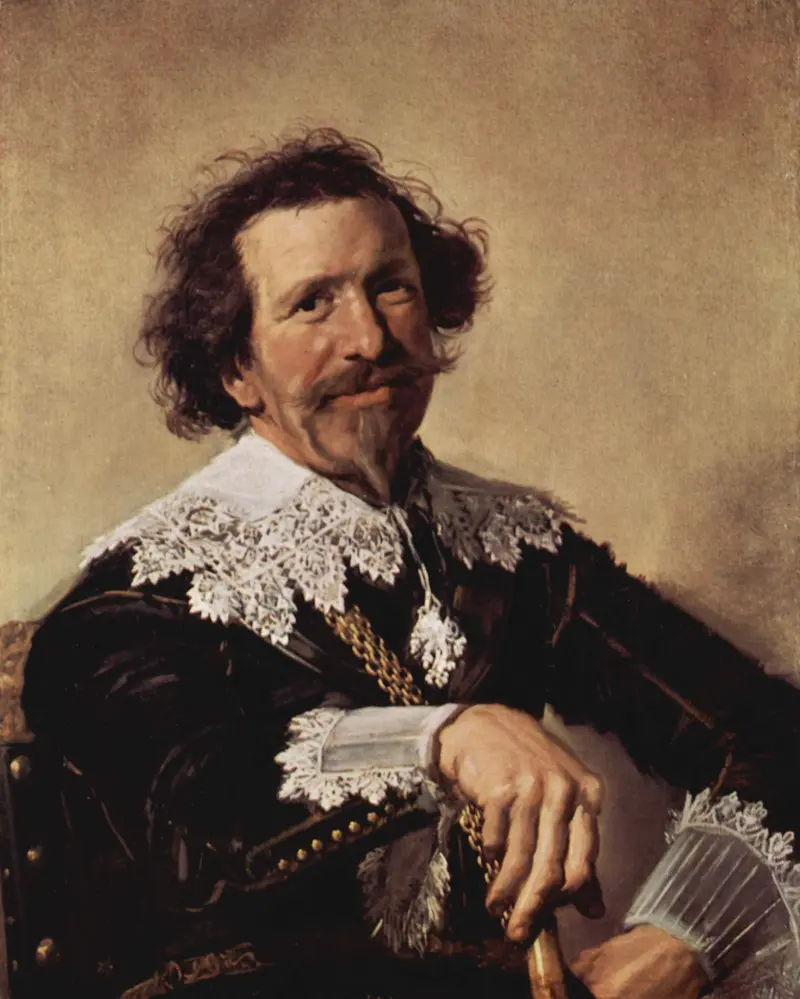
Portrait of Pieter van den Broecke
Frans Hals





